Mouthwash: 8 Essential Uses, Key Ingredients & Safe Usage Tips
Comprehensive guide to mouthwashes: uses, ingredients, mechanisms, application, and potential adverse effects for optimal oral health.
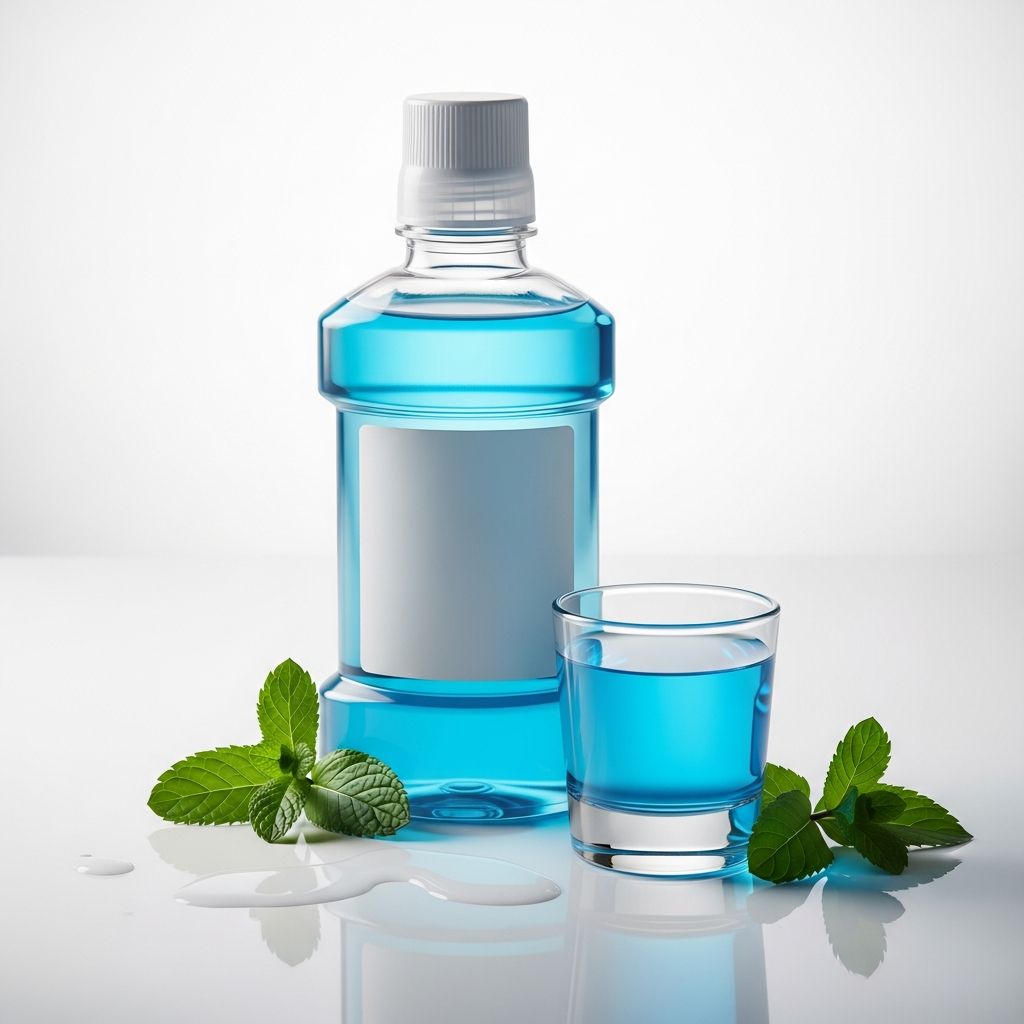
A mouthwash is a liquid solution designed to rinse the oral cavity, aiding in oral hygiene maintenance, dental plaque prevention, and symptomatic relief for various oral conditions. Also known as a mouth rinse, it serves as an adjunct to regular brushing and flossing.
Introduction
Mouthwashes are versatile oral care products used for short-term or ongoing management of oral health issues. They help reduce bacteria, soothe inflammation, and strengthen teeth against decay. While not a substitute for mechanical cleaning like brushing, mouthwashes enhance overall oral hygiene when used correctly. This article covers their uses, ingredients, mechanisms of action, proper usage, and potential adverse effects.
What is mouthwash used for?
Mouthwashes address a range of oral conditions, providing targeted relief or prevention:
- Antimicrobial action: Kills bacteria to reduce plaque buildup and treat halitosis (bad breath).
- Gingivitis and periodontitis: Reduces gum inflammation and bleeding associated with gum disease.
- Dental caries prevention: Fluoride-containing formulas strengthen enamel and reduce cavity risk.
- Mouth ulcers (aphthous ulcers): Soothes pain and promotes healing with anti-inflammatory agents.
- Post-surgical care: Aids healing after dental procedures by minimizing infection risk.
- Orthodontic appliances: Cleans around braces where brushing is challenging.
- Dry mouth (xerostomia): Stimulates saliva production in some formulations.
- Lichen planus or pemphigus: Provides symptomatic relief for autoimmune oral conditions.
Fluoride mouthwashes are particularly effective in high-risk groups for caries, such as children or those with poor oral hygiene.
Demographics
Mouthwash use spans all age groups, but certain populations benefit most. Children over 6 years can use fluoride mouthwashes to prevent caries, though supervision is needed to prevent swallowing. Adults with gingivitis, smokers, or those with halitosis frequently use antimicrobial types. Elderly individuals or those with dry mouth from medications find relief in saliva-stimulating formulas. Patients with oral ulcers or post-dental surgery universally benefit from short-term anti-inflammatory or antiseptic rinses. Allergic reactions, though rare, can affect sensitive individuals across demographics due to flavorings or preservatives.
Ingredients
Mouthwashes contain active and inactive ingredients tailored to their purpose. Key actives include:
- Chlorhexidine gluconate (0.12–0.2%): Potent antimicrobial for gingivitis and post-surgical use.
- Essential oils (eucalyptol, menthol, thymol, methyl salicylate): In combinations like Listerine for plaque and gingivitis control.
- Cetylpyridinium chloride (CPC): Quaternary ammonium compound with antibacterial properties.
- Fluoride (sodium fluoride, stannous fluoride): Prevents demineralization and promotes remineralization.
- Benzydamine hydrochloride: Anti-inflammatory and analgesic for ulcers.
- Hydrogen peroxide: Oxygenating agent for bleaching and antisepsis.
- Others: Povidone-iodine, triclosan (phased out in some regions), or bicarbonate for pH balance.
Inactive components include water, alcohol (ethanol 20–30% as solvent), sweeteners (sorbitol), flavorings (mint), colorants, and preservatives. Alcohol-free versions exist for sensitive users.
How do mouthwashes work?
Mouthwashes exert effects through specific mechanisms:
- Antimicrobials: Disrupt bacterial cell walls (chlorhexidine binds to membranes), inhibit enzymes, or alter bacterial metabolism, reducing plaque and halitosis-causing volatiles.
- Anti-inflammatories: Benzydamine inhibits pro-inflammatory cytokines, decreasing pain and swelling in ulcers or gingivitis.
- Fluoride: Forms fluorapatite on enamel, resisting acid attacks from cariogenic bacteria.
- Essential oils: Hydrophobic action penetrates plaque biofilm, killing bacteria in hard-to-reach areas.
- Desensitizing agents: Potassium nitrate blocks nerve transmission in dentin tubules for sensitive teeth.
These actions complement brushing by reaching interproximal areas and mucosal surfaces.
How to use mouthwash
Proper use maximizes benefits while minimizing risks:
Related Stories



- Vigorous brushing and flossing first.
- Pour 10–20 ml (per label) into a cup; do not dilute unless specified.
- Swish or rinse for 30–60 seconds, ensuring full mouth coverage and gargling.
- Spit out; do not rinse with water immediately after to prolong contact time.
- Use twice daily, typically after meals, as an adjunct—not replacement—for brushing.
For chlorhexidine, avoid eating/drinking or brushing for 30–60 minutes post-use to sustain efficacy. Children under 6 should not use unless advised. Consult dentists for prescription strengths.
| Type | Key Ingredient | Duration | Frequency |
|---|---|---|---|
| Cosmetic | Flavorings, minimal actives | Indefinite | 1–2x/day |
| Therapeutic (fluoride) | Sodium fluoride | Ongoing | 1–2x/day |
| Antiseptic (prescription) | Chlorhexidine 0.2% | 1–2 weeks | 2x/day |
| Anti-inflammatory | Benzydamine | Short-term (7 days) | 3–4x/day |
Adverse effects
While generally safe, mouthwashes can cause side effects based on ingredients:
- Chlorhexidine: Teeth/tongue staining (brown), taste disturbance (dysgeusia), increased tartar, mucosal desquamation. Unsuitable for long-term use; stains reversible with professional cleaning.
- Benzydamine: Numbness, stinging on application, rarely hypersensitivity reactions.
- Ethanol/essential oils: Dry mouth, burning sensation, mucosal irritation; avoid in children or alcoholics.
- Fluoride: Fluorosis (mottling) if swallowed excessively by children.
- Others: Allergic reactions (rare) to flavorings (cinnamon, mint), preservatives; contact cheilitis or stomatitis from surfactants like SLS in combo products.
Discontinue if irritation persists and consult a professional. Patch testing may diagnose allergies.
Frequently Asked Questions (FAQs)
Q: Can mouthwash replace brushing?
A: No, mouthwash supplements brushing and flossing but cannot remove plaque mechanically.
Q: Does mouthwash whiten teeth?
A: Some with hydrogen peroxide or whitening agents mildly stain-remove, but professional treatments are superior.
Q: Is alcohol in mouthwash harmful?
A: In moderation, no; it aids ingredient delivery. Alcohol-free options exist for dry mouth or sensitivity.
Q: How long to use chlorhexidine mouthwash?
A: Typically 1–2 weeks; longer risks staining and reduced efficacy.
Q: Can mouthwash cause mouth ulcers?
A: Rarely, irritants like SLS may trigger aphthous ulcers in susceptible individuals.
Q: Is mouthwash safe for kids?
A: Fluoride versions for ages 6+; supervise to prevent swallowing.
This comprehensive overview ensures informed use of mouthwashes for better oral health outcomes. Always follow product instructions and dental advice.
References
- Mouthwashes – DermNet — DermNet NZ. 2016-02 (reviewed). https://dermnetnz.org/topics/mouthwash
- Contact reactions to toothpaste and other oral hygiene products – DermNet — DermNet NZ. 2024-07. https://dermnetnz.org/topics/contact-reactions-to-toothpaste-and-other-oral-hygiene-products
- Antiseptics: Uses, Types, and Safety – DermNet — DermNet NZ. Accessed 2026. https://dermnetnz.org/topics/antiseptic
- 5 Reasons You Should Use Mouthwash Daily — Listerine Middle East (official product info). Accessed 2026. https://www.listerine-me.com/mouth-coach/reasons-you-should-use-mouthwash-every-day
- Mouth Ulcers – Patient.info — Patient.info (NHS-affiliated). Accessed 2026. https://patient.info/oral-dental-care/mouth-ulcers-leaflet
Similar Articles








Read full bio of medha deb