Moxibustion: 5 Types, Benefits, Uses, And Safety
Traditional Chinese medicine therapy using burning mugwort to stimulate acupoints, warm meridians, and promote qi flow for health benefits.
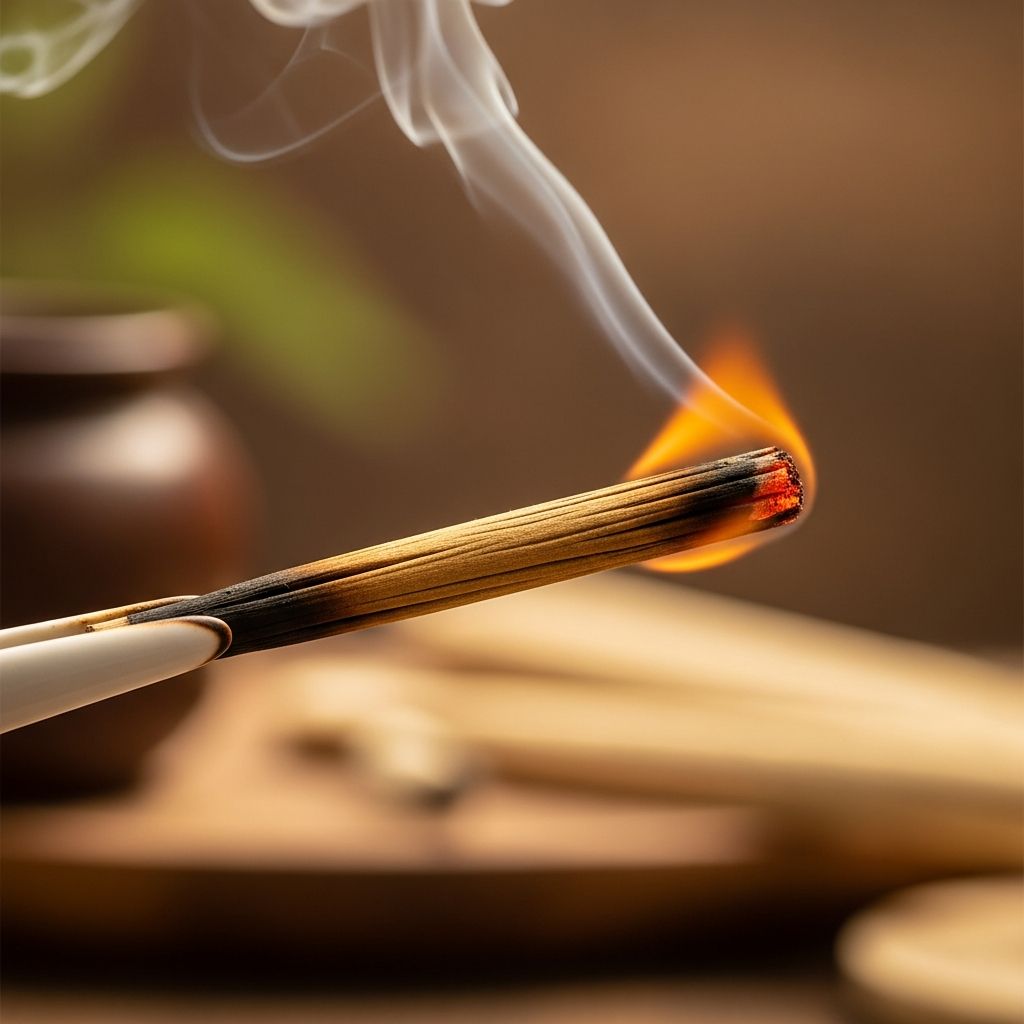
Moxibustion is a traditional Chinese medicine (TCM) therapy that involves burning dried mugwort (moxa) on or above the skin at specific acupoints to stimulate the flow of qi (vital energy), warm meridians, dispel cold and dampness, and promote healing.
What is moxibustion?
Moxibustion, derived from the term ‘moxa’ (from Japanese ‘moe kusa’ meaning burning herb) and Latin ‘bustio’ (to burn), is an ancient external therapy used for over 2500 years in TCM systems across China, Japan, Korea, Vietnam, and Mongolia. It applies heat from burning moxa directly or indirectly to acupoints to dredge meridians, regulate qi and blood, strengthen yang, and treat deficiency-cold syndromes.
The core principle is to warm and invigorate the body’s channels, expelling pathogenic cold and dampness while enhancing circulation and immune function. Clinical studies indicate moxibustion increases white blood cells, produces infrared heat, boosts hemoglobin, and aids in immune modulation. Unlike acupuncture’s needling, moxibustion provides penetrating warmth that dilates blood vessels, relaxes muscles, and promotes toxin removal.
Who performs moxibustion?
Qualified TCM practitioners, acupuncturists, or licensed herbalists trained in moxibustion techniques perform the therapy. Training emphasizes precise acupoint location, moxa application methods, heat control to avoid burns, and syndrome differentiation per TCM diagnostics. In Western contexts, certified practitioners from institutions like the American Institute of Alternative Medicine (AIAM) integrate it with acupuncture. Self-administration is possible for simple techniques like breech birth protocols under guidance, but professional oversight is recommended for safety.
Types of moxibustion
Moxibustion varies by moxa contact with skin, tools, and heat delivery. Key types include:
- Direct moxibustion: Moxa cone placed directly on skin, burned until it blisters (scarring) or extinguishes (non-scarring). Used for chronic conditions needing intense stimulation.
- Indirect moxibustion: Moxa separated from skin by barriers like ginger, salt, garlic, or acupuncture needles. Common and safer for broad use.
- Moxa stick (sparrow-pecking): Cigarette-shaped moxa stick held near skin, moved in pecking motion for mild warming.
- Drug moxibustion: Irritant herbs (e.g., cantharis, garlic) applied to acupoints before moxa for enhanced effects.
- Modern variants: Microwave, laser, or electrothermal moxibustion simulating traditional heat.
| Type | Description | Applications |
|---|---|---|
| Direct | Moxa cone on skin | Chronic pain, weakness |
| Indirect | With ginger/salt | Digestion, cold syndromes |
| Stick | Held above skin | Breech turning, daily tonification |
How is moxibustion performed?
Performance follows TCM diagnosis to select acupoints based on condition. Steps include:
- Preparation: Patient lies comfortably; skin cleaned. Practitioner selects high-quality aged moxa.
- Application: For indirect cone, base applied (e.g., ginger slice), moxa cone lit, burned to warmth (not pain), removed before scorching. Repeated 3–5 cones per point.
- Stick method: Moxa stick lit, held 1–2 cm above point in circling/pecking motion for 5–15 minutes until skin reddens warmly.
- Duration: Sessions last 15–30 minutes, 1–3 times weekly, courses of 10–20 sessions.
- Post-care: Avoid wind/cold; keep area warm.
Moxa smoke provides antiviral/antifungal effects and may enhance systemic benefits via inhalation.
Related Stories



What conditions is moxibustion used for?
Moxibustion treats over 364 diseases per Chinese bibliometrics, especially deficiency-cold patterns. Primary indications:
- Musculoskeletal pain: Knee osteoarthritis, soft tissue injury, heel pain, temporomandibular disorders.
- Digestive: Diarrhea, colitis, IBS-D, acid reflux.
- Gynecological: Dysmenorrhea, uterine prolapse.
- Respiratory: Asthma, allergic rhinitis.
- Obstetric: Breech presentation (BL67 stimulation turns 75–85% of cases).
- Other: Urinary incontinence, herpes zoster, fatigue, cancer-related symptoms (fatigue, nausea, pain).
Mechanisms include meridian dredging, qi-blood regulation, and warm nourishing/melting effects.
Evidence for moxibustion
While TCM evidence spans millennia, modern research shows mixed results due to study quality. Systematic reviews support:
- Breech birth correction (strong evidence).
- Pain relief in osteoarthritis (moderate).
- Cancer treatment side effects (promising, e.g., fatigue relief lasting 4 weeks).
Limited evidence for IBS, neuropathy; more high-quality RCTs needed. A PMC review highlights mechanisms like infrared heat, immune boost, and meridian activation.
Safety and side effects
Generally safe when performed by experts. Potential issues:
- Burns/blisters: From direct moxa or excessive heat.
- Smoke irritation: Respiratory concerns; use ventilation.
- Contraindications: Excess-heat syndromes, high fever, acute inflammation, pregnancy (except breech under supervision).
Mugwort allergies rare but possible; patch test advised.
Frequently asked questions
What does moxibustion feel like?
A pleasant warming sensation, mild redness, no pain if done correctly.
How often should moxibustion be done?
1–3 sessions weekly, tailored to condition.
Can I do moxibustion at home?
Yes for stick method on taught points like breech protocol, but consult practitioner.
Is moxibustion safe during pregnancy?
Safe for breech at BL67; avoid elsewhere without guidance.
Does moxibustion hurt?
No, it’s warming and relaxing.
References
- Moxibustion: Uses, safety, and how to perform — Medical News Today. 2023-10-12. https://www.medicalnewstoday.com/articles/what-is-moxibustion
- The Mechanism of Moxibustion: Ancient Theory and Modern Research — PMC (National Library of Medicine). 2013-10-09. https://pmc.ncbi.nlm.nih.gov/articles/PMC3789413/
- Moxibustion: How it Works, Breech Birth, Other Uses, and Safety — Healthline. 2023-05-15. https://www.healthline.com/health/moxibustion
- Moxibustion — Wikipedia (informed primary TCM sources). 2024-01-01. https://en.wikipedia.org/wiki/Moxibustion
- Moxibustion 101 – The Magic of Moxa — Wise Mountain Medicine. 2022-11-20. https://www.wisemountainmedicine.com/blog/moxibustion-101
- Moxibustion — Boston Children’s Hospital. 2023-01-01. https://health.clevelandclinic.org/moxibustion
Similar Articles








Read full bio of medha deb