Moxifloxacin for Eye Infections (Moxivig)
Comprehensive guide to Moxivig eye drops: usage, dosage, side effects, and precautions for treating bacterial conjunctivitis effectively.
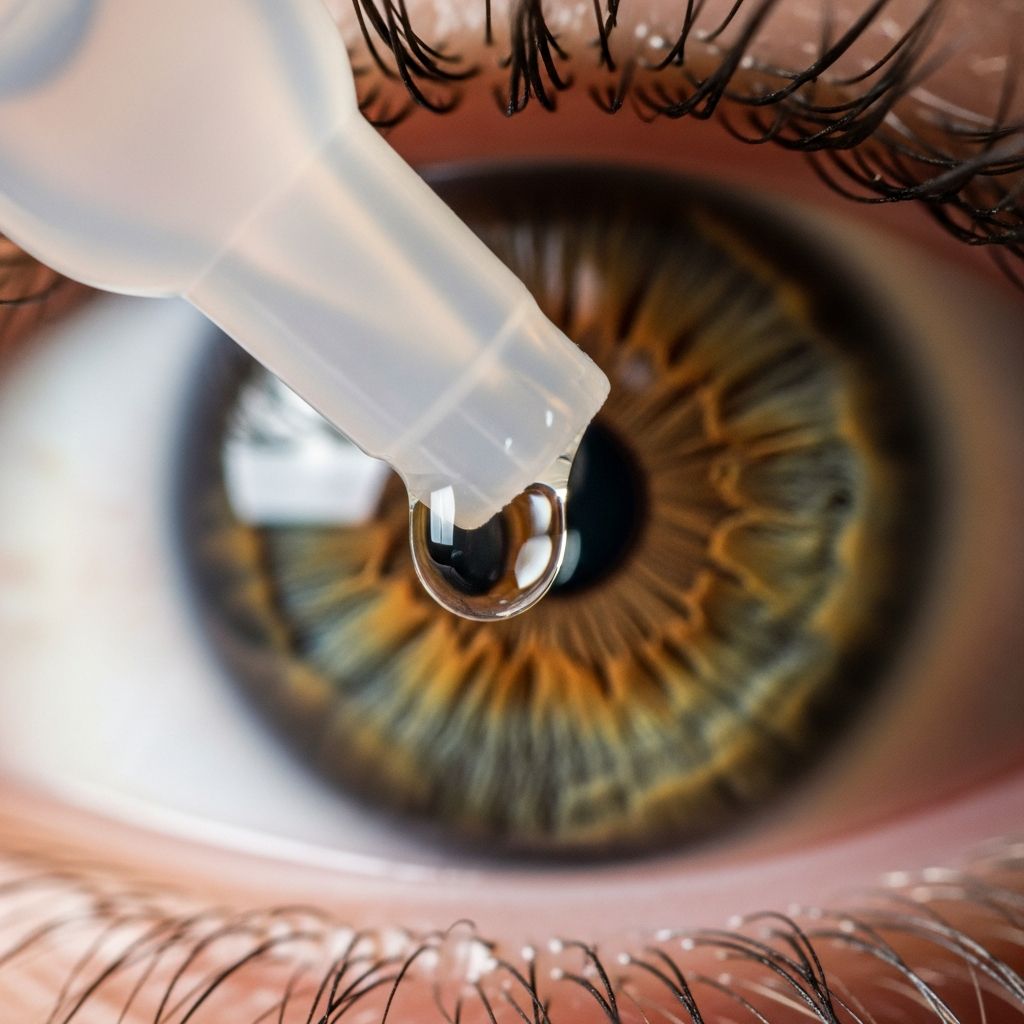
Moxifloxacin eye drops, known under the brand name
Moxivig
, are a targeted antibiotic treatment for bacterial infections of the eye, primarilybacterial conjunctivitis
(commonly called pink eye). This medication belongs to the fluoroquinolone class of antibiotics, which work by stopping bacterial DNA replication, effectively killing the infection-causing bacteria.Bacterial conjunctivitis affects the thin membrane covering the white part of the eye and inner eyelids, leading to symptoms like redness, itching, discharge, and discomfort. Moxivig is prescribed when the infection is confirmed or strongly suspected to be bacterial, distinguishing it from viral or allergic causes that require different management.
About moxifloxacin eye drops
**Moxifloxacin** is a broad-spectrum quinolone antibiotic specifically formulated as a 0.5% w/v ophthalmic solution for topical eye use. Unlike oral or systemic forms used for respiratory or pelvic infections, the eye drop version (Moxivig) delivers the drug directly to the ocular surface, minimizing systemic absorption and side effects.
It is effective against common eye pathogens including Staphylococcus aureus, Staphylococcus epidermidis, Streptococcus pneumoniae, and others like Corynebacterium species and Haemophilus influenzae. Clinical trials show high microbiological eradication rates (84-94%) and clinical cure rates around 80-90% in adults and children.
This treatment is suitable for adults, including the elderly, children (from birth in some cases), and patients with kidney or liver impairment, as no dose adjustments are needed.
Before using moxifloxacin eye drops
Consult your doctor before starting Moxivig to confirm a bacterial infection. It will not work for viral conjunctivitis (more contagious, self-limiting) or allergies.
Allergies and hypersensitivity
- Do not use if allergic to moxifloxacin, other quinolones (e.g., ciprofloxacin), or any ingredients.
- Symptoms of allergy include rash, hives, swelling, breathing difficulty—seek emergency help immediately.
Contact lenses
Remove contact lenses before using drops. Do not wear them during treatment or if eye infection signs are present. Wait until infection clears and treatment ends before resuming.
Pregnancy and breastfeeding
Limited data exists; use only if benefits outweigh risks. Inform your doctor if pregnant or breastfeeding.
Other medicines
- Generally safe with other eye drops, but wait 5 minutes between applications.
- No major interactions reported for topical use.
How to use moxifloxacin eye drops
Follow your prescription exactly. The standard regimen is
1 drop in the affected eye(s) 3 times daily
(morning, afternoon, evening) for7 days
, even if symptoms improve earlier.| Patient Group | Dosage | Duration |
|---|---|---|
| Adults & Children ≥1 year | 1 drop 3x/day | 7 days |
| Children <1 year | 1 drop 3x/day (per doctor) | 7 days |
| Neonates (birth-31 days) | As per clinical trial: effective | 7-9 days monitored |
Improvement typically seen within 5 days; if not, contact your doctor. Complete the full course to prevent resistance.
Step-by-step instructions
- Wash hands thoroughly.
- Avoid touching the dropper tip to any surface, including the eye, to prevent contamination.
- Tilt head back, pull down lower eyelid to form a pocket.
- Instill 1 drop into the pocket.
- Close eye for 2-3 minutes, tip head down, apply gentle pressure to tear duct to minimize drainage.
- Wipe excess with tissue. Wait 5 minutes for second drop or other eye.
- Replace cap tightly; store as directed (usually room temperature).
Related Stories



Common questions about moxifloxacin eye drops
- Can I drive after using? Wait until vision clears; drops may cause temporary blurring.
- What if I miss a dose? Use as soon as remembered; if near next dose, skip and resume schedule. Do not double.
- Storage? Keep in original container, away from children, discard after use or expiry.
- Overdose? Rinse eye with water; seek medical advice if irritation persists.
Side effects
Most side effects are mild and eye-related, resolving after treatment. Report persistent or severe issues.
| Frequency | Side Effects |
|---|---|
| Common (>1/100) | Eye irritation, pain, feeling like something in eye, dry eye, punctate keratitis (corneal spots). |
| Uncommon (1/1000-1/100) | Swelling, itching, redness, blurred vision, headache, bad taste. |
| Rare (<1/1000) | Corneal issues, vision changes, inflammation, allergic reactions (rash, swelling, breathing issues—emergency!). |
Serious signs needing immediate doctor contact: worsening symptoms, new pain, vision loss, signs of infection spread (fever, sore throat).
How to cope with side effects of moxifloxacin eye drops
- Eye discomfort/irritation: Artificial tears (preservative-free) after 5 minutes; cold compress.
- Blurred vision: Avoid driving; use at night if possible.
- Headache: Rest, hydrate; paracetamol if approved.
- What to do for a missed dose: See common questions.
Warnings
- Finish full course to avoid resistance.
- Monitor for superinfection (fungal/viral overgrowth); discontinue if occurs.
- Not for viral/fungal/allergic eyes.
- Slit-lamp exam if needed for monitoring.
Important information
Moxivig is prescription-only. Store securely. Dispose unused drops properly. This info supplements, not replaces, doctor advice.
Frequently Asked Questions (FAQs)
Q: How quickly does Moxivig work?
A: Symptoms often improve in 2-5 days, but use full 7 days. Contact doctor if no change by day 5.
Q: Is Moxivig safe for children and babies?
A: Yes, approved from birth; trials show 80-92% success in neonates.
Q: Can I wear makeup with eye drops?
A: Avoid until infection clears to prevent worsening.
Q: What if symptoms worsen?
A: Stop use, see doctor immediately—may indicate resistance or complication.
Q: Difference from oral moxifloxacin?
A: Eye drops are topical only, lower systemic risk; oral for internal infections.
References
- Moxifloxacin Ophthalmic: MedlinePlus Drug Information — MedlinePlus (U.S. National Library of Medicine). 2023-10-15. https://medlineplus.gov/druginfo/meds/a605016.html
- Moxifloxacin for infection – Avelox — Patient.info. 2024-05-20. https://patient.info/medicine/moxifloxacin-for-infection-avelox
- Moxifloxacin 0.5% w/v eye drops, solution (PIL) — Medicines.org.uk (MHRA). 2023-08-01. https://www.medicines.org.uk/emc/files/pil.14019.pdf
- Moxifloxacin (ophthalmic route) — Mayo Clinic. 2025-01-10. https://www.mayoclinic.org/drugs-supplements/moxifloxacin-ophthalmic-route/description/drg-20064910
- VIGAMOX (moxifloxacin ophthalmic solution) 0.5% (Label) — FDA (U.S. Food and Drug Administration). 2017-10-27 (last major update). https://www.accessdata.fda.gov/drugsatfda_docs/label/2017/021598s022lbl.pdf
- Moxifloxacin (Ophthalmic) — Memorial Sloan Kettering Cancer Center. 2024-03-15. https://www.mskcc.org/cancer-care/patient-education/medications/adult/moxifloxacin-ophthalmic
Similar Articles








Read full bio of medha deb