Moxifloxacin (Avelox): Essential Safety Guide For Adults
Comprehensive guide to using moxifloxacin (Avelox) for treating serious bacterial infections like pneumonia and sinusitis.
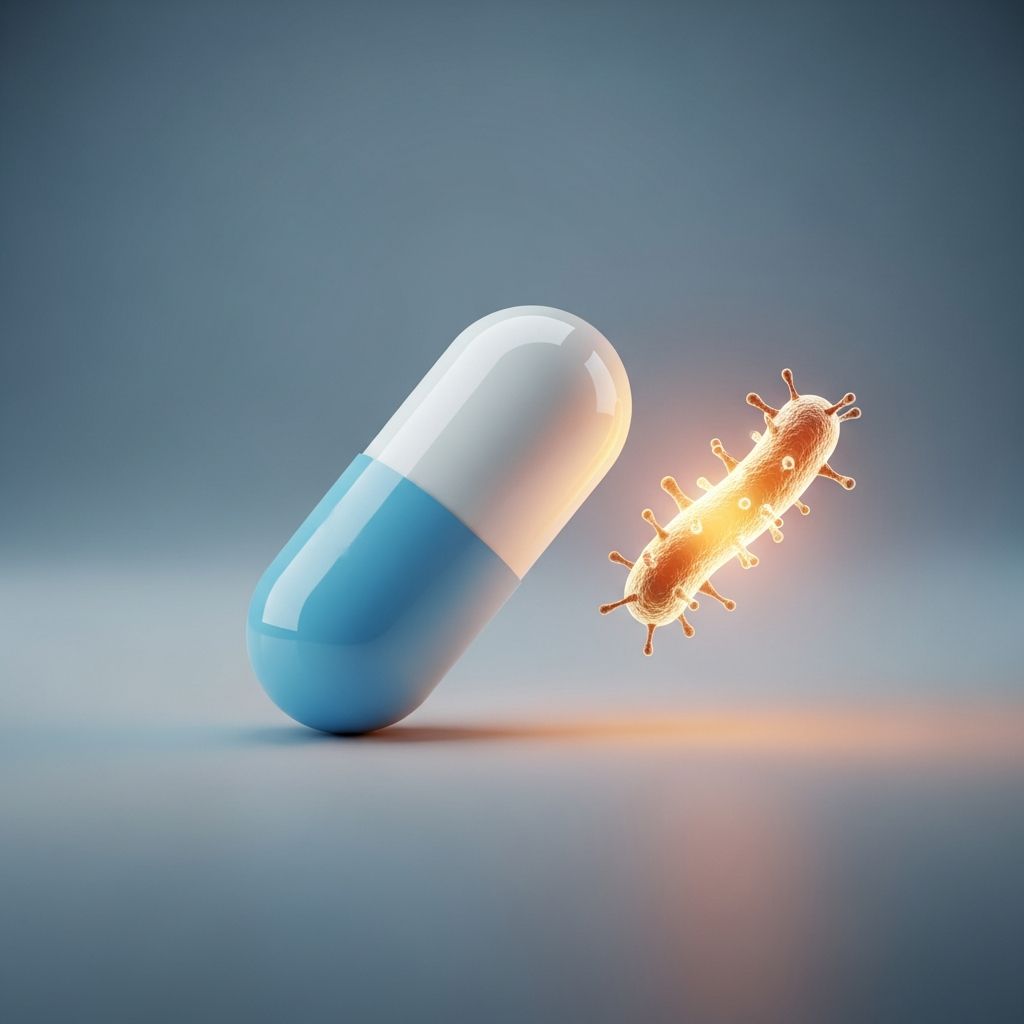
Moxifloxacin, sold under the brand name
Avelox
, is a potent fluoroquinolone antibiotic specifically designed to combat serious bacterial infections. It is reserved for cases where other antibiotics have proven ineffective or cannot be used, targeting infections like acute exacerbations of chronic bronchitis, community-acquired pneumonia, and acute bacterial sinusitis.About moxifloxacin tablets
**Moxifloxacin** belongs to the fluoroquinolone class of antibiotics, which work by inhibiting bacterial DNA replication, effectively killing susceptible bacteria. Avelox tablets contain 400 mg of moxifloxacin hydrochloride and are indicated for adults with infections caused by moxifloxacin-susceptible organisms.
Unlike broad-spectrum antibiotics used for milder infections, moxifloxacin is not a first-line treatment. It is prescribed when standard therapies fail or for patients unable to tolerate alternatives, helping to preserve its efficacy against resistant strains.
Available forms include oral tablets and intravenous infusions, allowing for sequential therapy where IV treatment transitions to oral for convenience.
Before taking moxifloxacin tablets
Consult your doctor before starting moxifloxacin, especially if you have certain medical conditions or take other medications. This antibiotic carries risks of serious side effects, including tendon damage and heart rhythm changes, so it’s crucial to weigh benefits against risks.
Who can and cannot take moxifloxacin tablets
Moxifloxacin is generally for adults over 18. It is contraindicated in several groups:
- People with a history of tendon disorders related to fluoroquinolone use.
- Patients with myasthenia gravis, as it can worsen muscle weakness.
- Those with QT prolongation or taking drugs that affect heart rhythm (e.g., cisapride, erythromycin).
- Individuals with G6PD deficiency, epilepsy, or severe liver impairment (Child-Pugh C).
- Pregnant or breastfeeding women, due to potential risks to the fetus or infant.
Children and adolescents under 18 should avoid it due to risks of musculoskeletal adverse effects.
Other medicines, food and drink, and pregnancy
Moxifloxacin interacts with several substances:
- QT-prolonging drugs: Avoid concurrent use with antiarrhythmics, antipsychotics, or macrolides.
- Antacids and multivitamins: Containing aluminum, magnesium, iron, or zinc reduce absorption; take 4-6 hours apart.
- Warfarin: May enhance anticoagulant effects; monitor INR closely.
- Dairy products: Can slightly delay absorption but do not significantly impact efficacy.
Pregnancy and breastfeeding: Not recommended; category C drug with potential fetal harm. Use effective contraception during treatment and for several days after.
Common questions about moxifloxacin tablets
- Are Avelox tablets affected by food? No, they can be taken with or without meals.
- Can I drive while taking it? Avoid if dizzy; it may impair reactions.
- Is it safe with alcohol? Moderate alcohol is unlikely to interact, but consult your doctor.
How and when to take moxifloxacin tablets
Dosage
The standard adult dose is
one 400 mg tablet once daily
. Treatment duration varies by infection:| Infection | Duration |
|---|---|
| Acute exacerbation of chronic bronchitis | 5 days |
| Community-acquired pneumonia | 7-14 days |
| Acute bacterial sinusitis | 7 days |
| Complicated skin infections | 7-21 days |
| Complicated intra-abdominal infections | 5-14 days |
| Pelvic inflammatory disease | 14 days |
Related Stories



For IV use, follow with oral therapy as appropriate. Never exceed 400 mg daily or shorten courses to prevent resistance.
How to take it
Swallow tablets whole with water. Take at the same time daily for consistency. Complete the full course, even if symptoms improve, to eradicate bacteria fully.
If you miss a dose, take it as soon as remembered unless near the next dose. Do not double up. For forgotten courses, consult your doctor.
Side effects of moxifloxacin tablets
Most people tolerate moxifloxacin well, but side effects occur. Common ones are mild; serious ones require immediate medical attention.
Common side effects
These affect more than 1 in 100 people:
| Side Effect | What to do |
|---|---|
| Oral or vaginal thrush | Speak to pharmacist for antifungal treatment |
| Headache | Drink water; use painkiller; see doctor if persistent |
| Dizziness or faintness | Avoid driving or machinery |
| Nausea, diarrhea, vomiting | Stick to simple meals |
| Stomach pain | Rest and hydrate |
Serious side effects
Seek urgent care for:
- Allergic reactions (rash, swelling, breathing difficulty).
- Severe abdominal/chest/back pain (aortic issues).
- Tendon pain/swelling, especially Achilles (tendinopathy).
- Nerve symptoms (pain, tingling, weakness).
- Vision/hearing changes, mental health issues (anxiety, depression, suicidal thoughts).
- Heart palpitations, fainting (QT prolongation).
- Severe diarrhea (C. difficile).
- Liver problems (jaundice, dark urine).
Fluoroquinolones like moxifloxacin have a black box warning for tendon rupture, worsened myasthenia gravis, and aortic risks.
Long-term side effects
Prolonged use increases risks of peripheral neuropathy, musculoskeletal disorders, and resistance. Report persistent symptoms post-treatment.
How to cope with side effects of moxifloxacin tablets
- Thrush: Use antifungal creams/lozenges from pharmacy.
- Headache/Dizziness: Hydrate, rest; paracetamol for pain.
- Gut issues: Probiotics, bland diet; avoid anti-diarrheals if severe.
- Tendon pain: Stop activity, see doctor immediately.
- Mental changes: Contact healthcare provider urgently.
Always read the patient leaflet for full details.
Pregnancy and breastfeeding with moxifloxacin tablets
Avoid during pregnancy due to risks of arthropathy in animal studies. Limited human data exists, but safer alternatives are preferred. Not recommended while breastfeeding; pump and discard milk during treatment plus 28 days after.
Other information about moxifloxacin tablets
Store at room temperature, away from moisture. Dispose of unused tablets via pharmacy take-back. Moxifloxacin eye drops exist for ocular infections but are separate.
Monitor for superinfections; report new symptoms. Not for viral infections like flu.
Analgesics
If pain occurs (e.g., from side effects), paracetamol is safe. Avoid NSAIDs if tendon risks suspected, as they may exacerbate.
Frequently Asked Questions
Who should not take moxifloxacin?
Avoid if you have myasthenia gravis, tendon issues, or are pregnant.
How long does moxifloxacin take to work?
Symptoms improve in 2-3 days, but complete the course.
Can moxifloxacin cause tendon damage?
Yes, rare but serious; risk higher in elderly, steroid users.
Is moxifloxacin stronger than other antibiotics?
It’s broad-spectrum but reserved for resistant cases.
What if I finish the course but still feel ill?
Return to your doctor; may need further tests.
References
- Avelox – referral — European Medicines Agency (EMA). 2023-10-20. https://www.ema.europa.eu/en/medicines/human/referrals/avelox
- Moxifloxacin for infection – Avelox — Patient.info. 2024-05-15. https://patient.info/medicine/moxifloxacin-for-infection-avelox
- AVELOX (Moxifloxacin) Datasheet — Medsafe (New Zealand). 2023-11-01. https://www.medsafe.govt.nz/profs/datasheet/a/AveloxtabIVinf.pdf
- AVELOX (moxifloxacin hydrochloride) Label — DailyMed (U.S. National Library of Medicine). 2024-08-12. https://dailymed.nlm.nih.gov/dailymed/drugInfo.cfm?setid=222e661d-e956-441a-a02b-b70e0f05c328
- Avelox Tablets — NPS MedicineWise (Australia). 2024-02-28. https://www.nps.org.au/medicine-finder/avelox-tablets
- Moxifloxacin (oral route) — Mayo Clinic. 2025-01-10. https://www.mayoclinic.org/drugs-supplements/moxifloxacin-oral-route/description/drg-20072313
- Avelox 400 mg film-coated tablets SPC — HPRA (Ireland). 2011-02-23. https://assets.hpra.ie/products/Human/32990/LicenseSPC_PPA1328-144-001_23022011111156.pdf
Similar Articles








Read full bio of medha deb