Moxonidine for High Blood Pressure: Uses, Dosage & Side Effects
Complete guide to moxonidine (Physiotens): how it works, dosage, side effects, and benefits for hypertension treatment.

About Moxonidine for High Blood Pressure
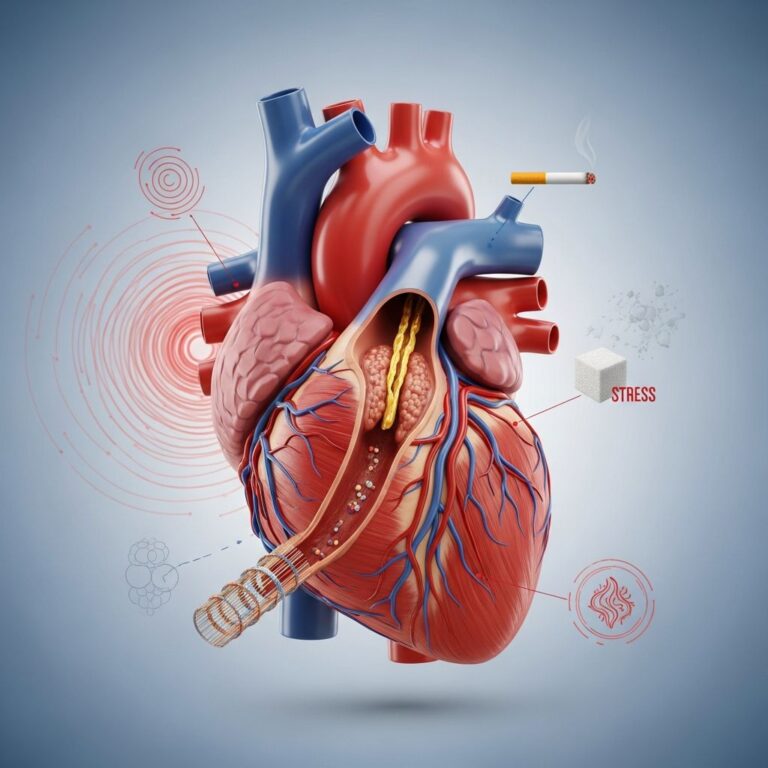
Moxonidine is a centrally-acting antihypertensive medicine prescribed to manage high blood pressure, commonly known as hypertension. This medication works by affecting your blood vessels and the way your cardiovascular system responds to pressure regulation. While most people with high blood pressure do not experience any noticeable symptoms, treating this condition is crucial even when you feel completely fine.
Understanding the importance of blood pressure control is essential for your long-term health. If left untreated, high blood pressure becomes a significant risk factor that can increase your chances of developing serious conditions including heart disease, stroke, kidney disease, and other life-threatening complications. Moxonidine is typically prescribed when other more commonly used antihypertensive medications are either unsuitable for you or have proven insufficient in controlling your blood pressure to target levels.
How Moxonidine Works
Moxonidine functions as a selective agonist at imidazoline I1 receptors, which are located in the cardiovascular regulatory centers of the brain. This mechanism of action is what distinguishes moxonidine from some other antihypertensive medications. The drug acts centrally to reduce peripheral sympathetic nervous system activity, which directly decreases peripheral vascular resistance.
In practical terms, moxonidine works by relaxing the muscles in the walls of your blood vessels. This relaxation causes your blood vessels to widen or dilate, a process known as vasodilation. When blood vessels are wider, the resistance to blood flow decreases, which reduces your overall blood pressure. Additionally, this widening allows blood and oxygen to circulate more freely throughout your body, improving overall cardiovascular function and oxygen delivery to tissues.
Unlike some other centrally-acting antihypertensive agents, moxonidine has only minor activity at alpha2-adrenoceptors, which means it produces fewer side effects related to these pathways. This selective activity makes moxonidine a favorable option for many patients who need central blood pressure regulation without experiencing extensive adverse effects.
Effectiveness in Treating Hypertension
Clinical research demonstrates that moxonidine effectively reduces blood pressure in patients with mild to moderate hypertension. When used as a single therapy, known as monotherapy, moxonidine reduces blood pressure as effectively as most first-line antihypertensive medications. This makes it a viable option for initial treatment in appropriate patients.
Beyond monotherapy, moxonidine also functions as an effective adjunctive therapy when combined with other antihypertensive agents. Many patients require combination therapy to achieve adequate blood pressure control, and moxonidine combines well with other medication classes. The combination of moxonidine with amlodipine, a calcium channel blocker, has proven to be particularly effective in treating mild to moderate essential hypertension.
A significant advantage of moxonidine is its favorable impact on metabolic health. The medication improves the metabolic profile in patients who have hypertension along with diabetes mellitus or impaired glucose tolerance. This is particularly important for patients with metabolic syndrome, as moxonidine can help address multiple cardiovascular risk factors simultaneously.
Dosage and Administration
When beginning treatment with moxonidine, it is essential to start with the lowest effective dose. The typical starting dose is one 200 microgram tablet taken daily in the morning. Your doctor will review your dose after an initial period to assess how well the medication is controlling your blood pressure and to determine whether dose adjustment is necessary.
Related Stories



After approximately three weeks of initial therapy, if blood pressure control remains inadequate, your doctor may increase your dose to 400 micrograms daily. This can be taken as a single dose or divided into two doses throughout the day, depending on your doctor’s recommendation and your individual response to treatment.
The maximum recommended daily dose of moxonidine is 600 micrograms. However, most patients achieve adequate blood pressure control with lower doses. The medication can typically be administered once daily in most patients, which improves medication adherence and convenience for long-term therapy.
It is crucial to follow your doctor’s dosing instructions precisely and not adjust your dose without medical guidance. Blood pressure management requires careful monitoring and professional oversight to ensure optimal therapeutic benefit while minimizing potential risks.
Important Information About Treatment Duration
Treatment with moxonidine is usually designed to be long-term unless you experience an adverse effect that necessitates discontinuation. Most patients with hypertension require ongoing treatment to maintain blood pressure control. You should continue taking your moxonidine tablets exactly as prescribed unless your doctor explicitly instructs you to stop.
An important safety consideration is that stopping moxonidine treatment suddenly can cause problems in some patients, potentially leading to rebound hypertension. If for any reason your treatment needs to be discontinued, your doctor may want you to reduce your dose gradually over time rather than stopping abruptly. Never stop taking moxonidine without consulting your healthcare provider first.
Benefits Beyond Blood Pressure Reduction
Clinical studies have demonstrated several additional benefits of moxonidine therapy beyond simple blood pressure reduction. Research in patients with metabolic syndrome has shown that moxonidine treatment results in several positive metabolic changes:
- Improvement in circadian blood pressure profiles, meaning better control of blood pressure variations throughout the day
- Reduction in blood pressure variability, leading to more stable pressure readings
- Decrease in morning blood pressure surge, which is associated with reduced cardiovascular risk
- Improvement in microcirculation, enhancing blood flow in small vessels
- Enhancement of endothelium-dependent vascular function
- Reduction in insulin resistance, improving glucose metabolism
- Modest reduction in body mass index over time
These additional benefits make moxonidine particularly valuable for patients who have multiple cardiovascular risk factors or metabolic complications alongside their hypertension.
Tolerability and Side Effects
Moxonidine is generally well-tolerated in most patients. The medication has demonstrated good tolerability when used as monotherapy and even when combined with other antihypertensive agents. Like all medications, however, moxonidine can cause side effects in some individuals.
Common side effects may include dry mouth, dizziness, fatigue, and headache. These effects are often mild and may diminish as your body adjusts to the medication. More serious side effects are less common but can include sleep disturbances, mood changes, or gastrointestinal disturbances.
The good tolerability profile of moxonidine is increasingly recognized as an important factor in the success of long-term hypertension therapy, particularly in the early, asymptomatic phases of the disease when patient motivation may be lower. A medication that is well-tolerated is more likely to be taken consistently as prescribed.
Drug Interactions
One of the significant advantages of moxonidine is its low potential for drug interactions. This makes it a suitable choice for patients who are taking multiple medications for various conditions. However, you should always inform your doctor and pharmacist about all medications, supplements, and herbal products you are taking before starting moxonidine therapy.
Certain medications may interact with moxonidine or may not be suitable to use concurrently. Your healthcare provider will review your complete medication list to ensure there are no problematic interactions that could compromise your safety or the effectiveness of your treatment.
Who Should Take Moxonidine
Moxonidine is indicated for the treatment of mild to moderate essential hypertension in adults. It is likely to be prescribed if:
- Other more frequently used first-line antihypertensive medications are not suitable for you
- Previous antihypertensive treatments have not been sufficient to control your blood pressure adequately
- You have intolerance or contraindications to standard first-line agents
- You have metabolic syndrome alongside hypertension
- You have diabetes or impaired glucose tolerance along with high blood pressure
- You require adjunctive therapy to achieve target blood pressure with combination treatment
Special Considerations
If you have certain medical conditions, moxonidine may require special consideration or careful monitoring. Always discuss your complete medical history with your doctor before starting this medication. Conditions such as severe heart disease, severe kidney disease, or certain psychiatric conditions may require additional monitoring or may influence whether moxonidine is appropriate for you.
Pregnancy and breastfeeding are important considerations, as moxonidine’s safety in these situations requires specific discussion with your healthcare provider. If you are planning to become pregnant or are already pregnant, inform your doctor before continuing moxonidine therapy.
Monitoring During Treatment
Regular monitoring is an essential part of moxonidine therapy. Your doctor will likely schedule follow-up appointments to:
- Check your blood pressure response to the medication
- Assess for any side effects you may be experiencing
- Review your overall cardiovascular health
- Adjust your dose if necessary to achieve optimal control
- Monitor other health parameters relevant to your individual situation
Home blood pressure monitoring can be a valuable tool to help track your response to treatment between doctor visits. Keeping a log of your blood pressure readings can provide useful information for your healthcare provider.
Frequently Asked Questions (FAQs)
Q: How long does it take for moxonidine to start working?
A: Moxonidine typically begins to show effects within the first few days to weeks of treatment, though maximum benefit may take several weeks to develop. Your doctor will reassess your dose after approximately three weeks to determine if adjustment is needed.
Q: Can I stop taking moxonidine if my blood pressure is controlled?
A: No, you should not stop taking moxonidine without consulting your doctor, even if your blood pressure appears well-controlled. Stopping suddenly can cause rebound hypertension. If discontinuation becomes necessary, your doctor will guide you through a gradual dose reduction.
Q: Is moxonidine safe for long-term use?
A: Yes, moxonidine is designed for long-term use in managing hypertension. It has a good safety profile when used as directed and monitored by your healthcare provider over extended periods.
Q: Can moxonidine be used with other blood pressure medications?
A: Yes, moxonidine can be effectively combined with other antihypertensive agents. In fact, combination therapy is often necessary for patients who require more robust blood pressure reduction than single-agent therapy can provide.
Q: What should I do if I miss a dose?
A: If you miss a dose, take it as soon as you remember unless it is nearly time for your next dose. Do not double your dose to make up for a missed dose. Continue with your regular dosing schedule.
Q: Are there any foods or drinks I should avoid while taking moxonidine?
A: While there are no specific foods that absolutely must be avoided, maintaining a low-sodium diet and limiting alcohol consumption can enhance the blood pressure-lowering effects of moxonidine and improve overall cardiovascular health.
Q: What are the signs that moxonidine is working?
A: Since high blood pressure usually has no symptoms, the main sign that moxonidine is working is a reduction in blood pressure readings measured by your doctor or home monitoring devices. You may also notice improved energy levels or overall wellbeing as your cardiovascular system functions more efficiently.
References
- Moxonidine: a review of its use in essential hypertension — DrugBank, Therapeutic Products Directorate. 2025. https://go.drugbank.com/articles/A27137
- Moxonidine for arterial hypertension treatment in menopausal women with metabolic syndrome — Trusov V.V., Russian Journal of Cardiology. 2007. https://cardiovascular.elpub.ru/jour/article/view/1278?locale=en_US
- Moxonidine for high blood pressure: Side effects and dosage — Patient.info, BMJ Group. 2025. https://patient.info/medicine/moxonidine-for-high-blood-pressure-physiotens
- Use of moxonidine as initial therapy and in combination in essential hypertension: the TOPIC study — Waters J., Ashford J., Jäger B., et al. Journal of Clinical and Basic Cardiology. 1999. https://www.kup.at/kup/pdf/64.pdf
- Moxonidine use in non-complicated hypertensive crisis — Safronova V.V., Russian Journal of Hypertension. 2010. https://htn.almazovcentre.ru/jour/article/view/1497?locale=en_US
- Moxonidine – Barnsley Area Prescribing Committee Guidance — NHS Barnsley Clinical Commissioning Group. 2025. https://best.barnsleyccg.nhs.uk/clinical-support/medicines/shared-care-guidelines/Moxonidine_Amber_G_Guidance.pdf
Similar Articles








Read full bio of Sneha Tete