mRNA COVID-19 Vaccines: Comirnaty & Spikevax Guide
Comprehensive guide to Pfizer-BioNTech Comirnaty and Moderna Spikevax mRNA vaccines.
Understanding mRNA COVID-19 Vaccines
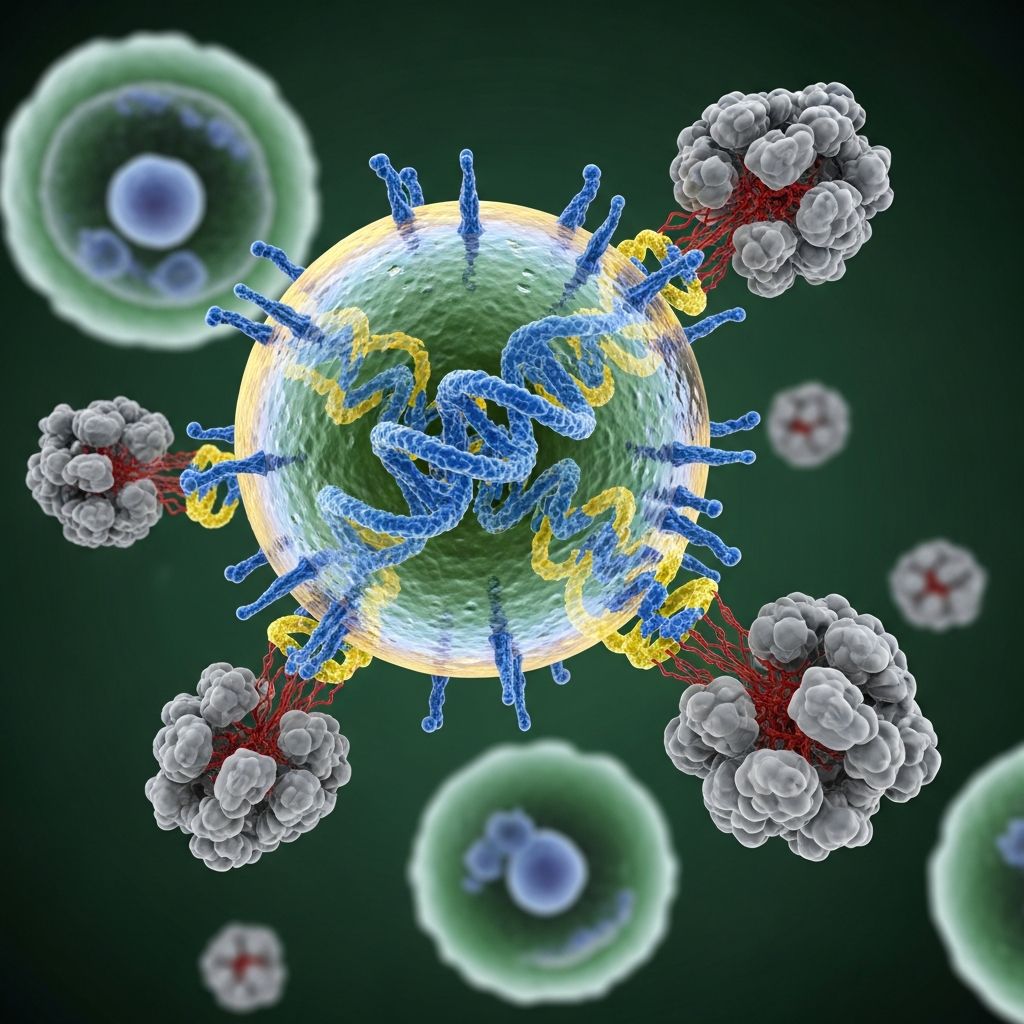
mRNA vaccines represent a breakthrough in vaccine technology, offering a novel approach to preventing serious infections. The two primary mRNA vaccines available for COVID-19 protection are Comirnaty (developed by Pfizer-BioNTech) and Spikevax (developed by Moderna). Both vaccines utilize messenger RNA technology to instruct cells in the body to produce a harmless spike protein, training the immune system to recognize and combat the actual SARS-CoV-2 virus. Understanding how these vaccines work, their effectiveness, potential side effects, and appropriate use is essential for making informed health decisions.
How mRNA Vaccines Work
mRNA vaccines operate through a sophisticated biological mechanism that differs fundamentally from traditional vaccine approaches. The mRNA technology functions by delivering genetic instructions to cells in your body, directing them to manufacture a specific protein—in this case, the spike protein found on the surface of the SARS-CoV-2 virus. Once your cells produce this harmless spike protein, the immune system recognizes it as foreign and mounts a defensive response. This process activates immune cells and stimulates the production of antibodies specifically designed to target this spike protein. The critical advantage of this approach is that the vaccine does not contain the actual virus; it only teaches your immune system what to look for. When you encounter the actual SARS-CoV-2 virus in the future, your body’s immune system is already primed to recognize the spike protein and launch a rapid, targeted attack to prevent infection or reduce disease severity.
Vaccine Types and Formulations
COVID-19 mRNA vaccines have evolved to address emerging virus variants and improve effectiveness. The original formulations of both Comirnaty and Spikevax coded for the entire spike protein of the original SARS-CoV-2 strain. However, newer formulations have been developed to provide broader protection against variant strains.
In addition to the standard Spikevax formulation, Moderna has introduced mNexspike, a more targeted vaccine that codes only for specific portions of the spike protein—namely the N-terminal domain and the receptor-binding domain of the Omicron variant JN.1. This targeted approach allows for administration of a smaller mRNA dose (10 mcg compared to 50 mcg in Spikevax), while seroresponse rates and geometric mean neutralizing antibody titers are actually higher with the newer vaccine. Clinical trials demonstrated that mNexspike met noninferiority criteria to Spikevax, with comparable incidence of COVID-19 occurring two weeks or more after immunization (9.9% with mNexspike versus 10.8% with Spikevax).
Vaccine Efficacy and Effectiveness
Clinical evidence demonstrates that mRNA vaccines provide substantial protection against COVID-19. Research comparing leading COVID-19 vaccines reveals that Spikevax and Comirnaty rank among the most effective options available. In comprehensive network meta-analyses, Spikevax emerged as the top-ranking vaccine with an efficacy measure of 93.29% (95% confidence interval 91.31-95.27%), followed closely by Comirnaty at 92.07% (95% CI 90.03-94.12%). These efficacy rates represent the vaccines’ ability to prevent symptomatic COVID-19 disease.
The superior performance of mRNA technology vaccines compared to other vaccine platforms has been well-documented. mRNA technology vaccines demonstrated greater efficiency against COVID-19 compared to vaccines developed using other technologies, particularly in preventing infection and severe disease outcomes. Older adults aged 65 years and older showed similar relative vaccine efficacy to the general population, with mNexspike demonstrating a relative vaccine efficacy of 13.5% compared to Spikevax in this age group. This consistency across age groups indicates reliable protection across vulnerable populations.
Approved Uses and Age Recommendations
The FDA and regulatory agencies have established clear guidelines for the appropriate use of each vaccine formulation based on age and health status:
Comirnaty (Pfizer-BioNTech)
- Approved for people ages 5 to 64 years with a risk of serious COVID-19 illness
- Approved for all people age 65 and older
- Available under Emergency Use Authorization for children ages 6 months to 4 years
Spikevax (Moderna)
- Approved for ages 6 months and older
- For previously unvaccinated children ages 6 months to 23 months: 2 doses required
- For all ages 6 months and older with previous vaccination: 1 dose
mNexspike (Moderna)
- Approved for ages 12 to 64 years with conditions that increase risk of serious COVID-19 illness
- Approved for all people age 65 years and older
- Licensed specifically for previously vaccinated adults
Related Stories



Dosage and Administration
Proper dosing and administration are critical for ensuring vaccine effectiveness. Comirnaty is administered as intramuscular injections with specific dose volumes depending on the formulation and age of the recipient. Spikevax follows a similar intramuscular administration route. mNexspike is supplied in 10 mcg/0.2 mL prefilled syringes, with the recommended dosage being a single 10-microgram intramuscular injection. An important consideration is that mNexspike should not be given within 2 months after another COVID-19 vaccine to ensure optimal immune response development. Vaccination records should be maintained to track administration dates and ensure proper spacing between doses when additional vaccinations are indicated.
Side Effects and Safety Profile
Vaccine safety is paramount, and extensive clinical monitoring has documented the adverse effects associated with mRNA COVID-19 vaccines. Common side effects are generally mild to moderate and temporary, occurring in the days following vaccination.
Common Adverse Effects
- Injection-site pain and swelling
- Fatigue
- Headache
- Muscle aches (myalgia)
- Joint aches (arthralgia)
- Chills
- Axillary (armpit) swelling or tenderness
- Nausea or vomiting
These reactions typically resolve within a few days and represent the immune system’s response to the vaccine. In clinical trials of mNexspike, adverse effects were comparable to Spikevax, with similar frequency and severity. Serious adverse events were uncommon, occurring in only 0.2% of patients who received mNexspike and 0.3% of those who received Spikevax. Notably, no cases of myocarditis (heart muscle inflammation) or pericarditis (heart lining inflammation) were reported with either vaccine in pivotal trials.
Immunocompromised Individuals
People with weakened immune systems may require modified vaccination schedules. For immunocompromised individuals, both Spikevax and mNexspike may require dose adjustments or additional doses to achieve adequate immune response. Healthcare providers should assess individual circumstances and recommend appropriate vaccination protocols for immunocompromised patients, as standard dosing may not provide optimal protection in this population.
Vaccine Comparison Table
| Characteristic | Comirnaty (Pfizer-BioNTech) | Spikevax (Moderna) | mNexspike (Moderna) |
|---|---|---|---|
| Technology | mRNA | mRNA | mRNA |
| Dose per injection | 30 mcg (varies by age) | 50 mcg | 10 mcg |
| Administration route | Intramuscular | Intramuscular | Intramuscular |
| Efficacy rating | 92.07% | 93.29% | Noninferior to Spikevax |
| Approved ages | 5 years and older | 6 months and older | 12 years and older |
| Target population | High-risk individuals 5-64 yrs; all 65+ | Previously vaccinated individuals | Previously vaccinated high-risk 12-64 yrs; all 65+ |
Comparative Vaccine Efficacy
Comprehensive comparative analyses of COVID-19 vaccines demonstrate the relative performance of different vaccine platforms. Among mRNA vaccines, both Comirnaty and Spikevax rank at the top of efficacy rankings. Spikevax achieved the highest efficacy rating among all COVID-19 vaccines studied, with a P-score of 0.95, solidifying its position as a leading prevention tool. Comirnaty followed closely with a P-score of 0.89. When compared to other vaccine technologies, mRNA vaccines consistently outperformed protein subunit vaccines, viral vector vaccines, and inactivated virus vaccines in preventing symptomatic COVID-19 infection. This superior performance of mRNA technology supports their continued use as preferred vaccines for COVID-19 prevention, particularly in populations at highest risk for severe disease.
Special Populations and Considerations
Certain populations require special consideration when deciding on COVID-19 vaccination. Adults aged 65 years and older represent a priority population for COVID-19 vaccination due to higher risk of severe disease outcomes. Both Spikevax and mNexspike are approved for this age group with clear dosing schedules. Individuals with medical conditions that increase COVID-19 severity risk—including chronic heart disease, chronic lung disease, diabetes mellitus, obesity, and immunosuppression—should receive COVID-19 vaccination regardless of age. Pregnant individuals should discuss COVID-19 vaccination with their healthcare providers, as protection against severe COVID-19 during pregnancy provides benefits to both mother and developing fetus. Individuals with a history of severe allergic reactions should inform healthcare providers before vaccination.
Timing of Vaccination
Proper timing of COVID-19 vaccination is essential for maximizing protection. mNexspike should not be given within 2 months of another COVID-19 vaccine to allow adequate immune response development. This spacing requirement differs from some other vaccine recommendations and should be strictly observed. Individuals who previously received COVID-19 vaccines should consult with healthcare providers about timing for additional doses, particularly when transitioning between vaccine formulations.
Storage and Handling
Proper storage and handling of mRNA vaccines is critical for maintaining vaccine potency. mRNA vaccines are more temperature-sensitive than many traditional vaccines and require specific storage conditions. Comirnaty requires ultra-cold storage at extremely low temperatures when not in immediate use, though some formulations may have less stringent requirements. Spikevax has somewhat less demanding storage requirements compared to original Comirnaty formulations. Healthcare facilities must maintain appropriate cold-chain management systems and follow manufacturer recommendations precisely to ensure vaccine integrity. Patients should not attempt to store vaccines at home; all vaccinations should be administered in healthcare settings with proper refrigeration and handling protocols.
Frequently Asked Questions
Q: What is the difference between Comirnaty and Spikevax?
A: Both are mRNA vaccines that work similarly by instructing cells to produce spike protein. Comirnaty is manufactured by Pfizer-BioNTech, while Spikevax is manufactured by Moderna. They have slightly different dosing schedules and approved age groups, though both demonstrate high efficacy against COVID-19.
Q: What is mNexspike and how does it differ from Spikevax?
A: mNexspike is a newer Moderna vaccine that targets specific portions of the spike protein rather than the entire protein. It uses a lower dose (10 mcg versus 50 mcg) while achieving comparable or superior immune responses. It is approved for previously vaccinated individuals aged 12 and older.
Q: Are mRNA COVID-19 vaccines safe?
A: Yes, mRNA vaccines have an established safety profile from millions of administered doses worldwide. Common side effects are mild and temporary. Serious adverse events are rare, and myocarditis/pericarditis cases were not reported in major clinical trials.
Q: Can I receive mRNA vaccines if I’m pregnant?
A: Pregnant individuals should discuss COVID-19 vaccination with their healthcare provider. Many health organizations support vaccination during pregnancy due to protection benefits against severe COVID-19, which poses higher risks during pregnancy.
Q: How long does protection from mRNA vaccines last?
A: Protection appears to wane over time, particularly against infection with newer variants. This is why periodic booster doses are recommended, particularly for older adults and immunocompromised individuals.
Q: Can mRNA vaccines alter my DNA?
A: No, mRNA vaccines cannot integrate into or alter your DNA. The mRNA is degraded relatively quickly after instructing cells to produce the spike protein. The vaccine does not enter the cell nucleus where DNA is located.
Q: Who should not receive mRNA COVID-19 vaccines?
A: Individuals with documented severe allergic reactions to any vaccine component should not receive these vaccines. Those with a history of myocarditis or pericarditis should discuss vaccination with healthcare providers. Most other conditions do not contraindicate vaccination.
Q: Can I mix different COVID-19 vaccines?
A: Mixing different vaccine types may be acceptable in certain circumstances, but specific guidelines should be followed. mNexspike should not be given within 2 months of another COVID-19 vaccine. Healthcare providers should provide individualized recommendations.
References
- mNEXSPIKE — A New Moderna mRNA Vaccine for COVID-19 — Medical Letter on Drugs and Therapeutics. 2024. https://secure.medicalletter.org/TML-article-1733h
- Comparative efficacy of leading COVID-19 vaccines: A network meta-analysis — PMC/NCBI. 2024. https://pmc.ncbi.nlm.nih.gov/articles/PMC11878698/
- Moderna COVID-19 vaccine 2025-2026 formulas — Mayo Clinic. 2025. https://www.mayoclinic.org/diseases-conditions/comparing-vaccines
- How mRNA Vaccines Work — Yale Medicine. 2024. https://www.yalemedicine.org/news/covid-19-vaccine-comparison
- Different types of COVID-19 vaccines: How they work — Mayo Clinic. 2024. https://www.mayoclinic.org/diseases-conditions/coronavirus/in-depth/different-types-of-covid-19-vaccines/art-20506465
- Overview of COVID-19 Vaccines and Vaccination — Centers for Disease Control and Prevention (CDC). 2025. https://www.cdc.gov/covid/hcp/vaccine-considerations/overview.html
- mRNA Vaccines: What They Are & How They Work — Cleveland Clinic. 2024. https://my.clevelandclinic.org/health/treatments/21898-mrna-vaccines
Similar Articles








Read full bio of medha deb