MRSA Causes: 7 Risk Factors, Spread Modes & Prevention
Understand the causes, transmission, risk factors, and prevention strategies for methicillin-resistant Staphylococcus aureus (MRSA) infections.
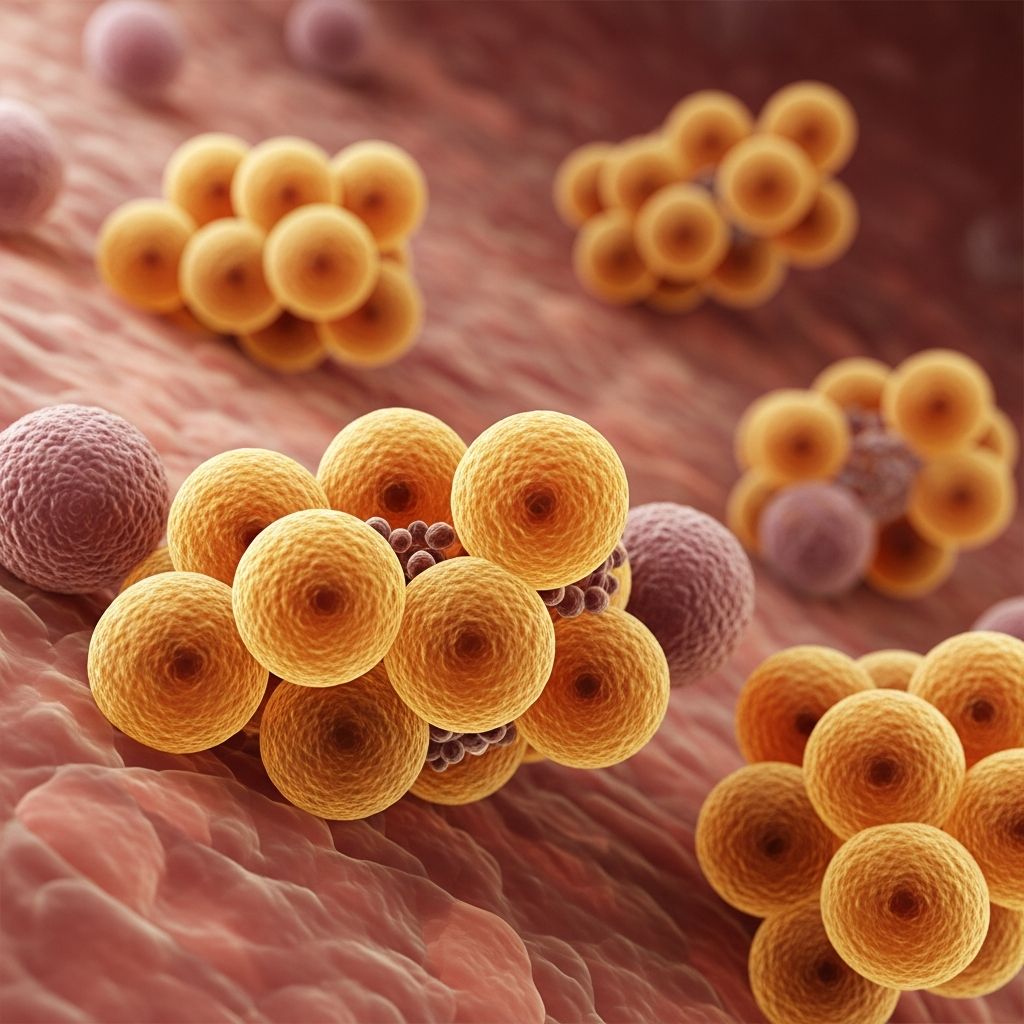
Methicillin-resistant Staphylococcus aureus (MRSA) is a type of staph bacteria resistant to many antibiotics, leading to infections ranging from minor skin issues to life-threatening conditions like sepsis. Originally a hospital-acquired pathogen, MRSA now spreads widely in communities, affecting healthy individuals through skin contact and contaminated surfaces.
What Is MRSA?
MRSA is a strain of S. aureus, a common bacterium found on about one-third of people’s skin or in their noses without causing harm. Unlike typical staph, MRSA resists beta-lactam antibiotics like methicillin, penicillins, and cephalosporins, and often other classes. Discovered shortly after methicillin’s introduction in 1960, MRSA emerged due to bacterial mutations and antibiotic selective pressure.
Colonization—carrying MRSA without symptoms—increases infection risk, with matching strains in 50-80% of cases. It persists on skin, in noses, or environments like household items, complicating eradication.
Types of MRSA
MRSA divides into two main types based on setting:
- Healthcare-Associated MRSA (HA-MRSA): Occurs in hospitals, nursing homes, or clinics. Targets older adults (>65), those with long stays, invasive procedures, wounds, dialysis, IV drugs, or broad-spectrum antibiotics.
- Community-Associated MRSA (CA-MRSA): Affects healthy people outside healthcare, often young, causing skin/soft tissue infections. Strains like USA300 dominate U.S. cases.
CA-MRSA links to livestock (e.g., ST398 in pigs), highlighting One Health transmission.
How Does MRSA Spread?
MRSA transmits via direct skin-to-skin contact with infected/colonized individuals, their wounds, or contaminated objects (fomites) like towels, clothes, phones, or gym equipment. It survives on surfaces, aiding household and community spread.
In communities, the “5 C’s” drive CA-MRSA: Crowding, Contact (skin-to-skin), Cuts/abrasions, Contaminated items/surfaces, Cleanliness lack. Outbreaks hit athletes, prisons, military barracks, schools (where 5 C’s cluster), daycares, MSM, fishermen.
HA-MRSA spreads in facilities via hands, devices, or shared environments. Genomic studies show community strains entering hospitals, mixing types.
Risk Factors for MRSA
Anyone can get MRSA, but risks elevate for certain groups:
| Group | Risk Factors |
|---|---|
| Athletes & Teams | Skin contact, shared gear, sweating. |
| Prison/Jail Inmates | Crowding, poor hygiene, skin breaks. |
| Military Recruits | Barracks crowding, close quarters. |
| Children/Daycare/School | Play contact; not high-risk unless 5 C’s present. |
| Hospital/Nursing Home | Stays, surgeries, devices, antibiotics. |
| Drug Injectors | Needle sharing, skin punctures. |
| Others | Elderly, HIV/CF patients, pet/livestock owners, indigenous, urban underserved. |
Recent antibiotics disrupt skin flora, boosting colonization. Persistence exceeds 6 months post-exposure.
MRSA Symptoms
MRSA skin infections mimic spider bites (common misdiagnosis), delaying care:
- Red, swollen, painful, warm bumps.
- Pus-filled abscesses/drainage.
- Fever.
Untreated, invades deeper: cellulitis, pneumonia, bloodstream infections, endocarditis, bone/joint issues, surgical sites, sepsis, death. Cannot diagnose visually; lab tests confirm.
MRSA Prevention
Reduce risk through hygiene and habits:
- Wash hands frequently with soap/water or sanitizer.
- Cover cuts/abrasions; don’t share towels/gear.
- Shower post-sports; launder uniforms.
- Clean surfaces in high-risk settings.
- Facilities: hand hygiene, isolation, screening.
For prisons/schools: Emphasize basics amid crowding. Decolonization (e.g., mupirocin nasal) for carriers, but environmental persistence challenges it. Avoid unnecessary antibiotics.
Treatment for MRSA
Minor CA-MRSA: Incision/drainage, wound care; some need oral antibiotics. Resistant cases: IV vancomycin. HA-MRSA often multi-drug resistant. Consult providers; culture guides therapy.
Frequently Asked Questions (FAQs)
What is MRSA?
MRSA is antibiotic-resistant staph bacteria causing skin infections and severe illness.
Is MRSA only in hospitals?
Related Stories



No, CA-MRSA affects communities, especially athletes/prisons.
How do you know if it’s MRSA?
Symptoms like red, pus-filled bumps; lab test confirms—not by looks alone.
Can MRSA be prevented?
Yes, via handwashing, covering wounds, hygiene in crowds.
Who is at highest risk for MRSA?
Hospital patients, athletes, inmates, injectors, crowded settings.
Does MRSA go away on its own?
Skin infections may drain naturally, but seek care to prevent spread/complications.
MRSA in Special Populations
Correctional Facilities: Close quarters foster outbreaks; use hand hygiene, laundry protocols.
Schools/Daycares: Rare high-risk; target 5 C’s clusters.
Livestock Workers: Zoonotic transmission via animals.
Household clustering spreads via fomites/shared living.
References
- Methicillin-Resistant Staphylococcus Aureus (MRSA) — Florida Department of Health. 2023. https://www.floridahealth.gov/diseases-and-conditions/disease/methicillin-resistant-staphylococcus-aureus-mrsa/
- Methicillin-resistant Staphylococcus aureus: an overview of basic and molecular biology — NCBI/PMC (Nat Rev Microbiol). 2019-12-16. https://pmc.ncbi.nlm.nih.gov/articles/PMC6939889/
- Methicillin-resistant Staphylococcus aureus (MRSA) Basics — Centers for Disease Control and Prevention (CDC). 2024. https://www.cdc.gov/mrsa/about/index.html
- MRSA Infections — JAMA Network. 2007-10-10. https://jamanetwork.com/journals/jama/fullarticle/1104555
Similar Articles








Read full bio of Sneha Tete