MRSA Essentials: Risks, Care, and Prevention
Comprehensive guide to understanding MRSA infections, their impact on skin conditions like eczema, effective treatments, and proven prevention strategies for everyday safety.

Methicillin-resistant Staphylococcus aureus (MRSA) represents a significant challenge in modern healthcare, particularly for individuals with compromised skin barriers like those with eczema. This resilient form of staph bacteria resists many common antibiotics, leading to stubborn skin infections that can escalate if not managed properly.
Understanding the Nature of MRSA Infections
MRSA is a strain of S. aureus bacteria that has evolved resistance to methicillin and similar drugs, making routine treatments ineffective. While staph bacteria naturally live on the skin and in noses without causing harm, MRSA thrives when it enters through breaks in the skin, such as cuts, scrapes, or chronic conditions like eczema flares. In healthcare settings, it poses risks during surgeries or with invasive devices, but community-acquired cases often stem from everyday contact.
Those with frequent skin disruptions face heightened vulnerability. Eczema patients, for instance, deal with cracked, inflamed skin that serves as an entry point. Intact skin acts as a protective barrier, but any compromise invites invasion.
Recognizing Early Warning Signs
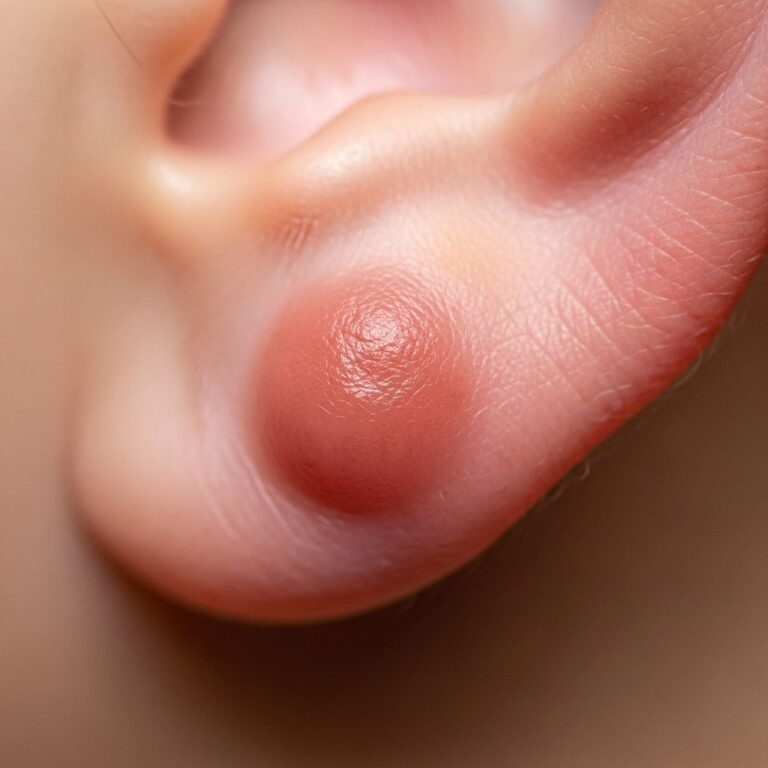
MRSA skin infections typically begin subtly but progress rapidly. Initial signs include small red bumps resembling pimples, insect bites, or even spider bites—though true spider bites are rare without witnessing the arachnid. These evolve into swollen, painful abscesses or boils filled with pus, warm to the touch, and often accompanied by fever.
- Common presentations: Red, tender lumps under the skin; pus-draining sores; honey-crusted blisters on the face; or expanding warm patches on legs.
- Systemic indicators: Fever, chills, or fatigue signaling deeper involvement like bloodstream or lung infections.
Distinguishing MRSA visually from other staph infections is impossible without lab tests, underscoring the need for professional evaluation. For children or those with eczema, monitoring minor irritations closely is crucial, as infections can worsen quickly.
Pathways of Transmission in Daily Life
MRSA spreads primarily through direct contact with infected skin, open wounds, or contaminated objects. Skin-to-skin transmission occurs in crowded settings like gyms, schools, or sports teams, where shared equipment or towels facilitate transfer.
Indirect spread happens via surfaces harboring the bacteria, such as gym benches, clothing, or bandages. Carriers—people harboring MRSA without symptoms—can unknowingly pass it on, potentially developing infections later. Risk factors amplify in groups with close contact, poor hygiene, or skin vulnerabilities.
| Transmission Type | Examples | High-Risk Settings |
|---|---|---|
| Skin-to-Skin | Touching sores or wounds | Sports, daycare |
| Object-Mediated | Shared towels, razors | Gyms, households |
| Surface Contact | Contaminated benches | Public facilities |
Seeking Timely Medical Intervention
Prompt care prevents complications. Consult a doctor for any worsening skin issue: persistent redness, increasing pain, pus, or fever. Minor cases may resolve with incision and drainage alone, avoiding antibiotics to curb resistance.
Related Stories



For moderate infections, oral antibiotics like clindamycin, doxycycline, or trimethoprim-sulfamethoxazole target community MRSA effectively. Hospitalized patients with severe cases receive intravenous options such as vancomycin or daptomycin, alongside debridement. Children with impetigo or eczema superinfections benefit from topical mupirocin.
Lab cultures guide therapy, ensuring specificity. Empiric treatment covers MRSA in non-responding cellulitis or systemic illness.
Comprehensive Treatment Approaches
Treatment varies by severity and site:
- Uncomplicated abscesses: Drainage suffices; antibiotics if extensive or systemic signs present.
- Cellulitis: 5-10 days empiric therapy, adjusting per cultures.
- Invasive cases: Surgical intervention plus broad-spectrum IV drugs.
- Pediatric care: Avoid tetracyclines under age 8; prioritize topicals.
Recurrent infections warrant hygiene reinforcement and possible decolonization protocols.
Proven Strategies to Prevent MRSA
Prevention hinges on hygiene and barriers. Maintain skin integrity, clean wounds promptly, and cover them.
- Wash hands frequently with soap, especially before eating or touching face.
- Avoid sharing personal items like towels or razors.
- Shower post-activity with soap; launder gear in hot water.
- Use barriers on shared surfaces.
For high-risk individuals, daily chlorhexidine baths or dilute bleach soaks reduce bacterial load.
Managing Recurrent or Persistent MRSA
Repeated infections signal colonization, often in nostrils or skin folds. Decolonization involves 5-day mupirocin nasal ointment and antiseptic washes like Hibiclens. Instructions include:
- Apply mupirocin thinly to nostrils twice daily.
- Bathe daily with chlorhexidine.
- Continue hygiene post-treatment.
Bleach baths (1/2 cup in tub) weekly help eczema patients lower skin bacteria. Consult providers before starting.
Special Considerations for Eczema and Vulnerable Groups
Eczema compromises the skin barrier, elevating MRSA risk during flares. Moisturize diligently, treat flares swiftly, and monitor for superinfection signs. Athletes, children, and immunocompromised individuals need vigilant prevention.
Frequently Asked Questions (FAQs)
Is MRSA always serious?
Most are skin-limited and treatable, but untreated cases can invade deeper tissues.
Can I treat MRSA at home?
No—drainage requires professionals; self-treatment risks spread.
How do I know if my infection is MRSA?
Cultures confirm; symptoms mimic regular staph.
Does MRSA affect children differently?
Yes, often impetigo-like; topicals first-line.
Can MRSA return after treatment?
Yes, via recolonization; hygiene prevents recurrence.
Armed with knowledge, individuals can minimize MRSA threats through proactive care.
References
- Methicillin-resistant Staphylococcus aureus (MRSA) Basics — Centers for Disease Control and Prevention. 2023. https://www.cdc.gov/mrsa/about/index.html
- MRSA infection – Symptoms & causes — Mayo Clinic. 2023-10-15. https://www.mayoclinic.org/diseases-conditions/mrsa/symptoms-causes/syc-20375336
- A Parent’s Guide to MRSA in California: What You Need To Know — Shasta County Public Health. 2022. https://www.shastacounty.gov/media/34566
- MRSA Information – Infection Prevention — Thompson Health. 2023. https://www.thompsonhealth.com/Education/Infection-Prevention/MRSA-Information
- IDSA Guidelines on the Treatment of MRSA Infections in Adults and Children — American Academy of Family Physicians. 2011-08-15. https://www.aafp.org/pubs/afp/issues/2011/0815/p455.html
- MRSA Infection: Guide to MRSA Spread, Treatment, and Prevention — ID Care. 2023. https://idcare.com/blog/mrsa-infection-what-it-is-how-it-spreads-and-how-to-avoid-getting-infected/
- MRSA (Methicillin-resistant Staph aureus) Decolonization — Children’s Minnesota. 2023. https://www.childrensmn.org/educationmaterials/childrensmn/article/21792/mrsa-methicillin-resistant-staph-aureus-decolonization/
Similar Articles








Read full bio of Sneha Tete