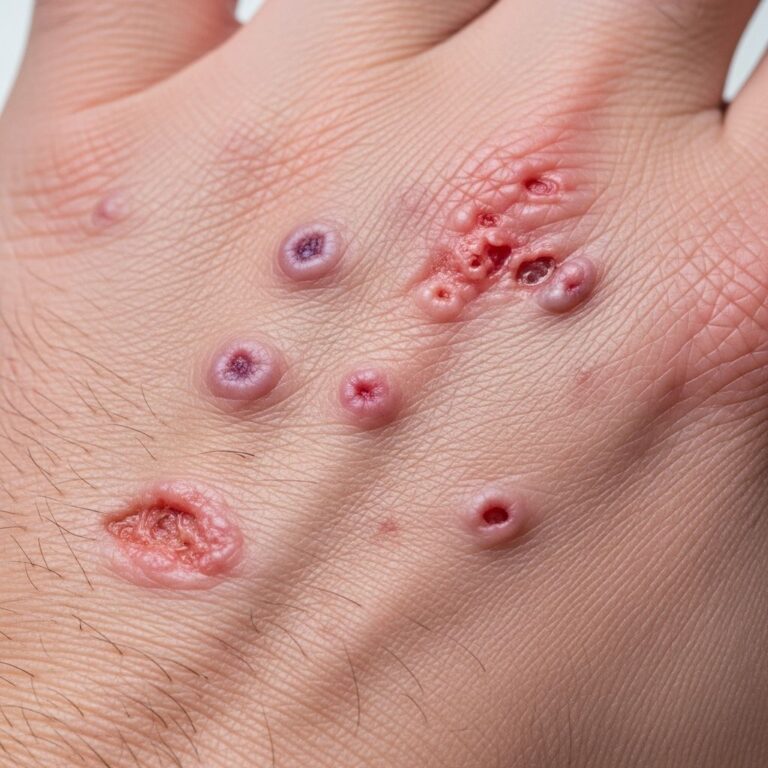
MRSA Prevention: 10 Ways to Protect Yourself
Learn 10 essential strategies to prevent MRSA infections in hospitals, communities, and everyday life for better health protection.

Methicillin-resistant Staphylococcus aureus (MRSA) is a type of staph bacteria resistant to many antibiotics, causing infections ranging from skin boils to life-threatening conditions like pneumonia or bloodstream infections. MRSA accounts for about 10% of hospital-associated infections in the U.S., with certain cases rising by up to 41% during the pandemic after prior declines. While anyone can carry or get MRSA, prevention through hygiene, wound care, and infection control is key to reducing transmission.
This article outlines
10 practical ways
to prevent MRSA, drawing from updated hospital guidelines, community strategies, and public health recommendations. Implementing these can significantly lower risks in healthcare facilities, communities, schools, sports, and daily life.What Is MRSA?
MRSA is a strain of staph bacteria that has developed resistance to methicillin and other beta-lactam antibiotics. It spreads via person-to-person contact, contaminated surfaces, or shared items, thriving in crowded or high-contact environments. There are two main types: healthcare-associated MRSA (HA-MRSA), common in hospitals among older adults or those with prolonged stays, invasive procedures, or antibiotic use; and community-associated MRSA (CA-MRSA), often affecting younger people through skin contact, cuts, or shared equipment.
Risk factors for HA-MRSA include long hospital stays, age over 65, wounds, hemodialysis, and broad-spectrum antibiotic exposure. For CA-MRSA, the ‘5 C’s’—crowding, skin-to-skin contact, cuts/abrasions, contaminated items, and lack of cleanliness—increase vulnerability. Carriers (colonized individuals) may not show symptoms but can transmit the bacteria, making surveillance and decolonization crucial in high-risk settings.
10 Ways to Prevent MRSA
Prevention focuses on basic infection control, antimicrobial stewardship, and targeted measures. Updated guidelines from medical organizations emphasize hand hygiene, contact precautions, and avoiding unnecessary antibiotics as foundational practices.
1. Practice Proper Hand Hygiene
Wash hands frequently with soap and water for at least 20 seconds or use alcohol-based hand sanitizer (at least 60% alcohol). This is the most effective way to prevent MRSA spread, as the bacteria transmits through direct contact. Healthcare workers must clean hands before and after patient contact; patients and visitors should do the same. In communities, emphasize this during sports, schools, and shared facilities.
2. Keep Wounds Covered and Clean
Cover cuts, scrapes, or sores with clean, dry bandages until healed. CA-MRSA often starts as skin infections from uncovered abrasions in contact sports or crowded settings. Clean wounds promptly with soap and water, and seek medical care if signs of infection (redness, pus, fever) appear.
3. Avoid Sharing Personal Items
Do not share towels, razors, clothing, or sports gear, as these can harbor MRSA. In athletic settings, provide individual equipment and disinfect shared items daily with EPA-registered disinfectants. Launder items in hot water (>160°F) and dry thoroughly.
4. Maintain Personal Cleanliness
Shower regularly, especially after sports or sweating. Encourage showering post-activities in gyms or schools to remove bacteria from skin. Use antibacterial soap if advised, but regular soap suffices for most prevention.
5. Clean and Disinfect Surfaces
Wipe down high-touch surfaces like gym equipment, locker room benches, and healthcare tools with EPA-approved disinfectants. Hospitals must clean patient rooms, shared medical devices (e.g., blood pressure cuffs), and environments routinely. Scheduled cleaning prevents environmental transmission.
Related Stories



6. Use Contact Precautions in Healthcare
In hospitals, use gowns and gloves for patients with known MRSA colonization or infection. Isolate in single rooms if possible, minimize transport, and dedicate equipment. Recent guidelines retain this as essential but allow risk-assessed modifications with monitoring.
7. Practice Antimicrobial Stewardship
Only take antibiotics when prescribed and complete the full course. Unnecessary use promotes resistance and increases MRSA infection risk in colonized individuals. Ask doctors about pre-surgery decolonization or if catheters are still needed.
8. Screen and Decolonize High-Risk Patients
Hospitals should screen for MRSA colonization (e.g., nasal swabs) in at-risk groups and use decolonization protocols like mupirocin ointment or chlorhexidine baths. This reduces transmission in acute care.
9. Promote Safe Practices in Communities and Sports
In schools, educate on hygiene without excluding carriers; report outbreaks to health departments. For athletes, ban participation with uncovered lesions, provide sanitizers, and clean facilities daily. Jails and gyms should house those with poor hygiene separately if feasible.
10. Stay Vigilant as a Patient
Remind healthcare workers to wash hands, ask about infection prevention before surgery, and report skin issues early. Track HAIs and follow facility protocols to curb spread.
MRSA Prevention in Specific Settings
| Setting | Key Prevention Measures |
|---|---|
| Hospitals | Hand hygiene, contact precautions, surveillance, stewardship, decolonization |
| Communities/Schools | Hand washing education, no exclusion of carriers, outbreak reporting |
| Sports/Athletics | Showering post-activity, equipment disinfection, cover lesions |
| Jails/Prisons | Hygiene education, separate poor hygiene cases, daily cleaning |
Frequently Asked Questions (FAQs)
What does MRSA look like?
MRSA often appears as red, swollen, painful bumps resembling spider bites or pimples that may ooze pus. Deeper infections can cause fever or cellulitis.
Can healthy people get MRSA?
Yes, CA-MRSA affects healthy individuals via skin contact or cuts, especially in crowded or contact-heavy environments.
Is MRSA curable?
Most skin infections are treatable with drainage or alternative antibiotics (e.g., vancomycin), but severe cases require hospitalization.
Should schools close for MRSA?
No, focus on hygiene and education; closing is not recommended by health departments.
How do hospitals prevent MRSA?
Through hand hygiene, precautions, cleaning, surveillance, and stewardship per updated compendium guidelines.
References
- Updated Guidance Shows How Hospitals Should Protect Patients from Resistant Infections — Society for Healthcare Epidemiology of America (SHEA). 2023. https://shea-online.org/updated-guidance-shows-how-hospitals-should-protect-patients-from-resistant-infections/
- Methicillin-Resistant Staphylococcus Aureus (MRSA) — Florida Department of Health. 2024. https://www.floridahealth.gov/diseases-and-conditions/disease/methicillin-resistant-staphylococcus-aureus-mrsa/
- Methicillin-Resistant Staphylococcus aureus — StatPearls, NCBI Bookshelf, National Center for Biotechnology Information. 2023-10-01. https://www.ncbi.nlm.nih.gov/books/NBK482221/
- Methicillin-resistant Staphylococcus aureus (MRSA) Basics — Centers for Disease Control and Prevention (CDC). 2024. https://www.cdc.gov/mrsa/about/index.html
Similar Articles








Read full bio of Sneha Tete