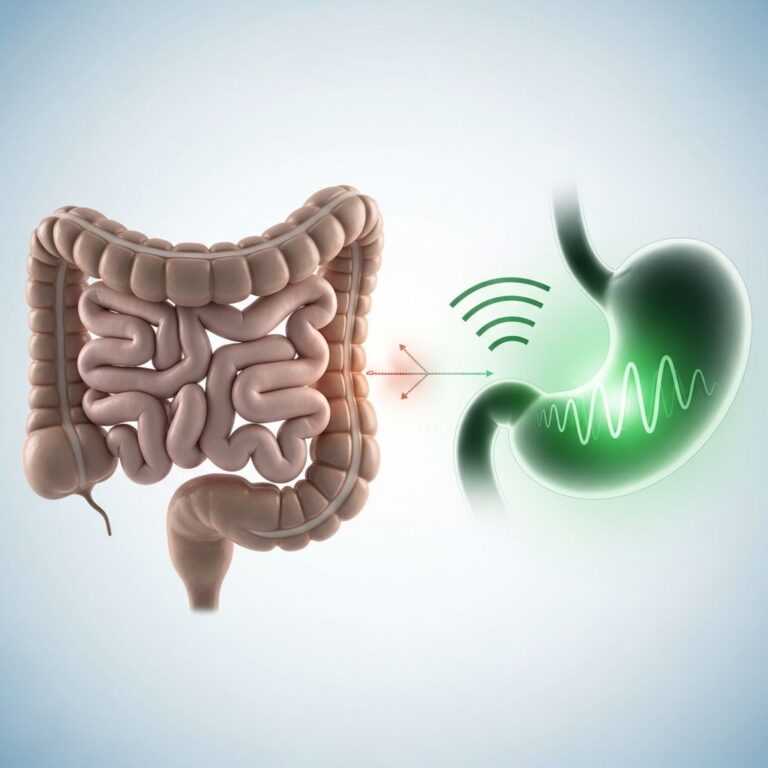
Mucosa: 5 Essential Functions And Where It’s Located
Understanding mucosa: Your body's protective barrier and its vital functions.
What Is Mucosa?
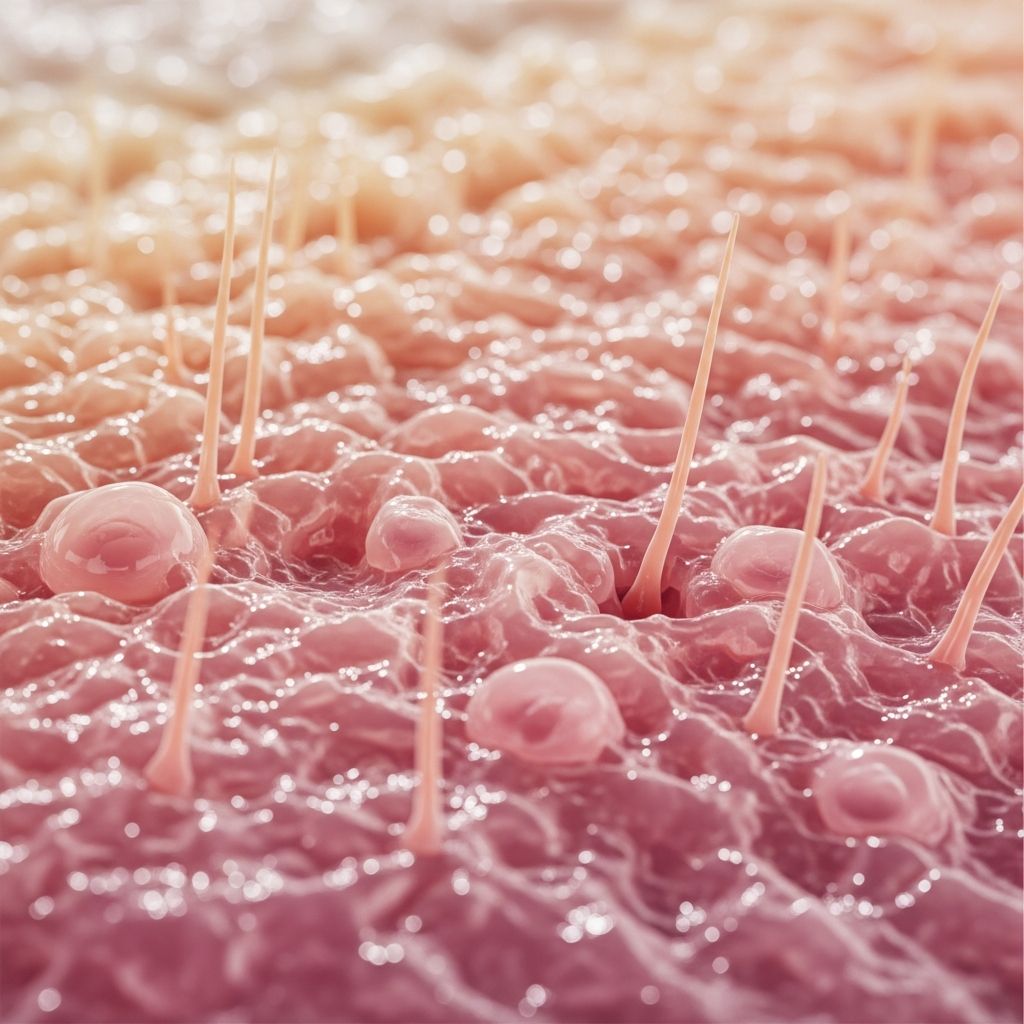
Mucosa, also known as a mucous membrane, is a specialized tissue that lines the cavities and canals throughout your body. This three-layered membrane represents one of your body’s most important protective barriers, serving as the first line of defense against harmful pathogens and environmental irritants. The mucosa secretes mucus, a sticky substance that plays a crucial role in capturing invaders like germs and facilitating their removal from your body.
The mucosa is found lining various body systems including your respiratory tract, digestive system, urinary system, and reproductive organs. Each location has specialized mucosa adapted to perform unique functions specific to that body system. Understanding the structure and function of mucosa is essential to appreciating how your body maintains health and protects itself from disease.
Where Is Mucosa Located?
Mucosa exists in multiple locations throughout your body, each adapted to specific physiological needs:
– Mouth and oral cavity- Throat (pharynx) and esophagus- Stomach and small intestine- Large intestine (colon) and rectum- Respiratory tract (nose, trachea, bronchi)- Urinary bladder and urethra- Reproductive organs (vagina, uterus, fallopian tubes)- Eyes (conjunctiva)
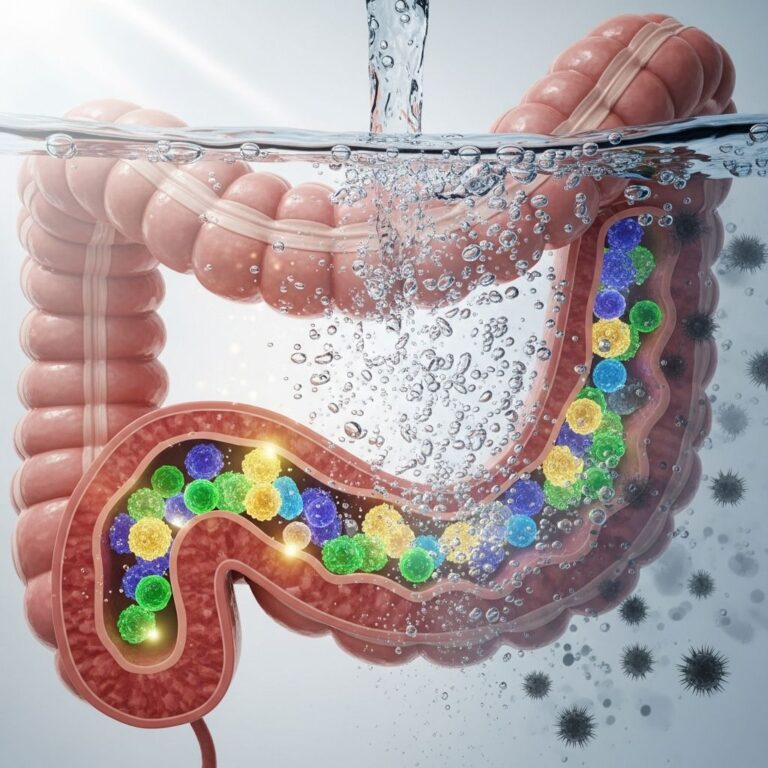
The gastrointestinal tract alone contains extensive mucosal surfaces, from your mouth through your intestines. This continuous lining creates a protective barrier that separates the contents within your digestive system from your internal tissues, preventing harmful substances from entering your bloodstream.
Structure of Mucosa
The mucosa consists of three distinct layers, each with specific functions:
Epithelium
The epithelium is the outermost layer of the mucosa, composed of specialized epithelial cells that directly contact the external environment or internal cavity. These cells are held together by tight junctions, which create a selective barrier. The epithelium undergoes rapid cell turnover, with cells continuously being shed and replaced. This rapid renewal is crucial for maintaining the protective barrier function and allows the mucosa to quickly heal from injuries and clear away abrasive particles and pathogens.
Lamina Propria
Beneath the epithelium lies the lamina propria, a layer of connective tissue containing blood vessels, lymphatic vessels, and immune cells. This layer provides nutritional support to the epithelial cells above and houses immune components that help protect against infections. The lamina propria also contains nerve endings that contribute to sensation and various glands that produce mucus and other secretions.
Muscularis Mucosae
The innermost layer of the mucosa is the muscularis mucosae, a thin layer of smooth muscle that aids in the movement and secretion functions of the mucosa. This layer helps propel contents through the digestive tract and assists in mechanical cleaning of the mucosal surface.
Functions of Mucosa
The mucosa performs multiple critical functions essential for maintaining health and bodily function:
Protective Barrier
The primary function of mucosa is to act as a protective barrier between your internal tissues and potentially harmful external substances. The mucus layer traps pathogens, toxins, and irritating particles, preventing them from reaching the underlying tissues. This barrier function is particularly important in the digestive tract, where it protects against harmful bacteria and digestive enzymes.
Related Stories



Mucus Production and Secretion
Specialized cells within the mucosa produce and secrete mucus, a thick, viscous fluid composed primarily of water, electrolytes, and glycoproteins called mucins. This mucus layer provides lubrication, facilitating the movement of contents through the digestive and respiratory tracts. In the respiratory system, mucus traps inhaled particles and pathogens. In the digestive system, mucus protects the stomach lining from its own acidic secretions and aids in the smooth passage of food.
Immune Defense
The mucosa serves as a sophisticated immune defense system. It contains numerous lymphocytes and other immune cells that identify and neutralize pathogens before they can cause infection. The lamina propria houses immune cells including macrophages, dendritic cells, and lymphocytes that work together to mount immune responses. Additionally, the mucosa produces antimicrobial peptides and antibodies, including secretory IgA, which provides specific immune protection at mucosal surfaces.
Absorption and Secretion
In the gastrointestinal tract, the mucosa plays a crucial role in nutrient absorption while maintaining selective permeability. The epithelial cells absorb essential nutrients, water, and electrolytes while preventing the passage of harmful substances. The mucosa also secretes various substances including digestive enzymes, hormones, and antimicrobial compounds that support digestive function and immune defense.
Sensory Function
Mucosal tissues contain nerve endings that provide sensory information about taste, temperature, texture, and potential irritants. This sensory function helps your body respond appropriately to its environment and can trigger protective reflexes.
Mucosal Health and Maintenance
Maintaining healthy mucosa is essential for overall wellness. Several factors support optimal mucosal function:
Hydration
Adequate water intake supports mucus production and maintains the health of mucosal tissues. Proper hydration helps ensure that mucus remains appropriately viscous for optimal barrier function and pathogen trapping.
Nutrition
A balanced diet rich in vitamins and minerals supports mucosal health. Vitamin A promotes epithelial cell health and regeneration, zinc supports immune function and tissue repair, and glutamine provides essential fuel for rapidly dividing epithelial cells. Adequate protein intake ensures sufficient amino acids for tissue maintenance and immune function.
Oral Hygiene
In the oral cavity, maintaining excellent oral hygiene prevents infections and inflammatory conditions of the mucosa. Poor oral hygiene can lead to plaque and calculus deposits that irritate the mucosal tissue, potentially resulting in infection or abnormal tissue growth. Regular brushing, flossing, and professional dental care maintain the health of oral mucosa.
Stress Management
Chronic stress can compromise mucosal function and immune response. Stress reduction techniques including meditation, exercise, and adequate sleep support mucosal integrity and immune function.
Avoiding Irritants
Limiting exposure to mucosal irritants including excessive alcohol, smoking, and spicy foods helps protect mucosal tissues. These substances can damage the epithelial layer and compromise the protective barrier function.
Conditions Affecting Mucosa
Various conditions can damage or compromise mucosal function, leading to health problems:
Mucositis
Mucositis is inflammation of the mucosa that commonly occurs as a side effect of cancer treatments including chemotherapy and radiation therapy. This condition damages the epithelial cells and impairs the mucosa’s ability to regenerate, leading to painful sores and increased infection risk. Mucositis can affect any part of the gastrointestinal tract, though oral mucositis is most common.
Inflammatory Bowel Diseases
Conditions such as Crohn’s disease and ulcerative colitis involve chronic inflammation of the gastrointestinal mucosa. These autoimmune conditions damage the mucosal barrier, leading to symptoms including diarrhea, abdominal pain, and malabsorption of nutrients.
Infection
When the mucosal barrier is compromised, infections can develop. Bacterial, viral, and fungal infections can affect various mucosal surfaces, leading to symptoms and potential systemic complications.
Leaky Gut Syndrome
Dysregulation of tight junctions in the epithelial layer can result in increased intestinal permeability, often called leaky gut syndrome. This allows harmful substances and pathogens to cross the mucosal barrier and enter the bloodstream, potentially triggering inflammatory responses.
The Microbiome and Mucosal Health
The mucosa works in partnership with your gut microbiome, the ecosystem of microorganisms that inhabit your digestive tract. Beneficial bacteria help maintain mucosal integrity, produce short-chain fatty acids that nourish epithelial cells, and strengthen immune function. A healthy microbiome supports mucosal barrier function and helps prevent pathogenic bacteria from colonizing the gut. Maintaining a balanced microbiome through appropriate diet, including prebiotic and probiotic foods, supports optimal mucosal health.
Supporting Mucosal Health
Several evidence-based strategies can enhance and protect mucosal function:
Dietary Considerations
Consuming foods rich in mucilaginous compounds such as bone broth, okra, and flaxseeds may support mucosal health. Anti-inflammatory foods including fatty fish rich in omega-3 fatty acids, colorful vegetables high in antioxidants, and fruits provide nutrients that support mucosal healing and immune function.
Probiotic and Prebiotic Foods
Fermented foods including yogurt, kefir, sauerkraut, and kimchi contain beneficial bacteria that support mucosal health. Prebiotic foods including garlic, onions, asparagus, and bananas provide fiber that feeds beneficial bacteria and promotes a healthy microbiome.
Stress Reduction and Sleep
Prioritizing sleep and implementing stress reduction techniques supports immune function and mucosal integrity. During sleep, your body repairs tissues and strengths immune defenses.
Regular Exercise
Physical activity promotes circulation, supports immune function, and helps maintain a healthy microbiome. Even moderate exercise such as daily walking supports mucosal health.
Frequently Asked Questions
Q: What is the difference between mucosa and mucus?
A: Mucosa is the tissue lining, a three-layered membrane that lines body cavities and organs. Mucus is the sticky secretion produced by cells within the mucosa. Mucosa is the structure; mucus is the substance it produces.
Q: How quickly does the mucosa regenerate?
A: The epithelial cells of the mucosa have a rapid turnover rate, with complete replacement occurring every 3 to 5 days in the gastrointestinal tract. This rapid renewal is essential for maintaining barrier function and quickly healing from injuries.
Q: Can mucosa be permanently damaged?
A: While mucosa has remarkable regenerative capacity, severe or repeated damage can potentially lead to chronic changes. However, most mucosal damage heals completely once the damaging stimulus is removed and appropriate supportive care is provided.
Q: How does the mucosa protect against infection?
A: The mucosa protects against infection through multiple mechanisms including the physical barrier created by epithelial cells and tight junctions, the mucus layer that traps pathogens, antimicrobial peptides and antibodies, and resident immune cells that mount immune responses against pathogens.
Q: What should I eat if I have mucosal inflammation?
A: During mucosal inflammation, consume soft, bland foods that don’t irritate the tissues, such as broths, smoothies, and cooked vegetables. Avoid spicy foods, alcohol, and other irritants. Stay well-hydrated and consider foods with anti-inflammatory properties such as turmeric and ginger.
Q: How does aging affect the mucosa?
A: With aging, mucosa may become thinner and produce less mucus, potentially compromising barrier function. This can increase susceptibility to infections and conditions affecting mucosal surfaces. Maintaining good nutrition and hydration supports mucosal health during aging.
References
- Immune System Function, Conditions & Disorders — Cleveland Clinic. 2024. https://my.clevelandclinic.org/health/body/21196-immune-system
- Stomach: Anatomy, Function, Diagram, Parts Of, Structure — Cleveland Clinic. 2024. https://my.clevelandclinic.org/health/body/21758-stomach
- Mucositis: Types, Symptoms & Treatment — Cleveland Clinic. 2024. https://my.clevelandclinic.org/health/diseases/24181-mucositis
- Multifunctional Role of 35 Kilodalton Hyaluronan in Promoting Intestinal Barrier Function — National Institutes of Health. 2018. https://pmc.ncbi.nlm.nih.gov/articles/PMC5958379/
- What Is Your Gut Microbiome? — Cleveland Clinic. 2024. https://my.clevelandclinic.org/health/body/25201-gut-microbiome
- Mucus in Stool (Poop) — Cleveland Clinic. 2024. https://my.clevelandclinic.org/health/symptoms/mucus-in-stool
Similar Articles








Read full bio of Sneha Tete