Mucous Membrane Pemphigoid: Causes, Symptoms, and Treatment
Complete guide to mucous membrane pemphigoid: understanding symptoms, diagnosis, and effective treatment options.
Mucous Membrane Pemphigoid: A Comprehensive Clinical Overview
Mucous membrane pemphigoid (MMP), also known as cicatricial pemphigoid, is a rare chronic autoimmune blistering disorder that primarily affects the mucous membranes lining various parts of the body. This condition is characterized by painful blistering lesions that can lead to significant complications if left untreated. Understanding this disease is crucial for early diagnosis and effective management, as prompt intervention can prevent serious complications and reduce long-term scarring.
What Is Mucous Membrane Pemphigoid?
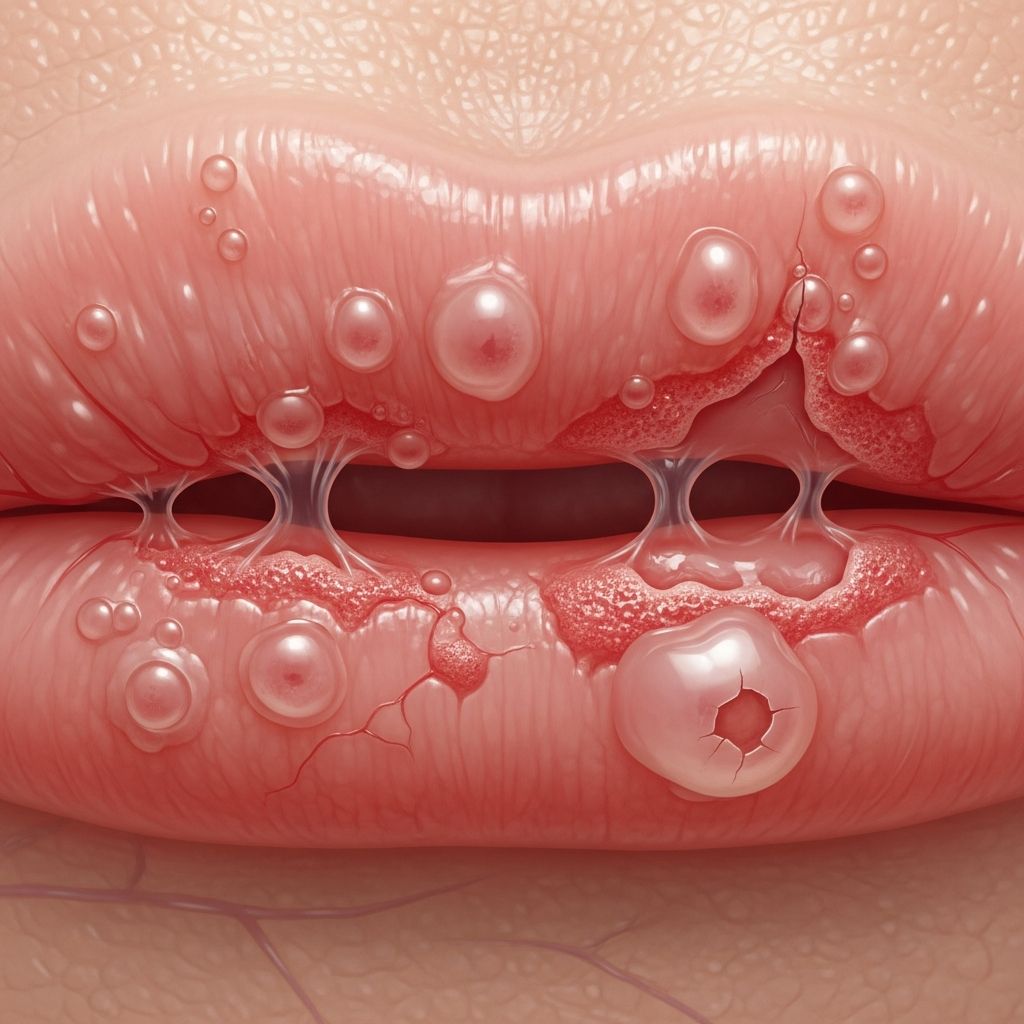
Mucous membrane pemphigoid is an autoimmune blistering disorder wherein the immune system mistakenly attacks the basement membrane zone—the structural component that anchors the epidermis to the dermis. This results in the formation of subepithelial bullae, or fluid-filled blisters that develop beneath the outer layer of mucous membranes. The condition affects multiple mucosal surfaces throughout the body, making it a complex disease that requires comprehensive management.
Affected Mucous Membranes and Body Sites
MMP can involve numerous mucous membrane surfaces, though the severity and extent of involvement vary considerably between individuals. The primary sites affected include:
- Oral cavity (mouth)
- Conjunctiva and ocular surfaces (eyes)
- Nasopharynx and nasal passages
- Larynx (voice box)
- Esophagus (food pipe)
- Genitourinary tract
- Anus and rectum
- Skin surfaces
The variability in clinical presentation means that each patient may experience different combinations of mucosal involvement. This diversity in presentation underscores the importance of thorough clinical evaluation and individualized treatment planning.
Clinical Presentation and Symptoms
The primary symptom of mucous membrane pemphigoid is the development of
painful blistering
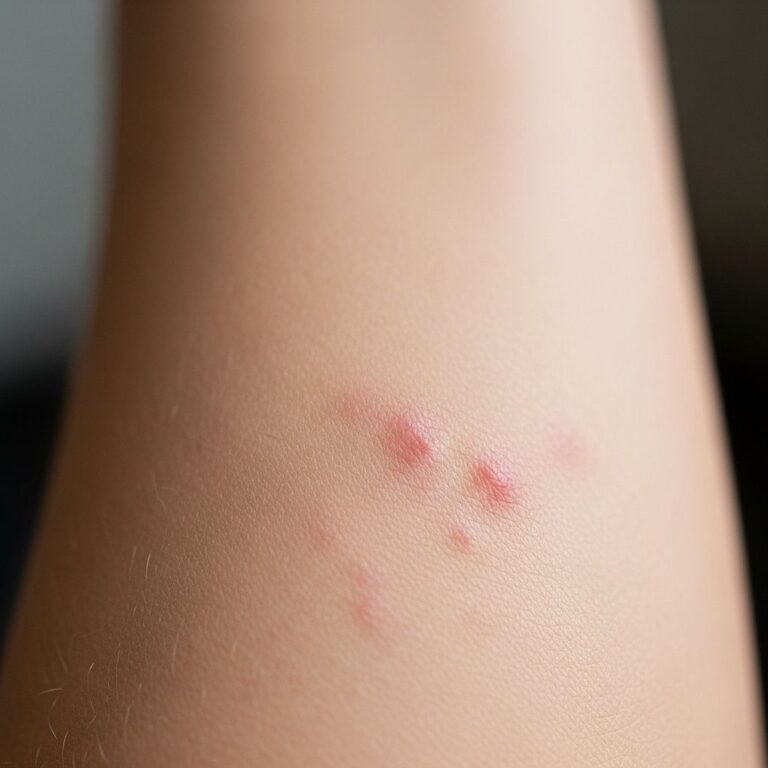
that causes redness, swelling, and breakdown of the affected mucous membranes. These symptoms can be debilitating and significantly impact quality of life. Patients commonly report:- Painful oral ulcers and blistering
- Difficulty eating or swallowing
- Eye discomfort, redness, and ocular surface disease
- Nasal crusting and erosions
- Throat symptoms and hoarseness
- Genital discomfort and lesions
- Skin involvement with blistering and erosions
The chronic nature of this disease means that symptoms may persist for extended periods, requiring ongoing management and monitoring. Early recognition and treatment are essential to prevent disease progression and complications.
Autoimmune Mechanisms and Pathophysiology
Mucous membrane pemphigoid occurs when the immune system attacks the mucous membranes and causes blisters and sores. Various basement membrane zone components have been identified as targets of autoantibodies in MMP, explaining the blistering pattern characteristic of this condition. The autoimmune attack results in the separation of the epidermis from the underlying dermis at the basement membrane zone, creating the subepithelial bullae that define the histopathology of this disease.
The exact triggers for this autoimmune response remain incompletely understood, although certain factors may predispose individuals to disease development. Understanding these mechanisms has been crucial for developing targeted therapeutic approaches that address the underlying immune dysfunction.
Related Stories



Diagnosis of Mucous Membrane Pemphigoid
Accurate diagnosis of MMP is essential for initiating appropriate treatment and preventing complications. The diagnostic process typically involves multiple complementary approaches:
Clinical Examination
Diagnosis of MMP rests mainly upon clinical findings combined with specialized immunofluorescence studies. Healthcare providers assess the distribution and characteristics of blisters and erosions across affected mucous membranes.
Histopathologic Examination
Histopathologic examination reveals a
subepithelial blister
with a variable inflammatory cell infiltrate. This finding is characteristic of pemphigoid diseases and helps distinguish MMP from other blistering conditions.Direct Immunofluorescence
Direct immunofluorescence of perilesional mucosa or skin is
essential for diagnosis
. This test reveals linear deposition of IgG, C3, or less commonly IgA along the basement membrane zone. The pattern of immunoglobulin and complement deposition is characteristic of MMP and confirms the autoimmune nature of the disease.Tissue Samples
Doctors diagnose mucous membrane pemphigoid by examining tissue samples under a microscope. Biopsies obtained from active lesions or perilesional areas provide the histologic and immunologic information necessary for definitive diagnosis.
Risk Stratification: Low-Risk and High-Risk Groups
The First International Consensus on MMP in 2002 recommended dividing patients into risk categories to guide treatment intensity:
| Risk Category | Definition | Treatment Approach |
|---|---|---|
| Low-Risk | Only oral mucosal or oral and skin involvement | Topical treatments; low-dose systemic therapy if needed |
| High-Risk | Involvement of ocular, genital, nasopharyngeal, esophageal, and/or laryngeal mucosae | Aggressive systemic therapy required |
High-risk patients require more intensive treatment because involvement of certain mucosal surfaces can lead to serious complications, including vision loss, difficulty swallowing, and airway obstruction.
Comprehensive Treatment Strategies
Treatment of mucous membrane pemphigoid is multifaceted and depends on the sites of involvement, clinical severity, and disease progression. A multidisciplinary approach is essential in the management of MMP, often requiring input from dermatologists, otolaryngologists, ophthalmologists, and gastroenterologists.
Primary Treatment Goals
The primary aim of treatment is to
stop blister formation, promote healing and prevent scarring
. These objectives guide the selection and sequencing of therapeutic agents.Topical Treatments
For mild cases, topical treatment alone is appropriate, particularly in cases of mild, isolated oral mucous membrane pemphigoid. Targeted topical steroid treatments to manage specific body sites are an important part of management strategies.
The most effective topical steroid gels include fluocinonide and clobetasol applied 2-3 times daily. Steroid rinses and mouthwashes are also effective for hard-to-reach areas. For ocular surface disease, treatment consists of daily or twice daily warm compresses, followed by eyelid scrubs with diluted baby shampoo. Nightly application of topical antibiotic ointment such as erythromycin or bacitracin is helpful.
Mild-to-Moderate Disease
For mild-to-moderate cases, primary treatment includes
dapsone
, methotrexate, or tetracyclines (with or without topical corticosteroids). Consideration of short-term low-dose systemic corticosteroids may be considered as an adjuvant to topical treatments.Dapsone and other sulfa-based medications help when MMP is mild. Some individuals find success with tetracycline and nicotinamide, though any antibiotic course needs to be closely monitored by a doctor. Before beginning dapsone therapy, blood tests are necessary to establish baseline values.
A combination of doxycycline and nicotinamide taken by mouth represents another effective option for moderate disease.
Severe Disease and Systemic Therapy
For more severe disease or with rapid progression,
systemic corticosteroids are the agents of choice for initial treatment
, combined with steroid-sparing agents for long-term maintenance. Prednisone is usually given at a dose of 1–1.5 mg/kg/day, with appropriate monitoring for side effects, typically lasting several months.Failure to develop marked improvement within approximately 3 months should prompt consideration of another agent such as azathioprine, methotrexate, or cyclophosphamide if the disease is affecting a high-risk site such as the ocular surface.
Immunosuppressive Medications
For severe symptoms, providers may recommend dapsone and oral or IV cyclophosphamide (with or without oral corticosteroids).
Immunosuppressive drugs
such as mycophenolate mofetil, cyclophosphamide, or azathioprine can help quell the intense immune system response that causes MMP.There is evidence that cyclophosphamide is more effective than dapsone in controlling disease, though large controlled studies are lacking. Awareness of the potential adverse effects of cyclophosphamide is critical to allow appropriate monitoring during therapy.
For patients with severe mucous membrane pemphigoid, high doses of prednisone may be combined with other immunosuppressants such as rituximab, azathioprine, mycophenolate mofetil, or cyclophosphamide and immune globulin given intravenously.
Refractory Disease
Occasionally, patients present with progressive, recalcitrant disease despite treatment. For patients that fail therapy with systemic steroids and cyclophosphamide, or for those with rapidly progressive disease,
high-dose intravenous immunoglobulin (IVIG)
offers a therapeutic alternative.Over the last decade, there has been increased use of IVIG in the treatment of autoimmune and inflammatory skin diseases. Multiple different theories explain the mechanisms of action of IVIG, including blockage of Fc receptors, alteration of cytokine production, cytokine antagonism, inhibition of complement-mediated damage, and neutralization of circulating autoantibodies.
Site-Specific Management Considerations
Ocular Involvement
For significant conjunctival or corneal inflammation, topical steroids in combination with an antibiotic are useful. For significant meibomian gland disease with inspissation and inflammation, oral tetracycline or doxycycline is often used.
Serious ocular complications require prompt intervention. Microbial keratitis may occur due to a combination of factors including ocular surface disease, dry eye, corneal exposure, and corneal anesthesia. Prompt culture and institution of broad spectrum topical antibiotics are essential for prevention of corneal perforation and subsequent endophthalmitis.
Corneal perforation may also occur due to dry eye, particularly in combination with ocular surface inflammation, and requires immediate intervention. Treatment options include procedures such as suturing, cyanoacrylate glue with bandage contact lens placement, and corneal grafting.
Upper Aerodigestive System
Upper aerodigestive complications of disease include atrophic rhinitis, crusting, erosions, synechiae, stenoses, and potentially life-threatening laryngeal stenosis. Treatment of nasal manifestations may include local steroids and irrigation. Patients should be questioned regarding any nose and throat symptoms and referred for otolaryngology consultation.
Dysphagia due to esophageal strictures may occasionally occur and can be treated with esophageal dilation.
Disease Course and Prognosis
MMP is a chronic disease with no cure, though remission is possible. However, MMP is difficult to treat successfully, and the effects of scarring can be profound and long-lasting. Early recognition and treatment may decrease disease-related complications, making prompt diagnosis essential.
Multidisciplinary Management Approach
Mucous membrane pemphigoid is a particularly difficult disease to treat as it can affect so many different parts of the body. Management often requires multidisciplinary input from multiple specialties depending on site and severity of symptoms. This collaborative approach ensures comprehensive care addressing all affected sites and optimizing outcomes for each patient.
Frequently Asked Questions
Q: What is the difference between mucous membrane pemphigoid and bullous pemphigoid?
A: Unlike MMP, bullous pemphigoid (BP) does not typically attack mucous membranes and usually heals on its own without scarring. MMP is distinguished by its involvement of multiple mucous membranes and its potential for serious scarring complications.
Q: Can mucous membrane pemphigoid be cured?
A: MMP is a chronic disease with no cure, but remission is possible with appropriate treatment. The goal of therapy is to control symptoms, prevent further blister formation, and minimize scarring complications.
Q: How long does treatment for mucous membrane pemphigoid typically last?
A: Treatment duration varies depending on disease severity and response. Systemic corticosteroid therapy typically lasts several months. Once the disease is under control, alternative drugs are used to replace steroids for long-term maintenance.
Q: Are there any complications associated with long-term MMP?
A: Yes, complications can be serious and include corneal scarring and blindness with ocular involvement, laryngeal stenosis affecting breathing and speech, esophageal strictures causing swallowing difficulties, and genital scarring. Early aggressive treatment helps prevent these complications.
Q: What should I do if I experience symptoms related to my MMP?
A: If you feel pain, burning or other symptoms related to the eyes, throat, nose, skin or genital area, you should contact your specialist and primary care doctor. Prompt communication with healthcare providers helps prevent serious complications.
Conclusion
Mucous membrane pemphigoid is a complex autoimmune blistering disorder requiring comprehensive understanding and individualized management. Through accurate diagnosis, risk stratification, and multidisciplinary treatment approaches, healthcare providers can effectively control symptoms, prevent scarring complications, and improve patient outcomes. Patients with suspected MMP should seek prompt evaluation and establish care with experienced specialists to ensure optimal disease management and quality of life.
References
- Treatment strategies in mucous membrane pemphigoid — National Center for Biotechnology Information (NCBI). 2008-10-15. https://pmc.ncbi.nlm.nih.gov/articles/PMC2500254/
- Mucous Membrane Pemphigoid — University of Florida Health, Department of Dermatology. 2024. https://ucfhealth.com/our-services/dermatology/mucous-membrane-pemphigoid/
- Mucous Membrane Pemphigoid – Skin Disorders — Merck Sharp & Dohme Corp. (MSD Manuals). 2024-01-15. https://www.msdmanuals.com/home/skin-disorders/blistering-diseases/mucous-membrane-pemphigoid
- S2k Guideline for the diagnosis and treatment of mucous membrane pemphigoid — Wiley Online Library. 2022-05-10. https://onlinelibrary.wiley.com/doi/10.1111/ddg.14905
- Mucous Membrane Pemphigoid — DermNet New Zealand. 2024. https://dermnetnz.org/topics/mucous-membrane-pemphigoid
- Mucous Membrane Pemphigoid Patient Information — Brigham and Women’s Hospital, Division of Oral Medicine and Dentistry. 2023. https://www.brighamandwomens.org/assets/BWH/surgery/oral-medicine-and-dentistry/pdfs/mucous-membrane-pemphigoid-bwh.pdf
- Mucous Membrane Pemphigoid — PEM Friends UK. 2024. https://www.pemfriends.org.uk/types-of-pem/mucous-membrane-pemphigoid
Similar Articles








Read full bio of Sneha Tete