Mucus in Stool: Causes, Diagnosis & When to Seek Help
Understanding mucus in stool: Learn what's normal, causes, and when to contact your doctor.
Understanding Mucus in Stool
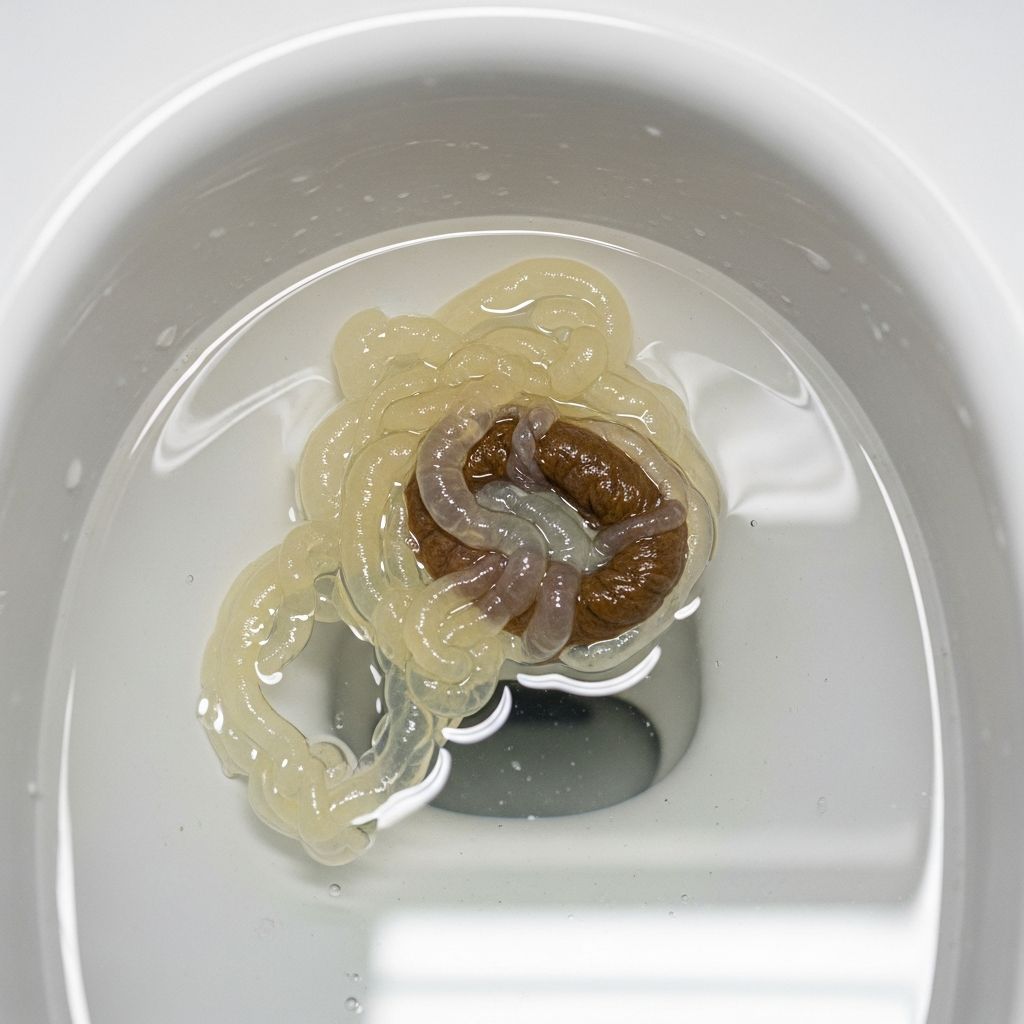
Mucus in stool is a jelly-like substance that you may see swirling around poop or clinging to it after you use the bathroom. It may look like there’s snot in the toilet bowl after you poop. While it’s normal to have some clear mucus in your stool, a flood of mucus or mucus that looks bloody, off-white, or yellowish may warrant a discussion with your healthcare provider, as it could indicate a digestive disorder or other condition affecting your gastrointestinal system.
It’s important to remember that mucus in your stool doesn’t necessarily mean you have a serious illness. However, it does indicate that something is damaging your mucosa—the lining of your intestines—which triggers a series of reactions resulting in excess mucus production. Understanding the difference between normal and abnormal mucus can help you determine when medical attention is needed.
What Is the Role of Mucus in Your Digestive System?
Mucus naturally occurs in small amounts throughout your digestive tract. This gel-like substance lubricates the lining of your intestines and stool, making it easier for food waste to pass through your colon smoothly. The mucus acts as a protective barrier and facilitates the movement of stool through your gastrointestinal tract. When your body functions normally, you may not notice this mucus at all, as the amounts are minimal and blend with your stool.
However, when certain conditions affect your digestive system, your body may produce excess mucus as a protective response. This increased production becomes visible and may appear in different colors and consistencies depending on the underlying cause. Constipation, hemorrhoids, and inflammation can all trigger your intestines to produce more mucus than usual, which you may notice as jelly-like strands of mucus sticking to toilet paper or the toilet bowl.
Common Causes of Mucus in Stool
Various digestive problems can cause more mucus to appear in your stool. Some conditions are serious and long-lasting, while others clear up quickly. Understanding the potential causes can help you recognize when professional medical evaluation is necessary.
Irritable Bowel Syndrome (IBS)
Irritable bowel syndrome affects millions of people worldwide and is one of the most common causes of visible mucus in stool. About half of people whose IBS causes diarrhea report having mucus in their stool, which may appear whitish in color. Research suggests that you may be more likely to have mucus with IBS if you also experience depression or anxiety. Sticky stool with visible mucus is particularly common in IBS sufferers, making this a hallmark symptom of the condition.
Inflammatory Bowel Diseases
Crohn’s Disease: This inflammatory bowel disease causes your digestive tract to swell and become irritated. Diarrhea and rectal bleeding are common symptoms, and when the disease is active, you might see blood or mucus in your stool. Bloody diarrhea often accompanied by mucus or pus signals that it’s time to contact your doctor. One possible complication includes a fistula, an abnormal opening around your rectum or anus through which mucus, pus, or stool can drain.
Related Stories



Ulcerative Colitis (UC): This type of inflammatory bowel disease causes sores in the intestines that can bleed and produce pus and mucus, which you might see when you use the bathroom. This is more likely to happen when your UC flares or becomes active. Ulcerative colitis also frequently causes diarrhea, abdominal pain, and cramping alongside visible mucus in stool.
Infections
Bacterial Infections: Various bacterial infections can lead to stool containing mucus. These include C. difficile (C. diff), shigella, and salmonella. Other bacterial infections that cause mucus in your stool include campylobacter, which you can contract from eating undercooked poultry or drinking raw or contaminated water, as well as Yersinia enterocolitica, caused by consuming or handling undercooked pork. With C. diff infections, your poop may smell particularly bad and will occasionally contain visible mucus.
Parasitic Infections: Parasites are tiny organisms that can cause infections in your intestinal tract. The two main types that can infect your digestive system are protozoa and helminths. Parasitic infections can cause dysentery, a disease characterized by severe diarrhea containing blood or mucus, along with nausea, vomiting, fever, cramps, and weight loss.
Food Poisoning: Certain types of food poisoning, such as those caused by salmonella and shigella bacteria, can cause diarrhea containing mucus or blood, along with other unpleasant symptoms like stomach cramps, fever, and vomiting.
Other Digestive Conditions
Allergic Colitis: This condition affects breastfeeding babies who have allergic reactions to substances like lactose or soy passed through breast milk. Allergic colitis causes inflammation of the colon, which triggers diarrhea with visible mucus.
Hemorrhoids: Also called piles, hemorrhoids are swollen veins that develop inside your rectum or around your anus. They can be painful and bloody, and when they occur around your anus, they can swell and bulge outward, leaking mucus that you may notice on your stool or toilet paper.
Cystic Fibrosis: This genetic disease causes thick and sticky mucus to build up in various parts of your body, including your lungs where it blocks airways and makes breathing difficult. It also affects your digestive system, leading to severe constipation, gas, bloating, nausea, and loss of appetite. You may have mucus with your poop that appears gray or clay-colored and smells very bad.
Diagnosing the Cause of Mucus in Stool
To find the underlying cause of mucus in your stool, your doctor will review your symptoms, health history, and your family’s medical history—since some diseases, including colorectal cancer, can run in families. Your healthcare provider may perform various tests to reach an accurate diagnosis.
Diagnostic Tests and Procedures
Fecal Tests: Your doctor may order a fecal occult blood test or fecal immunochemical test, which examines a small sample of your stool for tiny traces of blood that aren’t visible to the naked eye. Stool culture and other stool tests are used to examine your stool sample for signs of bacterial and other infections, inflammation, and pancreatic problems.
Breath Tests: Breath tests can help diagnose stomach problems such as bacterial infections and other gastrointestinal issues.
Endoscopic Procedures: Colonoscopy or sigmoidoscopy involves your doctor using a thin, flexible tube with a camera to look inside your colon. Both procedures can identify suspicious growths such as polyps that could indicate cancer and can also be used to diagnose inflammatory bowel diseases.
When Should You Contact a Healthcare Provider?
While occasional sticky stools usually aren’t something to worry about, you should contact your healthcare provider if you notice certain warning signs. Reach out to a medical professional if there’s blood in the mucus or if the mucus is off-white or yellowish. You should also seek medical care if you experience symptoms including severe abdominal pain, persistent diarrhea lasting more than a few days, fever, weight loss, or signs of dehydration.
You know your body better than anyone, so if you notice a small change like spotting mucus in the toilet after you poop, pay attention. It’s normal to have some clear mucus in your stool, but mucus that’s bloody or yellow is a reason to contact your healthcare provider. They’ll determine what’s causing the mucus and recommend appropriate treatment if needed.
Treatment Options and Management Strategies
Treatment for mucus in stool varies depending on the underlying cause and severity of the condition. Some conditions, like constipation, may resolve when the underlying condition improves. Treatment for other conditions varies based on condition type and severity. For example, if tests show you have Crohn’s disease, your provider may prescribe medications to ease symptoms. If you have severe diverticulitis, you may need surgery.
Once you know why there’s mucus in your stool, there may be steps you can take to reduce the amount of mucus. A healthcare provider may recommend that you drink more water, add more fiber to your meals, or take probiotic supplements. If you’re receiving treatment for a condition causing mucus in stool, ask your healthcare provider for suggestions before making significant changes to your daily routine, such as taking new over-the-counter medications that may interact with any prescription medications you’re taking.
Potential Complications Without Treatment
While mucus in your stool is generally a benign issue, in some cases it may be a symptom of certain diseases requiring treatment. For example, without proper diagnosis and treatment, severe or chronic diverticulitis may cause serious complications including gastrointestinal bleeding, fistula formation, perforation, abscess, or bowel obstruction. This underscores the importance of seeking medical evaluation when you notice persistent or concerning changes in your stool.
Frequently Asked Questions
Q: Is it normal to see mucus in your stool?
A: Yes, it’s normal to have some clear mucus in your stool. However, if the mucus is bloody, off-white, yellowish, or appears in large quantities, you should contact your healthcare provider.
Q: What does it mean if your mucus is white or yellow?
A: White or yellowish mucus may be a symptom of a digestive disease and warrants medical evaluation. This discoloration often indicates infection, inflammation, or other gastrointestinal conditions requiring professional assessment.
Q: Can IBS cause mucus in stool?
A: Yes, about half of people with IBS that causes diarrhea report having mucus in their stool. This is one of the most common causes of visible mucus.
Q: What should I do if I notice blood in the mucus?
A: If you notice blood in the mucus, contact your healthcare provider promptly. Bloody mucus can indicate conditions like inflammatory bowel disease, hemorrhoids, or other serious gastrointestinal issues.
Q: Can dietary changes help reduce mucus in stool?
A: Yes, your healthcare provider may recommend drinking more water, adding more fiber to your meals, or taking probiotic supplements to help manage mucus production.
Q: Does mucus in stool always indicate a serious condition?
A: No, mucus in stool doesn’t necessarily mean you have a serious illness. Common conditions like constipation or IBS can cause it, though it’s important to have persistent cases evaluated by a healthcare provider.
References
- Mucus in Stool (Poop) — Cleveland Clinic. 2024. https://my.clevelandclinic.org/health/symptoms/mucus-in-stool
- What Does It Mean to Have Mucus in Your Stool? — WebMD. 2024. https://www.webmd.com/digestive-disorders/mucus-in-poop-stool
- Irritable Bowel Syndrome (IBS): Symptoms, Causes & Treatment — Cleveland Clinic. 2024. https://my.clevelandclinic.org/health/diseases/4342-irritable-bowel-syndrome-ibs
- Ulcerative Colitis: Symptoms, Causes, Diagnosis & Treatment — Cleveland Clinic. 2024. https://my.clevelandclinic.org/health/diseases/10351-ulcerative-colitis
- C. diff (Clostridioides difficile) Infection — Cleveland Clinic. 2024. https://my.clevelandclinic.org/health/diseases/15548-c-diff-infection
- 4 Reasons Your Poop Is Sticky — Cleveland Clinic Health. 2024. https://health.clevelandclinic.org/sticky-poop
Similar Articles








Read full bio of medha deb