Mucus Plug: What It Means & What It Looks Like
Understanding the mucus plug: its role, appearance, and what it means for labor.
Understanding the Mucus Plug During Pregnancy
A mucus plug is a thick, protective collection of mucus that forms in the cervical canal early in pregnancy. It plays a crucial role in protecting your developing baby by creating a barrier between your vagina and your uterus. Understanding what the mucus plug is, how it functions, and what happens when you lose it can help you feel more confident as you approach labor and delivery.
What Is a Mucus Plug?
Your mucus plug is a thick piece of mucus that blocks the opening of your cervix during pregnancy. It forms a protective seal that prevents bacteria and other harmful organisms from entering your uterus and reaching your fetus. You can think of it as a protective barrier between your vagina and your uterus, similar to a cork in a bottle.
The mucus plug forms as a result of increased pregnancy hormones, particularly progesterone. Your cervix begins secreting a thick, jelly-like fluid that accumulates and eventually seals the cervical opening. This protective mechanism is one of your body’s natural ways of safeguarding your pregnancy.
It’s important to note that you can only form a mucus plug when you’re pregnant. The combination of hormonal changes specific to pregnancy triggers this mucus production and accumulation in the cervical canal.
The Role and Function of the Mucus Plug
The mucus plug serves several important functions during pregnancy:
Protection from infection: The primary function of the mucus plug is to prevent bacteria and other sources of infection from traveling into your uterus. By blocking the cervical opening, it creates a sterile environment for your developing baby. This protective barrier is especially important because your immune system is naturally suppressed during pregnancy, making you more vulnerable to infections.
Indicator of cervical changes: The loss of your mucus plug signals that your cervix is beginning to undergo the physical changes necessary for labor. As your body prepares for delivery, your cervix begins to soften, thin (efface), and open (dilate). These changes cause the mucus plug to dislodge from the cervix.
What Does the Mucus Plug Look Like?
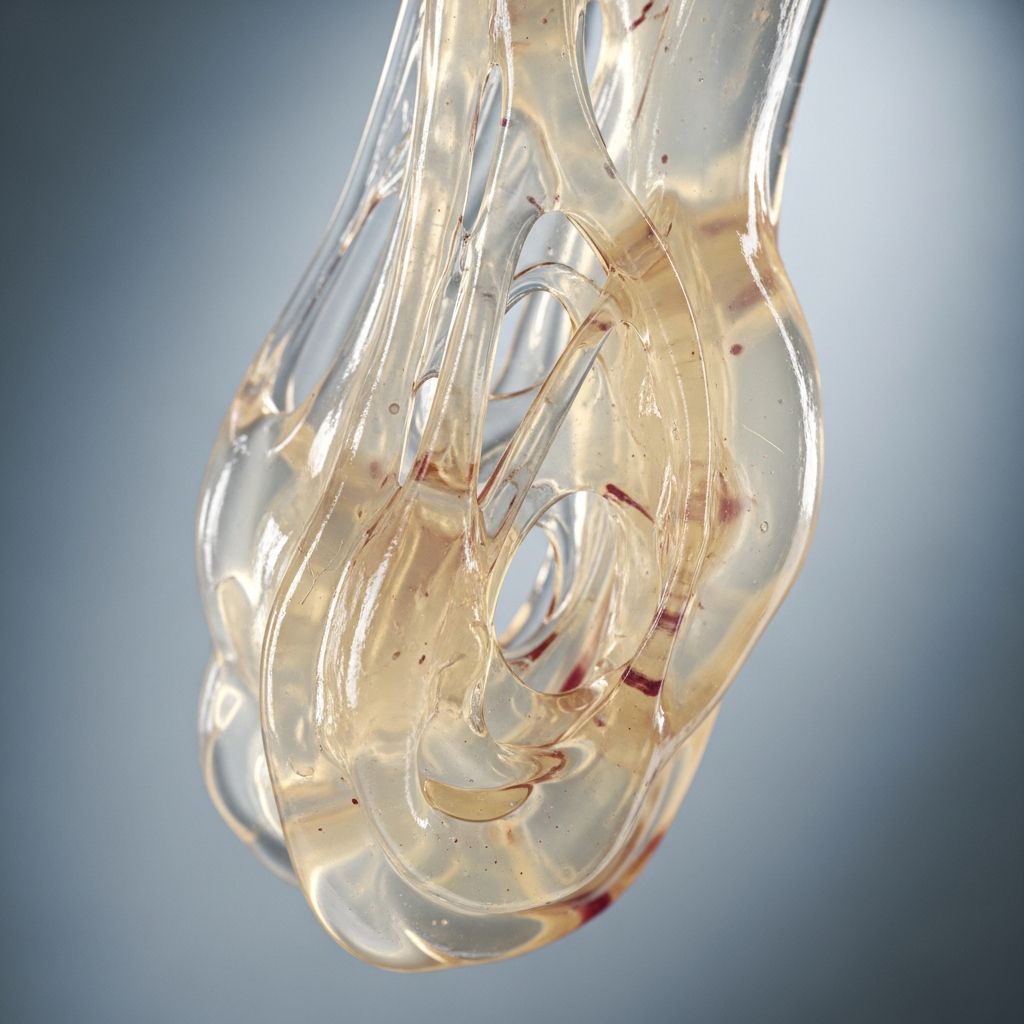
The appearance of the mucus plug can vary significantly from person to person. Understanding what to look for can help you identify when you’ve lost your mucus plug. The mucus plug is typically:
- Thick and gel-like or jelly-like in consistency
- Clear, white, off-white, or slightly pink in color
- May contain tinges of red, brown, or pink blood
- Stringy or in small clumps
- Approximately one to two inches long, enough to fill one or two tablespoons
It’s helpful to compare the appearance to mucus you might cough up when you have a cold, rather than the fluid consistency of period blood. Some women describe it as having a slightly sticky or tacky texture. A small amount of blood mixed in with the mucus is completely normal and not cause for concern.
Related Stories



Many pregnant people don’t actually notice when they lose their mucus plug. This can happen for several reasons: the mucus may come out gradually over time in small amounts, it may be released during a bathroom visit and go unnoticed, or it may simply blend in with the normal increase in vaginal discharge that occurs during pregnancy.
How and When You Lose Your Mucus Plug
As your body prepares for labor, significant changes occur in your cervix. Your cervix begins to soften (become more pliable), thin (decrease in thickness), and open (dilate). These natural preparatory changes cause the mucus plug to dislodge from the cervix, and the mucus is pushed out into your vagina. You may see it in your underwear or on toilet paper, or you may not notice it at all.
The timeline for losing your mucus plug varies considerably from person to person. You may lose it all at once in one glob, or you may lose it gradually over time, potentially never noticing it. Some women describe seeing a noticeable blob or clump of discharge, while others experience a gradual increase in thick, jelly-like discharge without a single identifiable event.
While losing your mucus plug is generally a sign that your cervix has started to dilate or efface, it does not necessarily mean labor will begin immediately. The length of time between losing your mucus plug and going into labor can vary considerably. In some cases, labor may begin within hours or days of losing the mucus plug. In other instances, you may not go into labor for several weeks after losing it.
Mucus Plug Discharge vs. Vaginal Discharge
It can sometimes be challenging to distinguish between normal pregnancy discharge and discharge from your mucus plug. An increase in vaginal discharge is completely normal during pregnancy. However, there are some key differences:
Normal pregnancy discharge: Usually thin, light yellow or white in color, and has a relatively mild odor.
Mucus plug discharge: Thicker, more jelly-like in texture, with noticeably more volume. It may be tinged with red, brown, or pink blood. The appearance is more substantial and gel-like compared to regular discharge.
Taking note of what your discharge looks like—including its color, size, and texture—can help you identify whether you’ve lost your mucus plug and provide valuable information to your healthcare provider if needed.
Distinguishing Between Mucus Plug and Bloody Show
The mucus plug and bloody show are closely related but slightly different phenomena. Both occur late in pregnancy as your cervix dilates in preparation for labor. Understanding the distinction can help you better interpret what you’re experiencing:
Mucus plug: A stringy and jelly-like collection of mucus that protects your cervix throughout pregnancy.
Bloody show: A bloody discharge that can contain small traces of mucus, resulting from blood vessels rupturing in your cervix as it expands and thins.
Because the mucus plug can contain some blood, it’s sometimes referred to as a bloody show. The presence of a small amount of blood in the discharged mucus is normal and not cause for alarm. However, if you experience heavy or bright red bleeding exceeding a couple of tablespoons, you should contact your healthcare provider immediately, as this could indicate a more serious complication such as placental abruption or placenta previa.
Side Effects and Concerns
There are no side effects from losing your mucus plug. It is a completely normal part of the pre-labor process. Losing your mucus plug can be accompanied by other symptoms of early labor, such as contractions and pelvic pressure, but the loss of the plug itself does not cause discomfort or complications.
However, certain situations warrant immediate contact with your healthcare provider. You should call your healthcare provider right away if:
- You suspect you lost your mucus plug before 37 weeks of pregnancy, as this could indicate early labor or other pregnancy complications
- You experience sudden bright red bleeding or discharge exceeding an ounce (approximately two tablespoons)
- You have concerns about any changes in your vaginal discharge
- You experience heavy bleeding at any point during pregnancy
If you’re at 37 weeks or beyond and feel no other labor symptoms, your healthcare provider may have no concerns about losing your mucus plug. However, if you’re less than 37 weeks pregnant or experiencing contractions, your healthcare provider may want to evaluate you to rule out premature labor or other complications.
When Does the Mucus Plug Come Out?
Your mucus plug typically comes out during early labor, which is the initial phase of labor consisting of your cervix softening and opening, as well as mild contractions. Early labor typically lasts until your cervix is approximately six centimeters dilated. However, your mucus plug can come out at any point during the dilation process, and timing varies widely among individuals.
Some women lose their mucus plug several weeks before labor begins, while others lose it just as active labor is starting. There is no set timeline, and every pregnancy is unique in this regard.
Frequently Asked Questions About the Mucus Plug
Q: Is it normal to lose your mucus plug slowly?
A: Yes, absolutely. You can lose your mucus plug slowly over time or all at once. Many women don’t even notice because it comes out gradually mixed in with regular vaginal discharge.
Q: What should I do if I think I’ve lost my mucus plug?
A: Take note of what it looks like—color, size, and texture—as this information can help your healthcare provider. If you’re at 37 weeks or more with no other labor symptoms, there’s typically no cause for concern. If you’re less than 37 weeks or having contractions, contact your healthcare provider for evaluation.
Q: Can you lose your mucus plug and not go into labor for weeks?
A: Yes, this is entirely normal. The timeframe between losing your mucus plug and the onset of labor can range from hours to weeks. Every pregnancy progresses at its own pace.
Q: Is blood in the mucus plug normal?
A: A small amount of blood mixed with the mucus plug is completely normal. However, sudden bright red bleeding or discharge exceeding a couple of tablespoons warrants immediate contact with your healthcare provider.
Q: How do I know if it’s my mucus plug or just regular discharge?
A: Mucus plug discharge is thicker, more gel-like, jelly-like, and contains more volume than regular pregnancy discharge. It may have a stringy consistency and can be tinged with blood, resembling mucus from a cold rather than period blood.
Q: What if I lose my mucus plug before 37 weeks?
A: If you suspect you’ve lost your mucus plug before 37 weeks, contact your healthcare provider. This could be a sign of early labor or other pregnancy complications that require professional evaluation.
Key Takeaways
Losing your mucus plug is a normal part of pregnancy as your body prepares for labor and delivery. While it can feel unusual or concerning when it happens, it’s generally not cause for worry unless it occurs more than four weeks before your due date. The mucus plug serves an important protective function throughout your pregnancy, and its loss signals that your cervix is beginning the necessary changes to prepare for labor. However, the timing between losing your mucus plug and the actual onset of labor varies widely and cannot be predicted. Discussing the signs of labor with your healthcare provider during the final weeks of pregnancy can provide helpful guidance and reassurance. If you have any questions or concerns about any pregnancy symptoms, including losing your mucus plug, it’s important to talk with your healthcare team for personalized advice and evaluation.
References
- Mucus Plug: What It Means & What It Looks Like — Cleveland Clinic. 2024. https://my.clevelandclinic.org/health/symptoms/21606-mucus-plug
- Mucus Plug – What Is It & What Does It Look Like? — American Pregnancy Association. https://americanpregnancy.org/healthy-pregnancy/labor-and-birth/mucus-plug/
- The Importance of the Mucus Plug During Pregnancy — WebMD. https://www.webmd.com/baby/what-to-about-mucus-plug
- Bloody Show: Pregnancy, Symptoms & Signs of Labor — Cleveland Clinic. 2024. https://my.clevelandclinic.org/health/symptoms/21605-bloody-show
- Cervical Ripening: Overview, Methods, Benefits & Risks — Cleveland Clinic. 2024. https://my.clevelandclinic.org/health/procedures/22165-cervical-ripening
- 10 Signs Labor May Be Beginning — Health Cleveland Clinic. 2024. https://health.clevelandclinic.org/signs-that-labor-is-24-to-48-hours-away
Similar Articles








Read full bio of Sneha Tete