Mugwort: A Complete Guide To Uses, Benefits, And Risks
Discover the potential health benefits of mugwort, from menstrual relief to digestion support, along with safety considerations.
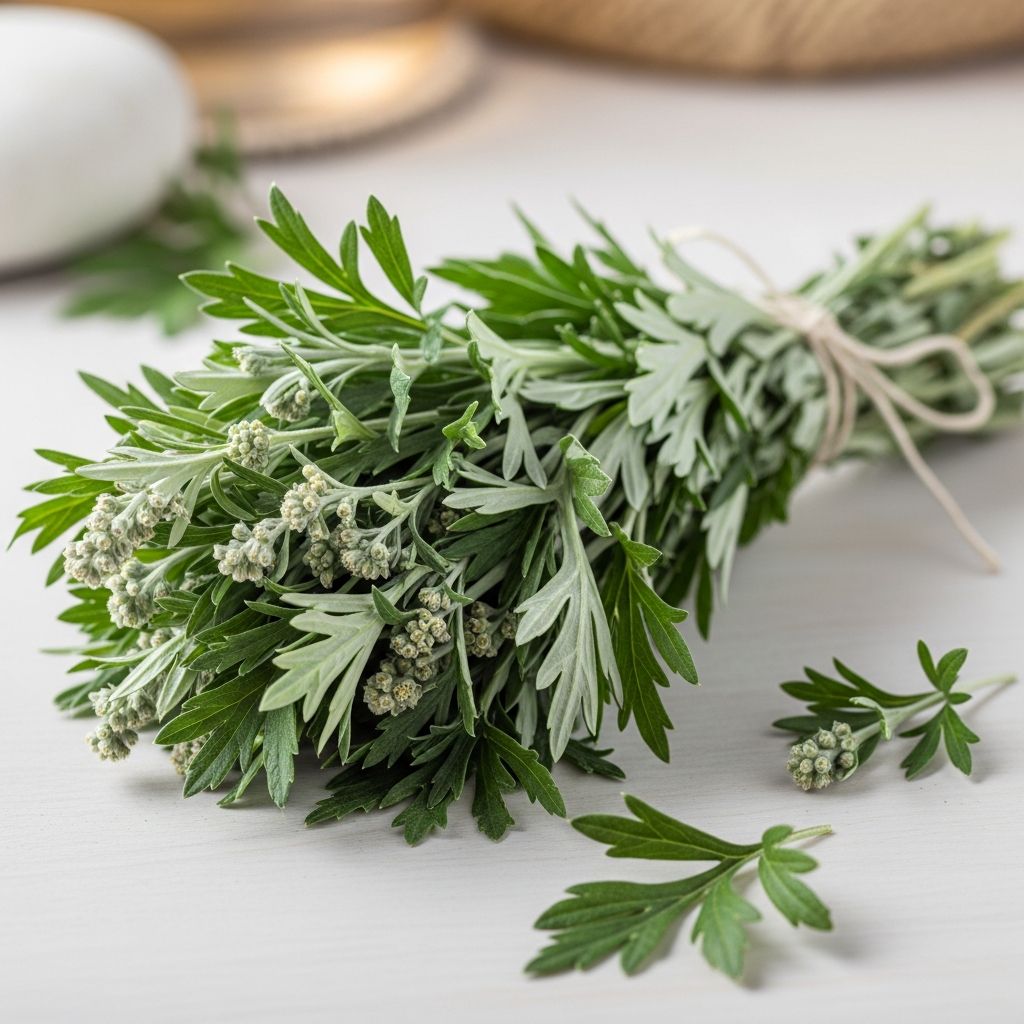
Mugwort (Artemisia vulgaris) is a perennial herb with a long history in traditional medicine across Europe, Asia, and beyond, valued for its warming, bitter properties that promote circulation, digestion, and menstrual flow while easing cramps and stagnation.
What Is Mugwort?
Mugwort, often called the ‘mother of herbs’ in medieval times, is a tall, silvery-green plant from the Asteraceae family, native to Europe, Asia, and parts of North America. It thrives in waste areas, roadsides, and disturbed soils, growing up to 6 feet tall with aromatic leaves that have a sage-like scent. Historically, it has been used in folk medicine, traditional Chinese medicine (TCM), and Japanese kampo for its versatile therapeutic effects, including as a dream enhancer, insect repellent, and remedy for various ailments.
The plant contains bioactive compounds like flavonoids, sesquiterpenes, phenolic acids, and essential oils, contributing to its anti-inflammatory, antioxidant, antispasmodic, antimicrobial, and emmenagogue properties. In TCM, it’s known as ai ye and used in moxibustion, where dried leaves are burned near acupuncture points to stimulate energy flow.
Potential Health Benefits of Mugwort
Mugwort offers a range of potential benefits supported by traditional use and emerging research, primarily as a digestive aid, menstrual regulator, pain reliever, and respiratory supporter.
Menstrual Health and PMS Relief
Mugwort is renowned for stimulating menses, regulating irregular cycles, and alleviating dysmenorrhea (painful periods) and premenstrual syndrome (PMS). As an emmenagogue, it promotes blood flow to the uterus, easing cramps and stagnation. Traditional Chumash healers used a tea made from a stem length equal to the middle finger to relieve PMS symptoms, often sweetened for palatability.
Anecdotal evidence highlights its potency; one report describes a woman starting her period immediately after chewing a fresh leaf during an herb walk. It can also act as a hemostat to reduce heavy bleeding. However, pregnant individuals must avoid it due to uterine-stimulating effects that could induce abortion.
Digestive Support
As a warming bitter and carminative, mugwort stimulates digestion, appetite, and bile production while relieving bloating, flatulence, cramps, and constipation. Seventeenth-century herbalist Nicholas Culpepper noted its efficacy for stomach disorders and post-meal nausea. A 2020 review confirmed its antibacterial action against pathogens like E. coli and Salmonella.
It also shows hypoglycemic effects; a 2017 review found that aqueous and alcoholic extracts lower blood glucose with fewer side effects than some antidiabetic drugs, potentially benefiting those with diabetes.
Pain Relief
Mugwort’s antispasmodic properties extend to muscle and joint pain, rheumatism, and headaches. Topical applications, like infused oils or compresses, provide relief for backaches and stiff joints. In arthritis, its anti-inflammatory compounds may reduce symptoms, though more human studies are needed.
Colds, Flu, and Respiratory Health
Acting as a diaphoretic, decongestant, and expectorant, hot mugwort tea induces sweating to break fevers, clears mucus, and supports wet coughs during colds or flu. Its antimicrobial properties further aid respiratory infections.
Other Benefits
- Nervine and Dream Enhancement: Used to calm anxiety, irritability, insomnia, and promote lucid dreaming when smoked or taken as tea.
- Liver and Gallbladder Support: Cholagogue and choleretic actions aid detoxification and gallbladder issues.
- Skin and Antimicrobial: Treats lesions, wounds, and acts as an insect repellent.
- Moxibustion for Breech Babies and More: In TCM, moxibustion with mugwort corrects fetal positioning and eases chemotherapy side effects, per a 2018 review.
Related Stories



How to Use Mugwort
Mugwort can be prepared in various forms, but start with low doses to assess tolerance.
- Tea: Steep 1-2 tsp dried leaves in hot water for 10 minutes; drink 1-3 cups daily for digestion or menses.
- Tincture/Glycerite: 10-30 drops in water, 2-3 times daily.
- Infused Oil/Compress: For topical pain relief; apply to affected areas.
- Smoke or Moxa: For dreams or moxibustion (professional guidance recommended).
Dosage Caution: Consult a healthcare provider, especially for internal use.
Risks and Side Effects
While generally safe in moderation, mugwort poses risks. It’s a common allergen in the ragweed family, potentially causing hay fever-like symptoms, dermatitis, or anaphylaxis in sensitive individuals. Avoid during pregnancy/breastfeeding due to emmenagogue effects. Those with gastric ulcers or acid reflux should use cautiously as a bitter. Rare cases report neurotoxicity from high doses.
The National Center for Complementary and Integrative Health (NCCIH) notes promotion for conditions like anxiety and hypertension but emphasizes limited evidence and safety concerns.
Who Should Avoid Mugwort?
- Pregnant or breastfeeding women.
- Allergy sufferers to Asteraceae plants (ragweed, daisies).
- Those with peptic ulcers.
- Children under 12.
Drug interactions may occur with antidiabetics, antihypertensives, or sedatives.
Frequently Asked Questions (FAQs)
Is mugwort safe to drink as tea?
In moderation, yes, for non-pregnant adults without allergies, but consult a doctor first.
Does mugwort help with lucid dreaming?
Traditionally used for vivid dreams when smoked or in tea, though scientific evidence is anecdotal.
Can mugwort induce labor?
Possibly, due to uterine stimulation; strictly avoid in pregnancy.
Is mugwort the same as wormwood?
No, wormwood (Artemisia absinthium) is different, used in absinthe and more toxic.
How does moxibustion work?
Burning mugwort near acupuncture points warms meridians, improving circulation and energy flow in TCM.
Nutritional Profile Table
| Compound | Potential Benefit |
|---|---|
| Flavonoids | Antioxidant, anti-inflammatory |
| Sesquiterpenes | Antimicrobial, antispasmodic |
| Phenolic Acids | Liver protection, digestion |
| Artemisinin-like | Anti-malarial, anti-inflammatory |
References
- Mugwort: Usefulness and Safety — National Center for Complementary and Integrative Health (NCCIH). 2023. https://www.nccih.nih.gov/health/mugwort
- Significance of Artemisia Vulgaris L. (Common Mugwort) in the History of Medicine — PMC (PubMed Central). 2020-10-15. https://pmc.ncbi.nlm.nih.gov/articles/PMC7583039/
- Mugwort Uses and Plant Profile — LearningHerbs. 2023. https://www.learningherbs.com/blog/mugwort-uses
- Mugwort: Health Benefits, How to Make Tea & Side Effects — Tua Saude. 2024. https://www.tuasaude.com/en/mugwort/
- Mugwort: Uses, side effects, and more — Medical News Today. 2023-05-15. https://www.medicalnewstoday.com/articles/mugwort
Similar Articles








Read full bio of Sneha Tete