Mugwort: Uses, Benefits, and Safety Information
Explore the traditional uses, scientific evidence, and safety considerations of mugwort.
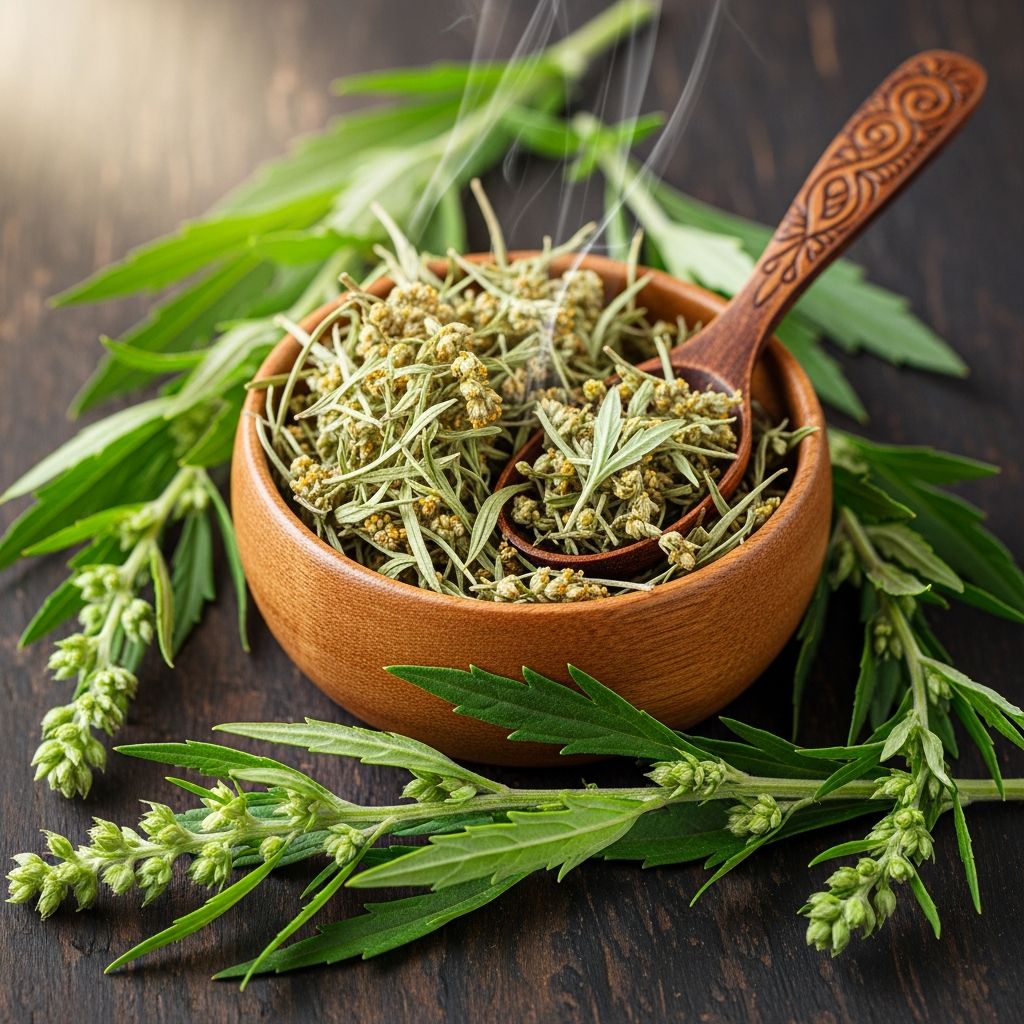
Mugwort, scientifically known as Artemisia vulgaris, is a plant that has been used in traditional medicine across Europe, Asia, and other parts of the world for centuries. This herbaceous plant belongs to the Asteraceae family and has gained attention in modern wellness circles for its purported health benefits. However, while traditional use is extensive, scientific research on mugwort’s efficacy remains ongoing, and it is important to understand what the current evidence shows about this popular herbal remedy.
What Is Mugwort?
Mugwort is a common herb found throughout temperate regions of Europe, Asia, and North America. The plant grows as a perennial or annual herb with deeply divided leaves and small flowers. Traditionally, various parts of the plant—including leaves, stems, and roots—have been prepared in different forms such as teas, tinctures, dried leaf preparations, and essential oils. The plant has been particularly valued in traditional Chinese medicine and European herbalism for its diverse applications in treating various ailments.
Traditional Uses and Historical Applications
Throughout history, mugwort has been employed for an impressive range of health purposes. In traditional European medicine and Chinese traditional medicine, practitioners have recommended mugwort for numerous conditions. The herb has been used to support digestive health, promote menstrual regularity, and address various inflammatory conditions. Additionally, some traditional practitioners have employed mugwort in spiritual and ritualistic contexts, with certain cultures believing it possesses protective properties.
One of the more intriguing traditional uses involves the consumption or smoking of dried mugwort leaves to promote lucid dreaming—a phenomenon where individuals maintain awareness while dreaming. While this application has captured modern interest, particularly among wellness enthusiasts, scientific studies specifically investigating this effect remain limited.
Potential Health Benefits
Digestive Support
Mugwort has long been associated with digestive health in traditional medicine systems. The plant contains bitter compounds that may stimulate the release of digestive enzymes and bile, potentially supporting the digestive process. Many practitioners recommend drinking mugwort tea before meals as a way to encourage appetite and support nutrient absorption. However, clinical studies confirming these effects are still needed, and more research is necessary to establish the mechanisms and efficacy of mugwort for digestive complaints.
Menstrual and Menopausal Symptoms
One of the more established traditional uses of mugwort involves addressing menstrual irregularities and menopausal symptoms. A small clinical study demonstrated that moxibustion—a traditional practice involving the burning of mugwort—reduced menstrual discomfort in young women compared to placebo treatments. Despite these promising preliminary findings, additional research is required to fully understand the mechanisms and optimal applications for managing menstrual and menopausal symptoms.
Arthritis and Inflammatory Conditions
Mugwort has been suggested as a potential remedy for arthritis-related symptoms. The herb’s traditional use for inflammatory conditions stems from its purported anti-inflammatory properties. However, robust clinical evidence supporting the use of mugwort specifically for arthritis remains limited, and more rigorous studies are needed to establish its effectiveness and appropriate dosing for this application.
Support for Cancer Treatment Side Effects
A 2018 review examining numerous studies on moxibustion concluded that this traditional practice using mugwort may help reduce symptoms associated with chemotherapy and potentially improve quality of life for cancer patients. Nevertheless, researchers emphasize that this area requires continued investigation, and people should exercise caution when consuming mugwort extracts in any form—whether as tinctures, teas, or other preparations—until more safety data becomes available.
Scientific Research and Bioactive Compounds
Phytochemical Profile
Recent scientific investigations have identified numerous bioactive compounds within mugwort that may account for its traditional health applications. Research has demonstrated that Artemisia vulgaris exhibits antioxidant, hypolipidemic, hepatoprotective, antispasmolytic, analgesic, estrogenic, cytotoxic, antibacterial, antifungal, hypotensive, and broncholytic effects. The plant contains significant quantities of phenolic compounds, flavonoids, and other phytochemicals that contribute to these varied pharmacological activities.
Lipid and Cardiovascular Health
Animal studies have shown promising results regarding mugwort’s potential effects on lipid metabolism. In research conducted on rats, treatment with Artemisia vulgaris extract at a dose of 100 mg/kg per day for four weeks normalized serum lipid profiles. The studies documented reductions in total cholesterol, triglycerides, low-density lipoprotein (LDL) cholesterol, and very low-density lipoprotein (VLDL) cholesterol. Additionally, the extract increased paraoxonase-1 activity and decreased inflammatory markers, suggesting potential benefits for cardiovascular health. However, these findings are preliminary, and human clinical trials are necessary to confirm these effects.
Hepatoprotective Properties
Research examining mugwort’s effects on liver health has yielded interesting results. Studies conducted on animal models demonstrated that Artemisia vulgaris extracts possessed hepatoprotective properties, protecting liver cells from injury induced by various chemical agents. These findings suggest that mugwort may support liver function, though clinical studies in humans are needed to validate these preliminary laboratory results.
Antimicrobial and Antifungal Activity
Scientific investigations have confirmed that California mugwort possesses antifungal activity due to the active compound vulgarone B, as well as antibacterial activity attributed to dehydroleucodine. Additionally, the plant demonstrates antiviral activity, suggesting potential applications as a natural antimicrobial agent. These antimicrobial properties align with traditional uses of mugwort for infections and skin conditions, though more research is needed to establish clinical efficacy and appropriate applications.
Gastrointestinal Protective Effects
Research on California mugwort has demonstrated cytoprotective effects against ethanol-induced gastric injury in animal models. The protective mechanism appears to involve a reduction in reactive oxygen species in the stomach and an increase in gastric mucus synthesis. These findings provide scientific support for the traditional use of mugwort in addressing digestive complaints and gastric distress.
Cytotoxic and Anti-Cancer Research
Several studies have investigated mugwort’s potential anti-cancer properties. Research has shown that methanolic extracts of Artemisia vulgaris exhibited cytotoxic effects against colon cancer cells in a dose-dependent manner. The extract inhibited colony formation and induced autophagy—a cellular process involving programmed cell death—through reactive oxygen species (ROS) mediation. Additionally, studies found significant inhibition of cell migration potential in cancer cells.
Importantly, research on California mugwort extracts revealed that the cytotoxicity extends to both normal and cancerous human cells. This finding raises safety concerns and suggests that mugwort extracts should be used with considerable caution, particularly in therapeutic applications targeting cancer cells, as the herb may damage healthy tissue as well. This underscores the necessity for careful medical supervision and further research before mugwort can be recommended for cancer treatment.
Safety Considerations and Precautions
Potential Side Effects
While mugwort has a long history of traditional use, research on potential side effects remains limited. Scientists and healthcare practitioners emphasize that more investigation is necessary to fully understand the safety profile of mugwort in various forms and applications. The herb has been suggested to possess antibacterial properties, though comprehensive studies validating these claims and assessing associated risks are still needed.
Concerns About Extract Consumption
Study authors examining California mugwort specifically conclude that, until more information becomes available regarding safety, people should exercise caution when consuming extracts of California mugwort, whether as tinctures or as tea. This precautionary recommendation reflects the concern that concentrated forms of the herb may pose risks that are not yet fully understood.
Drug Interactions and Contraindications
Individuals considering mugwort use should be aware of potential interactions with medications or other supplements. Pregnant women and those with estrogen-sensitive conditions should consult healthcare providers before using mugwort, given research suggesting estrogenic properties. Additionally, people with allergies to plants in the Asteraceae family—such as ragweed, chrysanthemums, and daisies—may experience allergic reactions to mugwort.
Current Research Gaps and Future Directions
Despite mugwort’s extensive traditional use and emerging scientific interest, significant research gaps remain. Most studies investigating mugwort’s health effects have been conducted in laboratory settings or on animal models rather than in controlled human clinical trials. To establish mugwort’s safety and efficacy for specific health conditions, researchers need to conduct large-scale, rigorous human studies with appropriate control groups and standardized dosing protocols.
Future research should focus on:
– Conducting rigorous clinical trials in human populations- Determining optimal dosing and preparation methods- Identifying specific bioactive compounds responsible for therapeutic effects- Establishing safety profiles for long-term use- Investigating potential drug-herb interactions- Examining effects on specific disease states
Frequently Asked Questions
Q: Is mugwort safe for everyone?
A: Mugwort is not appropriate for all individuals. Pregnant women, nursing mothers, people with estrogen-sensitive conditions, and those allergic to plants in the Asteraceae family should avoid mugwort. Others should consult healthcare providers before use, particularly when taking medications.
Q: Can mugwort cure cancer?
A: While some research suggests mugwort may have anti-cancer properties in laboratory settings, there is currently insufficient evidence to support using mugwort as a cancer treatment. The research showing cytotoxic effects also raises safety concerns about damage to healthy cells. Anyone with cancer should consult their medical team before considering mugwort.
Q: How should mugwort be prepared and consumed?
A: Mugwort has traditionally been prepared as tea, tincture, or dried leaf form. However, standardized dosing is not well-established. Anyone interested in using mugwort should consult with a qualified herbalist or healthcare provider for appropriate preparation and dosing guidance.
Q: Does mugwort actually promote lucid dreaming?
A: While mugwort has been traditionally used to promote lucid dreaming, scientific studies investigating this specific effect are limited. Current evidence does not conclusively support this application, though research in this area continues.
Q: What is moxibustion and is it safe?
A: Moxibustion is a traditional Chinese medicine practice involving the burning of mugwort near the skin. Some research suggests it may help with menstrual discomfort and chemotherapy side effects. However, like other mugwort applications, more safety research is needed, and it should only be performed by trained practitioners.
Conclusion
Mugwort represents an intriguing example of a traditional medicinal herb with emerging scientific support for some of its historical applications. While research has identified numerous bioactive compounds and demonstrated promising effects in laboratory and animal studies, human clinical evidence remains limited for most applications. Traditional use of mugwort for digestive health, menstrual regulation, and inflammatory conditions shows some scientific support, but more rigorous clinical research is necessary before definitive recommendations can be made.
For anyone considering mugwort use, consulting with qualified healthcare providers or herbalists is essential, particularly for individuals with existing health conditions, those taking medications, pregnant women, and nursing mothers. As research continues to evolve, our understanding of mugwort’s safety and efficacy will likely improve, potentially establishing clearer guidelines for appropriate use in clinical and wellness settings.
References
- Mugwort: Uses, side effects, and more — Medical News Today. 2024. https://www.medicalnewstoday.com/articles/mugwort
- Significance of Artemisia Vulgaris L. (Common Mugwort) in the Treatment of Diseases — PubMed Central. National Center for Biotechnology Information (NCBI), U.S. National Library of Medicine. 2020. https://pmc.ncbi.nlm.nih.gov/articles/PMC7583039/
- Mugwort: Possible Benefits and Other Health Effects — Healthline. 2024. https://www.healthline.com/health/mugwort-weed-with-potential
- Ethanolic Extracts of California Mugwort (Artemisia douglasiana) Induce Cytotoxicity in Human Normal and Cancerous Breast Cells — PubMed Central. National Center for Biotechnology Information (NCBI), U.S. National Library of Medicine. 2013. https://pmc.ncbi.nlm.nih.gov/articles/PMC3780460/
- Herbal extract of Artemisia vulgaris (mugwort) induces antitumor effect on human colon cancer cells — PubMed. National Center for Biotechnology Information (NCBI), U.S. National Library of Medicine. 2018. https://pubmed.ncbi.nlm.nih.gov/29552763/
- Mugwort Benefits & Applications Of Artemisia Vulgaris — Monderma. 2024. https://www.monderma.co.uk/articles/mugwort-benefits-applications-artemisia-vulgaris/
Similar Articles







Read full bio of Sneha Tete