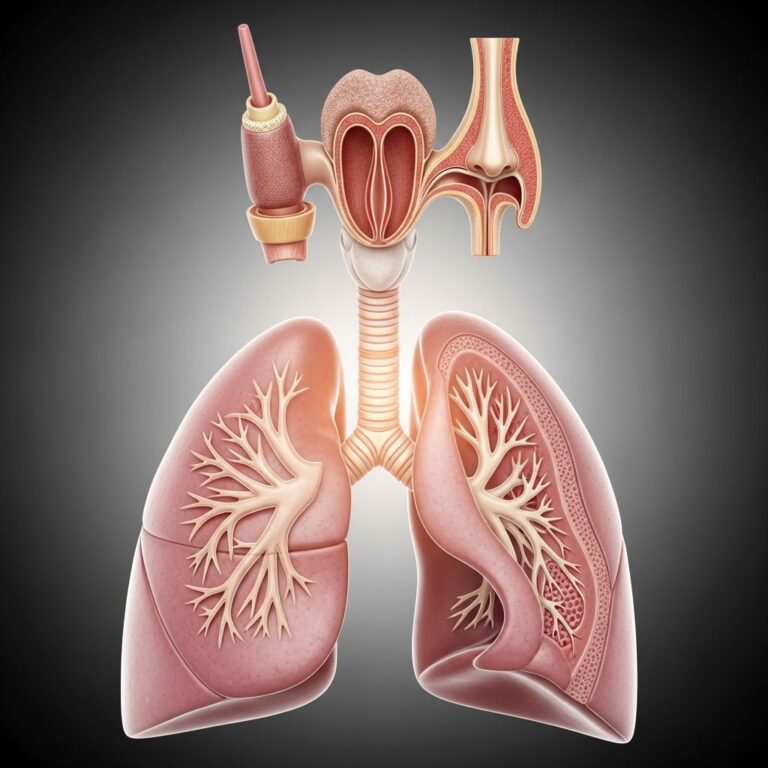
Multiple Chemical Sensitivity: Causes, Symptoms & Treatment
Understanding Multiple Chemical Sensitivity: symptoms, triggers, diagnosis and management strategies.

Multiple Chemical Sensitivity: Understanding the Condition
Multiple chemical sensitivity (MCS) is a proposed name for a variety of symptoms that appear to occur after exposure to small amounts of certain substances. These substances can range from everyday items like air fresheners and cleaning products to workplace chemicals and building materials. While the symptoms people experience are very real and can significantly impact their quality of life, there remains considerable debate in the medical community about the underlying causes of MCS.
You may have heard MCS referred to by other names, including idiopathic environmental intolerance. The condition represents a complex clinical challenge because symptoms can mimic those of other established medical conditions, yet standard medical testing often fails to identify a clear organic cause.
What Are the Common Symptoms of Multiple Chemical Sensitivity?
Symptoms attributed to multiple chemical sensitivity vary considerably from person to person. However, these symptoms typically affect multiple body systems simultaneously, which distinguishes MCS from simple allergic reactions or irritant responses. Understanding these symptoms is essential for anyone who suspects they may have MCS.
The most frequently reported symptoms include:
- Difficulty breathing or shortness of breath
- Trouble focusing or concentrating on tasks
- Shaking or trembling
- Excessive sweating
- Heart palpitations or irregular heartbeat sensations
- Fatigue and weakness
- Burning sensations in the skin and mucous membranes
- Dizziness or vertigo
- Disturbed sleep patterns and insomnia
- Soft tissue pain and muscle aches
- Skin irritation and reactions
- Changes in sense of smell
Importantly, the symptoms can be similar to other long-term conditions such as chronic fatigue syndrome, fibromyalgia, and irritable bowel syndrome. This similarity often makes diagnosis challenging and may lead to prolonged periods of uncertainty for patients seeking answers.
What Substances Trigger Multiple Chemical Sensitivity?
Common substances thought to be associated with multiple chemical sensitivity include a wide range of everyday products and environmental exposures. These triggering substances are typically volatile compounds that release chemicals into the air, particularly when products are new or in freshly renovated spaces.
Frequently reported triggers include:
- Air fresheners and perfumed products
- Cleaning supplies and household chemicals
- Pesticides and insecticides
- Car emissions and exhaust fumes
- Ink from printing materials
- Building materials and construction products
- Furniture and upholstery off-gassing
- Carpet and flooring adhesives
- Clothing treatments and dyes
- Electrical equipment emissions
- Paint and varnish fumes
- Solvents and volatile organic compounds
Many of these substances emit higher concentrations of chemicals when they are new or in recently renovated environments. This is why some people report increased sensitivity after home renovations or when moving into newly constructed buildings.
Understanding the Causes and Theories Behind MCS
Experts disagree about whether low levels of chemical exposure could cause the range of symptoms people report with MCS. While there is no doubt that certain substances can irritate skin or airways at higher concentrations, the mechanisms by which small exposures might trigger widespread symptoms remain unclear. Scientific studies have not definitively proven a causal relationship between low-level chemical exposure and MCS symptoms.
Related Stories



Several theories have been proposed to explain the pathogenesis of MCS. These theories generally fall into several categories:
Environmental and Psychological Factors: Some experts believe MCS results from a combination of environmental exposure and psychological factors, such as anxiety or heightened stress responses. This theory suggests that psychological state may amplify perception of symptoms.
Sensory Sensitivity: Others have theorized that people with MCS may have a particularly heightened sense of smell or an exaggerated immune system response to environmental triggers. Enhanced olfactory sensitivity could lead to greater perception of chemical odors.
Nervous System Changes: Some research suggests alterations in nervous system function, including changes in neurochemical pathways and increased sensitivity of the nervous system to irritants. Central sensitization, a process where the central nervous system becomes more responsive to stimuli, may play a role in some cases.
Immune System Involvement: Disruptions in immunological or allergy processes have been proposed as potential mechanisms, though immune function testing typically appears normal in MCS patients.
Biochemical Alterations: Changes in biochemical or biotransformation capacity, particularly in how the body processes and eliminates chemicals, may contribute to symptom development in some individuals.
Diagnosing Multiple Chemical Sensitivity
Diagnosing MCS presents significant challenges for healthcare providers. The condition lacks specific diagnostic tests, and standard medical evaluations typically return normal results. This can be frustrating for patients seeking confirmation and understanding of their symptoms.
The Diagnostic Process: When evaluating potential MCS, your healthcare provider will begin with a detailed case history and physical examination. They will ask about your symptoms, when they started, what appears to trigger them, and how they affect your daily life. Your medical history and any occupational exposures to chemicals or irritants will be explored.
Laboratory and Testing Considerations: Routine blood tests are typically performed to rule out other conditions. Depending on your specific symptoms, additional testing might include:
- Organ function tests to assess liver, kidney, and other vital organ health
- Biomonitoring to detect chemical levels in your body
- Pulmonary function tests if breathing difficulties are prominent
- Neurological assessment if neurological symptoms are present
- Allergy testing to rule out specific allergic reactions
- Inspection of your home or workplace environment
Official Recognition: It is important to note that the American Academy of Allergy and Immunology and the American Medical Association do not currently recognize multiple chemical sensitivity as an official medical diagnosis. However, this does not mean your symptoms are not real or that you should not seek medical attention.
Multidisciplinary Approach: Due to the complexity of MCS and its various potential contributing factors, the diagnostic process ideally involves a team of specialists. This team may include an environmental medicine specialist, internist, allergist, psychiatrist, and other specialists depending on your presentation.
Managing and Treating Multiple Chemical Sensitivity
Currently, there are no specific treatments designed exclusively for MCS. However, this does not mean you cannot find relief or improve your symptoms. Managing MCS typically involves a collaborative approach between you and your healthcare provider to identify and manage contributing factors.
Symptom Management Strategies: Your provider will work with you to develop personalized strategies for managing your symptoms. This might involve:
- Identifying and avoiding substances or situations that make you feel sick
- Implementing environmental modifications to reduce chemical exposure
- Developing a personal trigger log to identify patterns
- Using trial and error approaches to find effective management strategies
- Improving ventilation in your home or workplace
- Choosing low-chemical alternatives for household and personal products
Treating Underlying Conditions: If you have other conditions that may be contributing to your symptoms, such as asthma, anxiety, or allergies, your provider will recommend specific treatment for these conditions. Treating asthma, for example, may reduce breathing difficulties, while treating anxiety may help reduce the psychological component of symptom perception.
Desensitization Therapy: Some specialized therapies may help certain people reduce symptoms from specific triggers. Eye Movement Desensitization and Reprocessing (EMDR) and other desensitization approaches have shown promise for some individuals in reducing the emotional and physiological responses to triggers.
When to Seek Medical Attention
You should talk to your healthcare provider if you are experiencing symptoms that disrupt your life, especially if you cannot figure out the cause. It is usually best to start with your primary care provider or family doctor. They can work with you to determine potential causes, discuss strategies for managing your symptoms, and refer you to a specialist if needed.
If you notice patterns in your symptoms—such as symptoms appearing after exposure to specific products or environments—documenting these patterns can be helpful information for your provider. Keeping a symptom diary that notes what you were exposed to, your symptoms, and their severity can provide valuable insights.
Understanding the Controversy Surrounding MCS
It is important to acknowledge that MCS remains a controversial diagnosis in the medical community. While some healthcare providers and researchers recognize MCS as a distinct condition, others suggest that other conditions may better explain the symptoms people attribute to MCS. This controversy should not minimize your symptoms or your need for medical attention.
Healthcare providers recognize that mysterious symptoms can be frustrating and sometimes completely debilitating. Everyone deserves answers about what is causing their symptoms and strategies to feel better. Even when the underlying cause remains unclear, working with your provider to manage symptoms and improve your quality of life is an important goal.
Frequently Asked Questions About Multiple Chemical Sensitivity
Q: Is Multiple Chemical Sensitivity a recognized medical diagnosis?
A: The American Academy of Allergy and Immunology and the American Medical Association do not currently recognize MCS as an official diagnosis. However, symptoms are real, and many healthcare providers take them seriously and work to help manage them.
Q: Can blood tests diagnose MCS?
A: There are no specific blood tests that can diagnose MCS. Routine tests typically return normal results. Diagnosis is based on clinical history, symptoms, and ruling out other conditions.
Q: Are MCS symptoms similar to other conditions?
A: Yes, MCS symptoms can be similar to chronic fatigue syndrome, fibromyalgia, and irritable bowel syndrome. This similarity makes diagnosis more challenging.
Q: What is the best way to manage MCS?
A: There is no one-size-fits-all approach. Management typically involves identifying triggers, avoiding problematic substances when possible, treating underlying conditions like anxiety or asthma, and working with healthcare providers to develop personalized strategies.
Q: Can MCS be cured?
A: There is no cure for MCS, but symptoms can often be managed effectively through avoidance strategies, lifestyle modifications, and treatment of contributing conditions.
Q: Should I see a specialist for MCS?
A: Starting with your primary care provider is recommended. They can evaluate your symptoms and refer you to specialists such as an allergist, environmental medicine specialist, or other experts if appropriate.
References
- Multiple Chemical Sensitivity (MCS) – Scientific and Public-Health Perspectives — National Center for Biotechnology Information (NCBI/PMC). 2011. https://pmc.ncbi.nlm.nih.gov/articles/PMC3199799/
- Multiple Chemical Sensitivity: Causes, Symptoms & Treatment — Cleveland Clinic. 2025. https://my.clevelandclinic.org/health/diseases/multiple-chemical-sensitivity
- Multiple Chemical Sensitivity: A CDC Perspective — Centers for Disease Control and Prevention. https://stacks.cdc.gov/view/cdc/224045/
- Central Sensitization, Chronic Pain, and Other Symptoms — Cleveland Clinic Journal of Medicine. 2023. https://www.ccjm.org/content/90/4/245
- National Institute of Environmental Health Sciences (NIEHS) — U.S. Department of Health and Human Services. https://www.niehs.nih.gov/
Similar Articles








Read full bio of Sneha Tete