Multiple Chemical Sensitivity: Causes, Symptoms & Treatment
Understanding MCS: symptoms, diagnosis, triggers, and evidence-based management strategies.

Multiple chemical sensitivity (MCS), also known as idiopathic environmental intolerance or environmental illness, is a chronic condition characterized by symptoms that individuals attribute to exposure to low levels of commonly used chemicals in their environment. This complex and often misunderstood disorder affects multiple organ systems and can significantly impact quality of life. While the exact mechanisms remain unclear, recent research suggests MCS likely involves neurological and immunological components that warrant further investigation and understanding.
What is Multiple Chemical Sensitivity?
Multiple chemical sensitivity is a chronic disease that develops following documented environmental exposure to chemical compounds that have objectively produced negative health effects. The condition is characterized by the appearance of symptoms caused by exposure to chemical compounds at levels typically considered safe by toxicological standards. MCS remains a controversial and unrecognized diagnosis in many medical communities, with significant debate surrounding its classification and underlying mechanisms.
The key distinguishing feature of MCS is that symptoms occur at chemical exposure levels substantially lower than those previously tolerated or commonly encountered in the general population. This distinguishes MCS from standard chemical exposure reactions or occupational illnesses, making diagnosis and validation particularly challenging for patients and healthcare providers alike.
Symptoms of Multiple Chemical Sensitivity
MCS presents with a diverse array of symptoms that vary considerably from person to person. The symptoms are typically vague and non-specific, affecting multiple organ systems simultaneously. Understanding the range and nature of symptoms is essential for early recognition and proper management of the condition.
Common Symptoms
The most frequently reported symptoms of MCS, in order of prevalence, include:
- Headaches and migraines
- Fatigue and weakness
- Cognitive difficulties, including confusion and brain fog
- Depression and mood changes
- Shortness of breath and respiratory symptoms
- Joint pain (arthralgia) and muscle pain (myalgia)
- Nausea and gastrointestinal symptoms
- Dizziness and balance problems
- Memory problems and difficulty concentrating
Multi-System Involvement
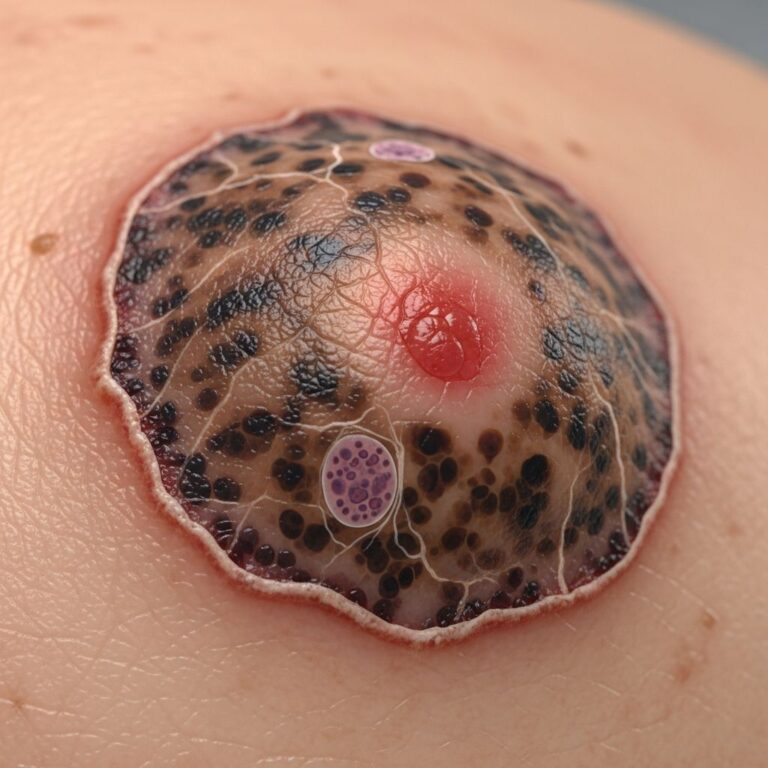
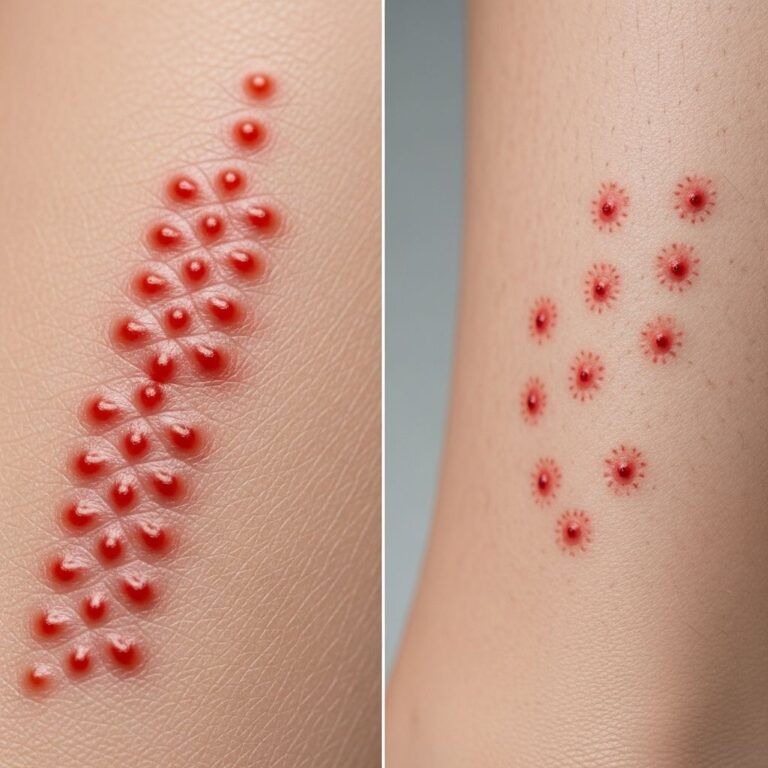
Symptoms affect a variety of different organ systems, with cognitive and neurologic symptoms being particularly common. Other individuals experience symptoms affecting the eyes, ears, and nose—such as stuffy nose or eye irritation—the respiratory system, gastrointestinal system, musculoskeletal system, or dermatological system including itching and skin rashes. Additional reported symptoms encompass heart palpitations, changes in heart rhythm, chest pain, shaking, sweating, difficulty breathing, asthma exacerbation, muscle and joint stiffness, rashes, diarrhea, bloating, gas, and hypersensitivity to chemical smells.
Many symptoms stem from autonomic nervous system dysfunction or have psychiatric and psychological components, such as difficulty concentrating and memory problems. This multi-system presentation makes MCS particularly challenging to diagnose, as symptoms overlap with numerous other chronic conditions including chronic fatigue syndrome, fibromyalgia, and irritable bowel syndrome.
Common Chemical Triggers
Possible triggers that set off people’s symptoms vary considerably among individuals with MCS. Common substances thought to be associated with multiple chemical sensitivity include:
- Tobacco smoke and secondhand smoke
- Auto exhaust and vehicle emissions
- Perfume, colognes, and fragrances
- Pesticides and insecticides
- New carpet and flooring materials
- Cleaning products and disinfectants
- Soaps and detergents
- Cosmetics and personal care products
- Newspaper inks and carbonless paper
- Copying machine and laser printer toner
- Paint and paint fumes
- Adhesives and solvents
- Air fresheners and scented products
Related Stories



Exposure sources vary widely and may come through the air, food, water, or through skin contact. Patients exposed to pesticides have been reported to have more severe symptoms than those exposed to chemicals during building remodeling, suggesting that the nature and intensity of initial exposure may influence symptom severity.
Causes and Theories
The etiopathogenesis of MCS remains unknown, with various theories proposed to explain the condition’s underlying mechanisms. Multiple hypotheses have emerged from research, though there is insufficient scientific evidence to confirm a definitive relationship between any proposed cause and the symptoms experienced. Understanding these theories is crucial for appreciating the complexity of MCS.
Neurobiological Sensitization
Recent imaging studies have shown that MCS is likely a neurological condition. Central sensitization—an amplified response of the central nervous system to peripheral stimuli—may be an important factor contributing to the clinical manifestations of this disease. This theory suggests that the nervous system becomes hypersensitive and overreacts to chemical exposures that would not typically trigger symptoms in the general population.
Immunological Theories
Some medical professionals suggest that MCS represents an immune response similar to allergies. Followers of the clinical ecology movement believe chemical exposure causes the development of allergy to low levels of many chemicals, not just the initiating one. They point to a spectrum of immune system tests that have been found abnormal in patients with MCS syndrome. However, this theory remains controversial and lacks definitive scientific support.
Genetic Factors
Researchers have hypothesized that there may be a heritable genetic trait which predisposes people to be hypersensitive to low-level chemical exposure and subsequent MCS development. Alterations in the metabolic activation of xenobiotic compounds have been established in people affected by MCS due to the presence of genetic polymorphisms, particularly with Superoxide Dismutase 2 (SOD2). Additionally, PON1 polymorphisms may play a role in patients with MCS who also have anxiety and depression. However, when compared genetically, people with MCS and those without showed generally inconclusive and contradictory results, thus failing to support the genetic hypothesis definitively.
Psychological and Psychiatric Factors
A 2018 systematic review concluded that abnormalities in sensory processing pathways combined with peculiar personality traits may best explain MCS. Some experts suggest that symptoms stem from an extreme sensitivity to certain smells or that conditions such as depression and anxiety may play a significant role. Others propose that psychological factors like anxiety may cause the symptoms attributed to chemical exposure. However, it is important to note that psychological contributions do not negate the reality of physical symptoms experienced by patients.
Diagnostic Criteria
There are no specific tests for MCS, and tests of organ function usually come back normal, which makes it difficult to pinpoint health issues and confirm diagnosis. Not all providers recognize MCS as an official diagnosis. However, consensus diagnostic criteria have been established to guide evaluation and diagnosis of suspected MCS.
Consensus Criteria for MCS Diagnosis
The following criteria must be met for a diagnosis of multiple chemical sensitivity:
| Criterion | Description |
|---|---|
| 1. Reproducibility | Symptoms are reproducible with repeated chemical exposure |
| 2. Chronicity | The condition is chronic in nature |
| 3. Low-Level Exposure | Low levels of exposure (lower than previously or commonly tolerated) result in manifestations of the syndrome |
| 4. Improvement with Avoidance | Symptoms improve or resolve when chemical incitants are removed or avoided |
| 5. Multiple Substances | Responses occur to multiple chemically unrelated substances |
| 6. Multi-System Involvement | Symptoms involve multiple organ systems |
Additionally, it is an acquired syndrome following documented environmental exposure that has objectively produced negative health effects, with no evidence of organic damage present. Symptoms affect multiple organs or systems and vary in magnitude depending on environmental stimuli.
Development and Disease Progression
MCS may result from a single massive exposure to one or more toxic substances or repeated exposures to low doses. Some people become chemically sensitive following a toxic chemical spill at work or in their community, or after exposure to pesticides, Agent Orange (for Vietnam Veterans), antibiotics and other medications, or other identified environmental triggers.
In non-industrial workplaces, a number of common products and processes have been identified as contributing to the onset of MCS, including carbonless paper, inks, copying machine and laser printer toner, and other standard office materials. As MCS gets worse, reactions become more severe and increasingly chronic, often significantly affecting bodily functions. In early stages, repeated exposure to the substance or substances that caused the initial sensitization may gradually worsen symptoms.
The long-term course of MCS is variable. In the long term, approximately half of people with MCS get better, and about half continue to be affected, sometimes severely. Some people eventually recover from MCS, but few return to complete health, and the trajectory of disease progression remains difficult to predict.
Management and Treatment Approaches
MCS is a chronic disease that requires ongoing management. While there is no cure for MCS, various management strategies can help reduce symptoms and improve quality of life. Treatment typically focuses on identifying and avoiding chemical triggers, managing symptoms, and supporting overall health and wellness.
Avoidance and Environmental Modification
The primary management strategy for MCS involves identifying triggering substances and minimizing exposure through environmental modification. This may include using fragrance-free products, improving ventilation, selecting low-chemical furniture and building materials, and avoiding known chemical triggers. While avoidance strategies can be effective, they often require significant lifestyle adjustments and careful planning.
Medical Management
Medical management focuses on treating specific symptoms as they arise. This may include medications to address headaches, depression, anxiety, respiratory symptoms, or gastrointestinal issues. However, healthcare providers must exercise caution, as some individuals with MCS may experience adverse reactions to medications or have sensitivities to medication additives.
Psychological and Supportive Care
Psychological support and counseling can be beneficial, particularly for managing anxiety, depression, or difficulties coping with the limitations imposed by the condition. Support groups connecting individuals with MCS can provide valuable emotional support and practical coping strategies.
When to See a Healthcare Provider
An evaluation should be performed by a physician knowledgeable of the symptoms of MCS, as the condition requires specialized knowledge for proper diagnosis and management. Seek medical attention if you experience a cluster of symptoms affecting multiple organ systems that you suspect may be related to chemical exposure, particularly if symptoms improve when you avoid specific substances or environments.
Frequently Asked Questions About Multiple Chemical Sensitivity
Q: Is MCS a recognized medical diagnosis?
A: MCS is controversial and not recognized as an official diagnosis by all medical organizations. However, healthcare providers increasingly acknowledge that patients experience genuine symptoms, and research continues to explore the underlying mechanisms of the condition.
Q: Can MCS be cured?
A: There is currently no cure for MCS. However, approximately half of people with MCS experience improvement over time. Management focuses on identifying triggers, avoiding exposure, and managing symptoms to improve quality of life.
Q: What tests can confirm MCS?
A: There are no specific tests that definitively confirm MCS diagnosis. Tests of organ function typically return normal results. Diagnosis is based on clinical history, symptom patterns, and meeting the established diagnostic criteria rather than laboratory findings.
Q: How common is multiple chemical sensitivity?
A: The prevalence of MCS varies depending on diagnostic criteria used. Estimates suggest that a significant portion of the population may experience some symptoms attributable to chemical sensitivity, though the proportion meeting all diagnostic criteria is smaller.
Q: Can MCS develop suddenly?
A: Yes, MCS can develop following a single massive chemical exposure or intense occupational incident. However, it can also develop gradually through repeated low-level exposures over time.
Q: Are there differences in MCS symptoms by age or sex?
A: Research indicates that patterns of symptom presentation may vary by age group and sex, with different symptoms being more prevalent in different populations. Identifying these patterns allows for earlier diagnosis and improved treatment outcomes.
References
- Multiple Chemical Sensitivity — Wikipedia. Accessed December 2025. https://en.wikipedia.org/wiki/Multiple_chemical_sensitivity
- Multiple Chemical Sensitivity Syndrome — American Academy of Family Physicians (AAFP). 1998-09-01. https://www.aafp.org/pubs/afp/issues/1998/0901/p721.html
- Multiple Chemical Sensitivity Syndrome: First Symptoms and Diagnosis — National Center for Biotechnology Information (NCBI/PubMed Central). 2022. https://pmc.ncbi.nlm.nih.gov/articles/PMC9737200/
- Multiple Chemical Sensitivity — National Council on Independent Living (NCIL). 2013. https://www.ncil.org/wp-content/uploads/2013/08/AboutMCS2013.pdf
- Multiple Chemical Sensitivities — Occupational Safety and Health Administration (OSHA), U.S. Department of Labor. https://www.osha.gov/multiple-chemical-sensitivities
- Multiple Chemical Sensitivity (MCS): Symptoms, Causes, Treatment — WebMD. Accessed December 2025. https://www.webmd.com/allergies/multiple-chemical-sensitivity
- Multiple Chemical Sensitivity: Causes, Symptoms & Treatment — Cleveland Clinic. Accessed December 2025. https://my.clevelandclinic.org/health/diseases/multiple-chemical-sensitivity
Similar Articles








Read full bio of medha deb