Multiple Endocrine Neoplasia (MEN): Types, Symptoms & Treatment
Understanding MEN: A comprehensive guide to genetic endocrine tumors, diagnosis, and management strategies.
Understanding Multiple Endocrine Neoplasia (MEN)
Multiple endocrine neoplasia (MEN) is a rare genetic condition characterized by the development of multiple tumors and/or cancer that affect specific endocrine system glands and tissues. This hereditary disorder is caused by genetic mutations that disrupt normal cellular growth in the body’s hormone-producing glands. Although many MEN-related tumors are benign (noncancerous), they can still cause significant health complications by producing excessive hormones or growing large enough to impair normal gland function. Understanding MEN is essential for patients and families affected by this condition, as early detection and management can significantly improve outcomes and quality of life.
Types of Multiple Endocrine Neoplasia
There are two main types of MEN, each with distinct characteristics and affected organ systems. Both types follow an autosomal dominant inheritance pattern, meaning an affected individual has a 50% chance of passing the condition to each child.
MEN Type 1 (Wermer Syndrome)
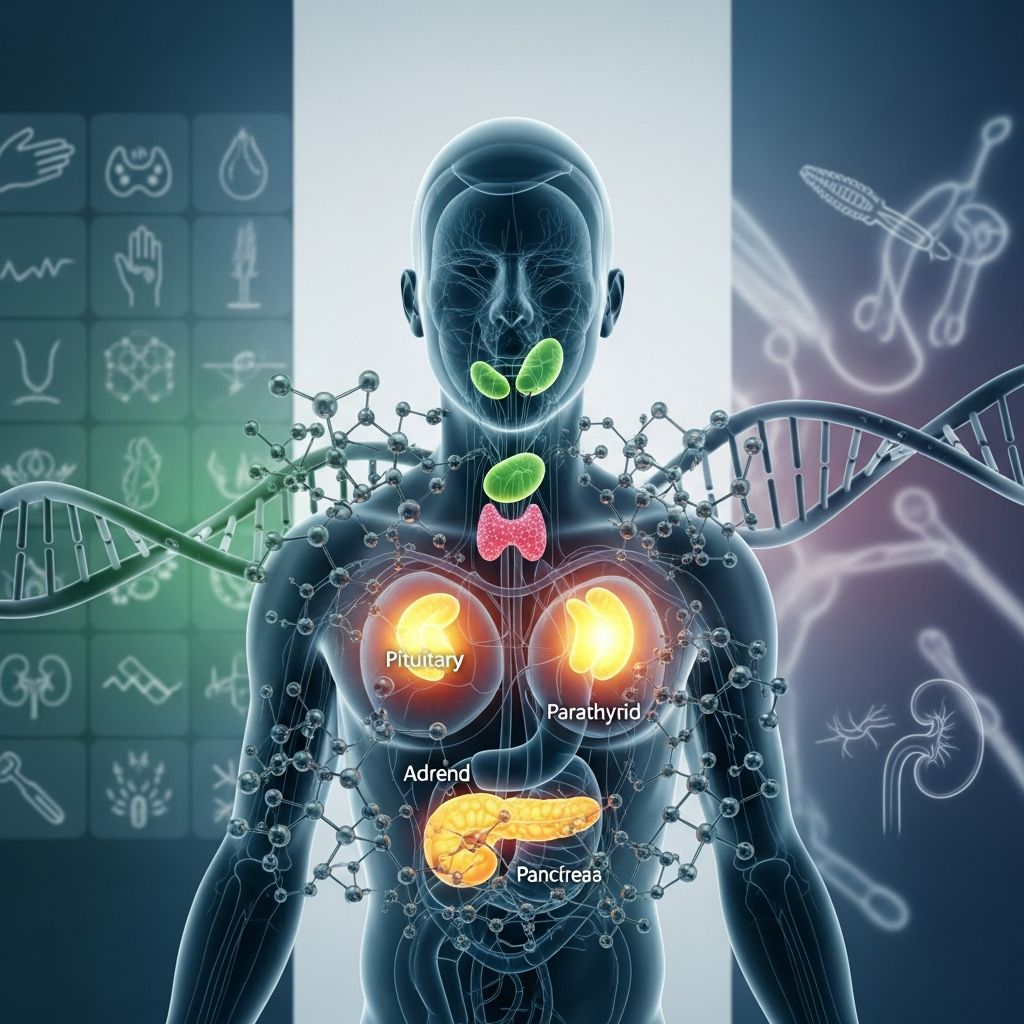
MEN type 1, also known as Wermer syndrome, is characterized by tumors in at least two of the three primary tissue systems: the parathyroid glands, the gastroenteropancreatic tract (including the pancreas and duodenum), and the pituitary gland. This form of MEN is caused by mutations in the MEN1 gene and represents the most common type of the condition. Approximately 90 percent of individuals with MEN 1 develop hyperparathyroidism, 40 percent develop multiple gastrinomas, 25 percent develop pituitary tumors, and 10 percent develop insulinomas. The diversity of tumor types means symptoms can vary dramatically from person to person, even among family members or identical twins.
MEN Type 2 (Sipple Syndrome)
MEN type 2 is caused by mutations in the RET gene and includes subtypes 2A and 2B. This form is characterized by the development of medullary thyroid cancer (MTC), which is often the first manifestation of the disease. MEN type 2 also involves the development of pheochromocytoma (a tumor of the adrenal gland) and/or parathyroid disease. MEN 2B, the more aggressive subtype, comprises approximately 5 percent of MEN 2 cases and is characterized by early-onset, aggressive medullary thyroid cancer along with mucosal neuromas and distinctive physical features.
Epidemiology and Prevalence
MEN type 1 affects approximately 1 in 30,000 individuals, while MEN type 2 affects approximately 1 in 35,000 people. However, researchers believe that many cases of each type go undiagnosed or misdiagnosed, suggesting the actual prevalence could be significantly higher. The condition affects males and females equally across all populations. The onset of MEN type 1 can vary widely, with diagnoses documented in children as young as 8 years old and in adults as old as 80 years old. This variable presentation underscores the importance of vigilant screening in at-risk family members across all age groups.
Symptoms and Clinical Manifestations
The symptoms of MEN vary considerably depending on which glands are affected by tumor growth or tissue overgrowth (hyperplasia) and which hormones are being overproduced. Since many MEN tumors cause affected glands to produce and release more hormones than the body needs, higher-than-normal hormone levels are the primary reason people experience symptoms.
MEN Type 1 Symptoms
MEN type 1 presents with a wide range of symptoms that can be asymptomatic in some cases or severe and life-threatening in others. Common manifestations include:
- Kidney stones and excessive calcium in the blood (from parathyroid involvement)
- Peptic ulcers and chronic diarrhea (from gastrinoma)
- Headaches and vision problems (from pituitary tumors)
- Hormonal imbalances affecting metabolism and growth
- Skin manifestations such as lipomas and facial angiofibromas
The unpredictable nature of MEN type 1 means that individuals can develop tumors and experience symptoms at different ages, with symptoms potentially ranging from none to severe.
MEN Type 2 Symptoms
MEN type 2 typically presents with medullary thyroid cancer as the first manifestation. Individuals often present with a neck mass or neck pain, usually before age 35 years. Up to 70 percent of individuals with MTC already have cervical lymph node metastases at the time of diagnosis. Diarrhea is the most frequent systemic manifestation and occurs in affected individuals with elevated plasma calcitonin levels, which implies a poor prognosis. Additional symptoms may include high blood pressure and anxiety (from pheochromocytoma) and complications related to elevated calcium levels.
Related Stories



Diagnosis and Detection
Accurate diagnosis of MEN is crucial for initiating appropriate management and screening protocols for affected family members. Diagnosis typically involves a combination of clinical evaluation, biochemical testing, imaging studies, and genetic testing.
Clinical Diagnosis Criteria
A person is diagnosed with MEN type 1 if they have at least two of the three endocrine tumors associated with the condition (parathyroid tumor, pituitary tumor, and/or a tumor in the gastroenteropancreatic tract) or if they have one of the associated tumors and a documented family history of MEN type 1. For MEN type 2, a person is diagnosed if they have medullary thyroid cancer and pheochromocytoma and/or parathyroid enlargement or adenoma.
Biochemical Testing
Blood tests can detect elevated levels of specific hormones, which serve as indicators of MTC and other tumors. Healthcare providers may order tests measuring:
- Parathyroid hormone (PTH) and calcium levels
- Insulin and fasting blood glucose
- Calcitonin and carcinoembryonic antigen (CEA)
- Cortisol levels
- Metanephrines for pheochromocytoma detection
Imaging Studies
Healthcare providers use advanced imaging techniques to locate and characterize tumors. These include:
- CT (computed tomography) scans
- MRI (magnetic resonance imaging) scans
- PET (positron emission tomography) scans
- Endoscopic ultrasound of the pancreas
Genetic Testing
Providers can confirm a MEN type 1 diagnosis through genetic testing of the MEN1 gene, and MEN type 2 through genetic testing of the RET gene. Genetic testing is particularly valuable for identifying at-risk family members who may not yet show clinical manifestations of the disease, allowing for earlier intervention and monitoring.
Treatment and Management Approaches
The treatment of multiple endocrine neoplasia depends entirely on what endocrine glands and organs are affected and usually requires a team of healthcare providers, including endocrinologists, surgeons, and oncologists. While there is currently no cure for MEN, it is manageable through a combination of surgical intervention and medication.
Surgical Interventions
Surgery is often the primary treatment modality for MEN-related tumors. The primary treatment for medullary thyroid cancer is thyroidectomy, in which a surgeon removes the thyroid gland. For pheochromocytoma, adrenalectomy (removal of the affected adrenal gland) may be performed. Parathyroid surgery may involve partial removal or total parathyroidectomy with autotransplantation. For gastroenteropancreatic tumors, surgical resection may be considered depending on tumor size, location, and malignant potential.
Medical Management
Pharmacological interventions can help manage hormone-related symptoms and control tumor growth in some cases. Treatment options may include:
- Proton pump inhibitors to reduce gastric acid production
- Bromocriptine for certain pituitary tumors
- Hormone replacement therapy when gland function is compromised
- Calcium and vitamin D supplementation when necessary
- Medications to control blood pressure from pheochromocytoma
Surveillance and Monitoring
Regular monitoring is essential for managing MEN, even when tumors are asymptomatic. This includes periodic blood testing for hormone levels and imaging of the head and abdomen to detect new or enlarging tumors. Screening protocols may vary based on the specific MEN type and individual risk factors.
Prognosis and Long-Term Outlook
The prognosis for MEN depends on several factors, including the specific type of MEN, which glands are affected, whether tumors are benign or malignant, how early the condition was diagnosed, and how aggressively the tumors grow. Generally, early detection and appropriate management significantly improve outcomes. Although most MEN type 1 tumors are benign, some pancreatic tumors can metastasize and spread to the liver, potentially affecting prognosis. For MEN type 2, the presence of medullary thyroid cancer with lymph node involvement typically indicates a more serious prognosis. Early prophylactic thyroidectomy in individuals with MEN 2B before age 1 year can dramatically improve survival outcomes, as the average age of death before intervention was only 21 years.
Frequently Asked Questions
Q: Is Multiple Endocrine Neoplasia hereditary?
A: Yes, MEN is an inherited genetic disorder. It follows an autosomal dominant inheritance pattern, meaning individuals with MEN have a 50% chance of passing the condition to each of their children. Genetic testing can identify carriers.
Q: Can MEN be cured?
A: Currently, there is no cure for MEN. However, the condition is manageable through surgery and medication. Healthcare providers treat the changes in each affected gland as they occur, and regular monitoring helps detect new tumors early.
Q: At what age does MEN typically develop?
A: MEN can develop at various ages. MEN type 1 has been diagnosed in children as young as 8 years old and in adults as old as 80 years old. MEN type 2, particularly MEN 2B, often presents with symptoms in early childhood or infancy.
Q: How often should people with MEN be screened?
A: Screening frequency depends on the specific MEN type and individual risk factors. Generally, regular blood tests for hormone levels and periodic imaging studies are recommended. Your healthcare provider will develop a personalized screening plan based on your specific situation.
Q: Are all MEN-related tumors cancerous?
A: No, most MEN-related tumors are benign (noncancerous). However, some tumors, particularly neuroendocrine tumors in the pancreas and medullary thyroid cancer in MEN type 2, can become malignant and spread to other organs.
Q: Should family members of MEN patients be tested?
A: Yes, genetic testing is recommended for family members of individuals diagnosed with MEN, as early detection allows for closer monitoring and earlier intervention if tumors develop.
When to Seek Medical Attention
If you have a family history of MEN or experience symptoms such as kidney stones, peptic ulcers, persistent headaches, unexplained weight changes, or a neck mass, consult your healthcare provider. Early diagnosis and management are essential for optimal outcomes. Your healthcare provider can determine if genetic testing or screening is appropriate for you and will be able to give you a better idea of what to expect regarding your treatment and prognosis.
References
- Multiple Endocrine Neoplasia (MEN): Types & Symptoms — Cleveland Clinic. 2024. https://my.clevelandclinic.org/health/diseases/23088-multiple-endocrine-neoplasia-men
- Multiple endocrine neoplasia type 1 (MEN 1) — EBSCO Health Research Starters. 2024. https://www.ebsco.com/research-starters/health-and-medicine/multiple-endocrine-neoplasia-type-1-men-1
- Multiple endocrine neoplasia type 2: An overview — Nature Genetics in Medicine. 2011. https://www.nature.com/articles/gim2011127
- Multiple Endocrine Neoplasia Type 2 — National Center for Biotechnology Information (NCBI), National Institutes of Health. https://www.ncbi.nlm.nih.gov/books/NBK1257/
- Neuroendocrine Tumors (NETs): Symptoms & Treatment — Cleveland Clinic. 2024. https://my.clevelandclinic.org/health/diseases/22006-neuroendocrine-tumors-net
Similar Articles








Read full bio of Sneha Tete