Multiple Myeloma Treatment: Expert Guide To Therapies & Care
Explore the latest treatments for multiple myeloma, from targeted therapies to stem cell transplants and emerging options.
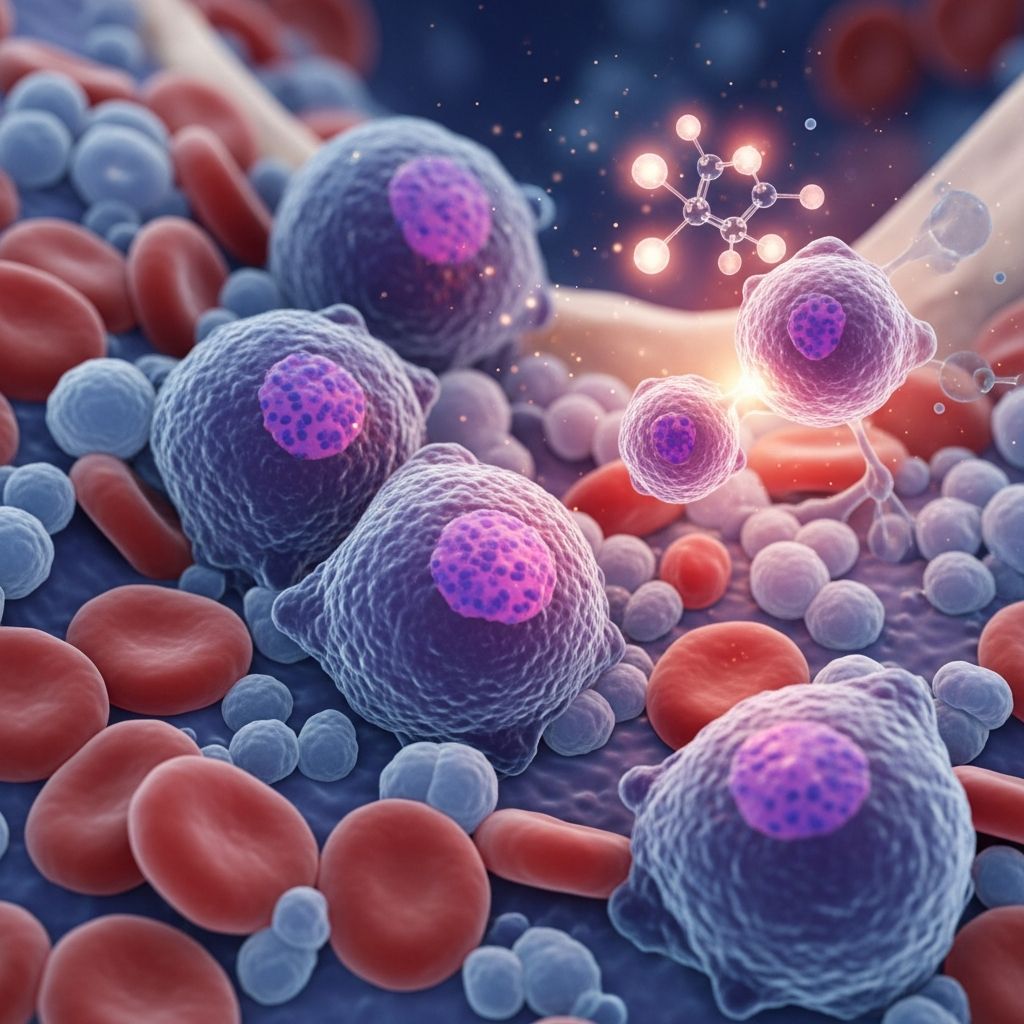
Multiple myeloma is a blood cancer affecting plasma cells, leading to abnormal protein production that damages bones, kidneys, and blood cells. While not curable, treatments like targeted therapies, stem cell transplants, and maintenance regimens can slow progression, manage symptoms, and extend life, with five-year survival rates around 62%, higher at 80% for early-stage diagnosis.
What Is Multiple Myeloma?
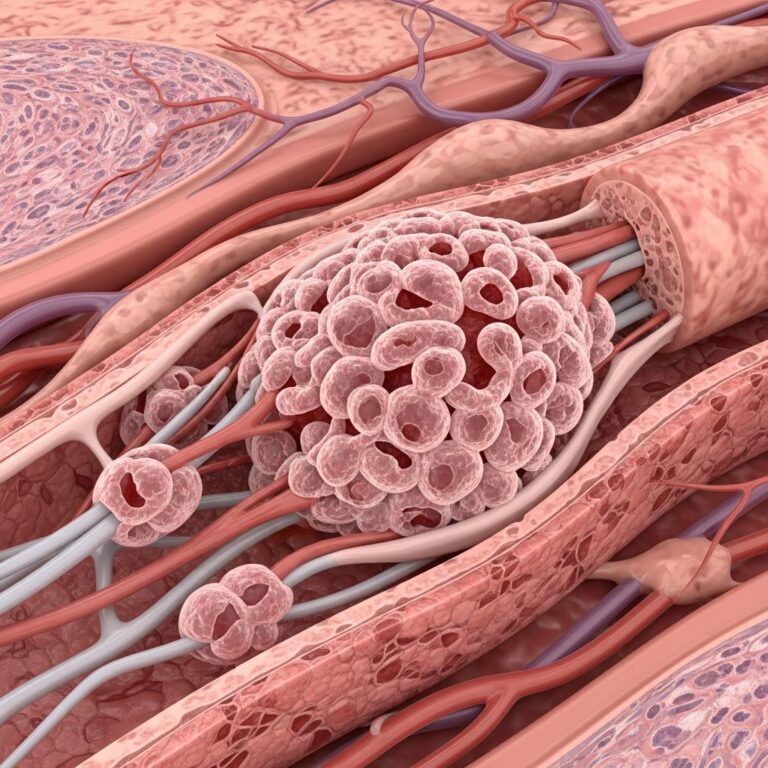
Multiple myeloma occurs when plasma cells in the bone marrow mutate and multiply uncontrollably, producing faulty antibodies called M proteins. These proteins accumulate, causing bone pain (often in the back, ribs, skull, pelvis, or legs), anemia, kidney damage, infections, and high calcium levels. Unlike inherited mutations, these changes develop over time due to genetic alterations in plasma cells.
Diagnosis involves blood and urine tests for M proteins, bone marrow biopsy, imaging like X-rays or MRI for lytic lesions, and cytogenetic testing to identify high-risk features such as del(17p) or t(4;14). Staging uses the Revised International Staging System (R-ISS), from stage I (low-risk, slow-growing) to III (high-risk, aggressive).
Treatment Goals for Multiple Myeloma
The primary goals are to reduce tumor burden, alleviate symptoms, prevent complications like fractures or kidney failure, and achieve remission. Treatment is tailored by age, overall health, kidney function, and risk status. Transplant-eligible patients (typically under 70-75) pursue aggressive regimens, while others focus on continuous therapy.
- Control cancer growth and achieve deep remission
- Preserve quality of life by managing bone pain, anemia, and infections
- Extend survival, with many living 10+ years post-diagnosis
Initial Therapy (Induction)
Induction therapy uses 3-6 cycles of combination regimens to shrink the tumor before transplant or long-term control. Common triplets or quadruplets include proteasome inhibitors (e.g., bortezomib), immunomodulators (e.g., lenalidomide), steroids (dexamethasone), and monoclonal antibodies (daratumumab).
For transplant-eligible patients, VRd (bortezomib, lenalidomide, dexamethasone) or D-VRd (adding daratumumab) is standard, achieving high response rates. Transplant-ineligible patients receive 12-18 months of similar regimens like Rd (lenalidomide-dexamethasone) or DRd.
Key Induction Regimens
| Regimen | Components | Typical Use |
|---|---|---|
| VRd | Bortezomib, Revlimid (lenalidomide), dexamethasone | Transplant-eligible standard |
| D-VRd | Daratumumab + VRd | Newly diagnosed, high response |
| Rd | Revlimid + dexamethasone | Transplant-ineligible |
| KRd | Carfilzomib, Revlimid, dexamethasone | Alternative for bortezomib intolerance |
Stem Cell Transplant
Autologous stem cell transplant (ASCT) is recommended for eligible patients after 4 induction cycles. Stem cells are collected, high-dose chemotherapy (melphalan) destroys myeloma cells, then cells are reinfused. ASCT deepens remission and prolongs progression-free survival by 12-18 months.
Delayed ASCT is an option for standard-risk patients responding well to induction; cells are cryopreserved. Tandem transplants (two ASCTs) may benefit high-risk cases. Allogeneic transplants are rare due to risks but considered for young, fit patients.
- Eligibility: Age <75, good performance status, no major comorbidities
- Process: G-CSF mobilization, apheresis, conditioning chemo, infusion
- Outcomes: Improves median survival; side effects include infection, mucositis
Related Stories



Consolidation and Maintenance Therapy
Post-ASCT, consolidation (2-4 cycles of intensified chemo) may be used, followed by maintenance to prevent relapse. Lenalidomide is standard for 2-3 years or indefinitely in high-risk cases, reducing relapse risk by 50%.
High-risk cytogenetics (e.g., del(17p)) warrant bortezomib or carfilzomib-based maintenance. Duration balances benefits against neuropathy, infections, and secondary cancers.
Treatment for Relapsed or Refractory Multiple Myeloma
Relapse is common; switch classes (e.g., from IMiD to proteasome inhibitor). Second-line options include pomalidomide, carfilzomib, daratumumab, selinexor, or bispecific antibodies like teclistamab. Triple-class refractory cases use salvage ASCT or clinical trials.
Drugs for Relapsed Disease
| Drug Class | Examples | Mechanism | Key Side Effects |
|---|---|---|---|
| Proteasome Inhibitors | Bortezomib, Carfilzomib | Block protein degradation | Neuropathy, GI issues, cardiac (carfilzomib) |
| IMiDs | Lenalidomide, Pomalidomide | Cereblon-mediated degradation of transcription factors | Fatigue, cytopenias, DVT (prophylaxis needed) |
| Monoclonal Antibodies | Daratumumab, Elotuzumab | Target CD38 or SLAMF7 | Infusion reactions, infections |
| Other | Panobinostat, Selinexor | HDAC inhibitor, XPO1 inhibitor | Diarrhea, thrombocytopenia, nausea |
Targeted Therapies and Immunotherapies
Advancements include CD38 antibodies (daratumumab, isatuximab), SLAMF7 antibody (elotuzumab), and BCMA-targeted therapies like CAR-T (idecabtagene vicleucel, ciltacabtagene autoleucel) for refractory disease, achieving 70-90% responses. Bispecifics (teclistamab) engage T-cells against myeloma.
High-risk smoldering myeloma may receive daratumumab to prevent progression.
Supportive Care
Essential to manage complications:
- Bone disease: Zoledronic acid or denosumab (q4 weeks) prevents fractures; radiation/surgery for cord compression
- Anemia: Erythropoietin, transfusions
- Infections: IVIG, antivirals, PCP prophylaxis
- Hypercalcemia: Bisphosphonates, calcitonin
- Kidney protection: Hydration, avoid NSAIDs
Pain management with opioids, bisphosphonates; physical therapy for mobility.
Side Effects of Treatment
Common issues include peripheral neuropathy (bortezomib), cytopenias (IMiDs), infections (immunosuppression), thrombosis (aspirin/LMWH prophylaxis), fatigue, and GI upset. Cardiac monitoring for carfilzomib; infusion reactions for daratumumab (premedicate). Dose adjustments mitigate risks.
Emerging Treatments and Clinical Trials
Quadruplet regimens (D-VRd, Isa-VRd) set new standards. BCMA CAR-T and bispecifics offer hope for cures in relapsed settings. Trials explore venetoclax for t(11;14), next-gen drugs. Multi-drug combos extend remission; early intervention in smoldering myeloma delays onset.
Prognosis and Survival
Outcomes improve with novel agents; median survival 7-10 years. Factors: Stage, cytogenetics, age, response to therapy. Early detection boosts 5-year survival to 80%; high-risk features worsen it. Continuous monitoring allows timely switches.
Living with Multiple Myeloma
Adopt a healthy lifestyle: balanced diet, exercise, vaccinations. Support groups, counseling aid coping. Regular follow-ups track M-protein, minimal residual disease (MRD). Many maintain active lives between treatments.
Frequently Asked Questions (FAQs)
What is the first-line treatment for multiple myeloma?
VRd or D-VRd induction for transplant-eligible patients; Rd or DRd for ineligible.
Is stem cell transplant curative?
No, but it deepens remission and extends progression-free survival.
How long does maintenance therapy last?
2-3 years or until progression/toxicity, longer for high-risk.
Can multiple myeloma be prevented?
No known prevention, but avoiding radiation/smoking may lower risk.
What is the role of bisphosphonates?
They strengthen bones, reduce fractures/skeletal events.
References
- Multiple Myeloma: Diagnosis and Treatment — Rajkumar SV. National Library of Medicine (PMC). 2016-01-01. https://pmc.ncbi.nlm.nih.gov/articles/PMC5223450/
- Multiple Myeloma: Symptoms, Causes & Treatment — Cleveland Clinic. 2025-08-18. https://my.clevelandclinic.org/health/diseases/6178-multiple-myeloma
- Treatment of Multiple Myeloma: ASCO–Ontario Health (Cancer Care Ontario) Guideline — American Society of Clinical Oncology. 2025. https://ascopubs.org/doi/10.1200/JCO-25-02587
- Multiple myeloma is treatable, not curable. Is that set to change? — Fred Hutchinson Cancer Center. 2025-04-01. https://www.fredhutch.org/en/news/center-news/2025/04/multiple-myeloma-is-treatable-not-curable-is-that-set-to-change.html
Similar Articles








Read full bio of Sneha Tete