Multiple Sclerosis: Essential Guide For Patients And Families
Comprehensive insights into MS: from understanding the disease to advanced management strategies for better living.
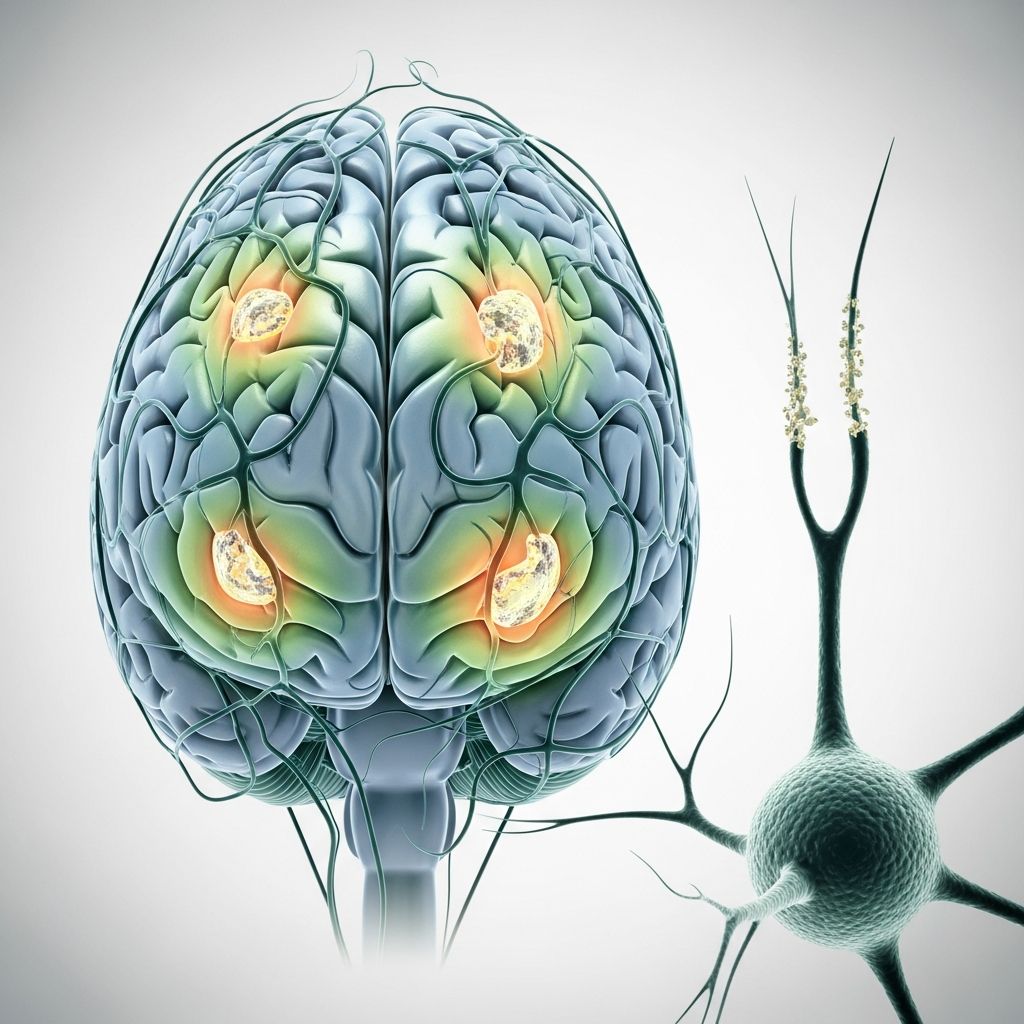
Multiple sclerosis (MS) represents a chronic autoimmune disorder targeting the central nervous system, where the immune response damages the myelin sheath protecting nerve fibers in the brain and spinal cord. This disruption impairs signal transmission, resulting in diverse symptoms that fluctuate in intensity and location.
Core Mechanisms Behind MS
The pathology of MS involves inflammation and demyelination, leading to scarred (sclerotic) plaques that hinder neural communication. Over time, this can progress to axonal loss and neurodegeneration, explaining the variability in disease courses among individuals.
Distinct Forms of Multiple Sclerosis
MS manifests in several patterns, each influencing prognosis and treatment approaches:
- Relapsing-Remitting MS (RRMS): The predominant form, featuring acute exacerbations followed by recovery phases, affecting about 85% of new diagnoses.
- Secondary Progressive MS (SPMS): Evolves from RRMS into steady worsening with or without relapses.
- Primary Progressive MS (PPMS): Characterized by gradual progression from onset without distinct relapses.
- Progressive-Relapsing MS (PRMS): Rare, with progression alongside occasional relapses.
Recognizing Common MS Symptoms
Symptoms arise from lesion locations and can be visible or invisible. Visible ones include mobility issues, while invisible symptoms like fatigue impact daily functioning profoundly.
| Symptom Category | Examples | Prevalence Notes |
|---|---|---|
| Visual | Blurred vision, optic neuritis | Common early sign |
| Motor | Weakness, spasticity, tremors | Affects walking |
| Sensory | Numbness, tingling, pain | Variable intensity |
| Invisible | Fatigue, cognitive fog, mood changes | High prevalence, often underreported |
| Bladder/Bowel | Incontinence, constipation | Requires screening |
Fatigue, for instance, affects up to 80% of patients and demands routine assessment using tools like the Modified Fatigue Impact Scale (MFIS).
Diagnostic Pathways for MS
Confirming MS requires excluding mimics through a multifaceted process. Neurologists evaluate medical history, conduct exams, and employ MRI scans revealing characteristic lesions disseminated in time and space. Lumbar puncture for oligoclonal bands in cerebrospinal fluid and evoked potentials further support diagnosis.
- MRI: Detects white matter lesions.
- Spinal tap: Identifies immune markers.
- Blood tests: Rule out other conditions.
Diagnosis may span multiple visits due to symptom overlap with conditions like Lyme disease or vitamin deficiencies.
Therapeutic Strategies to Manage MS
While no cure exists, interventions focus on relapse reduction, symptom control, and disability mitigation. Disease-modifying therapies (DMTs) form the foundation.
Disease-Modifying Therapies
DMTs modulate immunity to lessen inflammation and lesion formation. Options span injectables, orals, and infusions:
- Injectables: Interferon beta, glatiramer acetate.
- Orals: Fingolimod, dimethyl fumarate.
- Infusions: Ocrelizumab, natalizumab.
Selection depends on disease activity, patient preferences, and risk profiles. High-efficacy DMTs suit aggressive cases.
Symptom-Specific Interventions
- Fatigue: Amantadine, modafinil; exercise programs.
- Spasticity: Baclofen, tizanidine; physical therapy.
- Pain: Gabapentinoids, antidepressants.
- Cognition: Cognitive behavioral therapy (CBT).
Plasmapheresis aids severe relapses unresponsive to steroids.
Holistic Lifestyle Approaches
Beyond pharmacology, lifestyle modifications enhance outcomes. Evidence supports diet, exercise, and stress reduction.
- Nutrition: Mediterranean-style diets rich in omega-3s may reduce inflammation.
- Exercise: Aerobic and strength training combat fatigue and improve mobility.
- Sleep Hygiene: Addresses insomnia via CBT.
- Mindfulness: Reduces depression and anxiety.
Related Stories



Building a Supportive Care Network
Multidisciplinary teams—neurologists, therapists, psychologists—optimize care. Personalized plans integrate DMTs with rehabilitation and psychosocial support.
Regular monitoring via patient-reported outcomes ensures adjustments. Programs like comprehensive care coordination address whole-person needs.
FAQs on Living with Multiple Sclerosis
What causes MS?
Exact causes remain unclear, but genetic susceptibility and environmental triggers like low vitamin D or Epstein-Barr virus play roles.
Can MS be cured?
No cure exists, but treatments significantly alter its course and manage symptoms effectively.
Is MS fatal?
MS rarely causes death directly; life expectancy nears normal with proper management.
How does pregnancy affect MS?
Relapses often decrease during pregnancy but may rise postpartum; planning with specialists is key.
Can diet influence MS progression?
While not curative, anti-inflammatory diets support overall health and symptom control.
Future Directions in MS Research
Ongoing trials explore remyelination agents, neuroprotective drugs, and personalized medicine via biomarkers. Stem cell therapies and advanced immunotherapies promise further advances.
Patient registries and AI-driven predictions enhance early intervention. Participation in clinical trials offers access to innovations.
References
- Understanding Multiple Sclerosis: A Comprehensive Guide — 810 MS Specialty Center. 2023. https://810msspecialtycenter.com/news-updates/understanding-multiple-sclerosis-a-comprehensive-guide/
- Comprehensive Approach to Management of Multiple Sclerosis — PMC (NCBI). 2021-04-28. https://pmc.ncbi.nlm.nih.gov/articles/PMC8057008/
- Overcoming Multiple Sclerosis Handbook: Roadmap to Good Health — Overcoming MS. 2023. https://overcomingms.org/live-well/resources/overcoming-ms-books/overcoming-multiple-sclerosis-handbook-roadmap-to-good-health
- Understanding Multiple Sclerosis: A Guide for Patients — Uptiv Health. 2024. https://www.uptivhealth.com/understanding-multiple-sclerosis-a-guide-for-patients/
- Multiple Sclerosis (MS): What It Is, Symptoms & Treatment — Cleveland Clinic. 2025-02-01. https://my.clevelandclinic.org/health/diseases/17248-multiple-sclerosis
- Understanding Multiple Sclerosis — National MS Society. 2025. https://www.nationalmssociety.org/understanding-ms
- Multiple sclerosis – Diagnosis and treatment — Mayo Clinic. 2024-11-15. https://www.mayoclinic.org/diseases-conditions/multiple-sclerosis/diagnosis-treatment/drc-20350274
Similar Articles








Read full bio of medha deb