Multiple Sclerosis (MS): Causes, Symptoms, and Treatment
Comprehensive guide to understanding MS: symptoms, diagnosis, treatment options, and living well.
Understanding Multiple Sclerosis (MS)
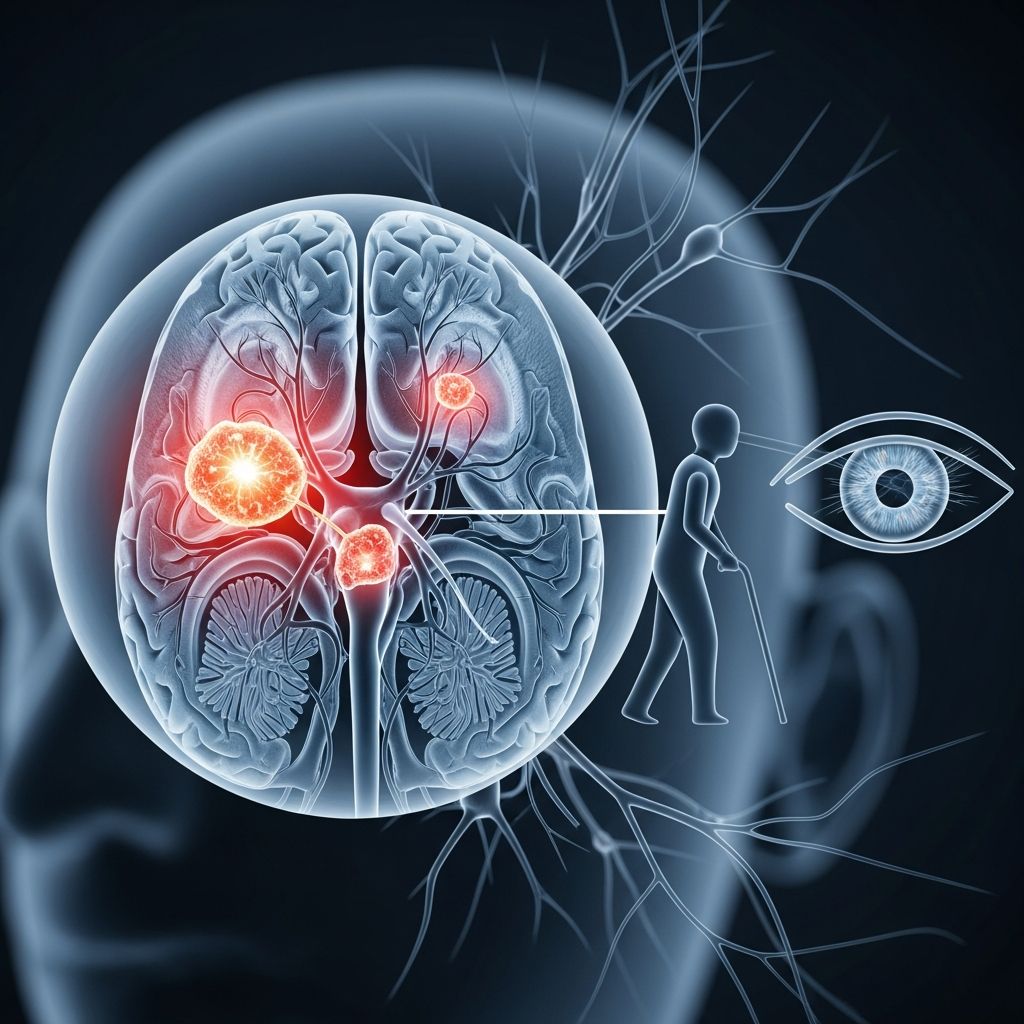
Multiple sclerosis is a chronic neuroinflammatory and neurodegenerative disease that affects the central nervous system, which includes the brain and spinal cord. This complex condition occurs when the body’s immune system mistakenly attacks the myelin sheath—the protective covering surrounding nerve fibers. When myelin is damaged, the ability of nerves to communicate with the rest of the body becomes compromised, leading to a wide range of physical and cognitive symptoms that can vary significantly from person to person.
MS is considered heterogeneous, meaning it presents differently in different individuals. Some people may experience mild symptoms, while others face more severe disabilities. The unpredictability of the disease makes it particularly challenging for patients and healthcare providers to manage effectively. Understanding the nature of MS is the first step toward developing appropriate treatment strategies and coping mechanisms.
Causes and Risk Factors
While the exact cause of multiple sclerosis remains unknown, scientific evidence increasingly suggests that MS develops as a result of complex interactions between genetic and environmental factors. Researchers believe that certain individuals have a genetic predisposition to MS, but environmental triggers are necessary for the disease to actually develop. These triggers may include viral infections, vitamin D deficiency, smoking, and other lifestyle factors.
Geographic location plays an interesting role in MS prevalence. The disease tends to be more common in higher northern latitudes, with research showing increased rates around the 37th parallel and further north. This geographic pattern has led researchers to investigate the role of UV exposure and vitamin D synthesis in disease development. Areas like Baltimore, located around the 39th parallel, show higher MS prevalence compared to regions closer to the equator.
Infections have been implicated as potential triggers for multiple sclerosis. Research indicates that certain viral infections may activate the immune response that leads to MS in genetically susceptible individuals, though the precise mechanisms are still being studied.
Symptoms and Signs
Multiple sclerosis presents with a diverse array of symptoms that can affect various body systems. The most common symptoms include:
- Numbness and tingling in limbs and face
- Weakness and fatigue
- Vision problems, including blurred or double vision
- Loss of balance and coordination difficulties
- Muscle spasticity and stiffness
- Bladder and bowel dysfunction
- Cognitive changes and memory problems
- Emotional changes, including depression and anxiety
- Headaches and dizziness
Depression and other emotional changes occur in more than half of MS patients, making mental health support an essential component of comprehensive MS care. These psychological symptoms can be as debilitating as physical symptoms and significantly impact quality of life. Additionally, cognitive dysfunction is common in MS and can affect memory, processing speed, and executive function, requiring specialized rehabilitation approaches.
Symptoms can appear suddenly or develop gradually over time. They may be mild or severe, temporary or permanent. The pattern and severity of symptoms depend on the amount of nerve damage and which nerves are affected. This variability makes MS difficult to diagnose and manage, as no two patients experience the disease identically.
Related Stories



Types of Multiple Sclerosis
Multiple sclerosis is classified into several distinct types based on disease progression patterns:
Relapsing-Remitting MS (RRMS)
Relapsing-remitting MS is the most common form, affecting approximately 85% of patients at initial diagnosis. This type is characterized by clearly defined relapses (also called exacerbations or flare-ups) followed by periods of remission. During relapses, new symptoms appear or existing symptoms worsen. During remission periods, symptoms may improve partially or completely. The unpredictability of relapses makes this form particularly challenging for patients to manage.
Secondary Progressive MS (SPMS)
Many patients with relapsing-remitting MS eventually transition to secondary progressive MS. Research shows that approximately half of RRMS patients convert to SPMS within about 10 years of disease onset. Secondary progressive MS is characterized by steady disease progression with gradual worsening of symptoms over time. Patients may experience fewer relapses but notice continuous neurological decline. This form typically results in greater physical and cognitive disability.
Primary Progressive MS (PPMS)
Primary progressive MS is characterized by progressive neurological decline from disease onset, without distinct relapses and remissions. This form accounts for approximately 15% of MS cases and typically results in more significant disability accumulation over time.
Progressive-Relapsing MS (PRMS)
Progressive-relapsing MS combines progressive disease course with occasional relapses. This is the rarest form of MS, occurring in a small percentage of patients.
Diagnosis
Diagnosing MS involves a comprehensive evaluation combining clinical assessment, imaging studies, and laboratory tests. There is no single test that definitively diagnoses MS; instead, diagnosis relies on demonstrating evidence of disease disseminated in space and time.
Magnetic Resonance Imaging (MRI)
MRI is a crucial diagnostic tool for MS. Brain and spinal cord MRIs can reveal characteristic lesions or plaques where myelin has been damaged. Hallmark findings include paraventricular white matter lesions that appear disseminated throughout the brain. These lesions may be enhancing (indicating new or active inflammation) or non-enhancing (indicating older lesions). The pattern and location of lesions help establish the diagnosis and assess disease activity.
Cerebrospinal Fluid Analysis
Lumbar puncture allows examination of cerebrospinal fluid for oligoclonal bands and elevated immunoglobulin levels, which support MS diagnosis. These findings indicate inflammation in the central nervous system consistent with MS.
Evoked Potentials
Evoked potential tests measure the speed of nerve impulse conduction. Slowed conduction can indicate demyelination and help support MS diagnosis.
Blood Tests
Blood tests help rule out other conditions that mimic MS symptoms and may assess for biomarkers associated with MS activity.
Treatment Options
While there is no cure for MS, various treatment approaches can help manage symptoms, reduce relapses, and slow disease progression. Treatment strategies are tailored to individual patient needs and disease type.
Disease-Modifying Therapies (DMTs)
Disease-modifying therapies form the cornerstone of MS treatment, particularly for relapsing-remitting MS. These medications work by suppressing immune system activity and reducing inflammation. DMTs can significantly reduce relapse frequency, slow disease progression, and prevent new lesion formation. Modern DMTs offer various delivery methods, including oral medications, injectable medications, and intravenous infusions, allowing patients to choose options that fit their lifestyle.
Symptom Management
In addition to disease-modifying therapies, various medications and therapeutic approaches help manage specific MS symptoms. These may include muscle relaxants for spasticity, medications for fatigue, and treatments for bladder dysfunction. Physical therapy, occupational therapy, and cognitive rehabilitation address functional impairments and help patients maintain independence.
Rehabilitation Psychology
Rehabilitation psychology plays a vital role in comprehensive MS care, focusing on enhancing resilience, improving self-efficacy perceptions, and identifying areas requiring intervention. Psychological services include assessment and treatment of cognitive dysfunction, emotional changes, and adjustment to disease. Early in disease course, interventions may focus on adjustment to diagnosis and coping strategies. As disease progresses, rehabilitation psychology may address disability adaptation and quality of life maintenance.
Mental Health Support
Depression and anxiety commonly occur in MS and require dedicated attention. Mental health professionals can provide counseling, cognitive-behavioral therapy, and medication management to address emotional challenges accompanying MS diagnosis and progression.
Living with Multiple Sclerosis
Adjusting to an MS diagnosis involves significant lifestyle modifications and emotional adaptation. Many patients face challenges integrating their condition into daily life while maintaining activities and pursuits that provide meaning and fulfillment.
Connecting with support communities, such as the MS Society and other patient groups, provides valuable resources and opportunities to share experiences with others facing similar challenges. Many patients find that participating in group-based activities adapted for physical disabilities helps maintain engagement in meaningful pursuits. For example, patients who previously enjoyed hiking might explore accessible trail options or participate in modified outdoor activities with others in the MS community.
Comprehensive MS care involves collaboration among multiple healthcare providers, including neurologists, rehabilitation specialists, psychologists, physical therapists, and occupational therapists. This multidisciplinary approach ensures that patients receive coordinated care addressing physical, cognitive, emotional, and functional aspects of the disease.
Research and Future Directions
Ongoing research continues to advance understanding of MS causes, disease mechanisms, and treatment options. Scientists are investigating the role of infections in MS development, exploring new immunological mechanisms, and developing novel therapeutic approaches. Clinical trials are testing new disease-modifying therapies and rehabilitation strategies aimed at improving patient outcomes and quality of life.
Frequently Asked Questions
Q: Is multiple sclerosis hereditary?
A: While MS has a genetic component and family history increases risk, MS is not directly inherited. Genetic predisposition combined with environmental triggers contributes to disease development. Having a family member with MS increases individual risk, but most people with MS family history never develop the condition.
Q: Can MS be cured?
A: Currently, there is no cure for MS. However, disease-modifying therapies can reduce relapse frequency, slow progression, and prevent new lesion formation. Treatment focuses on managing symptoms and maintaining quality of life.
Q: How is MS diagnosed?
A: MS diagnosis involves clinical evaluation combined with MRI imaging showing characteristic lesions, cerebrospinal fluid analysis, and sometimes evoked potential testing. No single test definitively diagnoses MS; diagnosis requires demonstrating disseminated lesions in space and time.
Q: Can people with MS work?
A: Many people with MS continue working, particularly in early disease stages. Work capacity depends on disease severity, symptom management, and job demands. Workplace accommodations and flexible schedules often help MS patients maintain employment.
Q: What lifestyle changes help manage MS?
A: Regular physical activity, balanced nutrition, stress reduction, adequate sleep, and avoiding smoking benefit MS management. Participation in rehabilitation therapy and mental health support also significantly improves outcomes.
Q: How does MS affect life expectancy?
A: MS itself rarely causes death, though severe disability can increase risks of complications. Most MS patients have normal or near-normal life expectancy, particularly with modern disease-modifying treatments. Life expectancy depends on disease type, progression rate, and overall health management.
Q: Are there different treatment options available?
A: Yes, multiple disease-modifying therapies exist with various delivery methods. Treatment selection depends on disease type, severity, and individual patient factors. Symptom management includes specific medications and rehabilitation therapies tailored to individual needs.
References
- Johns Hopkins Medicine – Multiple Sclerosis (MS) — Johns Hopkins Medicine. 2025. https://www.hopkinsmedicine.org/health/conditions-and-diseases/multiple-sclerosis-ms
- Multiple sclerosis epidemiology and geographical distribution — National Institute of Neurological Disorders and Stroke (NINDS), National Institutes of Health. 2024. https://www.ninds.nih.gov/disorders/all-disorders/multiple-sclerosis-information-page
- Disease-Modifying Therapies for Multiple Sclerosis — National Multiple Sclerosis Society. 2025. https://www.nationalmssociety.org/managing-ms/treatment/disease-modifying-therapies
- Infections and Multiple Sclerosis — Johns Hopkins University Research. 2024. https://pure.johnshopkins.edu/en/publications/infections-and-multiple-sclerosis-6/
- Mental Health and Multiple Sclerosis: Clinical Perspectives — Johns Hopkins Medicine Department of Physical Medicine and Rehabilitation. 2024. https://www.hopkinsmedicine.org
- MRI in Multiple Sclerosis Diagnosis and Monitoring — American Academy of Neurology. 2023. https://www.aan.com
Similar Articles








Read full bio of Sneha Tete