Multiple Sclerosis (MS): Symptoms, Causes & Treatment
Understanding MS: Learn about symptoms, diagnosis, and comprehensive treatment options for multiple sclerosis.
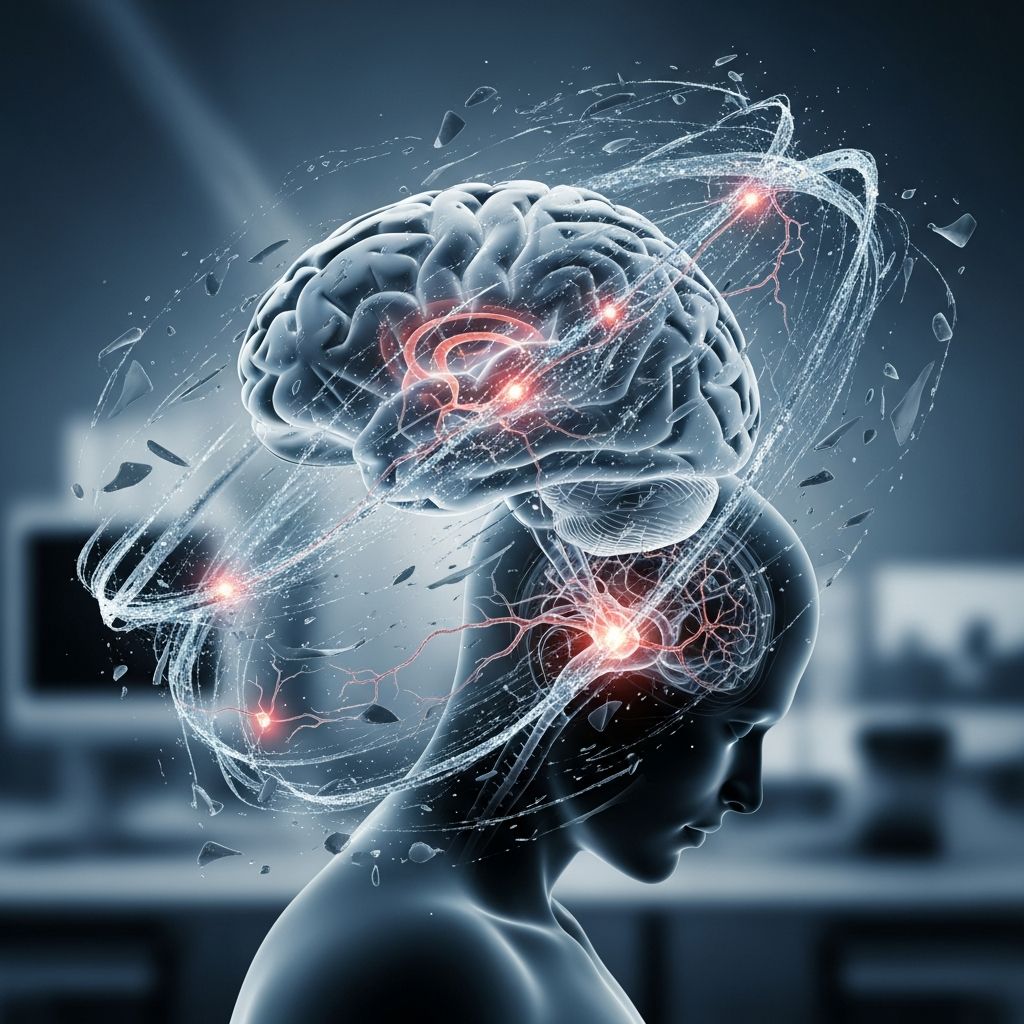
Multiple sclerosis (MS) is a chronic autoimmune disease of the central nervous system that affects millions of people worldwide. This condition occurs when the immune system mistakenly attacks the protective myelin sheath that covers nerve fibers in the brain and spinal cord, disrupting communication between the brain and the rest of the body. Understanding MS, its symptoms, and treatment options is essential for patients and families navigating this complex condition.
What is Multiple Sclerosis?
Multiple sclerosis is a demyelinating disease that affects the central nervous system, comprising the brain and spinal cord. The condition develops when the body’s immune system attacks myelin, the fatty substance that insulates nerve fibers and allows electrical impulses to transmit rapidly and smoothly between the brain and other body parts. Without adequate myelin protection, nerve impulses slow down or stop altogether, leading to various neurological symptoms.
MS is unpredictable in nature, with symptoms and severity varying widely from one person to another. Some individuals experience mild symptoms that progress slowly over years, while others may face more rapid disease progression and significant disability. The condition typically appears in people between the ages of 20 and 40, though it can develop at any age. Women are diagnosed with MS approximately twice as often as men.
Types of Multiple Sclerosis
Multiple sclerosis manifests in several distinct forms, each with different patterns of disease activity and progression:
Relapsing-Remitting MS (RRMS)
Relapsing-remitting MS is the most common form, affecting approximately 85% of people at initial diagnosis. This type is characterized by clearly defined relapses, also called exacerbations or flare-ups, followed by periods of remission when symptoms improve or disappear entirely. During relapses, new symptoms may appear or existing symptoms may worsen, lasting from days to months. Remission periods can last months or even years, during which patients experience few or no symptoms.
Secondary Progressive MS (SPMS)
Secondary progressive MS typically develops after an initial period of relapsing-remitting disease. In this form, patients experience a gradual worsening of symptoms over time, with or without occasional relapses and remissions. The transition from RRMS to SPMS usually occurs after several years of living with the disease, though early and aggressive treatment may delay this progression.
Primary Progressive MS (PPMS)
Primary progressive MS is characterized by progressive worsening from the onset of symptoms, without distinct relapses or remissions. This form accounts for approximately 10-15% of MS cases and typically begins later in life. Patients with PPMS experience gradual accumulation of disability without the fluctuating pattern seen in other MS types.
Progressive-Relapsing MS (PRMS)
Progressive-relapsing MS is the rarest form, occurring in only 5% of patients. This type combines progressive disease course with occasional relapses during which symptoms temporarily worsen beyond the steady progression.
Common Symptoms of Multiple Sclerosis
MS symptoms vary considerably among individuals and can affect multiple body systems. The specific symptoms experienced depend on which nerves are damaged and the extent of that damage. Common MS symptoms include:
Related Stories



Neurological Symptoms
Fatigue is one of the most prevalent symptoms, affecting up to 80% of MS patients. This debilitating exhaustion differs from normal tiredness and may worsen with heat, humidity, or physical exertion. Weakness or numbness may occur in one or more limbs, often affecting one side of the body more than the other. Many patients experience tingling or burning sensations (paresthesia) in various body parts.
Vision Problems
Optic neuritis, inflammation of the optic nerve, causes blurred or dim vision, eye pain with movement, and temporary vision loss. This symptom often appears as an initial MS presentation. Color vision may become impaired, and patients may notice a scotoma, or blind spot, in the center of their visual field.
Balance and Coordination Issues
Dizziness or vertigo frequently accompanies MS, making patients feel as though the room is spinning. Loss of balance, coordination problems, and tremors may develop, affecting the ability to walk steadily or perform fine motor tasks. Ataxia, characterized by uncoordinated movement, may progress as the disease advances.
Cognitive and Emotional Changes
Cognitive impairment affects approximately 50% of MS patients, including difficulties with memory, attention, information processing speed, and executive function. Depression and anxiety are common, occurring in roughly 50% of individuals with MS. Mood swings and emotional instability may also develop.
Bowel, Bladder, and Sexual Function
Urinary urgency and frequency, incomplete emptying, and urinary retention are frequent complications. Constipation and fecal incontinence may also occur. Sexual dysfunction, including reduced libido and difficulty with arousal or orgasm, affects many MS patients.
Causes and Risk Factors
The exact cause of multiple sclerosis remains unknown, but researchers believe it involves a combination of genetic and environmental factors. MS is not directly inherited, but having a first-degree relative with MS increases the risk of developing the disease. Geographic location plays a role, with MS being more common in temperate climates farther from the equator.
Environmental triggers may include viral infections such as Epstein-Barr virus, vitamin D deficiency, smoking, and obesity. The immune system dysfunction in MS may be triggered or perpetuated by exposure to certain pathogens or environmental conditions that cause the body to attack its own nerve tissue.
Diagnosis of Multiple Sclerosis
Diagnosing MS is challenging because no single test can definitively confirm the diagnosis. Instead, neurologists use a combination of clinical evaluation, imaging studies, and laboratory tests to establish the diagnosis while ruling out other conditions that mimic MS.
Diagnostic Criteria
Modern MS diagnosis relies on the McDonald Criteria, which require evidence of lesions in different parts of the central nervous system that occurred at different times. This approach emphasizes dissemination in space and time, meaning MS damage appears in multiple locations and develops over time rather than all at once.
Diagnostic Tests
Magnetic Resonance Imaging (MRI) is the most important diagnostic tool for MS. MRI can detect lesions (areas of damage) in the brain and spinal cord, showing inflammation and demyelination. Multiple lesions in different locations support an MS diagnosis.
Lumbar Puncture (Spinal Tap) involves removing cerebrospinal fluid from the spine to test for oligoclonal bands and immunoglobulin levels, which are often elevated in MS patients. This test helps differentiate MS from other neurological conditions.
Evoked Potentials Tests measure electrical activity in response to visual or sensory stimuli, detecting slowed nerve impulses that indicate demyelination. Visual evoked potentials are particularly useful, as optic neuritis is common in MS.
Optical Coherence Tomography (OCT) is a noninvasive imaging technique that measures retinal nerve fiber layer thickness, which is often reduced in MS patients due to optic neuritis or neurodegeneration.
Blood Tests may be ordered to check for specific antibodies and rule out other autoimmune conditions with similar symptoms.
Treatment Options for Multiple Sclerosis
While there is no cure for MS, various treatments can help manage symptoms, reduce relapse frequency, slow disease progression, and improve quality of life. A comprehensive treatment approach addressing both disease modification and symptom management offers the best outcomes.
Disease-Modifying Therapies (DMTs)
Disease-modifying therapies are medications designed to alter the course of MS by reducing relapses and slowing disability progression. These medications work through various mechanisms, including immunosuppression, immune modulation, and reduction of inflammatory activity.
DMTs are available in multiple formulations—oral medications, injections, and intravenous infusions—allowing patients to choose options that fit their lifestyle and preferences. Common DMTs include interferon beta products, glatiramer acetate, and newer monoclonal antibodies. Early initiation of DMT following diagnosis is strongly recommended, as treating the disease promptly can prevent accumulation of disability and irreversible damage.
Relapse Management
When relapses occur, intravenous corticosteroids are typically administered to reduce inflammation and shorten the duration of the relapse. High-dose methylprednisolone is the standard treatment, often given as three consecutive daily infusions. Oral corticosteroids may be used as an alternative in some cases. Plasma exchange may be considered for severe relapses that don’t respond adequately to steroid therapy.
Symptom Management
Medications and therapies targeting specific symptoms improve daily functioning and quality of life. Muscle relaxants and antispasticity agents address muscle stiffness. Pain management may involve neuropathic pain medications, and depression or anxiety is treated with appropriate psychiatric medications. Bladder symptoms require urological evaluation and may be managed with medications or catheterization. Fatigue management includes medications like amantadine or modafinil, combined with energy conservation techniques.
Rehabilitation and Physical Therapy
Comprehensive rehabilitation services help patients maintain or improve physical function. Physical therapy strengthens muscles, improves balance and coordination, and promotes mobility. Occupational therapy addresses activities of daily living and adaptation strategies. Speech therapy helps patients with speech or swallowing difficulties. Cognitive rehabilitation addresses memory and concentration problems.
Psychological Support
Mental health support is essential for coping with the emotional and psychological challenges of living with MS. Clinical psychologists, counselors, and support groups provide valuable resources for managing depression, anxiety, and the stress of chronic illness.
Living with Multiple Sclerosis
Successfully managing MS involves coordinated care from a multidisciplinary team of healthcare professionals, including neurologists specializing in MS, rehabilitation specialists, nurses, psychologists, and other experts. Regular monitoring through clinical assessments and imaging studies helps track disease progression and treatment effectiveness.
Lifestyle modifications including regular exercise, stress reduction, adequate sleep, and a balanced diet support overall health and may help manage symptoms. Many MS patients benefit from working with healthcare providers to develop personalized treatment plans that address their specific symptoms and concerns.
Frequently Asked Questions
Q: Is MS inherited or genetic?
A: MS is not directly inherited, but genetic factors increase susceptibility. Having a family member with MS raises your risk, but most people with affected relatives never develop the disease. Environmental factors also play a significant role in disease development.
Q: Can MS be cured?
A: Currently, there is no cure for MS. However, disease-modifying therapies can significantly slow disease progression, reduce relapse frequency, and help prevent disability accumulation. Ongoing research continues exploring potential curative approaches.
Q: How is MS diagnosed?
A: MS diagnosis requires MRI evidence of lesions in multiple locations and at different times, supported by clinical findings and laboratory tests like lumbar puncture and evoked potentials. No single test confirms MS; diagnosis relies on comprehensive evaluation.
Q: What is the life expectancy for someone with MS?
A: With modern treatments and better disease management, most people with MS have a normal or near-normal life expectancy. Disability progression varies widely; early treatment and consistent follow-up significantly improve long-term outcomes.
Q: Can I work with MS?
A: Many people with MS continue working successfully, especially with early diagnosis and appropriate treatment. Workplace accommodations, flexible schedules, and symptom management strategies help maintain employment. Career counseling and vocational rehabilitation services are available to support work-related goals.
Q: Are there any dietary treatments for MS?
A: While no specific diet cures MS, maintaining healthy nutrition supports overall health and may help manage symptoms. Some research suggests vitamin D supplementation may be beneficial. Discuss dietary modifications with your healthcare team.
References
- Multiple Sclerosis (MS): What It Is, Symptoms & Treatment — Cleveland Clinic. 2024. https://my.clevelandclinic.org/health/diseases/17248-multiple-sclerosis
- Mellen Center for Multiple Sclerosis — Cleveland Clinic. 2024. https://my.clevelandclinic.org/departments/neurological/depts/multiple-sclerosis
- Multiple Sclerosis Care and Treatment — Cleveland Clinic London. 2024. https://clevelandcliniclondon.uk/clinical-institutes/neurosciences/multiple-sclerosis
- Unveiling Comprehensive Multiple Sclerosis Care — Cleveland Clinic Medical Education. 2024. https://www.clevelandclinicmeded.com/live/courses/mslv/brochure.pdf
- Multiple Sclerosis and Pain Management — Cleveland Clinic Abu Dhabi. 2024. https://www.ccjm.org/content/55/6/568
Similar Articles








Read full bio of medha deb