Mumps: Symptoms, Causes, Treatment & Prevention
Understanding mumps: recognize symptoms, learn prevention strategies, and protect your health.
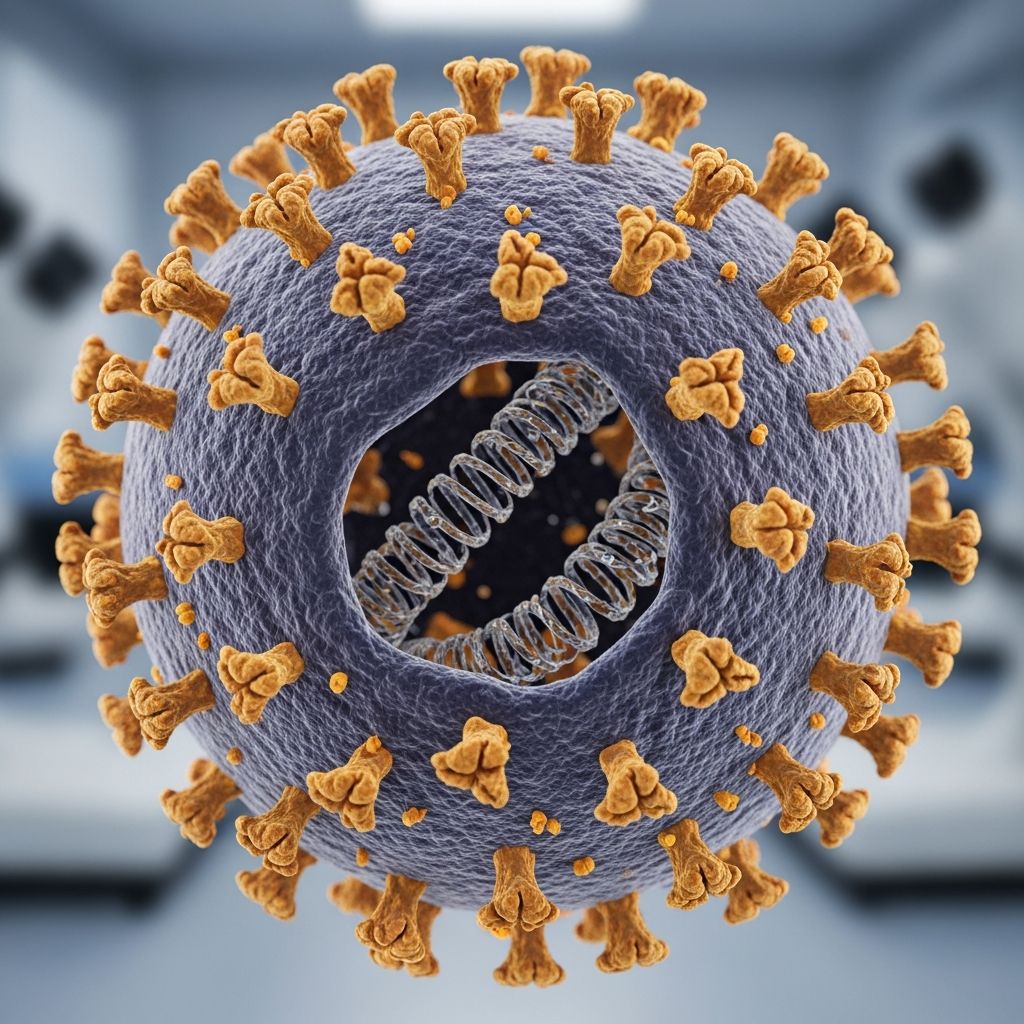
What Is Mumps?
Mumps is a contagious viral infection caused by the mumps virus that primarily affects the salivary glands located below and in front of your ears, known as the parotid glands. When these glands become inflamed, they swell and cause the characteristic puffy cheeks and tender jaw that are hallmark signs of the disease. Although mumps primarily targets the salivary glands, the infection can potentially affect various parts of your body, making it a systemic viral illness that requires attention and care.
Since the introduction of the mumps vaccine in the late 1960s, cases of this disease have become significantly less common in vaccinated populations. However, mumps remains a serious concern in many parts of the world where vaccination rates are lower. The virus spreads easily from person to person through respiratory droplets, making it particularly prevalent in crowded environments where people spend prolonged time together.
How Does Mumps Spread?
Mumps is easily transmitted through saliva and mucus, the sticky fluid found in the nose and throat. The virus spreads when an infected person coughs, sneezes, or shares personal items like utensils or drinks with others. Close contact with an infected individual significantly increases the risk of transmission, which is why mumps outbreaks are most likely to occur in crowded spaces such as sleepaway camps, colleges, and school settings where people spend extended time together.
The contagious period typically extends from a few days before the swelling appears until several days after it subsides, making early identification and isolation important for preventing spread within communities. Anyone who is not protected against mumps through vaccination or prior infection is at risk of contracting the disease.
Symptoms and Incubation Period
One important aspect of mumps is its incubation period—the time between exposure to the virus and the onset of symptoms. It typically takes between 12 and 25 days after exposure for symptoms to appear, though the average is around 2 to 4 weeks. During this period, infected individuals may unknowingly transmit the virus to others before realizing they are sick.
Common Symptoms
The most recognizable symptom of mumps is the painful swelling of the jaw caused by inflamed salivary glands. However, mumps presents with several other symptoms that may appear before or alongside the characteristic swelling:
- Puffy cheeks and tender, swollen jaw
- Fever
- Headache
- Tiredness and fatigue
- Loss of appetite
- Sore muscles
- Dry mouth
Early symptoms can begin several days before the visible swelling of the jaw occurs, allowing for early intervention and isolation to prevent transmission. Most people with mumps recover completely within two weeks without requiring hospitalization.
Complications of Mumps
While most cases of mumps are mild and resolve on their own, the infection can lead to serious complications, particularly in certain populations. Understanding these potential complications underscores the importance of prevention through vaccination.
Related Stories



Meningitis
One of the most serious complications of mumps is viral meningitis, which involves inflammation of the membranes covering the brain and spinal cord. Up to 10% of people with mumps who experience swelling in their jaw and neck may develop meningitis. Symptoms include fever and stiffness in the head and neck area. While most cases of mumps-related meningitis resolve without long-term effects, prompt medical attention is necessary.
Hearing Loss
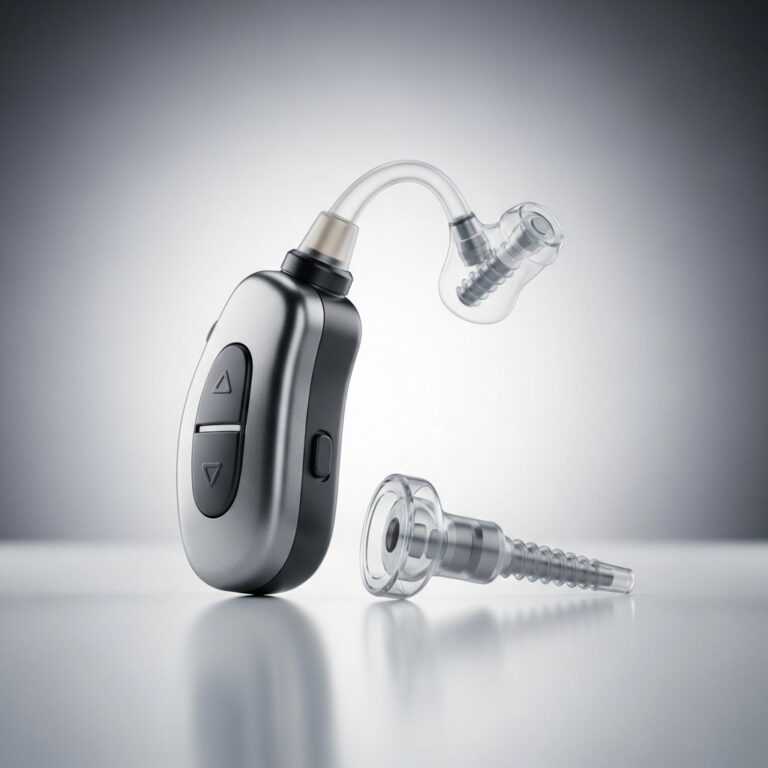
Some individuals with mumps experience hearing loss as a complication. In some cases, hearing may return once recovery is complete, but in other instances, the hearing loss may be permanent. This is particularly concerning as permanent hearing loss can significantly impact quality of life.
Other Potential Complications
Mumps can also lead to encephalitis (brain inflammation), pneumonia, and in rare cases, more severe systemic effects. Orchitis (testicular inflammation) in males and oophoritis (ovarian inflammation) in females are possible complications that can occur during or after the acute illness phase.
Who Is at Risk?
Certain groups of people face higher risks of contracting mumps or experiencing outbreaks. School-aged children, students at post-secondary educational institutions, and healthcare personnel are at higher likelihood of acquiring and spreading the disease due to constant close contact with others. Additionally, people traveling internationally to areas where mumps remains common or those near active outbreaks face increased risk.
Children who haven’t received the mumps vaccine are most likely to contract the disease. Adults who lack vaccination or immunity from prior infection are also vulnerable, particularly if they travel to endemic regions or work in healthcare settings.
Prevention Through Vaccination
The most effective way to prevent mumps is through vaccination with the MMR (Measles-Mumps-Rubella) vaccine. This combination vaccine protects against all three diseases in a single shot. Healthcare providers recommend two doses for optimal protection, with children typically receiving their first dose between ages 12 and 15 months and the second dose between ages 4 and 6 years.
Vaccine Effectiveness
Two doses of the MMR vaccine are 86% effective at preventing mumps, while providing 97% effectiveness against measles and rubella. Getting the recommended two doses makes you nine times less likely to be infected with mumps; even if you do contract the disease after vaccination, symptoms are typically very mild. Vaccinated individuals are also less likely to spread the virus to others if they do become infected.
Additional Vaccine Options
Children ages 12 months to 12 years may receive the MMRV vaccine, which combines protection against measles, mumps, rubella, and varicella (chickenpox) in a single shot. This option provides comprehensive protection against four common childhood diseases.
Vaccine Composition
The MMR vaccine contains weakened (attenuated) live viruses. These weakened viruses won’t cause the full-blown illness in individuals with healthy immune systems. Instead, after vaccination, your immune system recognizes the viruses and develops tools to fight them off if you’re exposed to them in the future, creating lasting immunity.
Vaccine Considerations and Side Effects
Before receiving the MMR vaccine, it’s important to discuss any concerns with your healthcare provider. Most people who receive the MMR vaccine are protected for life against measles and rubella. While the vaccine is also effective at protecting against mumps, some people may lose immunity over time and may need an additional dose during a mumps outbreak.
Common Side Effects
Like all vaccines, the MMR vaccine can cause side effects, though most are mild and temporary:
- Soreness, redness, or swelling at the injection site
- Low-grade fever
- Rash
- Joint pain or stiffness
Rare but Serious Side Effects
Rare but serious side effects can include allergic reactions, characterized by hives, low blood pressure, and swelling of the face, lips, or tongue. Seek immediate medical attention if you experience any of these symptoms. Other rare complications may include fever-related seizures in susceptible individuals.
When to Avoid the MMR Vaccine
Certain conditions warrant avoiding or delaying the MMR vaccine. You shouldn’t get the MMR vaccine if you:
- Are severely allergic to any component of the vaccine
- Have a severely weakened immune system
- Are pregnant
- Have recently received another live vaccine
Talk to your healthcare provider if you have a personal or family history of seizures, have recently received a blood transfusion, or have any ongoing health conditions. Your provider may recommend waiting to get the vaccine or provide guidance on the best timing for vaccination.
Treatment and Management
Currently, there is no specific antiviral treatment for mumps. Treatment focuses on relieving symptoms while your immune system fights off the infection. Management strategies include:
- Rest to allow your body to recover
- Pain relievers and fever reducers as directed by your healthcare provider
- Adequate fluid intake to stay hydrated
- Soft foods to ease discomfort when eating
- Isolation from others to prevent transmission
Most people recover completely within two weeks without requiring hospitalization or specific medical intervention beyond supportive care.
Immunity and Reinfection
If you’ve had mumps, you usually cannot catch it again. Once your body is exposed to the virus, it develops immunity that typically lasts for life. This natural immunity provides protection similar to vaccination. However, some vaccinated individuals may experience waning immunity over time, which is why booster doses may be recommended during outbreaks or for individuals at high risk.
Frequently Asked Questions
Q: What is the difference between mumps and other viral infections?
A: While many viral infections cause similar symptoms like fever and fatigue, mumps is distinctly characterized by painful swelling of the salivary glands on one or both sides of the jaw. This swollen jaw appearance is the hallmark feature that distinguishes mumps from other viral illnesses like the common cold or flu.
Q: Can I get mumps even if I’ve been vaccinated?
A: Yes, some vaccinated individuals can still contract mumps, though this is uncommon. However, the infection is usually milder in vaccinated people, with fewer complications. Two doses of the MMR vaccine provide 86% protection against mumps.
Q: How long should I stay home if I have mumps?
A: You should remain isolated from others for at least five days after the swelling begins to prevent transmission. Consult your healthcare provider for specific guidance based on your situation.
Q: Is the MMR vaccine safe for everyone?
A: The MMR vaccine is safe for most people, but certain groups should avoid or delay vaccination, including those with severe allergies, severely compromised immune systems, and pregnant women. Always discuss your medical history with your healthcare provider before vaccination.
Q: When should I travel internationally, should I be concerned about mumps?
A: Yes, mumps remains common in many countries worldwide. Before traveling internationally, ensure you’ve received both doses of the MMR vaccine or have immunity from prior infection. This is especially important if traveling to regions with active mumps circulation.
Q: Can mumps cause permanent health problems?
A: While most mumps cases resolve completely, complications like permanent hearing loss can occur in rare cases. This underscores the importance of vaccination as prevention, which significantly reduces the risk of serious complications.
References
- MMR Vaccine (Measles-Mumps-Rubella Vaccination): What To Know — Cleveland Clinic. 2025-05-09. https://my.clevelandclinic.org/health/procedures/mmr-vaccine
- About Mumps — Centers for Disease Control and Prevention (CDC). https://www.cdc.gov/mumps/about/index.html
- Mumps: Causes, Symptoms, and Treatment — WebMD. https://www.webmd.com/children/what-are-the-mumps
- Mumps: What you need to know — Immunize Canada. https://www.immunize.ca/sites/default/files/Resource%20and%20Product%20Uploads%20(PDFs)/Products%20and%20Resources/Mumps/mumps_factsheet_web_e.pdf
- Measles: Rash, Causes, Symptoms, Treatment & Prevention — Cleveland Clinic. https://my.clevelandclinic.org/health/diseases/8584-measles
Similar Articles








Read full bio of Sneha Tete