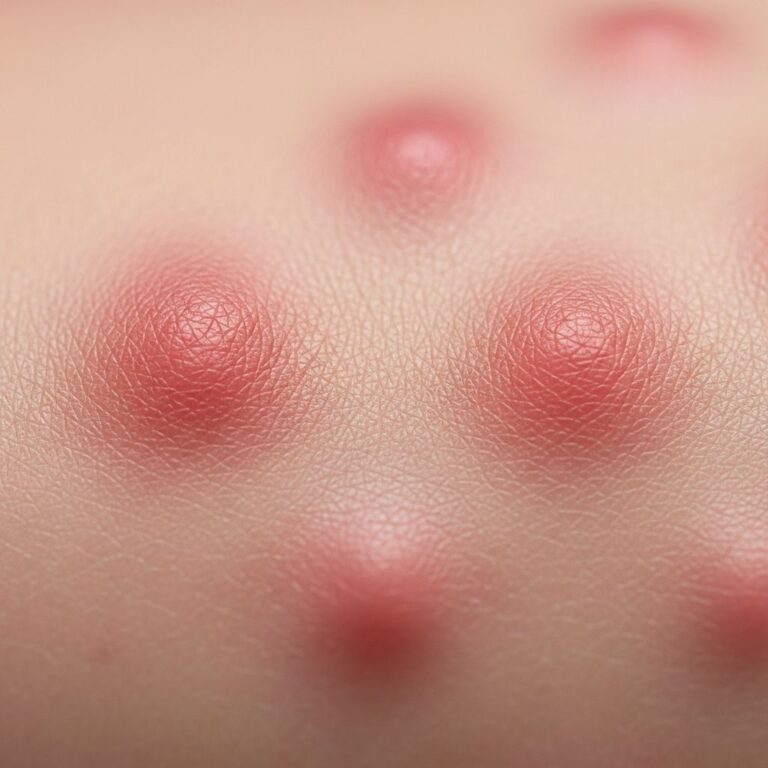
Mupirocin Cream or Ointment: Uses & How to Apply
Complete guide to mupirocin: Learn how this topical antibiotic treats bacterial skin infections effectively.
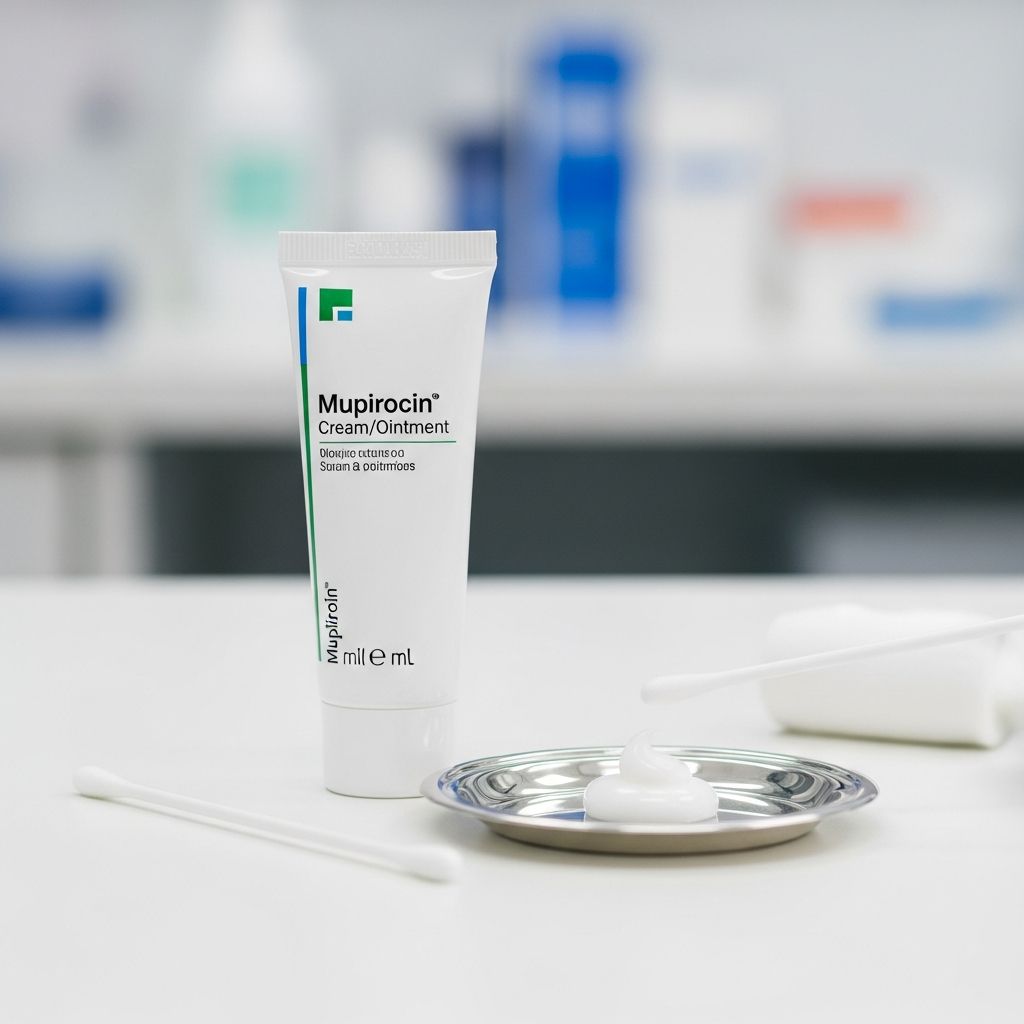
Mupirocin is a prescription topical antibiotic that serves as an effective treatment for various bacterial skin infections. This medication works by killing bacteria or preventing their growth on the skin’s surface, making it an essential tool for healthcare providers when treating conditions ranging from minor cuts and scrapes to more significant skin infections. Understanding how mupirocin works, its proper application, and what conditions it treats can help patients use this medication safely and effectively.
What Is Mupirocin?
Mupirocin is a topical antibiotic medication available in two primary forms: cream and ointment. The medication is only available with a doctor’s prescription and comes under brand names such as Bactroban, Centany, and Centany AT. It belongs to the class of topical antibiotics and is specifically designed to treat bacterial skin infections caused by certain types of bacteria, most commonly Staphylococcus aureus (staph) and Streptococcus pyogenes (strep).
The medication works by interfering with bacterial protein synthesis, which stunts bacterial growth and prevents replication. This mechanism of action makes mupirocin particularly effective against common skin-dwelling bacteria that cause infections in wounds, cuts, and other skin conditions.
How Mupirocin Works
Mupirocin operates through a specific antimicrobial mechanism. It blocks an enzyme that bacteria need to survive, effectively stopping bacterial reproduction and killing existing bacteria on the skin. This action is particularly potent against Staphylococcus aureus, including methicillin-resistant Staphylococcus aureus (MRSA), making it valuable for treating resistant bacterial infections.
It’s important to note that mupirocin is purely antibacterial and does not work against fungal or viral infections. Additionally, this medication is meant for external use only and should never be ingested or used internally. The antibiotic remains on the skin’s surface where it performs its infection-fighting duties without systemic absorption.
FDA-Approved Uses of Mupirocin
The Food and Drug Administration has approved specific uses for mupirocin in both its cream and ointment formulations:
Mupirocin Ointment for Impetigo
Mupirocin ointment is FDA-approved to treat impetigo, a highly contagious bacterial skin infection that commonly affects children. Impetigo typically presents as honey-colored, crusty sores, most frequently appearing around the mouth and nose area. The medication effectively eliminates the bacteria responsible for this condition, including both Staphylococcus aureus and Streptococcus pyogenes. Mupirocin ointment is approved for use in adults and children ages 2 months and older.
Mupirocin Cream for Secondary Skin Infections
Mupirocin cream is FDA-approved specifically for treating secondarily infected traumatic skin lesions—essentially wounds from cuts, scrapes, or other injuries that have become infected. The cream can treat infected lesions up to 10 centimeters in length or 100 square centimeters in area. This formulation is approved for use in adults and children ages 3 months and older.
Signs of Bacterial Skin Infections
Healthcare providers recommend seeking treatment when skin injuries show signs of bacterial infection, including:
- Red, purple, or darker coloration than typical skin
- Oozing or leaking pus
- Swelling around the affected area
- Warmth compared to surrounding skin
- Tenderness or pain
Related Stories



Common Uses of Mupirocin
Wound Care and Minor Injuries
One of the most common uses of mupirocin is treating minor wounds that show signs of bacterial infection. When cuts or scrapes become red, irritated, or develop yellow crusting, mupirocin ointment can help prevent bacteria from spreading and accelerate the healing process. By eliminating bacteria that could cause further complications, mupirocin reduces inflammation and lessens the chances of scarring.
Post-Surgical Wound Care
After minor surgical procedures or suture placement, healthcare providers may apply mupirocin to prevent bacterial growth during the healing phase. This prophylactic use helps reduce infection rates and promotes faster, cleaner healing of surgical sites.
Impetigo Treatment
Impetigo represents one of the primary FDA-approved indications for mupirocin. Children particularly benefit from mupirocin’s effectiveness in quickly clearing the characteristic honey-colored sores associated with this highly contagious condition. Early treatment with mupirocin helps prevent spread to other areas of the body and to other individuals.
Other Bacterial Skin Conditions
Beyond its primary FDA-approved uses, dermatologists often prescribe mupirocin off-label for various bacterial skin infections, including folliculitis (hair follicle inflammation) and furunculosis (boil formation). Additionally, mupirocin has demonstrated effectiveness in treating nose rashes and boils, providing relief from uncomfortable and potentially serious skin conditions.
Acne with Bacterial Component
In certain cases, mupirocin may be prescribed for stubborn or infected acne when a bacterial component is present. While not appropriate for routine acne treatment, dermatologists may recommend mupirocin for infected pimples or persistent breakouts resistant to standard treatments.
Dosage and Application Instructions
Mupirocin Ointment Dosage
| Parameter | Details |
|---|---|
| Form | Topical ointment (2% strength) |
| Dose | Small amount applied to affected area |
| Frequency | Three times daily |
| Duration | 10 days |
| Age Approval | 2 months and older |
Mupirocin Cream Dosage
| Parameter | Details |
|---|---|
| Form | Topical cream |
| Frequency | Three times daily |
| Duration | 10 days |
| Age Approval | 3 months and older |
Proper Application Technique
For optimal results, apply mupirocin thinly to the affected area using a cotton swab or gauze pad. Ensure the area is clean before application. Consistent application three times daily for the full 10-day course is essential for complete infection clearance. If the infection does not begin to improve within 5 days of treatment, consult with your healthcare provider, as this may indicate resistance or a need for alternative treatment.
Special Considerations for Different Populations
Mupirocin Use in Children
Mupirocin is safe and commonly prescribed for children with appropriate age restrictions. Mupirocin ointment can be used in children as young as 2 months old, while the cream formulation is approved for children 3 months and older. Children with impetigo often respond particularly well to mupirocin treatment due to the medication’s effectiveness against the causative bacteria.
Mupirocin Use in Adults
Adults can safely use both mupirocin cream and ointment formulations for their respective approved indications. The dosage and application frequency remain consistent across adult patients, with treatment duration typically spanning 10 days.
Conditions Mupirocin Does NOT Treat
Fungal Infections
Many patients wonder whether mupirocin can treat yeast infections or other fungal conditions. The answer is no. Mupirocin is purely antibacterial and offers no effectiveness against fungal infections. Fungal infections require specific antifungal medications with different mechanisms of action. Using mupirocin for fungal infections will not resolve the condition and may delay appropriate treatment.
Viral Infections
Similarly, mupirocin does not work against viral skin infections. Conditions like cold sores, warts, or other viral skin manifestations require different treatment approaches and should not be treated with mupirocin.
Off-Label Uses of Mupirocin
Beyond FDA-approved indications, healthcare providers may prescribe mupirocin off-label for various conditions based on clinical experience and evidence of effectiveness. In chronic rhinosinusitis treatment, mupirocin has demonstrated the ability to decrease intranasal Staphylococcus levels, potentially reducing biofilm formation that contributes to sinusitis symptoms. Additionally, prophylactic application of mupirocin to peritoneal dialysis catheter sites has shown promise in lowering infection rates in dialysis patients.
Mupirocin has also been used off-label to promote wound healing through a mechanism believed to be associated with increased keratinocyte proliferation. Medical professionals continue to explore and research additional applications for this versatile topical antibiotic.
Potential Side Effects and Precautions
While mupirocin is generally well-tolerated, patients should be aware of potential side effects. Common side effects may include local reactions at the application site such as burning, stinging, itching, or rash. More serious allergic reactions, though rare, can occur. Patients with known allergies to mupirocin or polyethylene glycol should avoid this medication.
Resistance development is another consideration. Some bacteria in certain locations may have developed resistance to mupirocin, reducing its effectiveness. Healthcare providers take this into account when selecting mupirocin as a treatment option.
Drug Interactions and Contraindications
As a topical medication, mupirocin has minimal systemic absorption and relatively few drug interactions. However, patients using multiple topical medications on the same area should inform their healthcare provider to ensure compatibility. Additionally, mupirocin should not be used on individuals with known hypersensitivity to mupirocin or any of its components.
Frequently Asked Questions
Q: How long does mupirocin take to work?
A: Laboratory trials indicate that patients can start seeing improvement with mupirocin treatment within the first few days of consistent application. However, the full 10-day course should be completed as prescribed for complete infection clearance. If no improvement is noted within 5 days, contact your healthcare provider.
Q: Can I use mupirocin on open wounds?
A: Yes, mupirocin is specifically approved for treating secondarily infected traumatic skin lesions, including open wounds caused by cuts or scrapes. Ensure the area is clean before application and follow your healthcare provider’s instructions for optimal results.
Q: Is mupirocin available over-the-counter?
A: No, mupirocin is a prescription-only medication. You must obtain it through a healthcare provider’s prescription. While other over-the-counter ointments exist for wound care, mupirocin’s specific antibacterial action requires professional oversight.
Q: Can mupirocin treat yeast infections?
A: No, mupirocin is ineffective against yeast and other fungal infections. It is purely antibacterial and does not work against fungi. Yeast infections require specific antifungal medications. Using mupirocin for fungal infections will not resolve the condition.
Q: What should I do if my infection doesn’t improve after 5 days?
A: If your infection shows no signs of improvement after 5 days of treatment, contact your healthcare provider. This may indicate bacterial resistance, an incorrect diagnosis, or a need for alternative treatment approaches.
Q: Can I use mupirocin on my face?
A: Yes, mupirocin can be used on facial infections, including impetigo sores around the mouth and nose. Follow your healthcare provider’s specific instructions for facial application to avoid contact with eyes and mucous membranes.
Q: How should I store mupirocin?
A: Store mupirocin at room temperature away from heat and moisture. Keep the container tightly closed and out of reach of children. Do not freeze. Check your medication’s specific storage instructions on the label.
Q: Can I apply mupirocin under a bandage?
A: Yes, you can apply mupirocin and then cover the area with a clean bandage if desired. This can help protect the treated area and prevent bacteria transfer. Ensure the bandage is changed regularly and the area remains clean.
Conclusion
Mupirocin represents an effective and well-established treatment option for bacterial skin infections, particularly impetigo and secondarily infected wounds. Its targeted antimicrobial action, minimal systemic absorption, and proven safety profile make it a preferred choice for healthcare providers treating these conditions. By understanding how mupirocin works, following proper application techniques, and completing the full treatment course, patients can effectively resolve bacterial skin infections and promote faster healing. Always follow your healthcare provider’s specific instructions and contact them if you have concerns about your treatment or if your condition does not improve as expected.
References
- Mupirocin Topical Forms: Ointment Uses, Cream Uses, and More — Medical News Today. 2024. https://www.medicalnewstoday.com/articles/drugs-mupirocin-topical-forms
- Mupirocin (Topical Route) – Description and Dosage — Mayo Clinic. 2024. https://www.mayoclinic.org/drugs-supplements/mupirocin-topical-route/description/drg-20064924
- Mupirocin – StatPearls — National Center for Biotechnology Information (NCBI). 2024. https://www.ncbi.nlm.nih.gov/books/NBK599499/
- Mupirocin Topical (Bactroban, Centany): Uses, Side Effects, and More — WebMD. 2024. https://www.webmd.com/drugs/2/drug-6180/mupirocin-topical/details
- Mupirocin: Uses, Interactions, Mechanism of Action — DrugBank. 2024. https://go.drugbank.com/drugs/DB00410
- Mupirocin Ointment Uses: Guide to Wounds, Acne & Rashes — Ask Stanley. 2024. https://askstanley.com/blog/mupirocin-ointment-uses/
Similar Articles








Read full bio of medha deb