Mupirocin for Skin Infections (Bactroban)
Comprehensive guide to using mupirocin ointment for treating bacterial skin infections like impetigo and boils effectively.
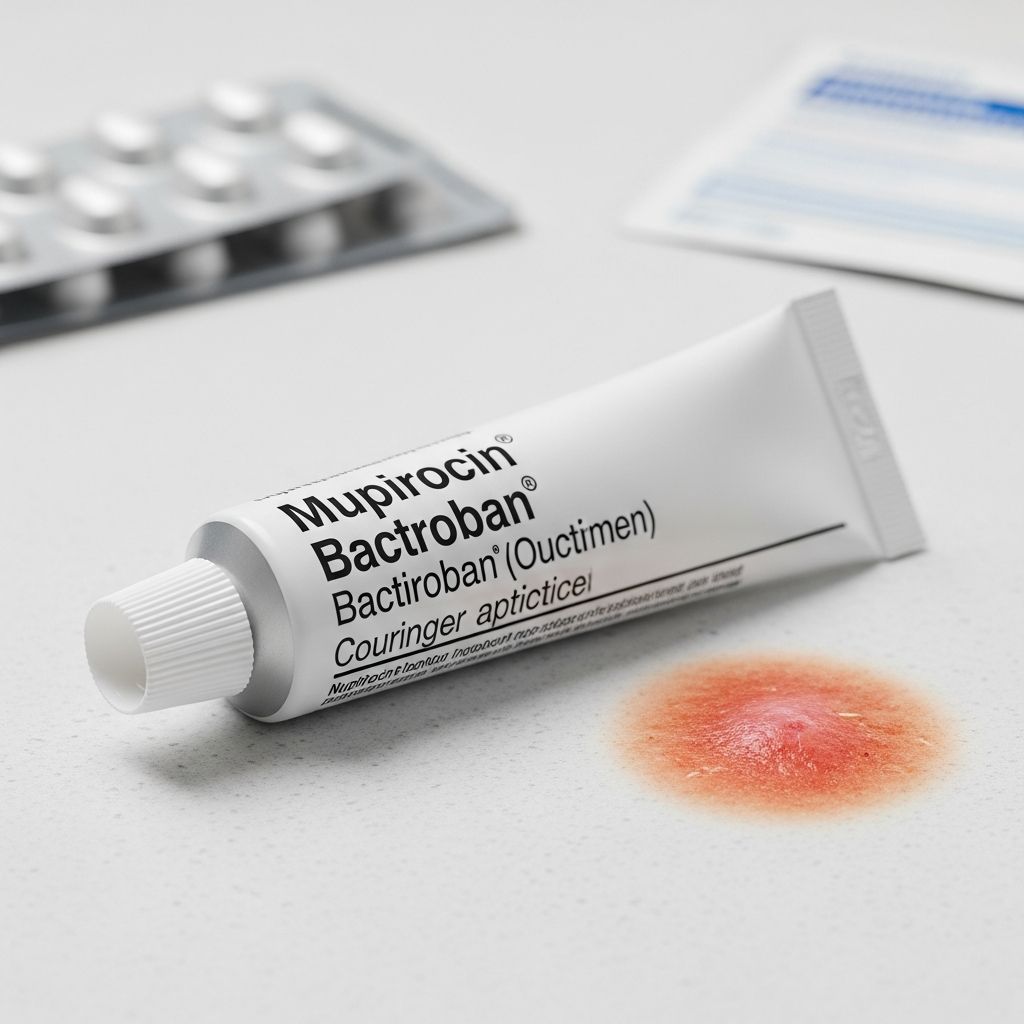
Mupirocin, commonly known by the brand name
Bactroban
, is a topical antibiotic ointment designed to treat bacterial skin infections. It is particularly effective against conditions like impetigo, folliculitis, and furunculosis caused by susceptible bacteria such as Staphylococcus aureus and Streptococcus pyogenes. This article provides a detailed overview of its uses, application methods, side effects, and precautions, mirroring professional medical guidance.About mupirocin for skin infections
**Mupirocin** is the active ingredient in Bactroban ointment, belonging to a class of antibiotics that target bacterial protein synthesis. Unlike oral antibiotics, it is applied directly to the skin, minimizing systemic absorption and side effects. Produced naturally from the bacterium Pseudomonas fluorescens, mupirocin works by binding to bacterial isoleucyl-tRNA synthetase, inhibiting isoleucine incorporation into proteins, which halts bacterial growth and leads to cell death.
Available as a 2% ointment, it is prescription-only in most regions due to concerns over bacterial resistance, particularly from methicillin-resistant Staphylococcus aureus (MRSA). Clinical studies show cure rates of 94-98% for impetigo after one week of treatment. It spares normal skin flora, making it suitable for localized infections.
Key facts about mupirocin
- Drug group: Topical antibiotic (monobactam class, unique mechanism).
- Form: Ointment (2% mupirocin in polyethylene/soft paraffin base); nasal formulation also exists for carrier eradication.
- Brands: Bactroban, Centany, Mupider.
- Prescription status: Prescription-only; previously OTC in some areas but reclassified due to resistance.
- Effectiveness: Bacteriostatic at low doses, bactericidal with prolonged exposure; over 90% success in skin infections.
- Treatment duration: Up to 10 days; discard leftovers to prevent resistance.
When to use mupirocin
Mupirocin is indicated for
primary and secondary bacterial skin infections
in small areas (<10×10 cm or <2.5% body surface).Primary infections treated:
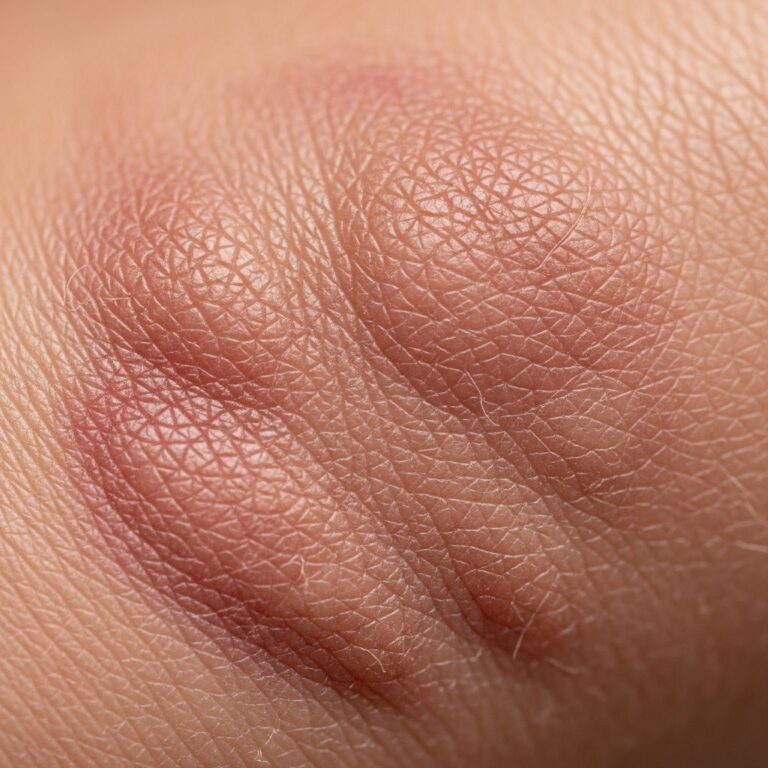
- **Impetigo (school sores):** Honey-crusted lesions on face/extremities caused by S. aureus or S. pyogenes; resolves in 85-98% of cases.
- **Folliculitis:** Infection of hair follicles (e.g., boils, sycosis barbae).
Secondary infections:
- Infected eczema, dermatitis, psoriasis.
- Wounds, cuts, grazes, insect bites, burns, herpes lesions.
Not suitable for: Large areas, deep infections, fungal/viral issues, or resistant bacteria. Consult a doctor for culture if no improvement in 3-5 days.
How to use mupirocin
Apply a
small amount (pea-sized)
to clean, dry affected area3 times daily
for up to 10 days.| Step | Instructions |
|---|---|
| 1. Clean | Wash hands and area with soap/water; pat dry. |
| 2. Apply | Thin layer with clean finger or swab; cover with gauze if needed. |
| 3. Frequency | Every 8 hours; space evenly. |
| 4. Duration | 5-10 days; stop if healed earlier. |
| 5. Finish | Complete course; discard unused ointment. |
Avoid eyes/mouth/nose; do not mix with other topicals (reduces efficacy).
Dosage
Adults/Children: 2% ointment, thin film 3x/day x 5-10 days. Nasal: Small dab inside nostrils 2x/day x 5 days for decolonization. Adjust for children; not for <3 months without advice.
Maximum: Limited skin area to avoid absorption.
Side effects of mupirocin
Generally well-tolerated; affects <1% users severely.
Common (>1/100):
- Itching, burning, stinging, dryness, erythema at site.
- Rash, soreness.
Related Stories



Rare (<1/1000):
- Contact dermatitis, allergic reactions (swelling, hives).
- Cellulitis if misused.
Serious (seek help):
- Anaphylaxis, severe rash, no improvement.
Resistance risk increases with overuse.
How to cope with mupirocin side effects
- Burning/itching: Apply after cooling skin; use sparingly.
- Rash: Stop and consult doctor; may need steroid cream.
- Dryness: Moisturize unaffected areas.
- Monitor for allergy signs (breathing issues, swelling).
Cautions of mupirocin
- Allergies: Avoid if sensitive to mupirocin/polyethylene glycol.
- Kidney issues: Minimal absorption, but caution in severe cases.
- Resistance: Culture if recurrent; not for MRSA unless sensitive.
- Large areas/pregnancy/breastfeeding: Consult doctor.
Interactions
No major drug interactions due to topical use. Avoid mixing with other ointments (inactivates mupirocin).
Other medicines, food and drink, and pregnancy warnings
- Pregnancy: Category B; low risk, use if needed.
- Breastfeeding: Safe; avoid breast application.
- Food: None.
- Inform doctor of all meds.
Common questions about mupirocin
Frequently Asked Questions (FAQs)
Is mupirocin a steroid?
No, it is an antibiotic, not a steroid. It kills bacteria, not inflammation.
Can I use mupirocin on broken skin?
Yes, for infected wounds/cuts, but only small areas.
How quickly does mupirocin work?
Improvement in 3-5 days; full course needed.
Is mupirocin good for MRSA?
Effective against some MRSA; confirm sensitivity.
Can children use mupirocin?
Yes, from 3 months+; same dose.
What if mupirocin doesn’t work?
See doctor for swab; may need oral antibiotics.
References
- BACTROBAN OINTMENT Consumer Medicine Information — Medsafe, New Zealand Government. 2023. https://www.medsafe.govt.nz/consumers/cmi/b/bactroban.pdf
- Mupirocin topical (Bactroban, Centany) – Uses, Side Effects — WebMD. 2024-10-15. https://www.webmd.com/drugs/2/drug-6180/mupirocin-topical/details
- Mupirocin: Uses, Interactions, Mechanism of Action — DrugBank Online. 2025-01-01. https://go.drugbank.com/drugs/DB00410
- Mupirocin — DermNet NZ. 2024. https://dermnetnz.org/topics/mupirocin
- Mupirocin – StatPearls — NCBI Bookshelf. 2023-11-20. https://www.ncbi.nlm.nih.gov/books/NBK599499/
- Mupirocin Ointment: Uses & How to Apply — Cleveland Clinic. 2024. https://my.clevelandclinic.org/health/drugs/20357-mupirocin-cream-or-ointment
- Mupirocin Ointment Uses in Wound Care — Wound Care Education Institute. 2023. https://blog.wcei.net/mupirocin-ointment-uses-wound-care
Similar Articles








Read full bio of medha deb