Mupirocin Complete Guide: Uses, Dosage, Side Effects & Efficacy
Comprehensive guide to mupirocin: topical antibiotic for impetigo, skin infections, and MRSA decolonization.
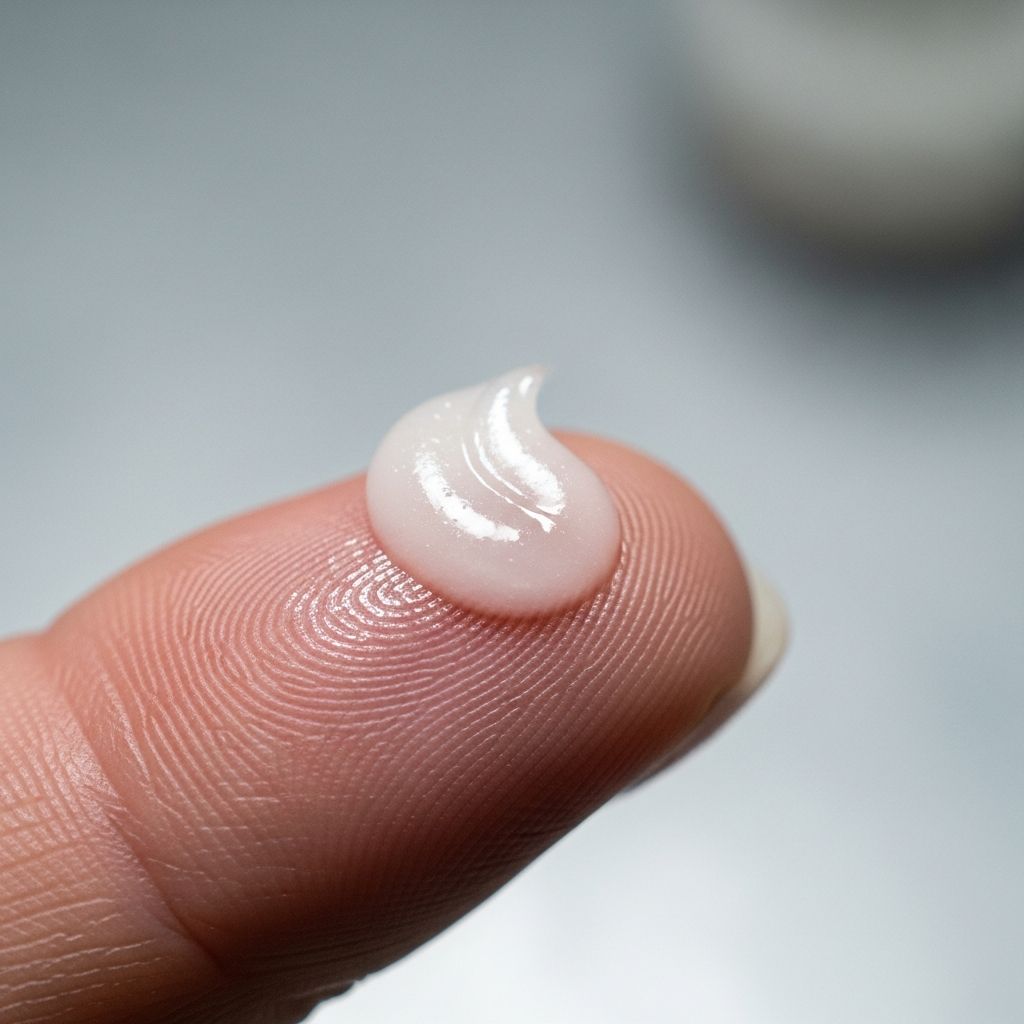
Authoritative facts about mupirocin from DermNet New Zealand dermatological society. Mupirocin is a prescription topical antibiotic used primarily for bacterial skin infections such as impetigo. It is available as an ointment or cream, effective against specific gram-positive bacteria.
What is mupirocin?
Mupirocin, also known by the brand name
Bactroban
, is a topical antibacterial agent derived from Pseudomonas fluorescens. Unlike other antibiotics, it belongs to a unique class that inhibits bacterial protein synthesis by binding to isoleucyl-tRNA synthetase. This mechanism prevents cross-resistance with common antibiotics like penicillin or erythromycin.Available formulations include 2% ointment in a polyethylene glycol base for moist lesions and 2% cream in a water-miscible base for drier skin conditions. Intranasal ointment is used for staphylococcal decolonization. Mupirocin is not suitable for systemic use due to rapid metabolism into inactive monic acid.
What is mupirocin used for?
**Mupirocin** treats superficial skin infections caused by susceptible bacteria, particularly Staphylococcus aureus (including MRSA) and Streptococcus pyogenes. FDA-approved indications focus on impetigo and secondarily infected traumatic lesions.
- Impetigo: Highly effective, with cure rates over 90-98% in clinical trials.
- Secondary skin infections: In eczema, burns, lacerations, abrasions, and sutured wounds.
- Folliculitis: Bacterial hair follicle infections.
- **Nasal carriage:** Intranasal application eradicates S. aureus and MRSA in carriers, reducing infection risk.
Off-label uses include wound care for chronic ulcers, otorrhea, sinonasal irrigation, and peritoneal dialysis prophylaxis. Experts recommend limiting burn use to <20% body surface area and <5 days.
How does mupirocin work?
Mupirocin selectively binds bacterial isoleucyl-tRNA synthetase, blocking isoleucine attachment to tRNA and halting protein synthesis. It spares human enzymes due to structural differences. Bactericidal at higher concentrations, with MBC 8-30 times MIC for key pathogens.
Excellent activity against:
- Staphylococcus aureus (MSSA/MRSA)
- Staphylococcus epidermidis
- Streptococcus pyogenes and beta-hemolytic streptococci
No activity against gram-negatives like Pseudomonas or fungi/viruses.
Approvals and regulation
FDA-approved for topical impetigo treatment due to S. aureus and S. pyogenes (Bactroban Ointment/Cream). Nasal formulation approved for decolonization. Widely used globally as the top topical for MRSA impetigo.
Preparations and formulations
| Formulation | Concentration | Base | Indications |
|---|---|---|---|
| Ointment | 2% | Polyethylene glycol | Moist/weeping lesions (impetigo, infected dermatoses) |
| Cream | 2% | Water-miscible | Dry lesions (eczema, traumatic wounds) |
| Intranasal ointment | 2% | Paraffin | Nasal decolonization |
Apply thinly 2-3 times daily for 5-10 days. Nasal: pea-sized amount per nostril twice daily for 5 days.
Dosage and application
- Clean and dry affected area.
- Apply small amount with cotton swab or gloved finger, covering 1-2 cm beyond lesion.
- Gently massage in; do not cover unless directed.
- For nasal use: insert swab, rotate, discard.
- Wash hands after application.
Treatment duration: 5 days for nasal, up to 10 days for skin. Do not exceed 2 weeks to avoid resistance.
Efficacy and clinical studies
Clinical trials show 94-98% response in impetigo after 1 week. Over 90% bacterial elimination and clinical cure in primary/secondary infections. Nasal mupirocin clears MRSA in carriers, though recolonization may occur. Superior to placebo; comparable to oral erythromycin with fewer systemic effects.
Adverse effects
Generally well-tolerated with low systemic absorption.
- Common (>1%): Burning, stinging, itching, dryness, erythema.
- Rare: Contact dermatitis (allergic to polyethylene glycol base), rash, nausea.
- Nasal: Headache, rhinitis, taste disturbance.
Discontinue if severe irritation. Hypersensitivity rare; contraindicated in known allergy.
Precautions
Related Stories



- Avoid eyes; rinse if contact occurs.
- Not for deep/extensive infections requiring systemic therapy.
- Polyethylene glycol base absorbed percutaneously; caution in renal impairment.
- Resistance risk: Limit use, culture if no improvement in 3-5 days.
- Pregnancy/Lactation: Category B; use if benefit outweighs risk.
Resistance and alternatives
Bacterial resistance via mutated isoleucyl-tRNA synthetase (low prevalence). MRSA remains susceptible in most cases. Alternatives: fusidic acid, retapamulin, oral cephalexin for failures. Overuse promotes resistance; reserve for confirmed susceptible infections.
Interactions
Minimal due to topical use. Avoid concurrent polyethylene glycol-sensitive topicals. No significant drug interactions reported.
Brands and availability
Bactroban (GSK), generics worldwide. Prescription required.
History and etymology
Discovered in 1971 from Pseudomonas fluorescens. Named from ‘mup’ (organism) + ‘irocin’ (suffix). FDA approved 1987.
Related topics
- Impetigo
- Methicillin-resistant Staphylococcus aureus
- Staphylococcal carriage
- Topical steroids
Frequently asked questions
What is mupirocin used for?
Mupirocin treats impetigo and secondary bacterial skin infections from S. aureus and S. pyogenes.
Is mupirocin good for wounds?
Yes, for secondarily infected traumatic wounds; off-label for chronic wounds with MRSA.
How long should mupirocin be used?
5-10 days for skin; 5 days nasal. Max 2 weeks to prevent resistance.
Can mupirocin be used for MRSA?
Yes, effective topically and intranasally against MRSA.
Does mupirocin have side effects?
Common: mild burning/itching. Rare: allergy or dermatitis.
References
- Bactroban (Mupirocin) Clinical Experience and Indications — Skin Therapy Letter. 2023. https://www.skintherapyletter.com/drug-profiles/clinical-experience-indications/
- Mupirocin: Uses, Interactions, Mechanism of Action — DrugBank Online. 2025-01-15. https://go.drugbank.com/drugs/DB00410
- Mupirocin – StatPearls — NCBI Bookshelf. 2024-10-20. https://www.ncbi.nlm.nih.gov/books/NBK599499/
- Mupirocin Ointment Uses in Wound Care — WCEI Blog. 2024. https://blog.wcei.net/mupirocin-ointment-uses-wound-care
- Mupirocin FDA Label — U.S. FDA. 2002-11-15. https://www.accessdata.fda.gov/drugsatfda_docs/label/2002/50788_Mupirocin_lbl.pdf
- Mupirocin Topical — MedlinePlus. 2025. https://medlineplus.gov/druginfo/meds/a688004.html
Similar Articles








Read full bio of Sneha Tete