Muscle Atrophy: Causes, Symptoms & Treatment
Understanding muscle atrophy: types, causes, symptoms, and evidence-based treatment options.
What Is Muscle Atrophy?
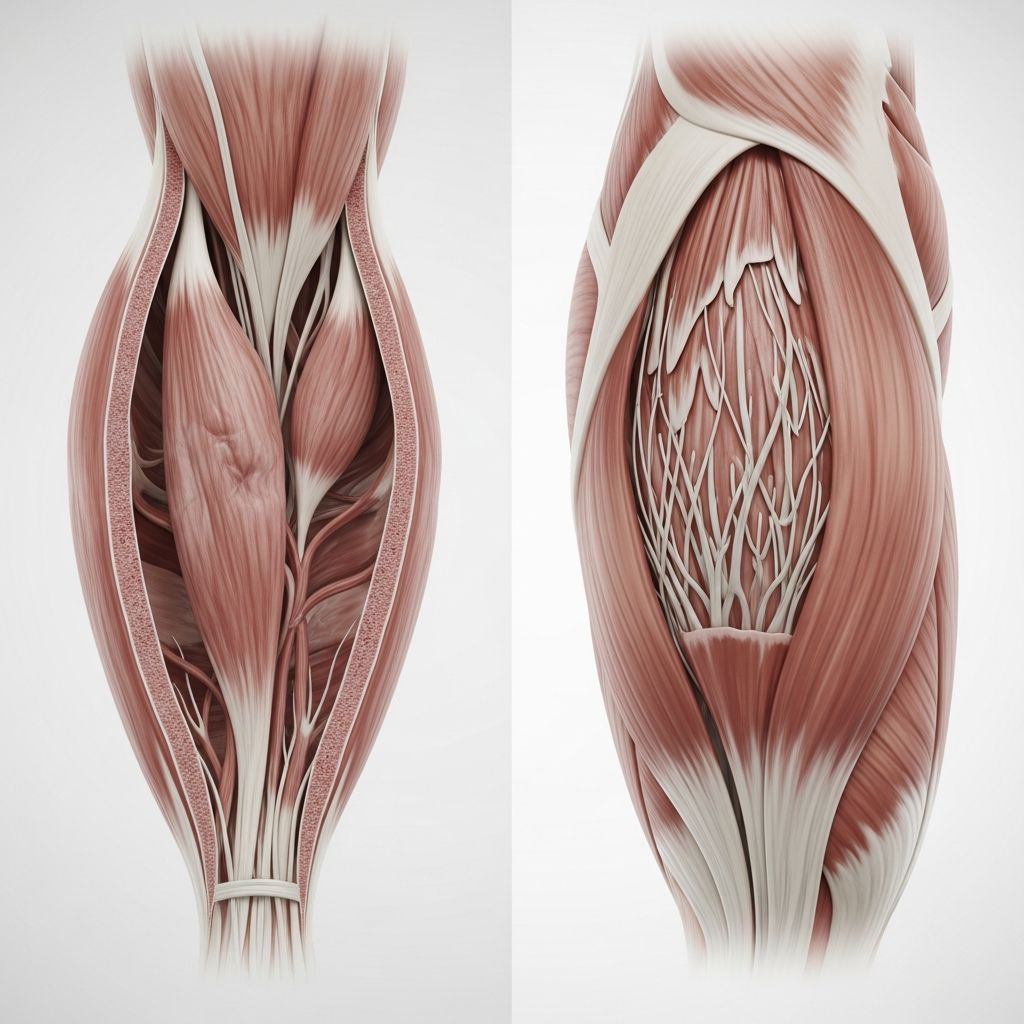
Muscle atrophy is the wasting or thinning of your muscle mass, resulting in a visible decrease in muscle size and strength. This condition occurs when muscles become smaller and weaker, often appearing noticeably reduced compared to normal muscle tissue. Muscle atrophy can develop due to various factors, including disuse of muscles, aging, genetic predisposition, malnutrition, lack of physical activity, or certain medical conditions affecting nerve function.
When you have atrophied muscles, you’ll observe a significant reduction in muscle mass and the ability to generate strength. The condition can affect one or multiple muscle groups throughout the body, leading to noticeable asymmetry or overall weakness.
Types of Muscle Atrophy
Understanding the different types of muscle atrophy is crucial for determining appropriate treatment approaches. There are two primary categories of muscle atrophy, each with distinct causes and progression patterns.
Disuse (Physiologic) Atrophy
Disuse atrophy occurs when you don’t use your muscles enough, typically due to prolonged immobility, sedentary lifestyle, or recovery from injury. This type of atrophy develops relatively quickly—the process can begin within two to three weeks of not using your muscles. The good news is that disuse atrophy is often reversible with appropriate intervention.
Neurogenic Atrophy
Neurogenic atrophy results from injuries or diseases affecting the nerves that connect to your muscles. When these nerves are damaged, they cannot trigger the muscle contractions necessary to stimulate muscle activity. Without these signals, your body perceives that the muscles are no longer needed and begins breaking them down, causing them to decrease in size and strength. This type of atrophy may develop sooner than disuse atrophy, depending on the severity of the underlying health condition.
Causes of Muscle Atrophy
Muscle atrophy can stem from numerous causes, ranging from lifestyle factors to serious medical conditions. Understanding these underlying causes helps in developing effective prevention and treatment strategies.
Disuse-Related Causes
Prolonged immobility represents a primary cause of disuse atrophy. Situations that lead to muscle disuse include bed rest during illness recovery, casting or bracing following injury, space travel, sedentary lifestyle choices, and limited physical activity. Weight loss without proper nutrition can also accelerate muscle loss, as the body may break down muscle tissue for energy.
Neurogenic Causes
Conditions affecting nerve function that lead to neurogenic atrophy include spinal cord injuries, peripheral neuropathy, multiple sclerosis, amyotrophic lateral sclerosis (ALS), Parkinson’s disease, and various myopathies. Additionally, inflammatory conditions, autoimmune disorders, and certain medications can damage the nerves controlling muscle function.
Age-Related Factors
Sarcopenia, the age-related progressive loss of muscle mass and strength, represents a significant type of muscle atrophy. Typically, people begin losing muscle at a rate of 1-2 percent per year starting around age 35. The prevalence of sarcopenia ranges from 5% to 13% in people ages 60 and older, increasing to 11% to 50% in people ages 80 and older. Physical inactivity and unhealthy dietary habits can accelerate this natural age-related muscle loss.
Symptoms of Muscle Atrophy
The symptoms of muscle atrophy vary depending on the type and underlying cause of your condition. Recognizing these symptoms early can facilitate prompt diagnosis and treatment.
Primary Symptoms
The most obvious sign of muscle atrophy is reduced muscle mass. When you look in the mirror or observe your limbs, you’ll notice your muscles appear noticeably smaller than normal. This visible reduction in size often concerns patients and prompts them to seek medical evaluation.
Related Stories



Additional Symptoms
Beyond reduced muscle size, individuals with muscle atrophy may experience:
– Decreased muscle strength and weakness in affected areas- One limb appearing significantly smaller than the corresponding limb on the opposite side of the body- Numbness, tingling, or unusual sensations in your limbs- Difficulty performing everyday activities that previously required minimal effort- Reduced endurance and stamina during physical exertion- Loss of balance or coordination in advanced cases
Diagnosis of Muscle Atrophy
Accurate diagnosis is essential for determining the underlying cause and appropriate treatment strategy. Your healthcare provider will employ several diagnostic approaches.
Physical Examination
During your initial evaluation, your healthcare provider will conduct a thorough physical exam and ask detailed questions about your symptoms, medical history, and lifestyle factors. They will carefully examine your arms and legs, measuring your muscle mass to quantify the degree of atrophy. This hands-on assessment helps determine which muscles are affected and the severity of the condition.
Diagnostic Tests
Your healthcare provider may order additional tests to identify the underlying cause, including:
– Blood tests to measure muscle enzymes and assess overall health- Electromyography (EMG) to evaluate muscle electrical activity- Nerve conduction studies to assess nerve function- Imaging studies such as MRI or ultrasound to visualize muscle tissue- Muscle biopsy in cases where specific myopathies are suspected- Genetic testing if hereditary conditions are suspected
Timeline for Muscle Atrophy Development
The rate at which muscle atrophy develops depends on several individual factors. Age plays a significant role—older adults typically experience faster muscle loss than younger individuals. Your baseline fitness level also influences progression, with sedentary individuals experiencing atrophy more readily than those with established exercise routines. The underlying cause substantially affects the timeline as well.
Disuse atrophy can begin within two to three weeks of inactivity. In some cases, research has demonstrated that a previously fit older person who becomes sedentary can lose up to 25 percent of their strength in as little as two weeks. Neurogenic muscle atrophy may develop sooner, depending on the severity and nature of the nerve damage or underlying health condition.
Treatment Options for Muscle Atrophy
Treatment approaches vary significantly based on the type and severity of atrophy. A personalized treatment plan developed with your healthcare provider offers the best outcomes.
Treatment for Disuse (Physiologic) Atrophy
The primary treatment approach for disuse atrophy involves regular exercise combined with proper nutrition. Your healthcare provider may recommend physical therapy or a customized exercise plan tailored to your specific situation and capabilities.
Exercise Strategies: Water-based exercises offer particular benefits for individuals with disuse atrophy, as exercising in water reduces muscle workload while still promoting strengthening. Even if you cannot actively move certain joints, passive exercises using splints or braces can help maintain muscle function and prevent further deterioration.
Resistance Training: For individuals at elevated risk of muscle loss, strength training proves more effective than cardiovascular exercise alone. Progressive resistance training helps rebuild muscle mass more effectively than walking or biking alone, though a combination of both activities provides comprehensive benefits.
Nutritional Support: Your healthcare provider may recommend working with a registered dietitian to develop a healthy eating plan. Adequate protein intake is crucial for muscle preservation and rebuilding, with recommendations reaching up to 1.6 grams per kilogram of body weight daily for individuals at risk of muscle loss. Nutritional supplements may be suggested to support your recovery goals.
Treatment for Neurogenic Atrophy
Unfortunately, neurogenic atrophy typically cannot be reversed because of the physical damage done to the nerves controlling muscle function. However, treatment options can help slow progression and maintain existing muscle function.
Electrical Stimulation Therapy: A specialized form of physical therapy called electrical stimulation offers promise for neurogenic atrophy management. During this treatment, your physical therapist places electrodes on your skin over the affected muscles. These electrodes send small electrical impulses to your nerves and muscles, artificially stimulating muscle contractions. This approach helps maintain muscle mass and strength in situations where voluntary muscle activation is compromised.
Emerging Therapies: Researchers are investigating myostatin inhibitors as a potential treatment class for muscle atrophy. Myostatin naturally inhibits muscle development and function, so by inhibiting this inhibitor, theoretically better muscle development and function could be achieved.
Recovery and Prognosis
The timeline for recovering muscle strength after atrophy depends on the type of atrophy and severity of the condition. Disuse atrophy is usually reversible, though recovery requires time and consistent effort. You may begin noticing improvement after several months of regular exercise and proper nutrition, but full recovery of strength can take considerably longer.
Success in reversing muscle atrophy requires commitment to:
– Regular, consistent exercise appropriate to your current fitness level- Adequate protein intake and overall balanced nutrition- Sufficient sleep and rest for muscle recovery and growth- Following your healthcare provider’s recommendations precisely- Potentially working with physical therapy professionals
While neurogenic atrophy presents greater challenges due to nerve damage, maintaining current muscle function through electrical stimulation and appropriate exercise can prevent further decline and maintain quality of life.
Prevention Strategies
Preventing muscle atrophy is significantly easier than treating established atrophy. Key prevention strategies include maintaining regular physical activity throughout your life, incorporating both cardiovascular exercise and strength training into your routine, ensuring adequate protein intake in your diet, and maintaining a healthy body weight. For older adults, these preventive measures become increasingly important as natural age-related muscle loss accelerates.
Frequently Asked Questions
Q: How quickly can muscles atrophy?
A: Disuse atrophy can begin within two to three weeks of inactivity. In some cases, previously fit individuals can lose significant strength rapidly—up to 25 percent in as little as two weeks when becoming sedentary. Neurogenic atrophy may develop even faster depending on the severity of nerve damage.
Q: Can muscle atrophy be reversed?
A: Disuse (physiologic) atrophy is often reversible through regular exercise and proper nutrition. However, neurogenic atrophy caused by nerve damage typically cannot be reversed, though treatments can help maintain existing muscle function and prevent further decline.
Q: How much protein do I need to prevent muscle loss?
A: For individuals at risk of muscle loss, protein intake recommendations reach up to 1.6 grams per kilogram of body weight daily. Your healthcare provider or dietitian can calculate your specific protein needs based on your age, weight, and health status.
Q: Is walking sufficient to prevent muscle atrophy?
A: While walking provides cardiovascular benefits, resistance training and strength exercises are more effective for preventing and reversing muscle atrophy, particularly for older adults and those at elevated risk of muscle loss.
Q: What role does sleep play in muscle recovery?
A: Adequate sleep is essential for muscle recovery and growth. Better sleep hygiene supports the body’s natural muscle-building processes and should be part of any comprehensive muscle recovery program.
References
- Muscle Atrophy: Causes, Symptoms & Treatment — Cleveland Clinic. 2024. https://my.clevelandclinic.org/health/diseases/22310-muscle-atrophy
- What happens when you lose muscle? Cleveland Clinic Research on risks, predictors and prevention — Cleveland Clinic Lerner Research Institute. 2024. https://www.lerner.ccf.org/news/article/?title=What+happens+when+you+lose+muscle
- Sarcopenia (Muscle Loss): Symptoms & Causes — Cleveland Clinic. 2024. https://my.clevelandclinic.org/health/diseases/23167-sarcopenia
- Muscle Mass Can Decline 25% In As Little As 2 Weeks — UC Berkeley Retirement Center. 2024. https://retirement.berkeley.edu/publications/muscle-mass-can-decline-25-little-2-weeks-we-can-get-it-back
- Myopathy for the general internist: Statins and much more — Cleveland Clinic Journal of Medicine. 2018. https://www.ccjm.org/content/86/10/656
Similar Articles








Read full bio of Sneha Tete