Muscle Relaxers: 7 Common Options, Uses & Risks
Explore prescription muscle relaxers, their uses, side effects, and safety for relieving spasms and pain effectively.
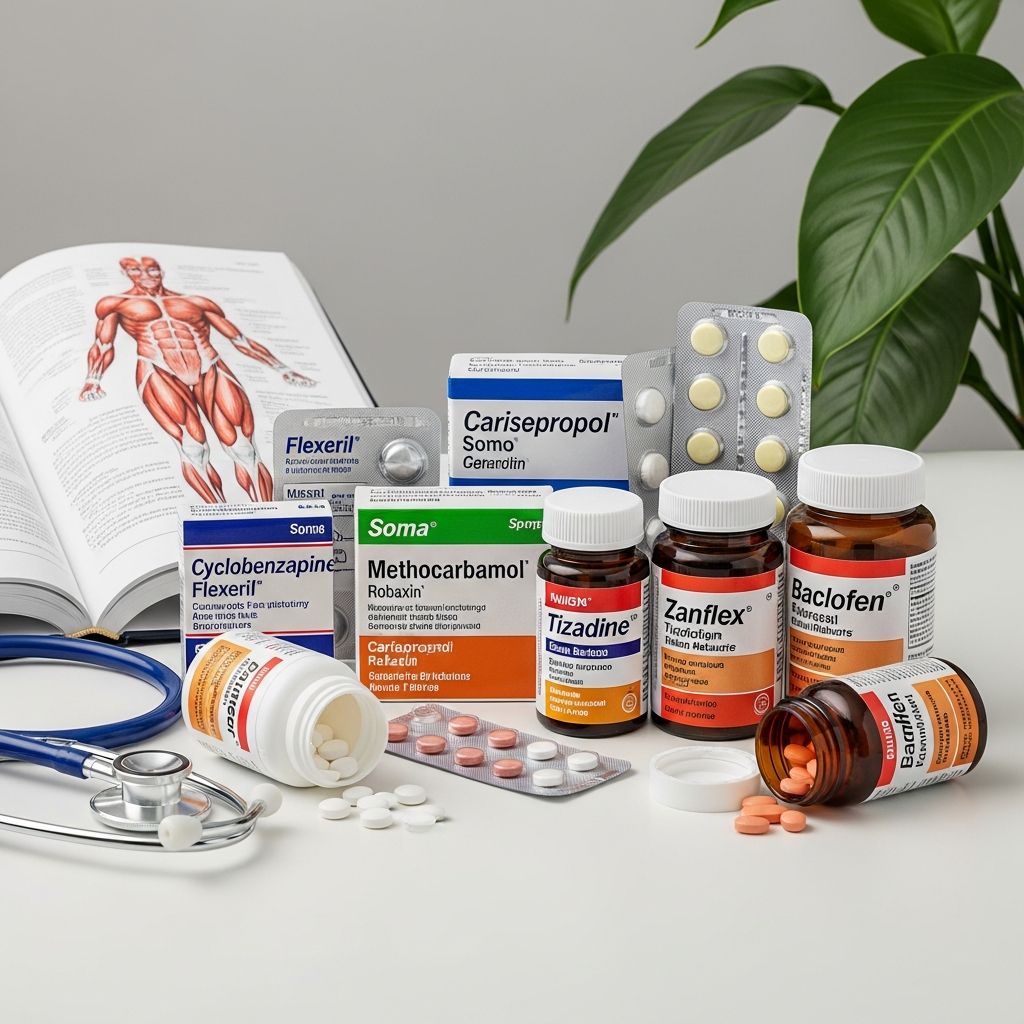
Muscle relaxers, also known as skeletal muscle relaxants, are prescription medications designed to relieve muscle spasms, spasticity, and associated musculoskeletal pain. These drugs are typically used short-term alongside rest, physical therapy, and other treatments for conditions like acute back pain, neck strain, or neurological disorders.
What Are Muscle Relaxers?
Muscle relaxers primarily target
skeletal muscle spasms
andspasticity
. Spasms are sudden, involuntary contractions often from injury or strain, while spasticity involves continuous muscle tightness due to neurological damage, such as in multiple sclerosis (MS) or spinal cord injuries. They fall into two main classes: antispasmodics for spasms and antispastics for spasticity. Most act as central nervous system (CNS) depressants, reducing nerve signals to muscles or inducing sedation.Unlike over-the-counter (OTC) options, true muscle relaxers require a prescription in the U.S. OTC pain relievers like ibuprofen or acetaminophen can help mild soreness but don’t directly relax muscles.
Types of Muscle Relaxers
Skeletal muscle relaxants are categorized by mechanism and use. Here’s an overview:
- Antispasmodics (Centrally Acting): Treat acute spasms from musculoskeletal conditions. Examples include cyclobenzaprine and methocarbamol.
- Antispastics: Manage chronic spasticity from neurological issues. Baclofen and dantrolene are common.
- Direct-Acting: Like dantrolene, which acts on muscles without CNS sedation.
List of Common Prescription Muscle Relaxers
Below is a table of frequently prescribed muscle relaxers, including brand names, uses, and typical dosages. Always consult a healthcare provider for personalized dosing.
| Generic Name | Brand Name(s) | Primary Use | Typical Dosage | Administration |
|---|---|---|---|---|
| Cyclobenzaprine | Flexeril, Amrix | Acute muscle spasms | 5-10 mg up to 3x/day | Oral tablet/capsule |
| Baclofen | Lioresal | Spasticity (MS, spinal cord injury) | 5-20 mg 3-4x/day | Oral, intrathecal |
| Methocarbamol | Robaxin | Muscle spasms, pain | 1,500 mg 4x/day initially, then taper | Oral, IV/IM |
| Carisoprodol | Soma | Acute musculoskeletal pain | 250-350 mg 3x/day | Oral |
| Metaxalone | Skelaxin | Muscle spasms with pain | 800 mg 3-4x/day | Oral |
| Tizanidine | Zanaflex | Spasticity | 2-4 mg every 6-8 hours | Oral |
| Dantrolene | Dantrium | Spasticity (stroke, MS) | 25-100 mg 2-4x/day (max 400 mg) | Oral, IV |
This list draws from U.S. prescribing practices; availability varies.
How Do Muscle Relaxers Work?
Most muscle relaxers are centrally acting, depressing the CNS to block pain signals or reduce muscle tone. For instance:
- Cyclobenzaprine mimics tricyclic antidepressants, enhancing inhibitory neurotransmitters.
- Baclofen activates GABA-B receptors in the spinal cord to inhibit reflexes.
- Dantrolene uniquely acts peripherally by interfering with calcium release in muscle cells.
Effects onset in 30-60 minutes and last 4-6 hours.
Common Uses for Muscle Relaxers
Providers prescribe them for:
- Acute back or neck pain: Short-term relief with spasms.
- Spasticity: From cerebral palsy, MS, stroke, or spinal injuries.
- Fibromyalgia or tension headaches: Limited evidence; not first-line.
- Post-surgery or injury: To aid recovery with therapy.
Guidelines recommend 2-3 weeks max for acute issues due to limited long-term efficacy.
Side Effects of Muscle Relaxers
Common side effects stem from CNS depression:
- Drowsiness/dizziness: Affects 30-50% of users; avoid driving.
- Dry mouth, fatigue, headache.
- Serious risks: Liver damage (dantrolene), dependence (carisoprodol, diazepam).
**Drug interactions:** Potentiate with alcohol, opioids, or sedatives—increased overdose risk. Metaxalone risks serotonin syndrome with SSRIs.
Are Muscle Relaxers Safe? Warnings and Precautions
Muscle relaxers carry risks, especially long-term:
- Addiction potential: Carisoprodol and diazepam are controlled substances.
- Long-term use: Systematic reviews show minimal benefit for chronic low back pain or fibromyalgia beyond placebo; harms include tolerance.
- Contraindications: Avoid in glaucoma, liver disease, or elderly due to falls.
- No OTC muscle relaxers exist; NSAIDs are safer for mild cases.
Related Stories



Pregnant individuals should discuss risks—most are Category C.
Alternatives to Muscle Relaxers
Non-drug options often preferred:
- Physical therapy, stretching, heat/ice.
- NSAIDs (ibuprofen) or acetaminophen.
- Exercise, yoga for chronic pain.
- Injections: Botox or trigger point for refractory spasms.
When to See a Doctor
Seek care if spasms persist >1 week, accompany weakness/numbness, or follow injury. Never self-medicate.
Frequently Asked Questions (FAQs)
What are the top 5 muscle relaxers?
Commonly prescribed: baclofen (Lioresal), cyclobenzaprine (Flexeril), methocarbamol (Robaxin), carisoprodol (Soma), metaxalone (Skelaxin).
Are there over-the-counter muscle relaxers?
No true OTC muscle relaxers in the U.S.; use NSAIDs or acetaminophen for relief.
Can muscle relaxers be addictive?
Yes, especially carisoprodol and diazepam; limit to short-term use under supervision.
How long do muscle relaxers take to work?
Typically 30-60 minutes; effects last 4-6 hours.
Are muscle relaxers safe with alcohol?
No—dangerous CNS depression; avoid completely.
References
- Muscle Relaxers: List of 17 Prescription Medications — Healthline. 2023. https://www.healthline.com/health/muscle-relaxers
- Muscle relaxers: Types, side effects, safety, and more — Medical News Today. 2023. https://www.medicalnewstoday.com/articles/muscle-relaxers
- Muscle Relaxers: What They Are, Uses, Side Effects & Types — Cleveland Clinic. 2023. https://my.clevelandclinic.org/health/treatments/24686-muscle-relaxers
- Side Effects of Muscle Relaxers — American Addiction Centers. 2023. https://americanaddictioncenters.org/prescription-drugs/side-effects-of-muscle-relaxers
- List of Common Muscle Relaxers — Spine-health. 2023. https://www.spine-health.com/treatment/pain-medication/muscle-relaxants
- Long-Term Use of Muscle Relaxant Medications for Chronic Pain — PMC (NIH). 2024. https://pmc.ncbi.nlm.nih.gov/articles/PMC11413720/
- Long-Term Use of Muscle Relaxant Medications for Chronic Pain — JAMA Network Open. 2024. https://jamanetwork.com/journals/jamanetworkopen/fullarticle/2823750
Similar Articles








Read full bio of medha deb