Muscle Spasms and Cramps: Causes, Treatments & Prevention
Understanding muscle spasms: Learn causes, symptoms, treatments, and prevention strategies.
Understanding Muscle Spasms and Muscle Cramps
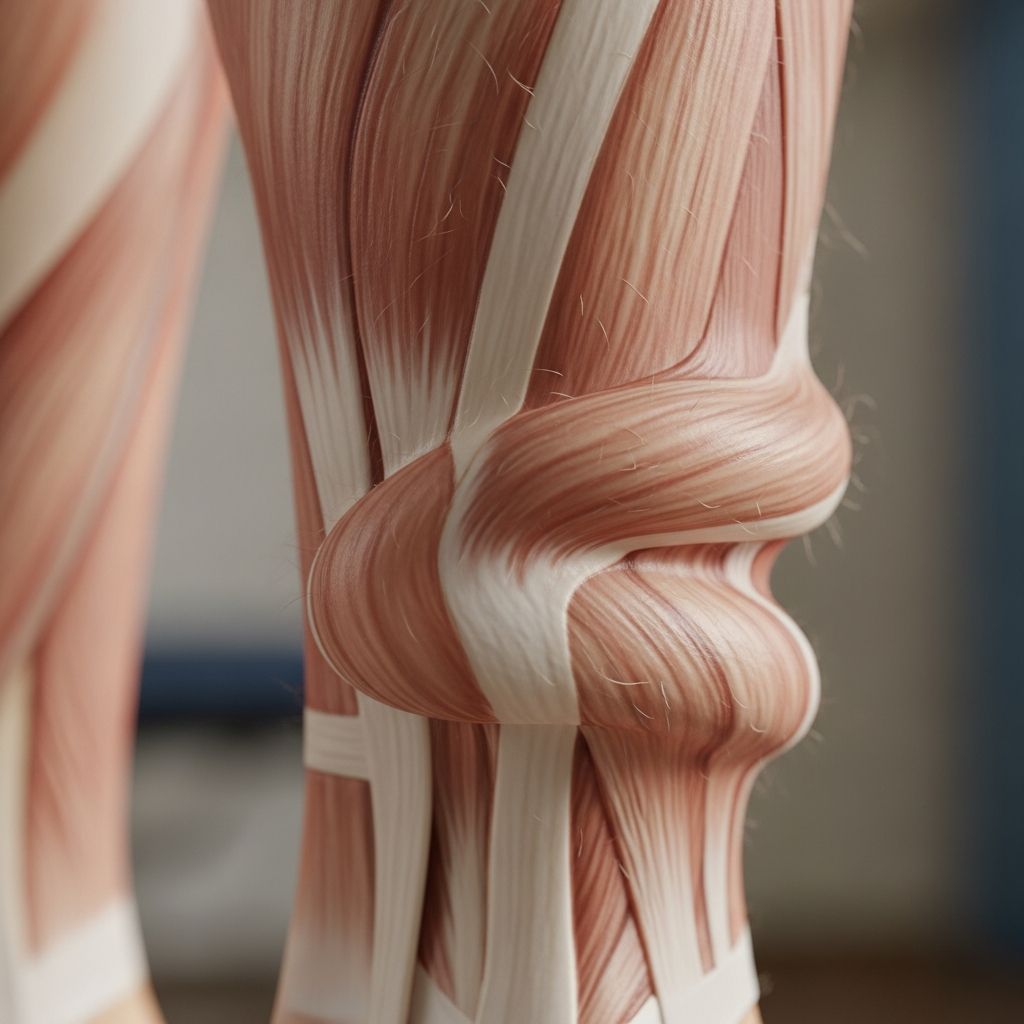
Muscle spasms, commonly known as muscle cramps, are involuntary and forceful contractions of your muscles that occur uncontrollably and prevent the muscle from relaxing. These painful tightening episodes are normal, quite common, and can affect anyone at any time. While muscle spasms can develop in one or multiple areas of your body, they’re usually not serious and can involve part or all of a muscle or several muscles in a group. You can experience muscle spasms anywhere on your body, though certain locations are more prone to these episodes than others.
Common Types of Muscle Spasms
Muscle spasms can occur in various locations throughout your body, with some being more prevalent than others. The most commonly affected areas include the legs, feet, back, and hands. Nocturnal leg cramps, which occur during sleep or at night, are particularly bothersome for many people as they can disrupt sleep patterns and cause significant discomfort. Foot cramps, often called charley horses, are another frequent occurrence that can temporarily limit mobility. Understanding which areas are most susceptible to spasms can help you better manage and prevent them.
Symptoms and Severity of Muscle Spasms
Muscle spasms can range significantly in severity from mild to severe. In mild cases, you might experience a sensation similar to your muscle jumping around on its own, and you may even notice visible twitching beneath the skin. In more severe instances, your entire muscle may stiffen into a tight ball, particularly common with leg cramps. When a cramp is particularly painful, you might experience lingering discomfort in that area for a day or two after the episode resolves. Some muscle spasms cause twitching without any associated pain, while others are so painful that you cannot move until the spasm subsides. You might even notice that your muscle appears distorted or feels hard to the touch during these episodes.
Duration and Frequency of Cramps
Typically, muscle spasms last anywhere from several seconds to 15 minutes or longer and may recur multiple times before completely disappearing. The unpredictable nature of these episodes makes them challenging to manage, though understanding their typical duration can help you prepare for and manage discomfort when they occur.
Who Is Most Likely to Experience Muscle Spasms
Certain populations are more predisposed to experiencing muscle spasms than others. Factors that increase your likelihood of developing muscle cramps include age, physical activity level, pregnancy status, and certain medical conditions. Understanding whether you fall into a higher-risk category can help you take proactive steps to prevent spasms from occurring.
Underlying Causes of Muscle Spasms
While experts aren’t exactly sure why some people experience muscle spasms more frequently than others, multiple contributing factors are typically involved. Common causes include dehydration, electrolyte imbalances, inadequate stretching, muscle fatigue, and prolonged muscle tension. Additionally, vitamin and mineral deficiencies can play a significant role in the development of muscle cramps.
Vitamin and Mineral Deficiencies
Deficiencies in specific vitamins and minerals are known to contribute to muscle cramp development. These nutritional shortfalls can disrupt the delicate balance required for proper muscle function and contraction. If you suspect you might have a vitamin or mineral deficiency contributing to your muscle cramps, discussing supplementation options with your healthcare provider is advisable.
Related Stories



Nocturnal Leg Cramps: Specific Causes
Leg cramps that occur at night have specific contributing factors distinct from daytime cramps. These nocturnal episodes can result from pregnancy, dehydration, and certain medications. Understanding these specific triggers can help you implement targeted prevention strategies for nighttime relief.
When Muscle Spasms Indicate a Serious Condition
While most muscle spasms aren’t a cause for concern, in some cases they can indicate an underlying neurological condition that affects your brain’s ability to help your muscles move. When involuntary muscle movements result from a neurological condition, this is called dystonia. Severe muscle cramps throughout your entire body could indicate an electrolyte imbalance or serious underlying medical conditions such as atherosclerosis, thyroid disease, or multiple sclerosis (MS). If you experience severe muscle cramps all over your body, you should visit your local emergency room immediately.
Additional Symptoms Associated with Neurological Conditions
If muscle spasms result from a neurological condition, you may develop additional symptoms beyond the muscle contractions themselves. These can include pain, muscle weakness, poor coordination, and other neurological manifestations. If you have chronic muscle cramps accompanied by these symptoms, scheduling an appointment with a healthcare provider is important to determine whether an underlying neurological issue exists.
Diagnostic Evaluation and Questions Your Provider May Ask
When evaluating your muscle spasms, your healthcare provider will review your health history, current medications, and ask specific questions about your symptoms. These questions help identify potential triggers and underlying causes. Your provider may inquire about when the spasms started, how frequently they occur, what activities seem to trigger them, and whether any recent life changes coincided with their onset.
Immediate Relief Strategies for Muscle Spasms
There’s no pill or injection that instantly relieves muscle spasms, but several strategies can help stop muscle cramps quickly when they occur. Applying heat through a heating pad or warm bath can help relax muscles and increase blood flow to the affected area. Stretching the affected muscle gently and gradually can often provide relief. Massage therapy applied to the cramping muscle can help ease tension and promote relaxation. For foot and other localized cramps, nonsteroidal anti-inflammatory creams or medications like ibuprofen (Advil) or naproxen sodium (Aleve) can provide immediate pain relief.
Long-Term Treatment Options
Muscle Relaxer Medications
If you have severe or frequent muscle spasms, your healthcare provider may prescribe muscle relaxers to help ease your symptoms. Muscle relaxers can be effective at reducing spasm severity, though they come with potential side effects including drowsiness, dizziness, and nausea. Because of these side effects, muscle relaxers may not be suitable as a long-term solution for everyone. It’s essential to discuss the risks and benefits of muscle relaxer medications with your healthcare provider to determine if they’re appropriate for your situation.
Physical Therapy and Stretching
Adequate stretching is key to maintaining muscles that are as strong and supple as possible. Regular stretching routines can significantly reduce the frequency and severity of muscle spasms. Physical therapy can teach you proper stretching techniques and help identify muscle imbalances contributing to your cramps.
Prevention Strategies for Muscle Spasms
You don’t have to simply live with muscle spasms. While they may be unpredictable, several steps can help you soothe them or even prevent them in some cases. Maintaining proper hydration is essential, as dehydration is a common trigger for muscle cramps. Ensuring adequate intake of vitamins and minerals, particularly magnesium and potassium, can help prevent deficiency-related cramps. Regular stretching and warm-up routines before physical activity can reduce spasm incidence. Avoiding overexertion and allowing adequate recovery time between intense physical activities is also important.
When to Seek Medical Attention
While most muscle spasms resolve on their own without medical intervention, certain situations warrant professional evaluation. You should see your healthcare provider if spasms are unbearably painful, happen frequently, or last for an extended period. Additionally, you should talk to your provider right away if you develop any concerning symptoms alongside your muscle spasms.
Emergency Warning Signs
Call 911 or go to your nearest emergency room if you have signs of a serious medical emergency. These include severe muscle cramps all over your body that don’t improve with home treatment, muscle spasms accompanied by chest pain or difficulty breathing, or cramps resulting from a known serious condition that has worsened dramatically.
Calf Pain and Blood Clots
If you have severe or sudden calf pain that doesn’t improve after a day or two of rest, contact your provider. Calf pain and other symptoms of muscle strain may actually indicate serious medical conditions such as blood clots, deep vein thrombosis (DVT), nerve damage, or Achilles tendonitis. These conditions require prompt medical evaluation to rule out dangerous complications.
Questions to Ask Your Healthcare Provider
If you’re experiencing frequent muscle spasms, several important questions can guide your discussion with your healthcare provider. Ask whether your spasms might indicate an underlying condition requiring treatment, what prevention strategies are most appropriate for your situation, whether medication might be beneficial, and what warning signs should prompt immediate medical attention. Understanding these aspects can empower you to take an active role in managing your muscle spasm symptoms.
Frequently Asked Questions
Q: What is the difference between muscle spasms and muscle twitches?
A: While both involve involuntary muscle movements, muscle spasms are typically more intense, sustained contractions that can be painful, while muscle twitches are usually brief, visible movements that often don’t cause discomfort.
Q: Can dehydration really cause muscle cramps?
A: Yes, dehydration can cause muscle spasms because it reduces blood flow and disrupts electrolyte balance necessary for proper muscle function.
Q: Are muscle relaxers the only treatment for severe muscle spasms?
A: No, while muscle relaxers can be helpful, other treatments including stretching, massage, heat therapy, and physical therapy can also effectively manage severe muscle spasms.
Q: How long does a typical muscle cramp last?
A: Most muscle spasms last from a few seconds to 15 minutes or longer and may recur multiple times before completely disappearing.
Q: Should I be worried if I get occasional muscle cramps?
A: Occasional muscle cramps are usually not serious. However, if they become frequent, severe, or accompanied by other symptoms like weakness or poor coordination, you should consult your healthcare provider.
Q: What vitamins help prevent muscle cramps?
A: Magnesium, potassium, calcium, and vitamin D are all important for muscle function, and deficiencies in these nutrients can contribute to muscle cramps. Discuss supplementation options with your healthcare provider.
References
- Muscle Spasms (Muscle Cramps): Causes, Treatment & Prevention — Cleveland Clinic. 2023-10-20. https://my.clevelandclinic.org/health/diseases/muscle-spasms-muscle-cramps
- Muscle Relaxers: What They Are, Uses, Side Effects & Types — Cleveland Clinic. https://my.clevelandclinic.org/health/treatments/24686-muscle-relaxers
- Are Foot Cramps Cramping Your Style? — Cleveland Clinic Health. https://health.clevelandclinic.org/dont-let-foot-cramps-charley-horses-slow
- How to Prevent Leg Cramps and Treat Them at Home — Cleveland Clinic Health. https://health.clevelandclinic.org/how-to-prevent-leg-cramps-and-treat-them-at-home
- Spasticity: What It Is, Causes, Symptoms & Treatment — Cleveland Clinic. https://my.clevelandclinic.org/health/symptoms/14346-spasticity
- Leg Muscles: Anatomy and Function — Cleveland Clinic. https://my.clevelandclinic.org/health/body/22220-leg-muscles
Similar Articles








Read full bio of medha deb