Muscle Strains: Causes, Symptoms, Treatment & Recovery
Understanding muscle strains: Learn causes, symptoms, grades, and effective treatment options for recovery.
Muscle Strains: Comprehensive Guide to Causes, Symptoms, and Treatment
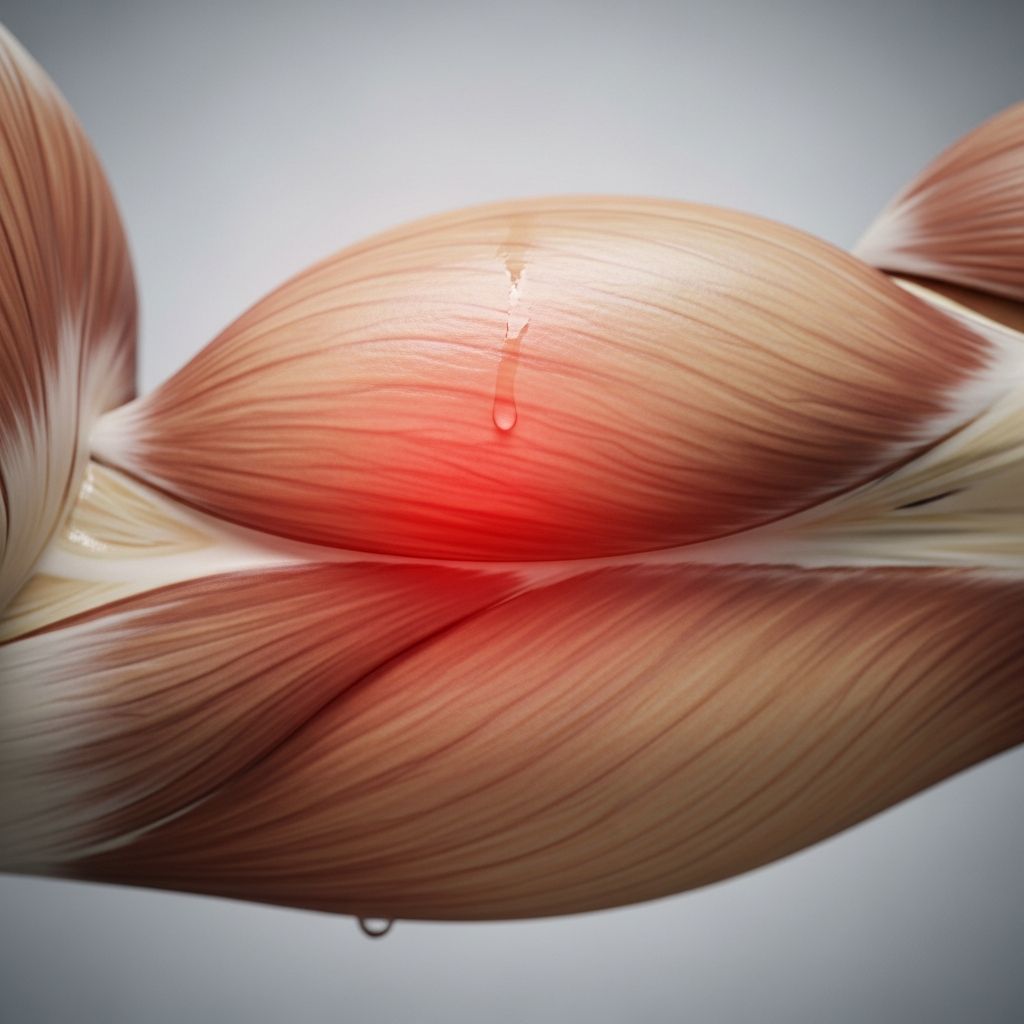
A muscle strain, commonly known as a pulled muscle, occurs when muscle fibers tear due to overstretching or excessive use. Muscle strains are among the most common soft tissue injuries people experience, affecting athletes and non-athletes alike. While many muscle strains can be treated at home with proper care and rest, severe tears may require medical intervention or even surgical repair. Understanding the nature of muscle strains, their severity levels, and appropriate treatment methods is essential for effective recovery and preventing long-term complications.
What Is a Muscle Strain?
A muscle strain is fundamentally a tear in your muscle fibers that occurs when the muscle is pulled too hard or used excessively, weakening the fibers over time. This injury differs from other soft tissue injuries and can range from minor tears affecting tiny fiber clusters to severe complete ruptures that compromise the entire muscle structure. The severity of a muscle strain depends on how many muscle fibers are damaged and the extent of the tear.
Muscle strains typically fall into two categories based on onset: acute strains develop suddenly during physical activity, while chronic strains develop gradually over several days or weeks due to repetitive stress. Both types can cause significant pain and functional limitation, though they may require different treatment approaches.
Types of Muscle Strains
Healthcare providers classify muscle strains into several common types based on location and specific muscles affected:
– Hamstring strains: Affecting the back of the thigh, these are particularly common in athletes engaging in running and jumping activities- Calf strains: Occurring in the muscles behind the shin bone, these injuries often result from sudden pivoting, jumping, or abrupt stops- Hip flexor strains: Affecting the muscles where the thigh meets the hip, these are among the most common injuries in athletes- Groin strains: Involving muscles in the groin area, these frequently occur in athletes performing quick directional changes- Back strains: Affecting muscles or tendons in the back, these can result from poor lifting technique or sudden movements
Understanding Muscle Strain Severity Grades
Healthcare providers grade muscle strains by severity to determine appropriate treatment and recovery timelines:
Grade I (Mild Strain)
Grade I strains involve minimal fiber damage with only small tears in the muscle tissue. Symptoms are typically mild with minimal swelling and localized pain. These strains usually cause minimal functional loss and can generally be treated at home. Most individuals with Grade I strains recover within 1-2 weeks with proper rest and self-care measures.
Grade II (Moderate Strain)
Grade II strains involve partial tears affecting a larger portion of muscle fibers. These injuries produce noticeable pain, swelling, and weakness in the affected muscle. Individuals may experience significant functional limitation and difficulty performing routine activities. Grade II strains typically require several weeks to months for complete healing and may benefit from professional medical evaluation and treatment recommendations.
Grade III (Severe Strain)
Grade III strains represent complete muscle tears that fully rupture the muscle fibers. These severe injuries cause significant pain, extensive swelling, and substantial muscle weakness or complete loss of function. A complete tear may require surgical intervention to stitch the muscle ends back together and restore function. Grade III strains can take four to six months to heal after surgery, and athletes typically miss the entire season.
Symptoms of Muscle Strains
Recognizing the symptoms of a muscle strain is crucial for prompt treatment and proper recovery. The specific symptoms experienced depend on the severity of the injury and whether it is acute or chronic:
Related Stories



– Localized pain: Sharp pain concentrated in one specific area where the muscle was strained- Muscle weakness: Reduced strength in the injured muscle or complete inability to use it- Swelling and bruising: Visible swelling around the injury site with possible discoloration- Immediate onset (acute strains): Pain felt immediately during the injury with sensation of tearing- Gradual onset (chronic strains): Pain developing gradually over several days from repetitive stress- Limited range of motion: Difficulty moving the affected muscle through its normal range- Muscle spasms: Involuntary muscle contractions causing sharp stabbing pain
Common Causes of Muscle Strains
Muscle strains occur through various mechanisms, typically involving sudden or excessive stress on muscle fibers:
– Sudden movements: Abrupt acceleration, deceleration, or directional changes that exceed muscle capacity- Overexertion: Using muscles beyond their current conditioning level or tolerance- Inadequate warm-up: Engaging in intense activity without properly preparing muscles- Poor technique: Using incorrect form during exercise or physical activities- Overuse: Repetitive stress from activities performed too frequently or intensely- Direct impact: Blunt force trauma to the muscle area- Muscle fatigue: Continuing activity when muscles are already tired and compromised
Risk Factors for Muscle Strains
Certain individuals and muscles are more susceptible to strains. Muscles with higher strain risk include those that cross multiple joints, experience repetitive use, produce forceful contractions, or have high fast-twitch fiber content. Additional risk factors contributing to muscle strains include inadequate flexibility and range of motion, poor muscle conditioning and strength imbalances, previous muscle injuries or weakness, advancing age and natural muscle fiber changes, and inadequate rest between training sessions.
Diagnosis of Muscle Strains
Most muscle strains can be diagnosed through physical examination alone. During evaluation, healthcare providers assess the injury location, pain level, muscle strength, and range of motion. However, in certain cases, additional diagnostic imaging may be necessary. Magnetic resonance imaging (MRI) can help rule out other conditions, determine the exact extent of the tear, and properly grade the strain severity. MRI is particularly useful for moderate to severe strains where surgical intervention might be considered.
Home Treatment for Muscle Strains
Most people can successfully recover from pulled muscles at home using appropriate self-care measures. The RICE protocol remains the foundation of home treatment:
Rest
Cease the activity that caused the strain immediately and avoid activities that stress the injured muscle. Proper rest allows the inflammatory process to begin and enables muscle fibers to begin healing. The duration of rest depends on strain severity, ranging from a few days for minor strains to several weeks for moderate injuries.
Ice
Apply ice to the injured area for 15-20 minutes every 2-3 hours during the first 48-72 hours. Ice reduces blood flow to the injury, decreasing swelling and pain. Wrap ice in a cloth to avoid direct skin contact and potential ice burns.
Compression
Use compression wraps or elastic bandages to support the injured muscle and reduce swelling. Compression helps stabilize the muscle and prevents excessive fluid accumulation around the injury. Ensure the wrap is snug but not so tight that it restricts blood circulation.
Elevation
Position the injured area above heart level to facilitate fluid drainage and reduce swelling. Elevation is particularly important during the initial 48-72 hours following the injury.
Additional Home Care Measures
Beyond RICE, taking over-the-counter pain relievers like acetaminophen or ibuprofen can help manage pain and inflammation. Gentle stretching and light movement should be incorporated gradually as pain decreases, progressing to easy exercises under guidance from healthcare providers. Avoid activities that increase pain, and gradually return to normal activities as the injury heals.
When to Seek Medical Care
While most muscle strains improve with home treatment, certain situations warrant professional medical evaluation. Contact a healthcare provider if your muscle strain involves severe pain and swelling suggesting a significant tear, the injured muscle appears deformed or has a bulge indicating complete rupture, you cannot bear weight or use the affected limb, symptoms persist beyond two weeks despite home treatment, you experience recurrent strains in the same muscle suggesting underlying issues, or you have a previous serious injury that was surgically repaired.
Professional Medical Treatment
Healthcare providers may recommend additional treatment beyond home care for moderate to severe strains. Physical therapy helps restore strength, flexibility, and range of motion through targeted exercises and stretching. Anti-inflammatory medications may be prescribed to manage pain and swelling. Immobilization with casts or braces may be necessary for 3-6 weeks for severe injuries before beginning rehabilitation. Only Grade III (complete) muscle tears typically require surgical intervention, which involves stitching the torn muscle ends back together to restore function.
Recovery Timeline by Strain Severity
| Strain Grade | Severity | Typical Recovery Time | Treatment Approach |
|---|---|---|---|
| Grade I | Mild | 1-2 weeks | Home care with RICE protocol |
| Grade II | Moderate | Several weeks to months | Home care plus professional guidance and physical therapy |
| Grade III | Severe | 4-6 months post-surgery | Surgery followed by immobilization and rehabilitation |
Prevention of Muscle Strains
While not all muscle strains are preventable, several strategies can significantly reduce injury risk. Always perform adequate warm-up before engaging in physical activity to prepare muscles for exertion. Maintain consistent strength training and flexibility exercises to keep muscles conditioned and supple. Use proper technique during exercise and physical activities, seeking instruction when learning new movements. Increase activity intensity and duration gradually rather than suddenly escalating demands on muscles. Ensure adequate rest between training sessions to allow muscle recovery. Stay hydrated and maintain proper nutrition to support muscle health and function.
Frequently Asked Questions About Muscle Strains
Q: How can I tell the difference between a muscle strain and a muscle sprain?
A: A muscle strain involves tearing of muscle fibers or tendons, while a sprain involves stretching or tearing of ligaments. Strains typically occur in muscles, while sprains affect the connective tissues around joints. Both cause pain and swelling but require slightly different treatment approaches.
Q: Can I continue exercising with a muscle strain?
A: This depends on the strain severity. Mild strains may allow modified activity that doesn’t stress the injured muscle, while moderate to severe strains require complete rest. Always consult your healthcare provider before resuming exercise following a muscle strain.
Q: How do I know if my muscle strain requires surgery?
A: Only Grade III (complete) muscle tears typically require surgery. Your healthcare provider will recommend surgical intervention if imaging shows a complete rupture that won’t heal properly with conservative treatment alone.
Q: Is it normal to experience weakness after a muscle strain heals?
A: Mild weakness during early recovery is normal, but persistent weakness after the injury has healed may indicate incomplete rehabilitation. Physical therapy can help restore full strength and function to prevent future injuries.
Q: What activities should I avoid during muscle strain recovery?
A: Avoid activities that stress the injured muscle, cause pain, involve sudden movements or directional changes, or require the full range of motion of the affected muscle. Gradually return to normal activities as pain decreases and strength improves.
Q: Can massage help with muscle strain recovery?
A: Gentle massage may help after the initial acute phase (beyond 48-72 hours) to improve circulation and reduce tension. However, avoid vigorous massage during the acute injury phase, as it can increase swelling and delay healing.
Q: Why do some people get recurrent muscle strains?
A: Recurrent strains may result from incomplete rehabilitation, persistent muscle weakness or inflexibility, poor technique, inadequate warm-up before activity, or returning to activity too quickly before full healing occurs. Address these factors with proper physical therapy and gradual return to activity.
References
- Muscle Strains: Causes, Symptoms, Treatment & Recovery — Cleveland Clinic. 2025-02-18. https://my.clevelandclinic.org/health/diseases/22336-muscle-strains
- Calf Strain (Pulled Calf Muscle): Treatment & Recovery — Cleveland Clinic. 2025-04-03. https://my.clevelandclinic.org/health/diseases/21558-pulled-calf-muscle
- Hip Flexor Strain: Symptoms, Treatment & Recovery — Cleveland Clinic. 2025. https://my.clevelandclinic.org/health/diseases/23978-hip-flexor-strain
- Groin Strain: Causes, Symptoms, Tests & Treatments — Cleveland Clinic. 2025. https://my.clevelandclinic.org/health/diseases/groin-strain
- Back Strains and Sprains — Cleveland Clinic. 2025. https://my.clevelandclinic.org/health/diseases/10265-back-strains-and-sprains
- Sports Injuries: Types, Symptoms, Causes & Treatment — Cleveland Clinic. 2025. https://my.clevelandclinic.org/health/diseases/22093-sports-injuries
- Hamstring Injury: Recovery Time, Treatment & Symptoms — Cleveland Clinic. 2025. https://my.clevelandclinic.org/health/diseases/17039-hamstring-injury
Similar Articles








Read full bio of medha deb