Muscular Dystrophy: Types, Symptoms, and Treatment Options
Understanding muscular dystrophy: causes, symptoms, and modern management strategies.
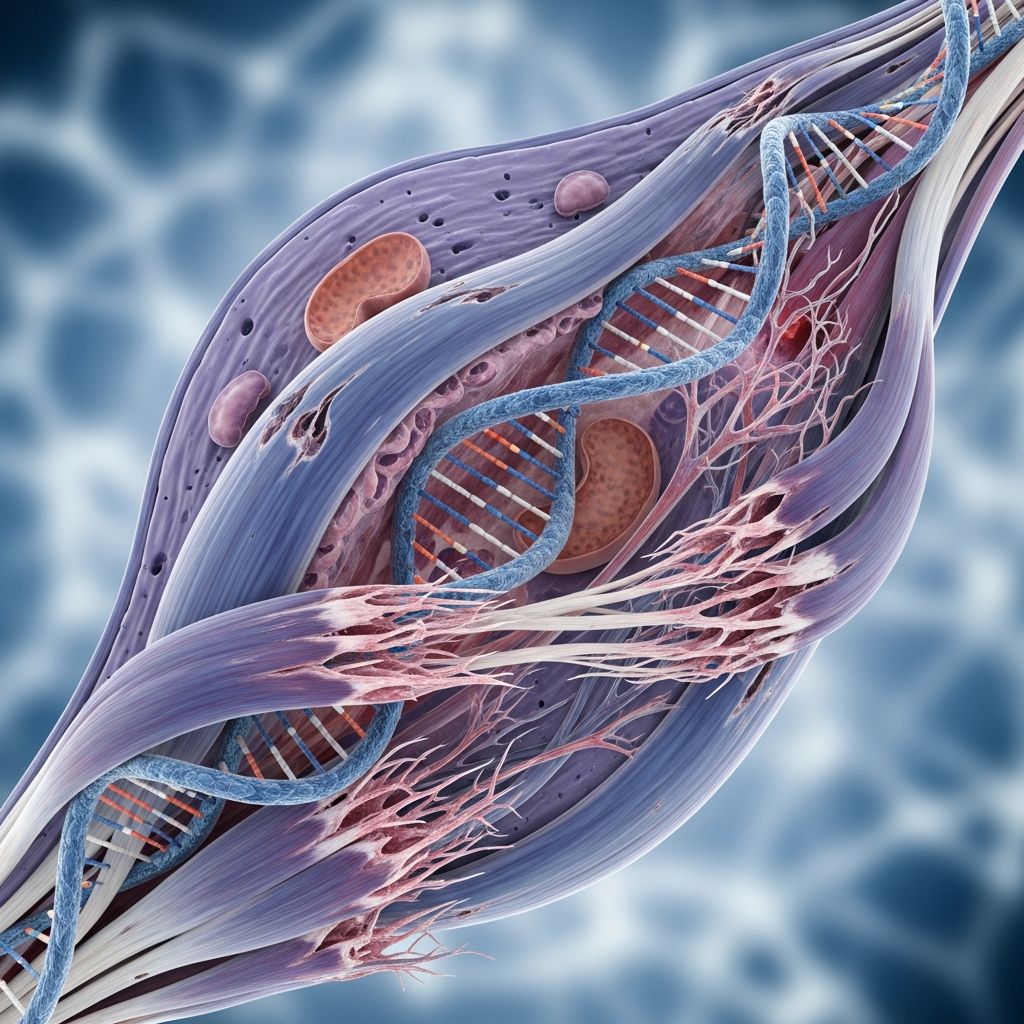
What Is Muscular Dystrophy?
Muscular dystrophy (MD) is a group of more than 30 inherited genetic conditions that cause progressive weakness and loss of muscle mass. These disorders affect muscle function by disrupting the body’s ability to produce and maintain healthy muscle tissue. Unlike many other diseases, MD is caused by genetic mutations that are typically present from birth, though symptoms may not appear until childhood or adulthood.
The prevalence of MD is relatively rare, affecting approximately 16 to 25 per 100,000 people in the United States. However, the specific prevalence varies significantly depending on the type of muscular dystrophy. The most common childhood form is Duchenne muscular dystrophy (DMD), which affects approximately 1 in 3,500 male births. While there is currently no cure for MD, modern medications and various therapeutic interventions can help manage symptoms, slow disease progression, and significantly improve quality of life.
How Muscular Dystrophy Develops
All forms of muscular dystrophy result from genetic mutations that prevent the body from producing essential proteins needed for healthy muscle structure and function. The most critical of these proteins is dystrophin, which is missing or abnormal in many types of MD.
Dystrophin plays a vital structural role in muscle cells. Although it comprises only a small percentage of total muscle proteins, it is essential for normal muscle function. This protein acts as a molecular “glue,” linking various parts of muscle tissue together and connecting them to the sarcolemma, which is the outer membrane of muscle cells. When dystrophin is absent or deformed, muscle cells become vulnerable to injury and damage. Over time, these damaged muscle cells are lost and replaced by scar tissue or fat, which causes progressive muscle weakening.
Different types of MD involve different genetic mutations. In Duchenne muscular dystrophy, dystrophin is almost entirely absent, leading to severe muscle degeneration. In contrast, in Becker muscular dystrophy, dystrophin is either smaller or present in reduced quantities, resulting in a less severe disease course.
Types of Muscular Dystrophy
Muscular dystrophy encompasses many distinct types, each with unique characteristics, age of onset, and progression patterns. Here are the major types:
Duchenne Muscular Dystrophy (DMD)
Duchenne muscular dystrophy is the most common form of MD, particularly in childhood. DMD is caused by mutations in the DMD gene, resulting in the dysfunction or absence of the dystrophin protein. This is an X-linked recessive condition, meaning the gene mutation is located on the X chromosome and is typically inherited from mothers who carry the mutation.
In the early stages, DMD affects the shoulder and upper arm muscles and the muscles of the hips and thighs. Symptoms typically begin before age 3, though they may not be immediately obvious. The condition causes progressive muscle loss, and most children with DMD use a wheelchair by age 12. With advances in medical care, many people with DMD are now living longer and more active lives than in previous decades.
Becker Muscular Dystrophy (BMD)
Becker muscular dystrophy is also caused by mutations in the dystrophin gene, similar to DMD. However, in BMD, the body produces a smaller or reduced amount of dystrophin rather than none at all. This results in a less severe disease course compared to Duchenne muscular dystrophy, with slower progression and less rapid disability.
Related Stories



Congenital Muscular Dystrophy (CMD)
Congenital muscular dystrophy appears from birth to age 2 and affects all genders equally. Some forms of CMD progress slowly, while others can advance rapidly and cause significant disability. The progression pattern varies considerably among individuals with this type.
Limb-Girdle Muscular Dystrophy (LGMD)
Limb-girdle muscular dystrophy typically begins in childhood or the teenage years. Individuals with LGMD might have trouble raising the front part of the foot, making tripping a common problem. This type primarily affects the muscles of the pelvis and shoulders.
Oculopharyngeal Muscular Dystrophy (OPMD)
Oculopharyngeal muscular dystrophy usually appears after age 40. This type initially affects the eyelids, throat, and face, then progresses to the shoulders and pelvis. OPMD is notable for its later age of onset compared to other forms.
Symptoms of Muscular Dystrophy
The main symptom of muscular dystrophy is progressive muscle weakness, but the specific symptoms vary significantly depending on the type of MD and which muscle groups are affected. Early symptoms often include:
- A waddling gait (distinctive walking pattern)
- Pain and stiffness in the muscles
- Difficulty running and jumping
- Walking on the toes
- Difficulty sitting up or standing
- Learning disabilities, such as developing speech later than usual
- Frequent falls
As the disease progresses, more severe symptoms emerge:
- Inability to walk
- Shortening of muscles and tendons, further limiting movement (contractures)
- Breathing problems that may require assisted breathing devices
- Curvature of the spine if the muscles are not strong enough to support its structure
- Weakening of the heart muscles, leading to cardiac problems
- Difficulty swallowing, with a risk of aspiration pneumonia
The progression of symptoms varies considerably. Some types of muscular dystrophy cause mild symptoms that progress slowly over an average lifespan, while others are more aggressive, progressing rapidly and potentially shortening life expectancy.
Diagnosis of Muscular Dystrophy
Diagnosing muscular dystrophy typically involves multiple testing approaches. Doctors can use various tests to diagnose MD, including:
- Genetic testing to identify specific mutations in genes responsible for muscle disease
- Muscle biopsy to examine muscle tissue under a microscope
- Electromyography (EMG) to measure electrical activity in muscles
- Creatine kinase blood test to detect muscle damage
- MRI imaging to assess muscle structure and damage
Advances in molecular diagnostics now allow for precise mutation identification, which is necessary for mutation-specific treatments that are emerging in the field.
Treatment and Management Options
Currently, there is no cure for muscular dystrophy. However, different kinds of therapy and drug treatment can improve a person’s quality of life and delay the progression of symptoms. Treatment approaches focus on managing symptoms, maintaining mobility, and preventing complications.
Physical Therapy
Physical therapy is a cornerstone of MD management. Mobility and stretching exercises help combat the tightening of muscles and tendons, also known as contractures. Standard low-impact aerobic exercises like walking and swimming can help slow the progression of symptoms and maintain muscle function for as long as possible.
Breathing Assistance
As the muscles used for breathing become weaker, a person may need devices to help them breathe, particularly while sleeping. In severe cases, individuals may require ventilator support to maintain adequate oxygen levels.
Mobility Aids
Mobility aids such as canes, wheelchairs, and walkers help individuals stay mobile and maintain independence for as long as possible. These devices are essential for safety and quality of life as muscle weakness progresses.
Braces and Orthotic Devices
Braces keep muscles and tendons stretched, slowing their shortening and maintaining range of motion. These orthotic devices are important for preserving function and preventing complications.
Medications
Various medications can help manage specific symptoms and slow disease progression. Corticosteroids, in particular, have been shown to temporarily slow muscle weakness in some types of MD. Emerging therapies and gene-based treatments are under development and showing promise in clinical trials.
Living With Muscular Dystrophy
Life expectancy and quality of life for individuals with muscular dystrophy have improved significantly with modern medical care. Research shows that median life expectancy for individuals with DMD has increased from 18.2 years for those born before 1970 to 24 years in more recent cohorts, demonstrating the impact of improved medical management and supportive care.
Managing muscular dystrophy requires a multidisciplinary approach involving various healthcare professionals, including neurologists, cardiologists, pulmonologists, physical therapists, and genetic counselors. Preventing and managing complications—such as heart problems, breathing difficulties, and skeletal issues—is essential for maintaining the best possible quality of life.
Future Directions in Muscular Dystrophy Research
New research aims to find treatments that can halt or reverse the disease. Gene therapy, antisense oligonucleotide therapies, and other emerging approaches show promise in clinical trials. These advances may eventually transform MD from a progressive condition into one that can be arrested or reversed, offering hope to current and future patients.
Frequently Asked Questions
Q: Is there a cure for muscular dystrophy?
A: Currently, there is no cure for muscular dystrophy. However, medications and therapies can slow progression and improve quality of life. Research is ongoing to develop treatments that may halt or reverse the disease.
Q: Can females get muscular dystrophy?
A: While Duchenne muscular dystrophy predominantly affects males, females can carry the gene and some may develop symptoms. Other types of muscular dystrophy affect all genders equally, including congenital muscular dystrophy.
Q: At what age do symptoms of muscular dystrophy appear?
A: The age of symptom onset depends on the type of muscular dystrophy. Duchenne muscular dystrophy typically appears before age 3, while other types may not manifest until adulthood. Oculopharyngeal muscular dystrophy, for example, usually appears after age 40.
Q: What healthcare professionals should I see if I have muscular dystrophy?
A: A multidisciplinary team is recommended, including neurologists, cardiologists, pulmonologists, physical therapists, occupational therapists, and genetic counselors to manage various aspects of the condition comprehensively.
Q: How can I prevent complications from muscular dystrophy?
A: Regular monitoring, physical therapy, mobility aids, breathing assistance when needed, and cardiac evaluation help prevent complications such as contractures, heart problems, and respiratory issues.
References
- Muscular Dystrophy: Symptoms, Treatment, Types, and Causes — Medical News Today. 2024. https://www.medicalnewstoday.com/articles/187618
- Duchenne Muscular Dystrophy (DMD) — Muscular Dystrophy Association. 2025. https://www.mda.org/disease/duchenne-muscular-dystrophy
- Muscular Dystrophy: What It Is, Symptoms, Types & Treatment — Cleveland Clinic. 2024. https://my.clevelandclinic.org/health/diseases/14128-muscular-dystrophy
- Muscular Dystrophy — Symptoms & Causes — Mayo Clinic. 2024. https://www.mayoclinic.org/diseases-conditions/muscular-dystrophy/symptoms-causes/syc-20375388
- Muscular Dystrophy — MedlinePlus, U.S. National Library of Medicine. 2025. https://medlineplus.gov/musculardystrophy.html
- Science is Rewriting the Duchenne Muscular Dystrophy Lifespan — Journal of Health Economics and Outcomes Research. 2024. https://jheor.org/post/3123-science-is-rewriting-the-duchenne-muscular-dystrophy-lifespan-care-must-catch-up
Similar Articles








Read full bio of medha deb