Musculoskeletal Pain: Causes, Symptoms & Treatment
Understand the causes, symptoms, and treatments for musculoskeletal pain affecting bones, joints, muscles, and more.
What Is Musculoskeletal Pain?
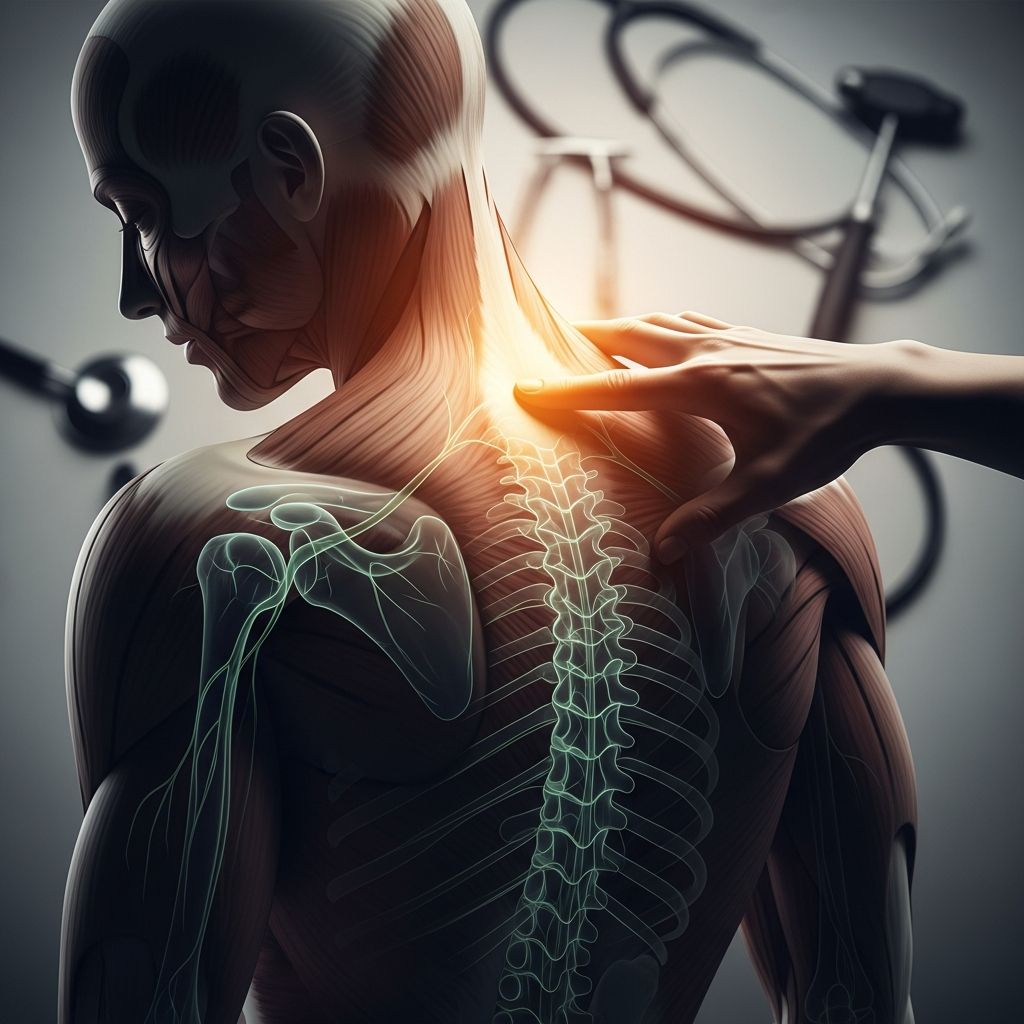
Musculoskeletal pain refers to discomfort or pain that affects the bones, joints, ligaments, tendons, or muscles. This type of pain is extremely common and can range from mild soreness to severe, debilitating discomfort. It may be caused by injuries, chronic conditions, or even everyday activities. Musculoskeletal pain can significantly impact your mobility and quality of life, making it important to understand its causes and seek appropriate treatment.
Types of Musculoskeletal Pain
Musculoskeletal pain can be classified into several types based on its cause and duration:
- Acute Pain: Sudden and severe pain, often resulting from an injury such as a bone fracture, muscle strain, or ligament sprain.
- Chronic Pain: Long-lasting pain that persists for weeks, months, or even years. Chronic musculoskeletal pain is often associated with conditions like arthritis, tendonitis, or fibromyalgia.
- Localized Pain: Pain that is confined to a specific area, such as a particular joint or muscle group.
- Diffuse Pain: Pain that is widespread and affects multiple areas of the body.
Common Causes of Musculoskeletal Pain
Musculoskeletal pain can result from a variety of factors, including:
- Injuries: Bone fractures, muscle strains, ligament sprains, and tendon injuries are common causes of acute musculoskeletal pain.
- Chronic Conditions: Arthritis, tendonitis, fibromyalgia, and other chronic conditions can lead to persistent musculoskeletal pain.
- Overuse: Repetitive movements or overuse of certain muscles and joints can cause pain and discomfort.
- Posture and Ergonomics: Poor posture, improper ergonomics, and prolonged sitting or standing can contribute to musculoskeletal pain.
- Infections: Certain infections, such as the flu, can cause muscle pain and body aches.
- Medications: Some medications, such as bisphosphonates, can cause musculoskeletal pain as a side effect.
Symptoms of Musculoskeletal Pain
The symptoms of musculoskeletal pain can vary depending on the cause and affected tissue. Common symptoms include:
- Pain or discomfort in the bones, joints, muscles, ligaments, or tendons
- Swelling or inflammation
- Stiffness or reduced range of motion
- Weakness or fatigue
- Redness or warmth in the affected area
- Difficulty moving or performing daily activities
Diagnosis of Musculoskeletal Pain
Diagnosing musculoskeletal pain typically involves a thorough medical history, physical examination, and sometimes imaging tests. Healthcare providers may ask about the onset, location, and severity of the pain, as well as any activities or events that may have triggered it. Physical examination may include testing range of motion, checking for tenderness, and assessing muscle strength. Imaging tests such as X-rays, MRI, or CT scans may be used to identify underlying conditions or injuries.
Treatment Options for Musculoskeletal Pain
Treatment for musculoskeletal pain depends on the cause and severity of the pain. Common treatment options include:
- Rest and Activity Modification: Resting the affected area and avoiding activities that worsen the pain can help promote healing.
- Medications: Over-the-counter pain relievers, such as acetaminophen or nonsteroidal anti-inflammatory drugs (NSAIDs), can help reduce pain and inflammation. Prescription medications may be necessary for more severe pain.
- Physical Therapy: Physical therapy can help improve strength, flexibility, and range of motion, and reduce pain.
- Heat and Cold Therapy: Applying heat or cold packs to the affected area can help relieve pain and reduce inflammation.
- Injections: Corticosteroid injections may be used to reduce inflammation and pain in certain cases.
- Surgery: In severe cases, surgery may be necessary to repair damaged tissues or correct underlying conditions.
Related Stories



Prevention of Musculoskeletal Pain
Preventing musculoskeletal pain involves maintaining good posture, practicing proper ergonomics, and engaging in regular physical activity. Other preventive measures include:
- Stretching and warming up before exercise
- Using proper lifting techniques
- Wearing supportive footwear
- Managing stress and maintaining a healthy weight
- Seeking prompt medical attention for injuries
When to See a Healthcare Provider
It is important to seek medical attention if musculoskeletal pain is severe, persistent, or interferes with daily activities. You should also see a healthcare provider if you experience any of the following:
- Pain that does not improve with rest or home care
- Swelling, redness, or warmth in the affected area
- Difficulty moving or performing daily activities
- Signs of infection, such as fever or chills
- Unexplained weight loss or fatigue
FAQs About Musculoskeletal Pain
What is the difference between acute and chronic musculoskeletal pain?
Acute musculoskeletal pain is sudden and severe, often resulting from an injury. Chronic musculoskeletal pain is long-lasting and may be associated with chronic conditions like arthritis or fibromyalgia.
Can musculoskeletal pain be prevented?
Yes, musculoskeletal pain can often be prevented by maintaining good posture, practicing proper ergonomics, and engaging in regular physical activity.
What are the common causes of musculoskeletal pain?
Common causes include injuries, chronic conditions, overuse, poor posture, infections, and certain medications.
How is musculoskeletal pain diagnosed?
Diagnosis typically involves a medical history, physical examination, and sometimes imaging tests to identify underlying conditions or injuries.
What are the treatment options for musculoskeletal pain?
Treatment options include rest, medications, physical therapy, heat and cold therapy, injections, and surgery in severe cases.
References
References
- Musculoskeletal Pain: What It Is, Symptoms, Treatment & Types — Cleveland Clinic. 2024-08-15. https://my.clevelandclinic.org/health/symptoms/musculoskeletal-pain
- Chronic Pain: What It Is, Symptoms, Treatment & Management — Cleveland Clinic. 2024-08-15. https://my.clevelandclinic.org/health/diseases/4798-chronic-pain
- What can we do about musculoskeletal pain from bisphosphonates? — Cleveland Clinic Journal of Medicine. 2018-09. https://www.ccjm.org/content/85/9/675
Similar Articles








Read full bio of Sneha Tete