Mushroom Benefits: 7 Science-Backed Health Perks
Discover the powerful health benefits of mushrooms, from boosting immunity and brain health to supporting heart function and cancer prevention.
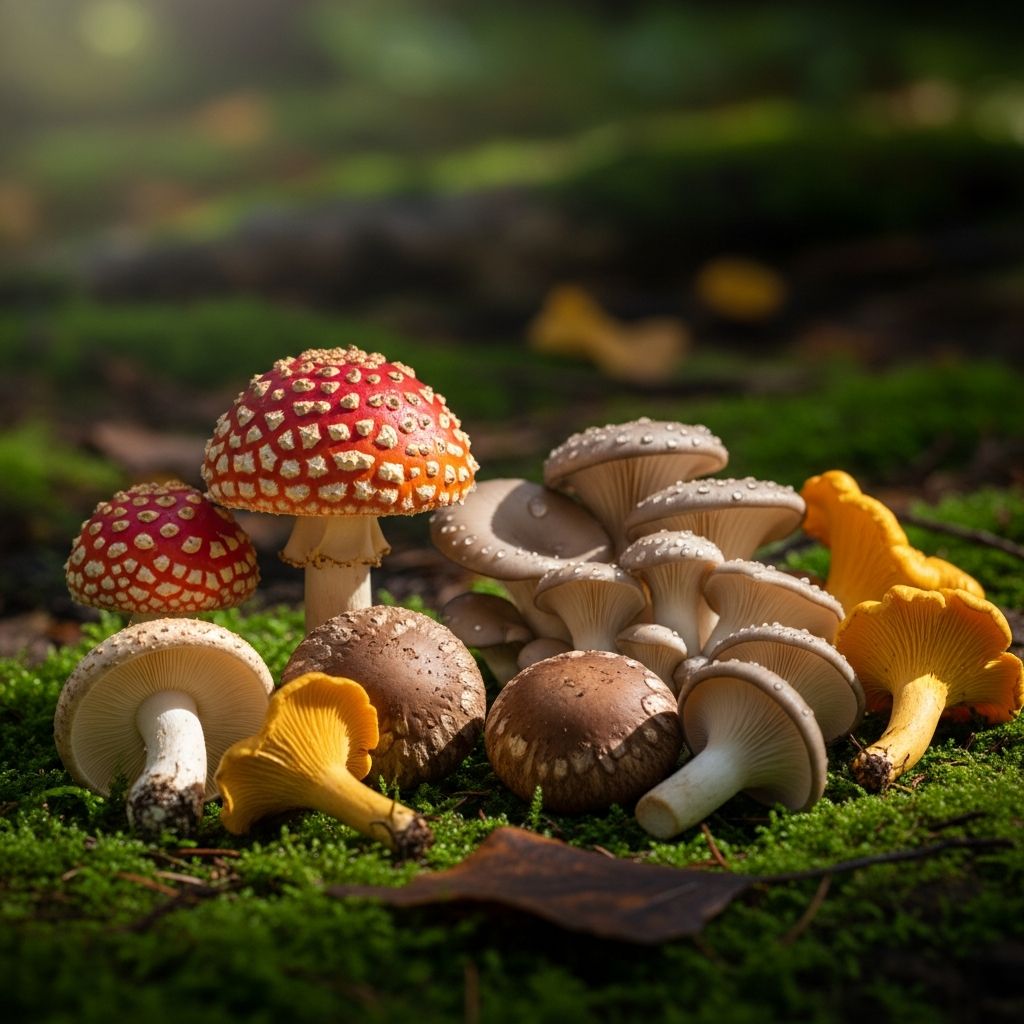
Mushrooms are low-calorie powerhouses packed with nutrients, antioxidants, and bioactive compounds that support overall health. Research shows regular consumption may reduce cancer risk, protect the brain, boost immunity, promote heart health, aid gut function, and assist weight management.
Nutrition Facts of Mushrooms
Mushrooms provide essential vitamins, minerals, fiber, and protein with minimal calories. A cup of white button mushrooms (70g) offers about 15 calories, 2g protein, 2g fiber, and key micronutrients like selenium, copper, and B vitamins.
- Selenium: Protects cells from damage; highest in cremini/portobello.
- Vitamin D: Supports immunity and bone health; activated by sunlight exposure.
- Potassium: Lowers blood pressure; naturally low-sodium.
- B Vitamins (B6, Thiamin): Aid red blood cell formation and neurotransmitter function.
- Antioxidants (Ergothioneine, Glutathione): Combat oxidative stress and aging.
Polysaccharides and beta-glucans act as prebiotics, fostering healthy gut bacteria. Varieties like shiitake, maitake, reishi, lion’s mane, and oyster deliver unique benefits through compounds like lentinan and hericenones.
7 Health Benefits of Mushrooms
1. May Decrease Cancer Risk
Eating 18g (about two medium mushrooms) daily may lower cancer risk by up to 45%, per a review of 17 studies (1966-2020). Mushrooms’ ergothioneine shields cells from damage; Japan uses reishi-based drugs in treatment. Antioxidants glutathione and ergothioneine support immunity and mitigate aging-related diseases. Hericium erinaceus and Ganoderma show anticancer properties in research.
2. Promote Heart Health
Rich in potassium and low in sodium, mushrooms reduce arterial plaque and blood pressure. Beta-glucans in shiitake, maitake, reishi lower cholesterol and inflammation. Shiitake inhibits cholesterol production and absorption. Substitute mushrooms for half the beef in recipes to cut sodium by 25% while retaining flavor.
3. Support Brain Health
Two cups weekly may halve cognitive impairment risk; one cup offers benefits. B vitamins and antioxidants protect against Alzheimer’s and Parkinson’s. Singapore study: >2 cups/week of golden, oyster, shiitake, or white mushrooms reduced MCI risk by 50%. Hericenones in lion’s mane promote nerve growth factor.
4. Boost Immune System
Selenium prevents cell damage, vitamin D aids growth and reduces inflammation, B6 forms blood cells. Anti-inflammatory effects enhance immunity. Cremini excel in zinc/selenium; maitake/shiitake in D/B6. Polysaccharides modulate immunity; Ganoderma and Lentinula edodes recognized as functional foods.
5. Provide Vitamin D
One of few natural food sources; ergosterol converts to vitamin D via sunlight. Place gills-up in sun for 15-120 minutes to boost levels 10-45x. Maitake offers easy vitamin D addition.
6. Stimulate Healthy Gut
Polysaccharides resist stomach acid, reaching colon to grow beneficial bacteria and suppress harmful ones. Improves insulin resistance and GI health. Fiber and prebiotics support microbiome linked to mood and health.
7. Support Weight Loss
Low-calorie, high-fiber/protein profile promotes satiety. Studies show mushrooms + exercise aid weight loss via antioxidants enhancing anti-inflammatory defenses against obesity-related issues. Meat substitution reduces calories/fat while maintaining satisfaction.
Best Types of Mushrooms for Health
| Mushroom Variety | Key Benefits | Nutrients/Compounds |
|---|---|---|
| Shiitake | Cholesterol-lowering, immune boost, brain health | Beta-glucans, B6, lentinan |
| Maitake | Heart health, vitamin D, immunity | Beta-glucans, vitamin D |
| Reishi | Cancer support, longevity, anti-inflammatory | Ergothioneine, polysaccharides |
| Lion’s Mane (Hericium erinaceus) | Brain/nerve support | Hericenones, cytoprotective |
| Cremini/Portobello | Immune (selenium/zinc), low-sodium | Selenium, zinc |
| Oyster | Brain health, antioxidants | Ergothioneine |
| White Button | Cancer risk reduction, low-calorie | Ergothioneine |
Related Stories



Edible varieties like Ganoderma sp. and Lentinula edodes offer antidiabetic, antimicrobial benefits.
How to Add Mushrooms to Your Diet
- Sauté or roast: Enhance umami; retain nutrients.
- Meat substitute: Half beef in burgers/stews cuts calories/sodium.
- Soups/salads: Add raw or cooked for fiber boost.
- Smoothies/teas: Powdered reishi/lion’s mane.
- Sun-dry for D: 15min sun exposure.
Aim for 1-2 cups weekly. Cook thoroughly to avoid digestive issues; choose organic to minimize contaminants.
Potential Risks and Considerations
Mushrooms are safe for most but may cause allergies or interact with blood thinners/antidiabetics. Wild foraging risky—stick to culinary varieties. Those with mold allergies consult doctors. Research ongoing; benefits associative, not causal.
Frequently Asked Questions (FAQs)
What are the top health benefits of mushrooms?
Cancer risk reduction, immune support, brain protection, heart health, vitamin D, gut health, weight management.
How much mushrooms should I eat daily?
18g (two medium) for cancer benefits; 1-2 cups weekly for brain/overall health.
Are all mushrooms healthy?
Culinary varieties like shiitake, cremini yes; medicinal like reishi potent but consult pros for supplements.
Can mushrooms help with weight loss?
Yes, low-cal high-fiber; studies show efficacy with diet/exercise.
Do mushrooms provide vitamin D?
Yes, sunlight-activated; maitake/portobello rich sources.
References
- Five Health Benefits of Mushrooms — Cedars-Sinai. 2023. https://www.cedars-sinai.org/stories-and-insights/healthy-living/five-health-benefits-of-mushrooms
- Health Benefits of Mushrooms — WebMD. 2024. https://www.webmd.com/diet/health-benefits-mushrooms
- 7 Health Benefits of Mushrooms — UCLA Health. 2023. https://www.uclahealth.org/news/article/7-health-benefits-of-mushrooms
- Mushrooms as Nutritional Powerhouses: A Review — NIH/PMC. 2024-10-01. https://pmc.ncbi.nlm.nih.gov/articles/PMC11899115/
Similar Articles








Read full bio of Sneha Tete