Mushroom Coffee Benefits: 7 Top Perks for Energy & Focus
Discover the potential health perks of mushroom coffee, from boosted immunity and focus to reduced stress and better energy.
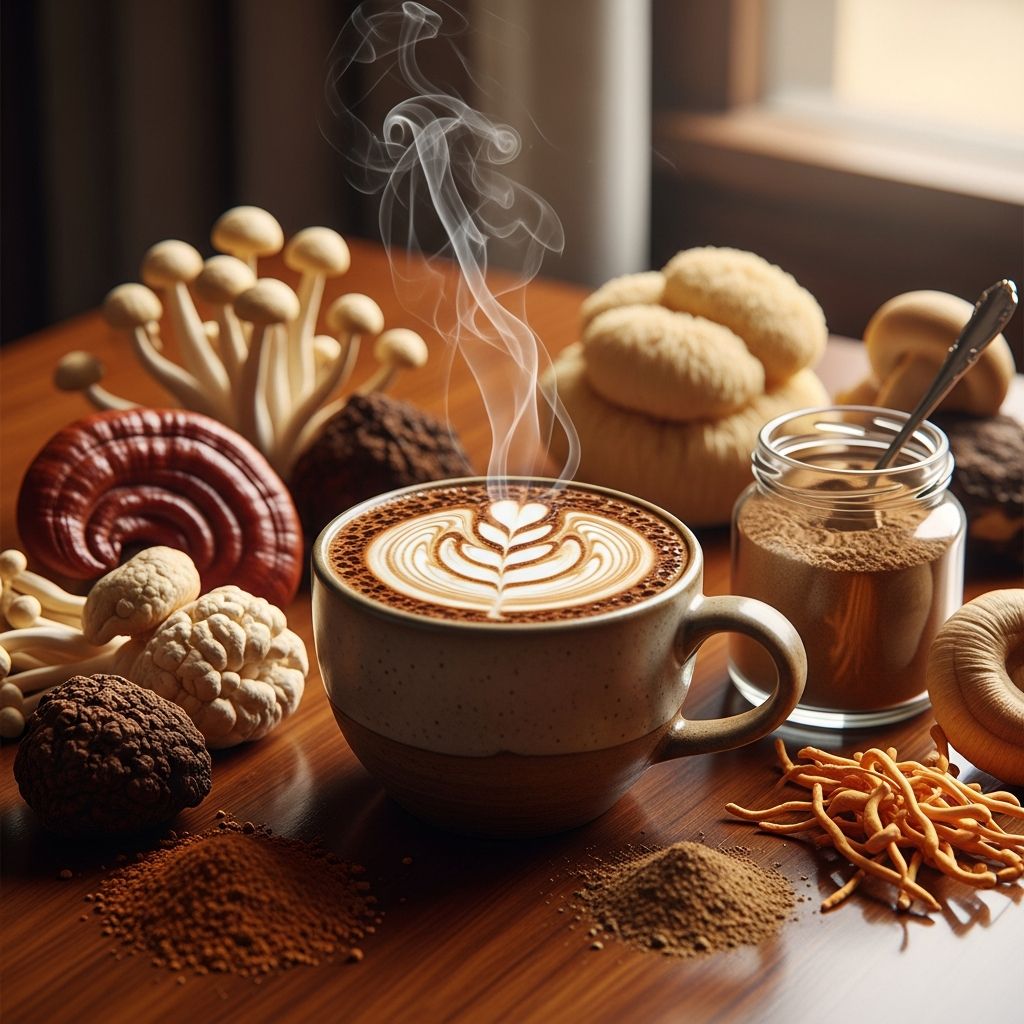
Mushroom coffee, a blend of regular coffee and extracts from medicinal mushrooms like lion’s mane, reishi, chaga, and cordyceps, has surged in popularity for its potential health advantages beyond a typical caffeine kick. Proponents claim it offers sustained energy, sharper focus, immune support, and stress reduction, often with half the caffeine of standard coffee to minimize jitters and crashes.
These blends leverage adaptogenic mushrooms—fungi traditionally used in Eastern medicine to help the body adapt to stress. While human studies are emerging, preliminary research and expert insights suggest benefits in cognition, immunity, and overall wellness. This article dives into what mushroom coffee is, its key ingredients, evidence-based perks, and considerations for trying it.
What Is Mushroom Coffee?
Mushroom coffee is not coffee brewed from mushrooms but a mix of ground coffee beans (typically arabica) and powdered medicinal mushroom extracts. The mushrooms are dried, extracted to concentrate bioactive compounds like beta-glucans, polysaccharides, polyphenols, and adaptogens, then blended into instant or ground coffee formats for easy brewing.
Common varieties include single-mushroom focuses or blends targeting specific benefits, such as energy (cordyceps-heavy) or calm (reishi-dominant). Brands often add extras like ashwagandha or collagen. A typical serving has 50-100mg caffeine versus 95mg in regular coffee, making it gentler for daily use.
- Instant packets: Quick-dissolving powders for hot water.
- Ground blends: For drip, French press, or espresso machines.
- Ready-to-drink: Canned or bottled options.
The appeal lies in combining coffee’s familiarity with mushrooms’ nutrient profile: antioxidants, vitamins (B6, D precursors), minerals (selenium), and unique compounds like hericenones in lion’s mane for brain health.
Popular Mushrooms in Coffee Blends
Several functional mushrooms star in these drinks due to their researched properties. Here’s a breakdown:
| Mushroom | Key Compounds | Potential Benefits |
|---|---|---|
| Lion’s Mane (Hericium erinaceus) | Hericenones, erinacines | Stimulates nerve growth factor (NGF) for cognition, focus, memory; 2024 analysis showed boosted energy and cognition in older adults. |
| Cordyceps | Cordycepin | Enhances ATP production for energy, reduces fatigue, improves oxygen use and athletic performance. |
| Reishi (Ganoderma lucidum) | Triterpenes, polysaccharides | Adaptogenic stress relief, cortisol regulation, immune modulation, potential anti-tumor effects in animal studies. |
| Chaga | Polyphenols, antioxidants | Anti-inflammatory, immune support, antimicrobial; thrives in cold climates boosting nutrient density. |
| Turkey Tail | Polysaccharides | Gut microbiome support, reduces inflammation, immune activation via lymphocytes. |
| Maitake | Beta-glucans | Supports blood pressure, cholesterol, diabetes risk reduction. |
These mushrooms are grown in controlled conditions or wild-harvested, then processed to preserve bioactives. Blends often rotate 2-4 types for synergistic effects.
Potential Health Benefits of Mushroom Coffee
1. Enhanced Cognitive Function and Focus
Lion’s mane shines here, promoting NGF synthesis to support neuron growth and repair. Users report clearer thinking without caffeine overload. Cordyceps adds by combating fatigue via ATP, while reishi curbs stress-induced brain fog. Neuroprotection from oxidative stress may guard against age-related decline.
2. Immune System Support
Mushrooms pack beta-glucans and polysaccharides that activate immune cells like phagocytes and lymphocytes, regulate cytokines, and fight inflammation. Selenium, B6, and vitamin D precursors in varieties like turkey tail and reishi bolster defenses. Chaga’s 2023 review highlighted antimicrobial and anticancer potential.
Related Stories



3. Reduced Stress and Better Sleep
Adaptogens like reishi and ashwagandha (often added) modulate cortisol, easing chronic stress. Lower caffeine aids sleep onset and quality, with claims of deeper rest from relaxing compounds.
4. Sustained Energy Without Jitters
Half the caffeine delivers steady alertness. Cordyceps boosts cellular energy, mimicking exercise benefits for endurance.
5. Anti-Inflammatory and Antioxidant Effects
Polyphenols and triterpenes combat inflammation linked to chronic disease. Cold-grown chaga ramps up antioxidants for resilience.
6. Gut Health and Blood Sugar Regulation
Turkey tail polysaccharides feed beneficial bacteria. Coffee’s inherent benefits plus mushrooms may enhance insulin sensitivity.
7. Other Perks: Heart Health, Mood, Longevity
Maitake aids cholesterol and blood pressure. High antioxidants may slow aging, boost mood via adaptogens.
How to Make Mushroom Coffee at Home
Ingredients (1 serving):
- 1 tsp mushroom blend powder
- 1 tsp instant coffee or 1 tbsp ground
- 8-10 oz hot water (not boiling, ~175°F)
- Optional: Milk, sweetener, cinnamon
- Brew base: Dissolve powders in hot water; stir 1-2 min.
- Froth: Blend or use frother for creaminess.
- Customize: Add MCT oil for keto, collagen for skin.
Start with ½ tsp powder to assess tolerance. Brew daily for consistency.
Is Mushroom Coffee Safe? Side Effects and Precautions
Generally safe for most, but:
- Allergies: Avoid if mushroom-sensitive; rare reactions include digestive upset.
- Interactions: Blood thinners, immunosuppressants—consult doctor.
- Pregnancy/Breastfeeding: Limited data; skip or seek advice.
- Quality: Choose third-party tested brands to avoid contaminants like heavy metals.
Excess may cause nausea or insomnia. Caffeine-sensitive? Opt for decaf blends.
Mushroom Coffee vs. Regular Coffee: A Comparison
| Aspect | Mushroom Coffee | Regular Coffee |
|---|---|---|
| Caffeine | 50-100mg/cup | 95mg/cup |
| Energy | Sustained, adaptogen-boosted | Quick peak/crash |
| Additives | Mushrooms, antioxidants | None |
| Benefits | Immunity, focus, stress relief | Antioxidants, metabolism |
| Cost | $1-2/serving | $0.20-0.50/serving |
| Taste | Earthy, smooth | Bitter, bold |
Frequently Asked Questions (FAQs)
Does mushroom coffee have caffeine?
Yes, typically half of regular coffee (50-100mg), from coffee beans; some are decaf.
Can mushroom coffee help with weight loss?
Indirectly via energy, focus for workouts, and blood sugar stability, but not a direct fat-burner.
Is mushroom coffee keto-friendly?
Yes, most blends are low-carb; pair with fats like butter for bulletproof style.
How long do benefits take to notice?
Some feel focus boost immediately; immunity/stress relief may take 1-4 weeks.
Where to buy mushroom coffee?
Health stores, online (Amazon, brand sites); check for organic, tested products.
Bottom Line
Mushroom coffee offers an exciting upgrade to morning rituals, blending coffee’s ritual with mushrooms’ functional edge. Backed by promising research on cognition, immunity, and stress, it’s worth trying for balanced energy—especially if regular coffee causes jitters. Consult a pro for personalized fit, and prioritize quality for best results.
References
- Shroom Coffee Benefits: Why It’s Trending for Better Health — Laird Superfood. 2023. https://lairdsuperfood.com/blogs/news/shroom-coffee
- Should you switch to mushroom coffee? — UCLA Health. 2023-10-10. https://www.uclahealth.org/news/article/should-you-switch-mushroom-coffee
- Mushroom coffee as a caffeine swap offers surprising health benefits — Fox News. 2024. https://www.foxnews.com/food-drink/mushroom-coffee-caffeine-alternative-offers-surprising-health-benefits
- What are the benefits of mushroom coffee? — Medical News Today. 2024-08-15. https://www.medicalnewstoday.com/articles/mushroom-coffee-benefits
Similar Articles








Read full bio of medha deb