Music Therapy: 5 Core Benefits & Types Explained
Discover how music therapy reduces stress, improves mood, and enhances quality of life.
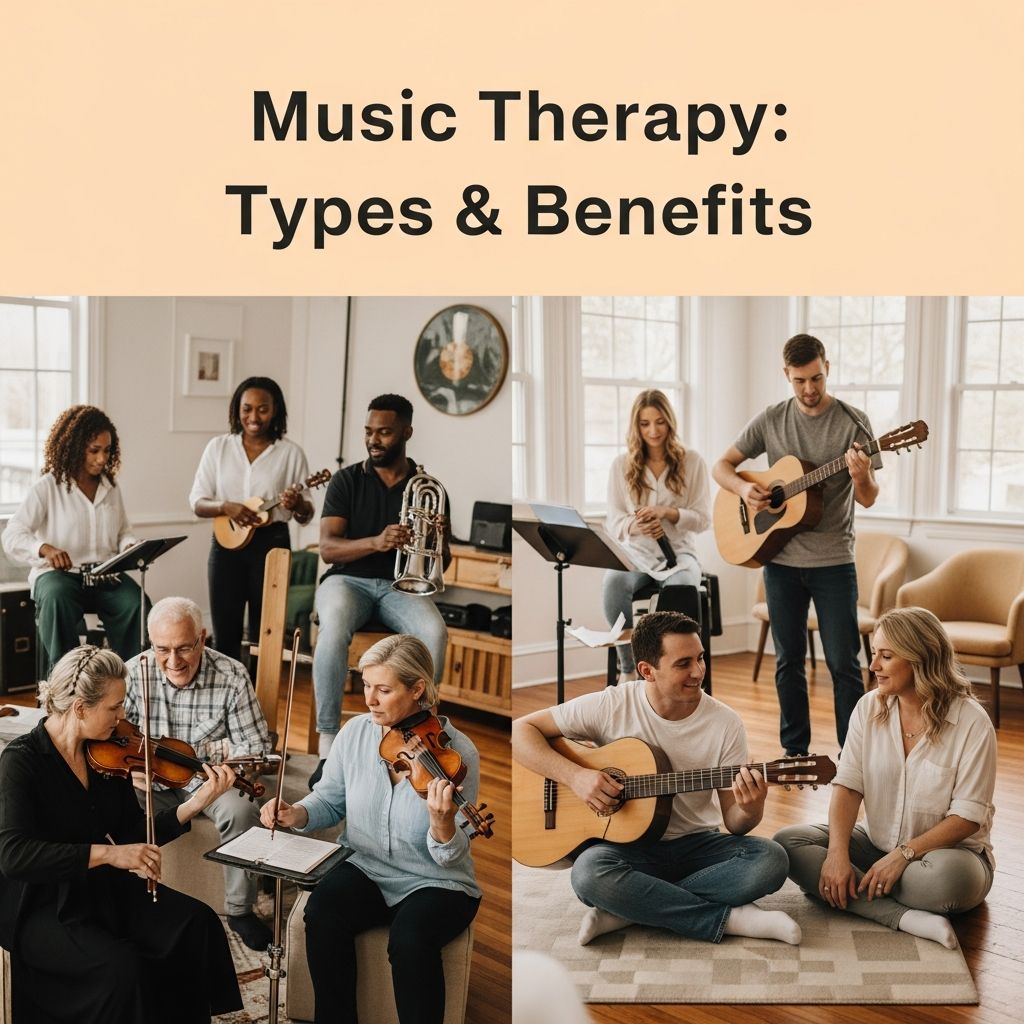
Understanding Music Therapy: Types & Benefits
Music therapy is the clinical use of music and musical elements—including sound, rhythm, and harmony—to accomplish specific therapeutic goals. These goals may range from reducing stress and managing pain to improving mood, expressing emotions, and enhancing overall quality of life. Unlike casual music listening, music therapy is a structured, evidence-based practice delivered by board-certified music therapists who have completed approved training programs and earned professional credentials. This clinical approach harnesses the profound effects music has on the brain, which research demonstrates lights up complex networks governing emotions, memory, pleasure, motivation, and reward.
What Is Music Therapy?
Music therapy is fundamentally a therapeutic relationship in which a music therapist works collaboratively with clients to optimize their health using various facets of music and the connections formed through musical experience. The key distinction of music therapy lies in its personalized, clinical nature. A healthcare provider called a music therapist conducts an initial assessment to learn about your needs, music preferences, life experiences, and specific therapeutic goals. Based on this understanding, they design each session specifically tailored to address your unique circumstances. Importantly, you do not need musical skills or talent to benefit from music therapy—people of all ages and backgrounds can participate and gain therapeutic benefits.
The Science Behind Music’s Healing Power
Research reveals that music engages nearly every part of the brain, creating widespread activation across multiple neural networks. This neurological response explains why music can be so effective for healing and wellbeing. The brain’s response to music activates regions associated with emotional processing, memory formation, reward pathways, and motivation. This comprehensive brain engagement allows music therapy to address multiple dimensions of health simultaneously—physical, emotional, cognitive, spiritual, and social. Understanding this scientific foundation helps explain why music therapy works across such a diverse range of conditions and why its effects can be so profound and multifaceted.
How Music Therapy Sessions Work
Each music therapy session is self-contained and individually tailored to address your current needs and therapeutic goals. Your music therapist will guide you through personalized musical experiences designed specifically for you. The session begins with the therapist understanding how music fits into your life at home, whether you sing along to the radio, play an instrument, or have other meaningful musical connections. They ask clarifying questions such as: “How can we use music in this therapeutic setting to support you? What do you want to experience—playing, listening, or engaging in a relaxation exercise?”
During your session, you may engage in one or more of the following activities:
- Singing or vocalizing
- Playing musical instruments
- Listening to carefully selected music
- Discussing or analyzing song lyrics and their meaning
- Engaging in music-guided relaxation exercises
- Participating in rhythmic or movement-based activities
Your music therapist evaluates the effectiveness of each session and determines whether it met your goals, remaining flexible to adapt as your needs evolve. Sessions may be single or multiple, depending on your therapeutic objectives and progress.
Types of Music Therapy Interventions
Music therapists employ diverse approaches to meet individual client needs. These interventions generally fall into two broad categories:
Receptive Music Therapy
Receptive approaches involve listening to music selected by your therapist based on your preferences and therapeutic goals. This may include passive listening combined with guided relaxation, movement, or imagery. Receptive techniques are particularly effective for stress reduction, pain management, and emotional processing. These interventions require minimal active participation, making them accessible for individuals with varying energy levels or physical capabilities.
Related Stories



Active Music Therapy
Active interventions involve direct engagement with music, such as singing, playing instruments, or participating in rhythmic activities. These approaches promote deeper engagement and may address specific therapeutic goals related to emotional expression, cognitive stimulation, social connection, and physical rehabilitation. Active participation can enhance self-expression and provide a sense of accomplishment and control.
Specialized Music Therapy Techniques
Beyond these broad categories, music therapists employ specialized techniques including lyric analysis, music-prompted reminiscence (using familiar songs to stimulate memory and reflection), songwriting, and improvisation. In end-of-life care, music therapists may create heartbeat recordings—capturing a patient’s own heartbeat and layering it into a meaningful song as a percussive element, creating a personalized recording for the patient or family members as a lasting memento.
Conditions That Benefit from Music Therapy
Music therapy is recognized as a complementary therapy—meaning it works alongside medications and other medical interventions—for a wide range of conditions. Research demonstrates effectiveness for:
- Pain management and chronic pain conditions
- Anxiety and depression
- Cancer-related distress and symptom management
- Cognitive decline and memory loss, including Alzheimer’s disease and dementia
- Stress and burnout
- Sleep disorders and insomnia
- Post-traumatic stress disorder (PTSD)
- Developmental and intellectual disabilities
- Physical rehabilitation and motor skill recovery
- Emotional regulation and behavioral challenges
For individuals with Alzheimer’s disease and dementia, music therapy creates particularly meaningful moments—caregivers report experiencing glimpses of their loved ones as they were before illness, fostering renewed connection and emotional intimacy.
Core Benefits of Music Therapy
Research indicates that music therapy may provide substantial benefits across multiple dimensions:
| Benefit Category | Description |
|---|---|
| Physical Benefits | Reduces pain perception, enhances relaxation, improves sleep quality, and supports physical rehabilitation |
| Emotional & Psychosocial | Lowers anxiety and depression, improves mood, provides comfort and support, and facilitates emotional expression |
| Cognitive Benefits | Stimulates mental processes, promotes memory recall, enhances focus and attention, and supports neurological function |
| Spiritual Benefits | Provides meaning and purpose, supports existential exploration, and facilitates spiritual growth |
| Social Benefits | Enhances social connection, facilitates communication, supports relationship building, and creates community |
Music Therapy in Different Healthcare Settings
Music therapy programs have expanded significantly across healthcare systems. Cleveland Clinic’s program, established in the 1990s and integrated into its Arts and Medicine program in 2008, now serves patients across multiple locations and settings. Music therapy is available to:
- Adult and pediatric hospitalized patients on main campuses
- Inpatient and outpatient oncology patients through cancer centers
- Children’s hospital inpatients and pediatric rehabilitation patients
- Patients in specialized facilities for brain health and dementia care
- End-of-life care patients and their families
Any adult or child admitted to a hospital typically has access to music therapy services, with specialized programs available in oncology, pediatrics, neurology, and palliative care.
The Role of the Music Therapist
Board-certified music therapists are trained healthcare professionals who combine clinical expertise with musical knowledge. They conduct thorough assessments to understand each patient’s needs, preferences, and goals. Music therapists work collaboratively with other healthcare providers to coordinate comprehensive care, ensuring music therapy integrates seamlessly with medical treatment plans.
One crucial aspect of effective music therapy is understanding that therapeutic goals often evolve throughout treatment. A patient initially seen for pain management may improve in that area but subsequently require psychosocial support due to loneliness or depression. Music therapists remain responsive and flexible, adapting interventions to address emerging needs. Rather than viewing each session as checking off completed goals, music therapists ask: “What can we do today to support this person’s wellbeing?”
Personalization: The Heart of Music Therapy
A fundamental principle of effective music therapy is deep personalization. Your music therapist considers multiple factors when designing your sessions:
- Your personal music preferences and favorite genres
- Your past experiences with music
- Your current physical and emotional condition
- Your specific therapeutic goals
- Your preferred engagement style (active versus receptive)
- Your cultural background and musical heritage
- Your progress and changing needs throughout treatment
This individualized approach ensures that music therapy feels relevant and meaningful rather than generic or imposed. Your therapist actively involves you in determining how music can best support your healing journey.
Music Therapy for Cancer Patients and Families
For individuals undergoing cancer treatment, music therapy provides unique opportunities for self-expression, distraction, comfort, and support during a challenging time. Board-certified music therapists work with cancer patients and their families to address physical pain, emotional distress, anxiety, and the psychosocial challenges of treatment. Sessions may include active music-making or receptive listening, with patients and families invited to participate according to their abilities and preferences. This supportive approach helps address the multifaceted impact of cancer on patients and their loved ones.
Music Therapy Respite Programs
Specialized music therapy respite programs serve caregivers and care recipients affected by dementia and Alzheimer’s disease. These person- and family-centered programs combine 90-minute music therapy sessions with volunteer support, offering caregivers respite while their loved ones’ social-emotional and therapeutic needs are addressed through music. Caregiver support group options complement these sessions, recognizing the emotional toll of caregiving. Participants report transformative experiences—caregivers describe seeing their loved ones as they were before illness, restoring moments of recognition and connection.
Getting Started with Music Therapy
Music therapy is accessible to anyone interested in exploring its benefits, regardless of age or musical background. To begin music therapy:
- Speak with your healthcare provider about music therapy as a complement to your treatment plan
- Ask for a referral to a board-certified music therapist
- Discuss your needs, preferences, and therapeutic goals during your initial assessment
- Work collaboratively with your music therapist to design personalized sessions
- Provide feedback about what’s working and communicate any changing needs
- Remain open to exploring different musical experiences and approaches
Frequently Asked Questions
Q: Do I need to be musical or have singing talent to benefit from music therapy?
A: No. Music therapy does not require musical skills, training, or talent. People of all backgrounds and abilities can participate and benefit from music therapy, regardless of their musical experience or abilities.
Q: What conditions can music therapy help treat?
A: Music therapy addresses a wide range of conditions including pain management, anxiety, depression, cognitive decline, stress, sleep disorders, PTSD, developmental disabilities, and cancer-related distress. It works best as part of a comprehensive treatment plan alongside other medical interventions.
Q: How long are music therapy sessions?
A: Session duration varies based on individual needs and therapeutic goals. Sessions may be single or multiple, with treatment duration determined collaboratively between you and your music therapist based on your progress and evolving needs.
Q: Is music therapy covered by insurance?
A: Many insurance plans cover music therapy when prescribed by a healthcare provider as part of a medical treatment plan. Check with your insurance provider regarding coverage specific to your plan.
Q: Can music therapy be used alongside other treatments?
A: Yes. Music therapy is typically a complementary therapy designed to work alongside medications, other interventions, and standard medical treatments. Your music therapist coordinates with your other healthcare providers to ensure integrated care.
Q: What should I expect during my first music therapy session?
A: Your first session involves an assessment where your music therapist learns about your needs, music preferences, and therapeutic goals. They’ll explain what to expect, discuss different musical experiences available, and work with you to design a personalized session plan.
Q: Is music therapy appropriate for children?
A: Yes. Music therapy benefits children, adolescents, and adults of all ages. Pediatric music therapy is particularly effective for hospitalized children, supporting stress reduction, emotional expression, and coping during medical treatment.
References
- Music Therapy for Cancer Patients and Families — Cleveland Clinic. Accessed 2025-12-01. https://my.clevelandclinic.org/departments/cancer/patient-education/music-therapy
- Using Music to Promote Physical and Psychosocial Healing — Cleveland Clinic Consult QD. Accessed 2025-12-01. https://consultqd.clevelandclinic.org/all-the-right-notes-using-music-to-promote-physical-and-psychosocial-healing
- Music Therapy Respite Program at Cleveland Clinic Lou Ruvo Center for Brain Health — Archive Respite. 2025. https://archrespite.org/music-therapy-respite-program-cleveland-clinic-lou-ruvo-center-for-brain-health/
- Music Therapy: Types & Benefits — Cleveland Clinic. 2025. https://my.clevelandclinic.org/health/treatments/8817-music-therapy
- Music Therapy Effectiveness in Home Care: Benefits and Programs — H2H Home Care. 2025. https://www.h2hhc.com/blog/music-therapy-home-care-benefits-programs
- Your Brain on Music: How Tunes Can Impact Your Mind — Cleveland Clinic Health. 2025. https://health.clevelandclinic.org/how-does-music-affect-the-brain
Similar Articles








Read full bio of medha deb