My Favorite Oatmeal Recipe with Anti-Inflammatory Ingredients
Discover this healing turmeric oatmeal bowl packed with anti-inflammatory spices, creamy coconut milk, and nutrient-rich toppings for the ultimate nourishing breakfast.
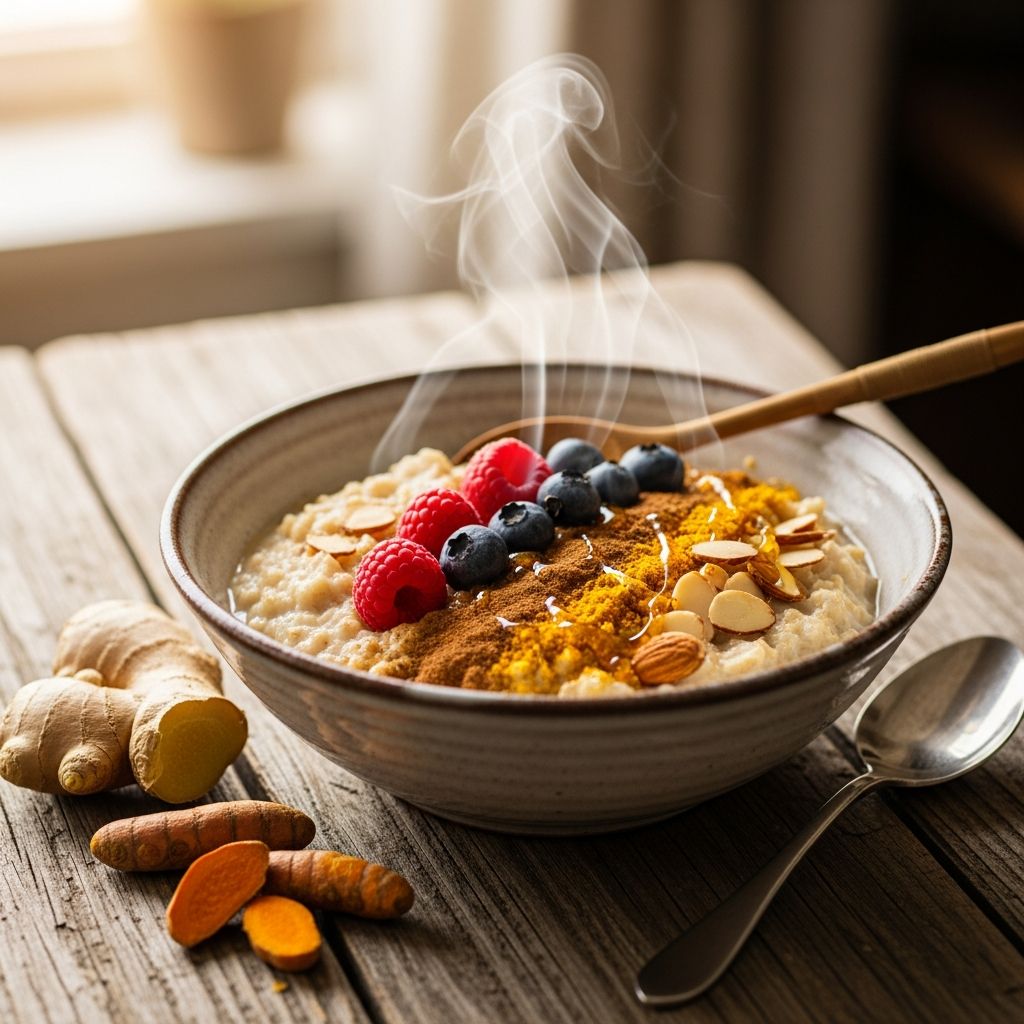
This vibrant, golden oatmeal bowl is my go-to for nourishing the body, inspired by the famous healing oats served at Valley Hospital to new mothers. With a creamy base of rolled oats cooked in coconut milk and infused with potent anti-inflammatory spices like turmeric, ginger, black pepper, and cinnamon, it’s topped with fresh fruits, nuts, and seeds for a comforting, health-boosting breakfast that feels like a warm hug.
Whether you’re recovering from childbirth, surgery, or just want to start your day with inflammation-fighting ingredients, this recipe is simple, quick, and customizable. It’s become my signature gift for friends in need of easy, hearty meals that promote healing from the inside out.
What Are Healing Oats?
Healing oats are more than just breakfast—they’re a therapeutic bowl designed to soothe and restore the body. Inspired by the turmeric-infused oat bowls at Valley Hospital, these oats get their signature bright yellow hue from a powerful spice blend and creamy texture from full-fat coconut milk. They’re perfect for postpartum recovery, post-surgery nourishment, or anyone combating chronic inflammation.
The base starts with
rolled oats
, chosen for their quick cooking time—ideal for busy mornings with kids or limited energy. Rolled oats cook in just 5-10 minutes, providing beta-glucan fiber that supports gut health and stable blood sugar levels. Cook them in a 1:1 ratio of water and full-fat coconut milk for ultimate creaminess without dairy. The coconut milk adds healthy fats that enhance satiety and allow better absorption of fat-soluble spices.The magic lies in the
spice blend
: freshly grated ginger for its zingy warmth, ground turmeric for its curcumin content, a pinch of black pepper to boost bioavailability, and cinnamon for sweet depth. Optional additions like cardamom, nutmeg, or cloves elevate the flavor profile, making it feel like a cozy spice latte in oatmeal form. Finish with a drizzle of maple syrup or agave for natural sweetness that doesn’t spike blood sugar.Toppings transform this into a nutrient powerhouse: tart cherries or berries for antioxidants, walnuts or pecans for omega-3s, chia and flax seeds for extra fiber and lignans. Each bite delivers anti-inflammatory benefits backed by science, wrapped in comforting flavors.
What Makes This an Anti-Inflammatory Breakfast
This oatmeal isn’t just delicious—it’s engineered for
anti-inflammatory power
. Chronic inflammation links to conditions like heart disease, arthritis, and diabetes, but everyday foods can help combat it. Here’s why this recipe shines:- Turmeric and Black Pepper Synergy: Turmeric’s curcumin is a potent anti-inflammatory compound, but its absorption is poor alone. Black pepper’s piperine increases curcumin bioavailability by up to 2,000%, per research from Johns Hopkins Medicine. Together, they amplify effects more than solo.
- Ginger’s Gingerols: Fresh ginger provides gingerols, which inhibit pro-inflammatory pathways similar to NSAIDs, reducing muscle pain and oxidative stress.
- Cinnamon’s Polyphenols: This warming spice lowers inflammatory markers like C-reactive protein and adds blood sugar-stabilizing cinnamaldehyde.
- Nuts for Omega-3s and Antioxidants: Walnuts, pistachios, and pecans are rich in ALA omega-3s, fiber, and polyphenols that reduce inflammation markers and oxidative stress, as shown in studies on nut consumption and chronic disease risk.
- Berries and Fruits: Cherries and blueberries pack anthocyanins, powerful antioxidants that neutralize free radicals and lower inflammation.
- Oats’ Beta-Glucans: Soluble fiber in oats binds to cholesterol and stabilizes blood sugar, indirectly fighting inflammation.
Reviewed by dietitians like Emily Lachtrupp, M.S., RD, this combo provides synergistic benefits. Beyond science, the ritual of a warm, homemade bowl offers emotional comfort—key for recovery.
How to Make Anti-Inflammatory Healing Oats (Recipe)
Prep time: 5 minutes | Cook time: 10 minutes | Servings: 1 (easily scalable)
Ingredients
- ½ cup rolled oats
- ½ cup water
- ½ cup full-fat coconut milk (canned, shaken well)
- 1 tsp ground turmeric
- ½ tsp freshly grated ginger (or ¼ tsp ground)
- ¼ tsp ground cinnamon
- Pinch of black pepper
- 1-2 tsp maple syrup or agave
- Optional spices: ⅛ tsp cardamom, nutmeg, or cloves
Toppings (Choose Your Favorites)
- ¼ cup fresh or frozen cherries/berries
- 2 tbsp chopped walnuts, pecans, or pistachios
- 1 tbsp chia seeds
- 1 tbsp ground flaxseeds
- Fresh banana slices or apple for extra sweetness
Related Stories



Instructions
- Combine liquids and oats: In a small saucepan, bring water and coconut milk to a simmer over medium heat.
- Add oats and spices: Stir in rolled oats, turmeric, ginger, cinnamon, black pepper, and optional spices. Reduce heat to low and cook for 5-7 minutes, stirring occasionally, until oats are creamy and thickened.
- Sweeten: Remove from heat and stir in maple syrup. Adjust sweetness or creaminess with more milk if needed.
- Top and serve: Spoon into a bowl and load up with fruits, nuts, and seeds. Enjoy hot for maximum comfort.
Pro Tips: Make a big batch for the week—stores in fridge up to 4 days; reheat with splash of milk. For vegan/gluten-free, use certified oats. Double spices for bolder flavor.
Nutrition Information (Per Serving, Without Toppings)
| Nutrient | Amount | % Daily Value* |
|---|---|---|
| Calories | 350 | 18% |
| Total Fat | 18g | 23% |
| Saturated Fat | 12g | 60% |
| Carbohydrates | 42g | 15% |
| Dietary Fiber | 6g | 21% |
| Protein | 7g | 14% |
| Iron | 3mg | 17% |
| *Percent Daily Values based on 2,000-calorie diet. Toppings add ~150 calories, fiber, and healthy fats. | ||
Customizations and Variations
Keep it exciting with these tweaks:
- Protein Boost: Add Greek yogurt, almond butter, or a scoop of protein powder.
- Chocolate Twist: Stir in cocoa powder and top with cacao nibs.
- Savory Version: Skip sweetener; top with avocado, poached egg, and sauerkraut.
- Overnight Oats: Mix cold and refrigerate overnight—no cooking needed.
- Nut-Free: Use sunflower seeds and pumpkin seeds.
Why This Recipe Is Perfect for New Moms and Recovery
As a mom of two, I’ve gifted these oats to friends post-delivery or surgery. They’re easy to prep in advance, freeze well in portions, and deliver nutrients without overwhelming digestion. The anti-inflammatory spices aid tissue repair, while fiber supports gut health disrupted by meds or stress. Receiving homemade food feels like love—nourishing body and soul.
Research supports warming spices for postpartum care: ginger eases nausea, turmeric reduces swelling. It’s a simple way to care for loved ones year-round.
Frequently Asked Questions (FAQs)
Can I use steel-cut or instant oats?
Yes, but adjust cook time: steel-cut needs 20-30 minutes; instant cooks in 1-2 minutes. Rolled oats are best for creaminess and speed.
Is this recipe vegan?
Absolutely—use maple syrup and ensure coconut milk is plant-based.
How do I store leftovers?
Fridge for 4 days or freeze for 1 month. Reheat on stovetop with milk.
Can I skip black pepper?
It’s crucial for turmeric absorption, but use a tiny pinch if sensitive.
What if I don’t like coconut milk?
Substitute almond, oat, or dairy milk, but full-fat versions yield best texture.
Related Recipes
- Anti-Inflammatory Smoothies
- Golden Milk Turmeric Latte
- Berry Chia Pudding
References
- Enhancing the Bioavailability of Curcumin — Mary-Eve Brown, RD, Johns Hopkins Medicine. 2023. https://www.hopkinsmedicine.org/health/wellness-and-prevention/turmeric-benefits
- Nuts and Human Health Outcomes — Federal Register of peer-reviewed studies via PubMed (Ros et al.). 2023-01-15. https://pubmed.ncbi.nlm.nih.gov/36744453/
- Ginger and Turmeric in Postpartum Recovery — World Health Organization (WHO) maternal health guidelines. 2024. https://www.who.int/publications/i/item/9789240087142
- Anti-Inflammatory Effects of Cinnamon — National Institutes of Health (NIH), PubMed Central. 2022-06-10. https://www.ncbi.nlm.nih.gov/pmc/articles/PMC9321262/
Similar Articles








Read full bio of Sneha Tete