Argentine Cuisine: 8 Iconic Dishes From Asado To Choripán
Discover Argentina's culinary traditions: from asado and empanadas to yerba mate and dulce de leche.
My Global Table: Argentina
Argentina’s culinary landscape represents a fascinating blend of indigenous traditions, Spanish colonial heritage, and European immigration, particularly from Italy and other Mediterranean regions. The food culture of Argentina reflects not only the nation’s agricultural abundance—especially its world-renowned beef production—but also the social values and family traditions that define Argentine life. Understanding Argentine cuisine provides insight into how geography, history, and migration patterns have shaped one of South America’s most distinctive food cultures.
Meal Patterns and Daily Eating Habits
Argentines typically structure their day around four distinct meals, each serving a specific purpose in their daily routine and social fabric. This meal pattern differs significantly from many North American eating traditions and reflects the Argentine emphasis on family, community, and the importance of food in daily life.
Breakfast (Desayuno)
Breakfast in Argentina is characteristically simple and light, designed to provide energy for the morning without being heavy. The traditional Argentine breakfast centers on café con leche, a combination of strong coffee mixed with warm milk, served in a large cup or bowl. This beverage is often accompanied by pastries, toast with butter, or toast with sour cream (crema agria). The simplicity of breakfast reflects Argentine practicality—breakfast is primarily a mechanism to start the day, not an elaborate meal, allowing family members to move through their morning routines efficiently.
Mid-Morning and Lunch
The main meal of the Argentine day is lunch (almuerzo), typically eaten between noon and 2 p.m. This is when Argentines consume substantial, hearty dishes. Lunch commonly features traditional Argentine foods such as empanadas, milanesas, or stews like locro. Many Argentines return home for lunch if possible, making it a family-centered meal rather than a quick affair. The midday meal is considered the most important of the day and often represents the highlight of Argentine eating culture.
Afternoon Tea and Dinner
In the mid-afternoon, Argentines enjoy merienda, a tea service that might include coffee, tea, or chocolate accompanied by pastries, cakes, or sandwiches. Dinner (cena) is typically served later in the evening, often around 8 or 9 p.m., and is generally lighter than lunch. This late dining schedule reflects European influences, particularly Spanish and Italian customs, and remains a defining characteristic of Argentine daily life.
The Heart of Argentine Cuisine: Asado
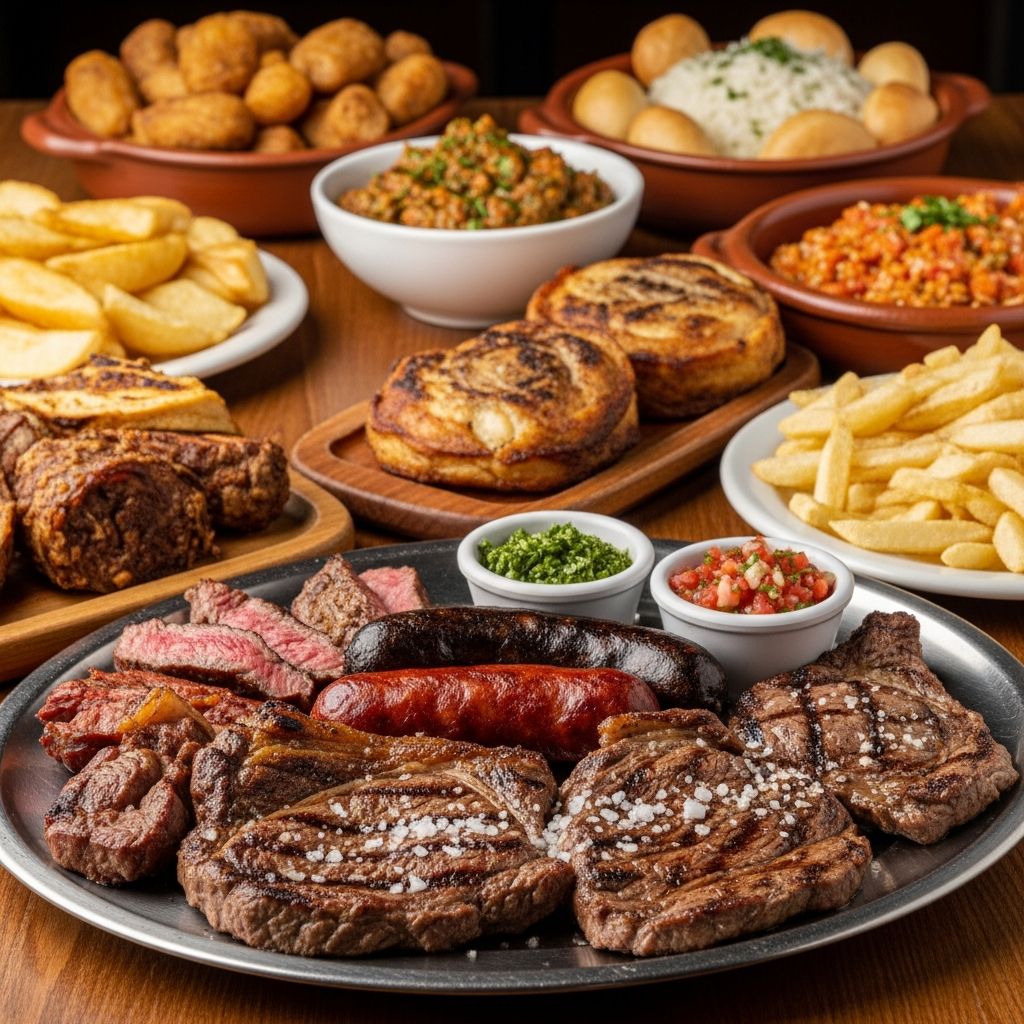
Asado represents far more than a cooking method; it is a cornerstone of Argentine cultural identity and social tradition. This barbecued beef tradition, cooked on an open flame or parrilla (grill), embodies the gaucho heritage and remains deeply embedded in Argentine society. Asado is recognized as the national dish of Argentina and involves slow-cooking various cuts of meat, including flank steak and chorizo sausage, all richly seasoned with chimichurri sauce. The resulting smoky feast is often enjoyed with Argentina’s famous Malbec red wine.
The preparation of asado requires patience and skill. Each item is cooked slowly atop the heat of the parrilla, ensuring the meat is grilled but never dry. The process transforms simple ingredients into a culinary experience that brings families and friends together. Beyond the food itself, asado represents a gathering—a time for social connection, conversation, and the sharing of meals in a communal setting.
Related Stories



Key Components of Asado
- Beef cuts: Argentina produces world-famous beef, particularly cuts like ribeye (ojo de bife), flank (vacío), and short ribs (costillas)
- Chimichurri sauce: A quintessential Argentine condiment made from parsley, garlic, vinegar, oil, and red pepper flakes
- Sausages: Chorizos and other traditional sausages cooked alongside beef
- Provoleta: Grilled provolone cheese seasoned with oregano and chili flakes, served as an appetizer
- Regional variations: Different Argentine regions may include additional items like sweetbreads (mollejas) and regional meat specialties
Traditional Argentine Dishes
Empanadas
Empanadas represent a Spanish culinary legacy that has become fundamentally Argentine. These pastries are filled with a mixture of ground beef, hard-boiled eggs, bell peppers, and spices, with significant regional variations throughout Argentina and neighboring countries. The pastry wrapper is folded into a distinctive crescent or semicircle shape and either baked or fried. Traditional recipes often include hard-boiled egg and green onions alongside the savory beef filling. Empanadas are consumed as appetizers, snacks, or light meals and remain ubiquitous in Argentine food culture.
Milanesa
Milanesa demonstrates the profound Italian influence on Argentine cuisine. This dish consists of a breaded and fried meat cutlet, often topped with a fried egg or tomato sauce, closely resembling the Italian cotoletta. The technique involves pounding meat thin, coating it in breadcrumbs, and frying it until golden. Milanesa Napolitana, a variation topped with tomato sauce and melted cheese, is particularly popular. The dish showcases how Argentine cooking has adapted Italian techniques to create distinctly Argentine preparations.
Locro and Humita
Locro represents the indigenous and colonial culinary blend of Argentina. This hearty stew, made from corn, beans, sweet potato, and various meats including blood sausage (morcilla) and chorizo, originated with indigenous tribes living in the Andes. Locro spread with migrating peoples before Spanish colonization and remains particularly popular in northwestern provinces such as Salta and Jujuy, where Andean influences are strongest. The dish is often enjoyed during national celebrations and represents authentic indigenous Argentine food culture.
Humita, another indigenous-influenced dish, is made from fresh corn, cheese, and spices, wrapped in corn husks and steamed. This preparation offers a sweet and savory flavor that is uniquely South American, differing from locro in texture and ingredient composition.
Carbonada
Carbonada is a popular choice in colder regions, particularly Patagonia. This stew contains meat, potatoes, sweet potatoes, and a surprising addition of quince, which offers a sweet contrast to the savory ingredients. Traditionally served in a hollowed-out gourd, carbonada highlights the rustic, earthy elements of Argentine cuisine and demonstrates how regional geography influences food preparation and ingredient selection.
Matambre
Matambre involves a fascinating preparation process where meat is laid out flat and covered with various ingredients before being rolled, tied with string, and cooked. The filling usually includes carrots, hard-boiled eggs, bell peppers, and a mixture of herbs and spices like paprika and garlic, offering a burst of flavors that penetrate the meat beautifully. Some variations include spinach or other vegetables, seasoned with salt, pepper, and typical Argentine spices. This dish represents the creativity and care invested in Argentine home cooking.
Choripán
Choripán is a simple yet beloved street food that combines crusty bread with juicy chorizo, topped with chimichurri. In Argentina, choripán consists of chorizo sausage grilled and cut in half and placed onto a baguette or crusty bread. It is a favorite among locals, especially as an appetizer during an asado. The dish’s simplicity belies its cultural significance and widespread popularity across all social classes.
European Influences and Regional Variations
Italian Heritage
Immigration from Europe, especially Italy, has heavily influenced Argentina’s food traditions. Due to significant Italian immigration, Italian cuisine has left a profound mark on Argentina’s food scene. Pasta dishes like gnocchi (ñoquis) are staples in Argentine households. In fact, in Argentina, it is customary for everyone to eat gnocchi on the 29th of every month for good luck. Argentines have also adapted Italian pizza traditions, creating distinctive variations like pizza a la parrilla and pizza con rúcula (pizza with arugula), which have become integral to Argentine food culture.
Northwestern Regional Cuisine
The northwestern provinces, such as Salta and Jujuy, offer different tastes of Argentina with Andean influences. Here, dishes are heartier and often include ingredients like corn, potatoes, and beans. Locro remains a traditional dish often enjoyed during national celebrations in these regions. Patagonian lamb (cordero patagónico) is another regional specialty popular in Patagonia, which spans across the lower parts of Argentina.
Beverages and Accompaniments
Chimichurri: The Signature Sauce
Chimichurri is Argentine in its origins and represents one of the nation’s most distinctive culinary contributions. Typically made of finely-chopped parsley, minced garlic, oregano, and white vinegar, chimichurri has regional variations throughout Argentina. This versatile sauce accompanies grilled meats, especially asado, and is considered essential to Argentine dining. The balance of fresh herbs, pungent garlic, and tangy vinegar creates a flavor profile that enhances rather than masks the quality of Argentine beef.
Yerba Mate
Yerba mate represents a traditional Argentine beverage with deep cultural significance. This herbal tea, made from the leaves of the yerba mate plant, is consumed socially, often shared among friends and family in a circular ritual. The drink provides caffeine and is considered part of Argentine identity and daily life, particularly in social settings.
Sweet Traditions and Desserts
Argentine cuisine includes a rich tradition of sweet preparations. Dulce de leche, a caramel-like confection made from sweetened milk, appears in various desserts and pastries. Alfajor, a traditional cookie sandwich filled with dulce de leche, represents refined Argentine sweets. These confections demonstrate that Argentine food culture extends beyond savory preparations to include sophisticated and beloved sweet traditions.
Adapting Traditional Dishes for Modern Nutrition
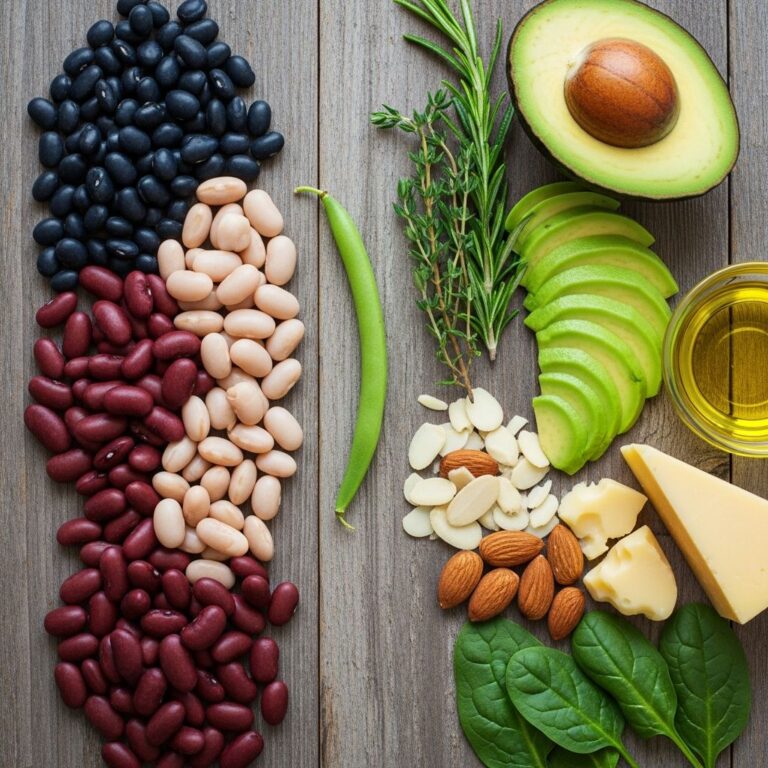
Traditional Argentine dishes can be tailored to different nutritional needs without sacrificing their essence. Making a few tweaks, such as choosing lean cuts of beef, including more plant-based ingredients, and using small amounts of fats like oils for cooking, allows health-conscious Argentines to enjoy traditional foods while meeting contemporary nutritional goals. The essential principle remains: keeping alive the tradition of cooking at home with simple, real ingredients and enjoying food with others.
Frequently Asked Questions
Q: What is the most important meal of the day in Argentina?
A: Lunch (almuerzo) is the most important meal of the day in Argentina, typically eaten between noon and 2 p.m. This is when Argentines consume substantial, hearty dishes, and many families return home specifically to share this meal together.
Q: What makes asado different from other forms of barbecuing?
A: Asado is more than a cooking method—it is a social and cultural tradition that brings families and friends together. The key difference lies in the patient, slow-cooking process over a parrilla and the cultural significance of the gathering itself, combined with the quality of Argentine beef and chimichurri sauce.
Q: Are there vegetarian options in traditional Argentine cuisine?
A: While Argentine cuisine is heavily meat-focused, traditional dishes like humita (made from corn, cheese, and spices), locro (which includes vegetables), and fainá (chickpea flour flatbread) offer vegetarian options. Additionally, despite their obsession with red meat, Argentinians eat plenty of fruits, vegetables, and grains.
Q: What does the gnocchi tradition on the 29th represent?
A: In Argentina, eating gnocchi on the 29th of every month is customary. Placing a bill or coin underneath your gnocchi plate while eating is said to bring good luck, making this a cherished tradition combining food, culture, and superstition.
Q: How does geography influence Argentine cuisine?
A: Geography significantly affects Argentine food traditions. Northwestern provinces feature Andean influences with dishes heavy in corn, potatoes, and beans, while Patagonia specializes in lamb. Coastal and central regions emphasize beef production, reflecting Argentina’s varied climates and resources.
References
- 14 Traditional Argentinian Dishes for Your Table — Remitly. 2024. https://www.remitly.com/blog/lifestyle-culture/traditional-dishes-of-argentina/
- My Global Table: Argentina — Academy of Nutrition and Dietetics. https://www.eatright.org/food/cultural-cuisines-and-traditions/central-and-south-american/my-global-table-argentina
- Exploring Argentina’s Vibrant Food Scene — Fine Dining Table. 2024. https://www.finediningtable.com/exploring-argentinas-vibrant-food-scene/
- 16 Traditional Argentine Dishes You Need to Try — Argentine Culture. https://www.argentineculture.org/food-culture
- Beef Empanadas Recipe — Global Table Adventure. 2010. https://globaltableadventure.com/2010/03/17/menu-argentina/
Similar Articles








Read full bio of Sneha Tete