Myalgia (Muscle Pain): Causes, Symptoms & Relief
Understanding muscle pain: Learn what causes myalgia and how to find relief at home or with medical care.
Understanding Myalgia: What You Need to Know About Muscle Pain
Myalgia is the medical term for muscle pain, a sensation that most people experience at some point in their lives. Whether it’s soreness after a strenuous workout, body aches accompanying the flu, or persistent pain from an underlying condition, muscle pain is incredibly common. While myalgia is usually temporary and not serious, it can sometimes indicate a more significant health issue that requires professional attention. Understanding what myalgia is, what causes it, and how to manage it can help you determine when home care is sufficient and when you need to consult a healthcare provider.
Muscle pain affects your daily life, from simple tasks like climbing stairs to complex activities like exercise and work. The good news is that many cases of myalgia can be effectively managed with rest and home care. However, if your pain persists for more than a few days, worsens despite rest, or doesn’t improve with self-care measures, it’s important to seek medical attention to rule out more serious conditions.
How Healthcare Providers Classify Myalgia
When you visit a healthcare provider with muscle pain, they typically begin by classifying your myalgia into one of two categories: localized or diffuse. This classification helps narrow down the possible causes and determine the appropriate course of treatment.
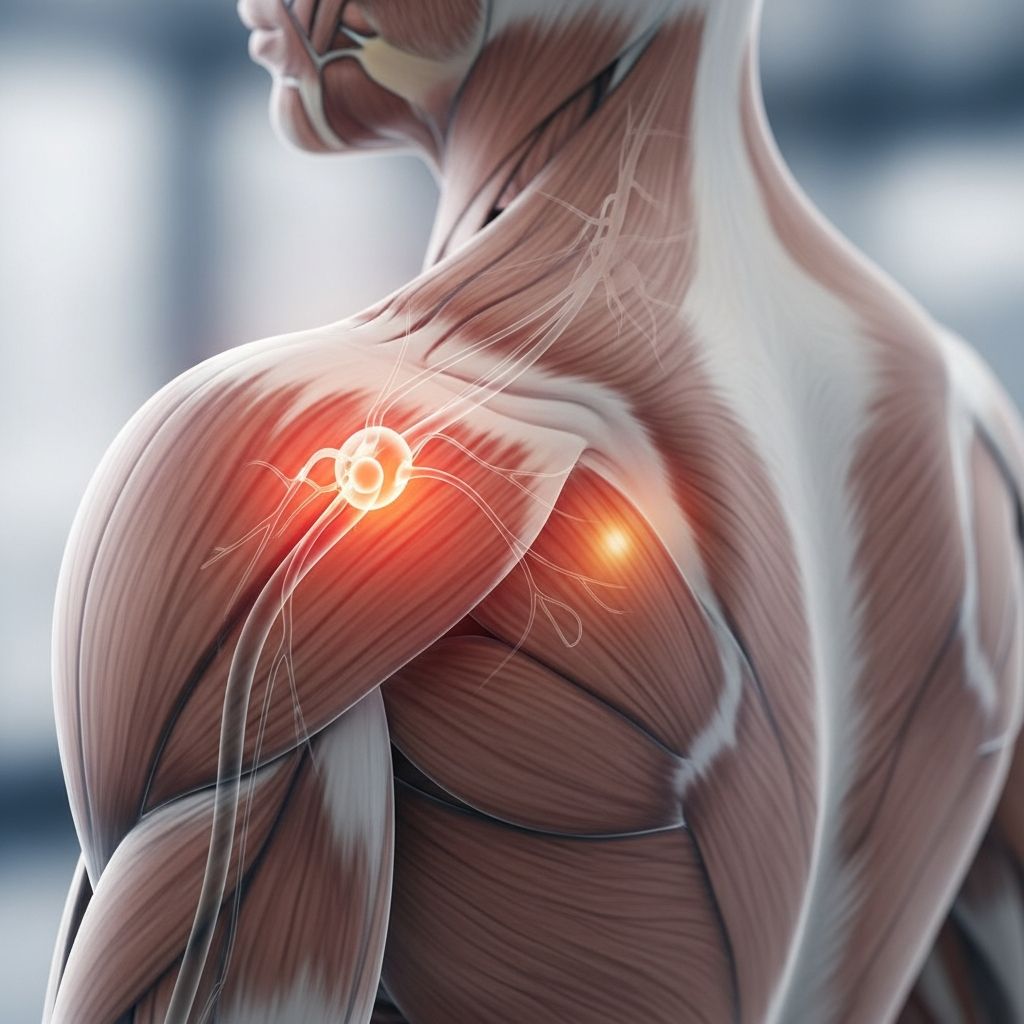
Localized myalgia refers to muscle pain or soreness concentrated in one specific area of your body. This type of pain is more likely related to a specific event, such as an injury, overuse of a particular muscle group, or recent strain on that area. For example, a pulled shoulder muscle from lifting heavy boxes would result in localized myalgia in your shoulder region.
Diffuse myalgia describes all-over body aches that affect multiple areas of your body simultaneously. This widespread muscle pain is more likely related to something affecting your entire body, such as an infection, disease, or systemic condition. The flu, for instance, commonly causes diffuse muscle pain throughout the body.
To further narrow down the cause and determine the severity of your myalgia, your healthcare provider may ask several questions about your symptoms, including when the pain started, what makes it better or worse, whether you’ve had any recent injuries or illnesses, and if you’ve recently changed your activity level or exercise routine.
Common Causes of Myalgia
Muscle pain can result from a wide variety of causes, ranging from minor and temporary issues to serious medical conditions. Understanding these causes can help you identify why you’re experiencing myalgia and determine the appropriate response.
Exercise-Related Muscle Soreness
One of the most common causes of myalgia is muscle soreness related to physical activity. Muscle soreness after exercise is particularly common when you try something new or increase the intensity of your workouts. You may experience acute soreness immediately after exercise, or you might develop delayed-onset muscle soreness (DOMS) a day or two after your workout. This type of soreness is actually a normal part of the muscle-building process and typically resolves within a few days with proper rest and self-care.
Related Stories



Muscle Strain and Injury
Muscle strains, sprains, and other injuries are common culprits of localized myalgia. These injuries can occur during sports, manual labor, or everyday activities. Even minor injuries like pulling a muscle while reaching or straining your back while lifting can cause significant muscle pain that may persist for days or weeks without proper treatment.
Sedentary Lifestyle and Poor Posture
Conversely, myalgia can also result from not moving enough or from imbalanced muscle use. People with desk jobs involving long hours of sitting often experience muscle stiffness and pain, particularly in the neck, shoulders, and lower back. Poor posture during prolonged sitting can lead to muscle strain and chronic pain if not addressed.
Infections and Illnesses
Diffuse myalgia frequently accompanies viral and bacterial infections. The flu is a classic example, causing widespread body aches and muscle pain as part of the systemic infection response. Other infections can similarly cause temporary muscle pain that typically resolves as the infection clears.
Chronic Diseases and Conditions
Certain chronic diseases and long-term conditions can cause ongoing, widespread myalgia. These conditions require proper diagnosis and medical management to control symptoms and prevent complications.
When to Seek Medical Attention
While many cases of myalgia improve with rest and home care, certain situations warrant professional medical evaluation. You should contact a healthcare provider about your myalgia if:
- Your pain doesn’t improve after several days of rest and self-care
- Your muscle pain worsens despite rest and home treatment measures
- You don’t know why your muscles hurt or cannot identify a clear cause
- Your pain is severe and significantly interferes with your daily activities
- You experience muscle pain accompanied by other concerning symptoms like fever, weakness, or swelling
- Your myalgia persists for more than a few weeks
- The pain occurs in multiple areas of your body without an obvious cause
Self-Care Strategies for Managing Muscle Pain at Home
For everyday muscle aches and pains resulting from exercise, minor strain, or temporary causes, several self-care strategies can provide relief and promote healing:
- Rest: Give your muscles time to recover by avoiding activities that aggravate the pain
- Ice therapy: Apply ice to the affected area within the first 48 hours to reduce inflammation and numb pain
- Heat therapy: After the initial 48 hours, apply heat to relax tight muscles and improve blood flow
- Compression: Use compression wraps or bandages to reduce swelling and provide support
- Elevation: Keep the affected area elevated to reduce swelling and improve circulation
- Over-the-counter pain relievers: Nonsteroidal anti-inflammatory drugs (NSAIDs) can help reduce pain and inflammation
- Gentle stretching: Once acute pain subsides, gentle stretching can improve flexibility and reduce stiffness
- Massage: Self-massage or professional massage can help relieve muscle tension and improve circulation
- Adequate hydration: Staying well-hydrated supports muscle function and recovery
- Proper nutrition: Consuming adequate protein and nutrients supports muscle repair and recovery
Professional Treatment Options for Persistent Myalgia
If your muscle pain doesn’t improve with home care or is caused by a more serious condition, your healthcare provider may recommend professional treatments. These can include medications specifically prescribed for your condition, physical therapy to strengthen muscles and improve flexibility, or even medical procedures for certain conditions. The specific treatment approach will depend on the underlying cause of your myalgia and the severity of your symptoms.
The Importance of Recognizing Serious Muscle Pain
While most myalgia is temporary and not serious, it’s crucial to recognize when muscle pain may indicate a more significant issue. Muscle pain from temporary causes like exercise, strain, or passing infections will usually improve with rest and home care. However, persistent soreness lasting more than a few days or pain that worsens despite rest could signal a more serious condition requiring professional care.
Without proper treatment, moderate to severe muscle injuries can develop into chronic pain and mobility issues that negatively affect your quality of life and work capacity. This is why seeking early medical evaluation for concerning muscle pain is so important. The sooner you receive tailored treatment, the better your chances of full recovery and preventing long-term complications.
Frequently Asked Questions About Myalgia
Q: How long does typical muscle soreness last after exercise?
A: Acute muscle soreness may appear immediately after exercise, while delayed-onset muscle soreness typically develops one to two days after your workout and usually resolves within three to five days with proper rest and self-care.
Q: Is muscle pain after exercise always normal?
A: While some muscle soreness after exercise is normal and part of the muscle-building process, pain that is severe, persistent, or accompanied by significant swelling, bruising, or weakness may indicate a more serious injury requiring medical attention.
Q: Can myalgia be prevented?
A: While you may not be able to prevent all muscle pain, you can reduce your risk by warming up before exercise, maintaining good posture, staying active to prevent muscle weakness from inactivity, and using proper technique during physical activities and lifting.
Q: What’s the difference between acute and chronic myalgia?
A: Acute myalgia is sudden and temporary, typically resulting from recent injury or exercise, while chronic myalgia persists over months or years, often resulting from underlying medical conditions or chronic strain patterns.
Q: Should I exercise if I have muscle pain?
A: For mild muscle soreness from exercise, gentle movement and light activity can promote blood flow and recovery. However, if you have severe pain or suspect an injury, rest is recommended until the pain improves or you receive medical clearance to resume activity.
Key Takeaways About Myalgia
Myalgia, or muscle pain, is a common experience that most people encounter at some point. While it’s usually temporary and manageable with home care, it’s important to take your pain seriously, especially when it persists, worsens, or occurs without an obvious cause. Understanding whether your myalgia is localized or diffuse, recognizing the underlying cause, and knowing when to seek professional help are essential steps in managing muscle pain effectively. By combining appropriate self-care strategies with professional medical care when needed, you can successfully address muscle pain and maintain your quality of life.
References
- Myalgia (Muscle Pain): What It Is, Causes & Relief — Cleveland Clinic. Last reviewed 2024-10-01. https://my.clevelandclinic.org/health/symptoms/myalgia-muscle-pain
- Musculoskeletal Pain: What It Is, Symptoms, Treatment & Types — Cleveland Clinic. Last reviewed 2024-08-15. https://my.clevelandclinic.org/health/symptoms/musculoskeletal-pain
- Myofascial Pain Syndrome: What It Is, Symptoms & Treatment — Cleveland Clinic. https://my.clevelandclinic.org/health/diseases/12054-myofascial-pain-syndrome
- What Helps Sore Muscles After a Workout? — Cleveland Clinic Health. https://health.clevelandclinic.org/what-helps-sore-muscles-after-workout
- Finding Relief for Acute Pain — Cleveland Clinic. https://my.clevelandclinic.org/watch/why-acute-pain-management-is-important
Similar Articles








Read full bio of medha deb