Myalgia: Understanding Muscle Pain Causes and Treatment
Comprehensive guide to myalgia: causes, symptoms, diagnosis, and effective treatment options.
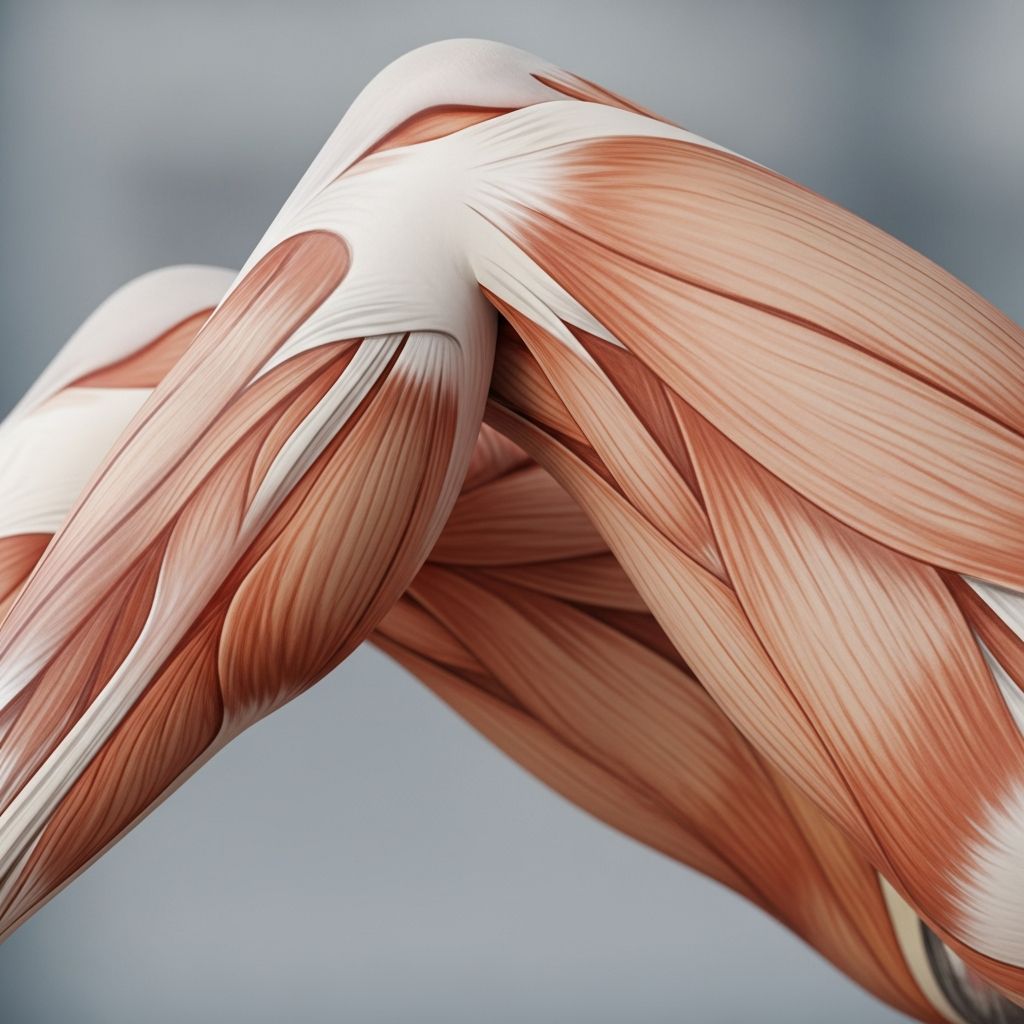
What is Myalgia?
Myalgia refers to muscle pain or tenderness, a common condition that affects people of all ages and activity levels. The term comes from the Greek words “myo” meaning muscle and “algia” meaning pain. Muscle pain can range from mild discomfort to severe pain that significantly impacts daily functioning and quality of life. Myalgia can affect a single muscle or multiple muscle groups throughout the body, and it may be acute (short-term) or chronic (long-lasting).
While muscle pain is often temporary and resolves on its own, persistent myalgia can indicate an underlying health condition that requires medical attention. Understanding the causes, symptoms, and available treatments can help individuals manage their symptoms effectively and return to normal activities.
Causes of Myalgia
Muscle pain can develop from various causes, ranging from simple overuse to serious medical conditions. Identifying the underlying cause is essential for determining the appropriate treatment approach.
Common Causes
- Muscle Overuse: Engaging in repetitive activities or intense exercise without adequate rest can lead to muscle soreness and pain, commonly known as delayed-onset muscle soreness (DOMS).
- Muscle Strain or Injury: Sprains, strains, or direct trauma to muscles can cause acute pain and inflammation.
- Tension and Stress: Emotional stress and tension often manifest as muscle tightness and pain, particularly in the neck, shoulders, and back.
- Poor Posture: Prolonged sitting or standing with improper posture can strain muscles and lead to chronic pain.
- Infection: Viral infections such as influenza can cause widespread muscle aches and pain.
- Autoimmune Diseases: Conditions like fibromyalgia involve widespread muscle pain due to abnormalities in how the nervous system processes pain signals.
- Medication Side Effects: Some medications, particularly statins used for cholesterol management, can cause muscle pain and weakness.
- Dehydration and Electrolyte Imbalances: Insufficient fluids or mineral imbalances can contribute to muscle cramps and pain.
Systemic Causes
Myalgia can also result from systemic conditions affecting multiple body systems. Thyroid disorders, fibromyalgia syndrome, and chronic fatigue syndrome commonly present with widespread muscle pain. Additionally, autoimmune conditions such as lupus and rheumatoid arthritis can manifest with muscle pain as a primary symptom. Neurological conditions and metabolic disorders may also contribute to muscle pain development.
Symptoms and Clinical Presentation
The symptoms of myalgia vary depending on the underlying cause, severity, and affected muscle groups. Most individuals experience localized or generalized muscle pain and tenderness.
Primary Symptoms
- Muscle soreness or aching
- Tenderness to touch
- Weakness or fatigue in affected muscles
- Stiffness, particularly after periods of rest
- Reduced range of motion
- Muscle cramps or spasms
Associated Symptoms
In addition to localized muscle pain, individuals may experience fever, fatigue, and malaise when myalgia results from infection. Chronic myalgia conditions often present with sleep disturbances, mood changes, and cognitive difficulties. Some patients report non-cardiac chest pain and gastrointestinal symptoms associated with conditions like fibromyalgia. Pain intensity typically worsens with activity and improves with rest, though this pattern varies depending on the underlying cause.
Diagnosis of Myalgia
Diagnosing myalgia involves a comprehensive evaluation combining patient history, physical examination, and targeted testing. A healthcare provider will typically begin by gathering information about symptom onset, duration, and any triggering activities or events.
Related Stories



Clinical Evaluation
During the physical examination, the provider assesses muscle strength, flexibility, and pain response to palpation and movement. The clinician may perform specific maneuvers to identify affected muscles and evaluate the pain pattern. Laboratory testing may include blood work to rule out infection, inflammatory conditions, and metabolic abnormalities. Blood tests might evaluate thyroid function, vitamin D levels, and inflammatory markers such as erythrocyte sedimentation rate (ESR) and C-reactive protein (CRP).
Imaging and Specialized Testing
Imaging studies such as ultrasound or magnetic resonance imaging (MRI) may be necessary to visualize muscle tissue and identify structural abnormalities, tears, or inflammation. Electromyography (EMG) and nerve conduction studies help assess muscle and nerve function when myopathy or neuropathy is suspected. In cases of suspected systemic conditions, additional testing may include antinuclear antibody (ANA) panels or rheumatological workup.
Treatment Options
Treatment approaches for myalgia depend on the underlying cause, symptom severity, and individual patient factors. Most cases benefit from a multimodal approach combining several therapeutic strategies.
Conservative Management
Rest and Activity Modification: Allowing affected muscles adequate recovery time is fundamental to healing. However, complete immobilization should generally be avoided, as gentle movement promotes healing and prevents deconditioning. Modified activity that avoids exacerbating movements helps facilitate recovery while maintaining overall fitness.
Physical Therapy and Exercise: Structured physical therapy programs improve muscle strength, flexibility, and endurance. Therapists design individualized exercise regimens that progress gradually and address specific muscle groups. Regular, gentle exercise such as walking, swimming, or yoga can reduce symptoms and improve functional capacity. Physical therapy may include massage, stretching, and strengthening exercises tailored to the patient’s condition.
Heat and Cold Therapy: Applying heat to muscles promotes blood flow, reduces stiffness, and alleviates pain, particularly for chronic myalgia. Cold therapy reduces inflammation and numbs acute pain. Alternating heat and cold or selecting the most effective modality for individual symptoms provides symptomatic relief.
Pharmacological Treatments
Over-the-Counter Pain Relievers: Nonsteroidal anti-inflammatory drugs (NSAIDs) such as ibuprofen and naproxen reduce inflammation and pain. Acetaminophen provides pain relief without anti-inflammatory effects. These medications work best for acute, mild to moderate muscle pain.
Prescription Medications: For moderate to severe myalgia, healthcare providers may prescribe muscle relaxants, which reduce muscle tension and spasm. Topical creams containing menthol, capsaicin, or local anesthetics provide localized pain relief. Pain management should emphasize comprehensive approaches beyond opioid medications, utilizing the full range of available therapies.
Antidepressants: Low-dose tricyclic antidepressants or serotonin-norepinephrine reuptake inhibitors (SNRIs) help manage chronic myalgia, particularly when accompanied by sleep disturbance or mood disorders. These medications improve sleep quality and reduce pain perception.
Psychological and Behavioral Interventions
Cognitive behavioral therapy (CBT) helps individuals develop coping strategies and manage the psychological aspects of chronic pain. Stress reduction techniques including mindfulness meditation, deep breathing exercises, and relaxation training reduce muscle tension. Sleep optimization through sleep hygiene education and treatment of sleep disorders improves overall pain management effectiveness.
Lifestyle Modifications
- Ergonomic Optimization: Adjusting workspace setup and daily activities to maintain proper posture reduces muscle strain.
- Hydration and Nutrition: Adequate fluid intake and balanced diet with sufficient electrolytes and nutrients support muscle function.
- Stress Management: Regular relaxation practices and stress-reduction activities minimize muscle tension.
- Sleep Quality: Prioritizing consistent sleep schedules and creating conducive sleep environments promote muscle recovery.
- Regular Exercise: Maintaining moderate physical activity prevents deconditioning and improves overall muscle health.
Special Considerations in Pain Management
Modern pain management emphasizes comprehensive, patient-centered approaches that address the multifaceted nature of muscle pain. Healthcare providers recognize that each patient experiences pain differently and requires individualized treatment strategies. Effective pain management involves collaboration between patients and healthcare providers, utilizing physical therapy, counseling, and nonnarcotic medications before considering opioid therapy. This comprehensive approach acknowledges that pain management extends beyond simple pharmacological interventions to include psychological support, functional rehabilitation, and lifestyle optimization.
When to Seek Medical Attention
While most cases of muscle pain resolve with conservative management, certain situations warrant professional medical evaluation. Seek medical attention if muscle pain:
- Persists for more than two weeks without improvement
- Accompanies severe swelling, warmth, or redness
- Follows a serious injury or trauma
- Occurs alongside fever, weakness, or difficulty breathing
- Significantly interferes with daily activities and quality of life
- Develops suddenly without apparent cause
- Occurs in conjunction with other systemic symptoms
Prevention Strategies
Preventing myalgia involves maintaining good muscle health through regular exercise, proper body mechanics, and lifestyle optimization. Gradual progression when increasing exercise intensity or trying new activities prevents overuse injuries. Regular stretching and flexibility work maintain muscle elasticity and reduce injury risk. Maintaining proper posture during work and daily activities minimizes unnecessary muscle strain. Staying hydrated, managing stress effectively, and getting adequate sleep support optimal muscle function and recovery.
Frequently Asked Questions
Q: How long does myalgia typically last?
A: Acute myalgia from overuse or minor injury typically resolves within days to weeks with appropriate rest and conservative treatment. Chronic myalgia lasting more than three months may require ongoing management and medical evaluation to identify underlying causes.
Q: Can myalgia be prevented?
A: Many cases of myalgia can be prevented through maintaining good posture, regular stretching and strengthening exercises, gradual progression in physical activity, proper hydration, and stress management. However, myalgia resulting from infections or systemic diseases cannot always be prevented.
Q: What is the difference between myalgia and fibromyalgia?
A: Myalgia refers to localized or generalized muscle pain that may result from various causes. Fibromyalgia is a chronic condition characterized by widespread musculoskeletal pain, fatigue, and sleep disturbances due to abnormal nervous system pain processing. Fibromyalgia represents a specific diagnosis, while myalgia is a symptom.
Q: Are NSAIDs safe for long-term myalgia management?
A: While NSAIDs effectively reduce acute pain and inflammation, long-term use carries risks of gastrointestinal upset, cardiovascular effects, and kidney problems. Healthcare providers recommend using the lowest effective dose for the shortest duration possible, exploring alternative pain management strategies for chronic conditions.
Q: What role does exercise play in myalgia recovery?
A: Gentle, progressive exercise promotes muscle healing, maintains strength, and prevents deconditioning. Physical therapy programs designed specifically for muscle pain conditions improve outcomes significantly more than rest alone, though activity should be modified to avoid exacerbation.
Q: Can stress cause muscle pain?
A: Yes, emotional stress and tension often manifest as muscle pain, particularly in the neck, shoulders, and back. Stress activates the fight-or-flight response, causing sustained muscle contraction. Managing stress through relaxation techniques, meditation, and exercise effectively reduces stress-related muscle pain.
Q: When should I consider myofascial trigger point therapy?
A: Myofascial trigger point pain syndromes, caused by trigger points in muscle, are a common cause of localized and generalized pain. If conservative treatments fail to provide relief, trigger point injection therapy or dry needling performed by qualified healthcare providers may help release muscle tension and alleviate pain.
Q: Is myalgia a sign of a serious disease?
A: While most myalgia results from benign causes such as overuse or minor injury, persistent or progressive muscle pain warrants medical evaluation to rule out underlying systemic conditions. A healthcare provider can determine whether further testing or specialist referral is necessary.
References
- Fibromyalgia Overview and Clinical Manifestations — Johns Hopkins Arthritis Center. Accessed 2025. https://www.hopkinsarthritis.org/arthritis-info/fibromyalgia/
- Teaching Medical Students How to Treat Pain — Johns Hopkins Medicine Hub. 2018-03-19. https://hub.jhu.edu/2018/03/19/teaching-new-doctors-to-treat-pain/
- Myofascial Trigger Point Pain Syndromes — Johns Hopkins University Research Portal. Accessed 2025. https://pure.johnshopkins.edu/en/publications/myofascial-trigger-point-pain-syndromes
Similar Articles








Read full bio of Sneha Tete