Mycobacteria: Skin Infections, Diagnosis, And Treatment Guide
Comprehensive guide to mycobacterial infections affecting skin, their clinical features, diagnosis, and management strategies.
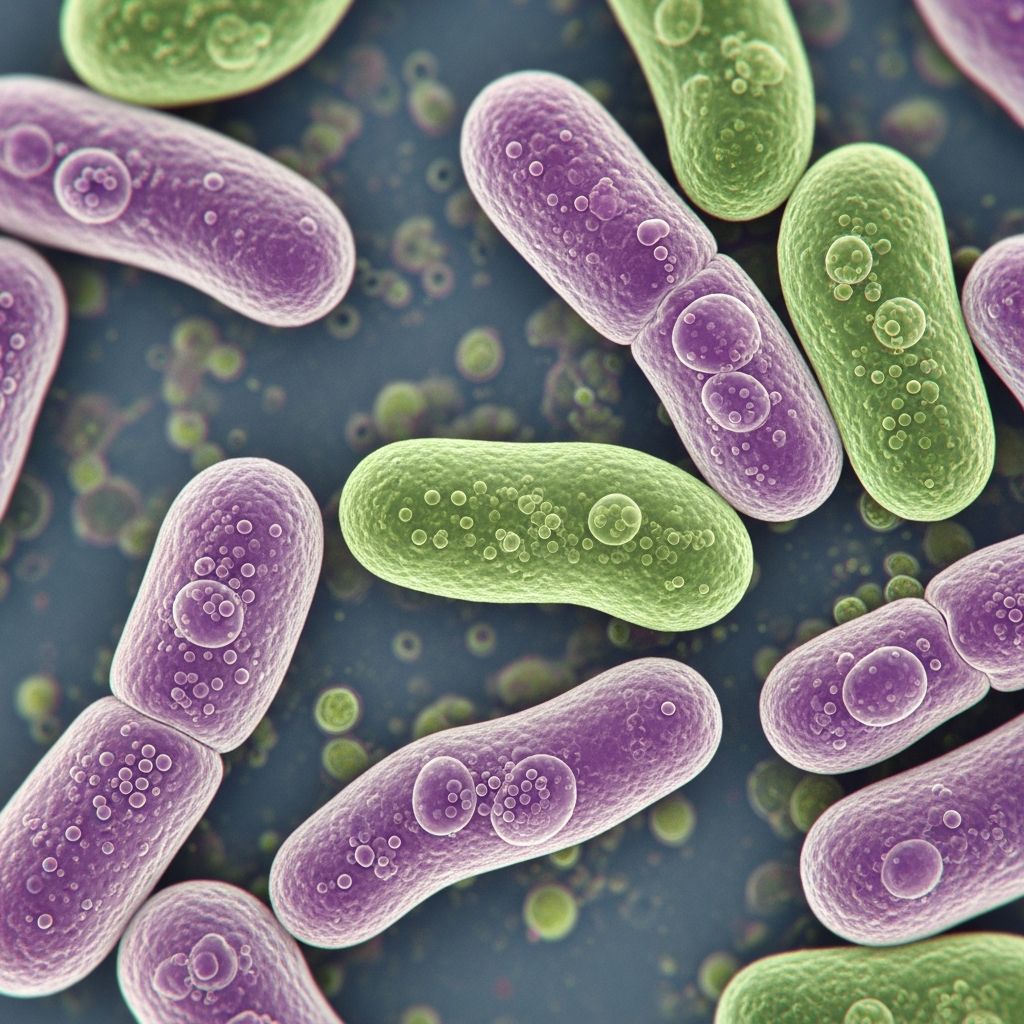
Mycobacteria are a genus of bacteria known for causing significant human diseases, particularly affecting the skin, lungs, and other organs. This article examines the dermatological aspects of infections caused by Mycobacterium tuberculosis, M. leprae, M. ulcerans, and various nontuberculous mycobacteria (NTM), focusing on their clinical presentations, transmission, diagnosis, and treatment.
What are mycobacteria?
Mycobacteria are acid-fast bacilli characterized by high lipid content in their cell walls, making them resistant to many disinfectants and antibiotics. They include obligatory pathogens like M. tuberculosis (causing tuberculosis) and M. leprae (leprosy), as well as environmental species causing NTM infections. These bacteria thrive in diverse environments, including water, soil, and dust, and can infect humans through inhalation, ingestion, or direct skin inoculation.
The genus encompasses over 200 species, with NTM being ubiquitous in natural and man-made water systems. While most infections are pulmonary, cutaneous involvement is common, especially in immunocompromised individuals or following trauma.
Who gets mycobacterial infections?
Mycobacterial infections affect people worldwide, with higher incidence in endemic areas. Tuberculosis and leprosy predominantly impact low-resource settings, while NTM infections are rising globally, particularly among the elderly, those with chronic lung diseases, or immunocompromised patients such as those with HIV/AIDS.
- Immunocompromised hosts: HIV patients, transplant recipients, and those on immunosuppressive therapy are at elevated risk for disseminated disease.
- Children: Susceptible to lymphadenitis from NTM.
- Environmental exposure: Fishermen, gardeners, or post-surgical patients for skin infections.
What causes mycobacterial skin infections?
Skin infections arise from three main mechanisms: direct inoculation, hematogenous spread from visceral foci, or lymphatic dissemination. Key pathogens include:
- M. tuberculosis: Primary tuberculosis or scrofuloderma.
- M. leprae: Person-to-person transmission via respiratory droplets or skin contact.
- M. ulcerans: Contaminated water exposure causing Buruli ulcer.
- NTM: Rapidly growing species like M. abscessus, M. chelonae, and M. fortuitum from trauma or surgery; slow-growers like M. marinum from aquariums.
Zoonotic transmission occurs with M. bovis from unpasteurized milk. Hospital-acquired infections link to contaminated water or devices.
Clinical features
Cutaneous mycobacterial infections present diversely, from nodules and ulcers to disseminated lesions. Recognition relies on morphology, history, and epidemiology.
Tuberculosis
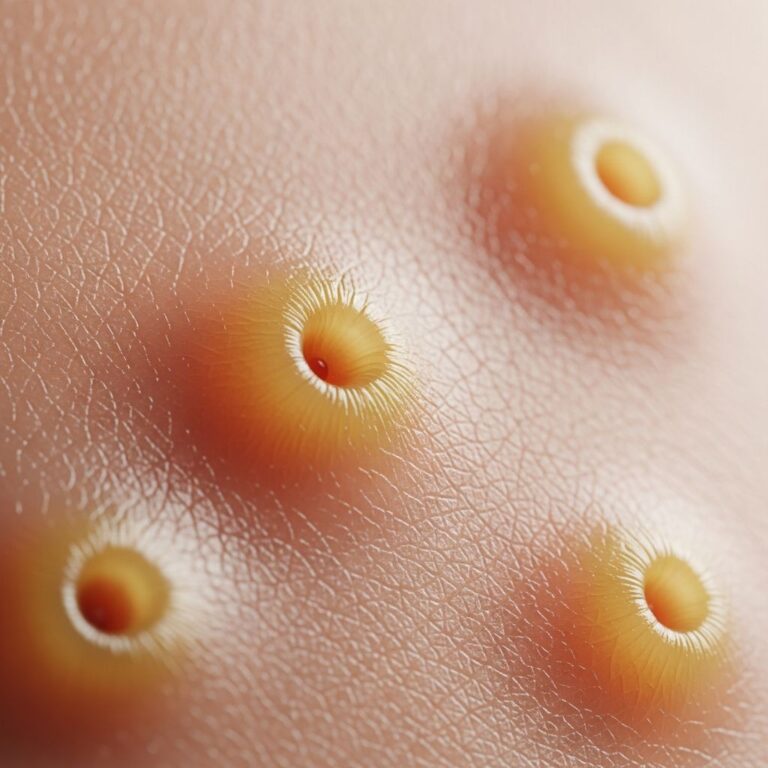
Cutaneous TB manifests as lupus vulgaris (apple-jelly nodules on face), scrofuloderma (suppurating lymph nodes), tuberculous chancre (painless ulcer), or miliary TB (disseminated papules in immunocompromised). Lesions evolve slowly, often with scarring.
Leprosy
M. leprae causes hypopigmented macules with sensory loss in tuberculoid form, or widespread nodules in lepromatous leprosy. Nerve thickening is characteristic.
Buruli ulcer
M. ulcerans produces painless subcutaneous nodules progressing to large, undermined ulcers with necrotic base, primarily on limbs. Mycolactone toxin drives tissue destruction.
Related Stories



Nontuberculous mycobacteria (NTM)
- M. marinum: Sporotrichoid nodules along lymphatics after fish tank exposure (swimming pool granuloma).
- Rapid growers (M. abscessus complex, M. chelonae, M. fortuitum): Abscesses, cellulitis post-trauma or surgery.
- M. avium complex: Bacillary angiomatosis-like lesions in AIDS.
- Others: Lymphadenitis in children (M. avium), ulcers from M. ulcerans mimics.
Symptoms include chronic nonhealing ulcers, draining sinuses, verrucous plaques, or cellulitis. Incubation varies from weeks (rapid growers) to months.
Disseminated infections
In immunocompromised, multiple organ involvement with skin lesions like nodules or abscesses occurs, often from pulmonary spread.
Diagnosis
Diagnosis combines clinical suspicion, histopathology, microbiology, and molecular tests.
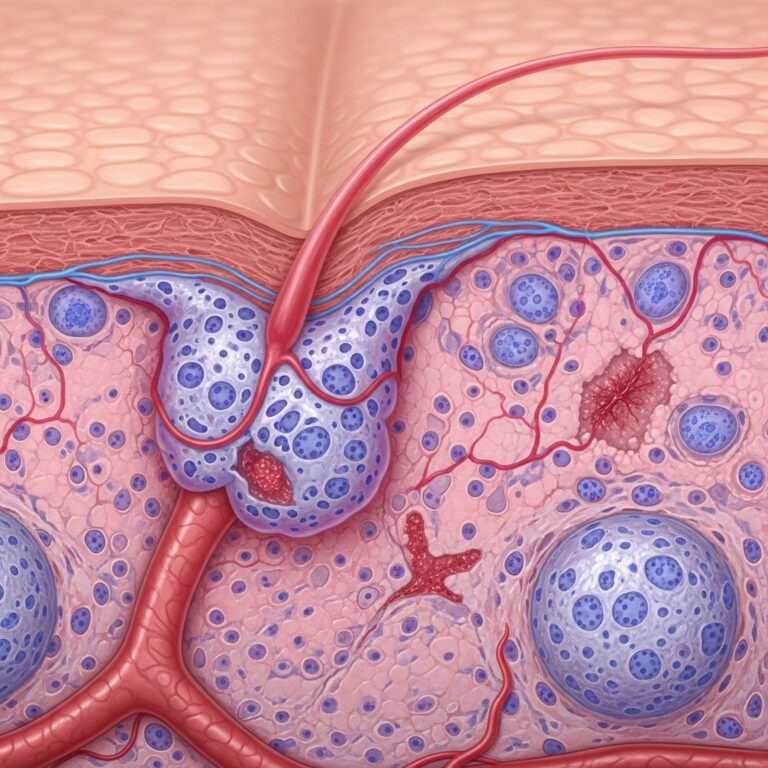
- Biopsy: Grenz zone, granulomas (tuberculoid or suppurative), acid-fast bacilli on Fite stain.
- Culture: Gold standard; slow (weeks) for MTB/leprae, faster for NTM. Use Lowenstein-Jensen or MGIT systems.
- Molecular: PCR for MTB (GeneXpert), MALDI-TOF for NTM identification.
- Imaging: Ultrasound for abscesses, radiology for TB.
| Pathogen | Key Histology | Culture Time |
|---|---|---|
| MTB | Caseating granulomas | 3-8 weeks |
| M. leprae | Non-caseating granulomas, foamy macrophages | Non-culturable |
| NTM rapid growers | Suppurative granulomas | 3-14 days |
| M. marinum | Granulomatous with necrosis | 2-4 weeks |
Treatment
Treatment is pathogen-specific, often prolonged due to resistance and slow growth. Multidrug regimens are standard.
- TB: RIPE (Rifampin, Isoniazid, Pyrazinamide, Ethambutol) for 6 months; cutaneous may be shorter.
- Leprosy: WHO multidrug therapy: Dapsone, Rifampin, Clofazimine (6-12 months).
- Buruli ulcer: Rifampin + Clarithromycin for 8 weeks; surgery for necrosis.
- NTM: Tailored by species. Rapid growers: Amikacin + Tigecycline or Imipenem; M. marinum: Clarithromycin + Ethambutol.
Monitor for resistance; drug susceptibility testing essential, especially with 70%+ resistance rates in some MTB/NTM. Surgical debridement aids abscesses.
Complications
Untreated, complications include scarring, contractures, squamous cell carcinoma in chronic ulcers (Marjolin ulcer), nerve damage in leprosy, and dissemination in immunocompromised. Antibiotic resistance exacerbates outcomes.
Prevention
- Vaccination: BCG for TB (limited skin protection).
- Avoid exposure: Protective gear in endemic areas, pasteurize milk.
- Hospital hygiene: Filtered water, proper sterilization.
Frequently Asked Questions (FAQs)
What are the most common skin manifestations of mycobacterial infections?
Common features include nodules, ulcers, abscesses, and sporotrichoid patterns, varying by species.
Can mycobacterial skin infections spread person-to-person?
Primarily TB and leprosy; NTM are environmental, not contagious.
How long does treatment take for NTM skin infections?
Typically 3-6 months, guided by culture and response.
Are mycobacterial infections curable?
Yes, with appropriate antibiotics, though resistance can complicate therapy.
Who is at highest risk for cutaneous NTM?
Immunosuppressed patients, post-surgical individuals, and those with water exposure.
References
- Mycobacterial Infections — MedlinePlus, U.S. National Library of Medicine. 2023. https://medlineplus.gov/mycobacterialinfections.html
- Overview of Cutaneous Mycobacterial Infections — PMC – NIH. 2021-06-25. https://pmc.ncbi.nlm.nih.gov/articles/PMC8218986/
- Mycobacteria: Health Advisory — EPA. 2015-10. https://www.epa.gov/sites/default/files/2015-10/documents/mycobacteria-report.pdf
- Evaluation of mycobacteria infection prevalence and optimization — ASM Journals. 2023. https://journals.asm.org/doi/10.1128/spectrum.03179-23
- About Nontuberculous Mycobacteria (NTM) Infections — CDC. 2024. https://www.cdc.gov/nontuberculous-mycobacteria/about/index.html
- Nontuberculous Mycobacteria (NTM) Infection — Cleveland Clinic. 2023. https://my.clevelandclinic.org/health/diseases/21200-nontuberculous-mycobacteria-infections
Similar Articles








Read full bio of medha deb