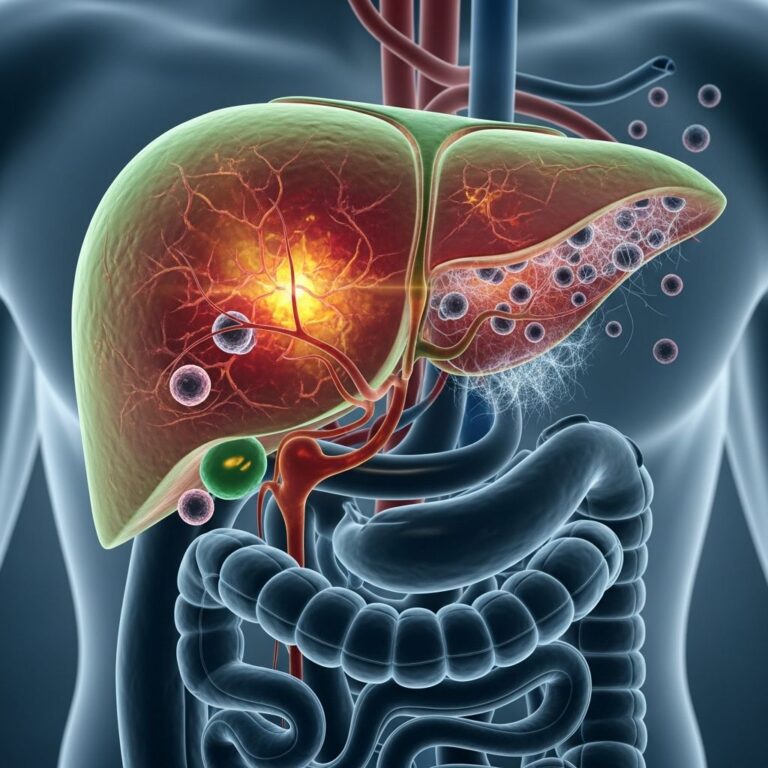
Mycosis Fungoides: Symptoms and Treatment
Understanding mycosis fungoides: A comprehensive guide to skin lymphoma symptoms, diagnosis, and treatment options.
What is Mycosis Fungoides?
Mycosis fungoides is a rare type of skin lymphoma, also known as a cutaneous T-cell lymphoma. It is the most common form of cutaneous T-cell lymphoma and develops when malignant T cells (a type of white blood cell) accumulate in the skin. This disease typically progresses slowly over many years, making it a chronic condition that requires ongoing management and monitoring. Unlike many other cancers, mycosis fungoides affects primarily the skin rather than spreading rapidly throughout the body.
The condition gets its unusual name from the mushroom-like tumors (called mycosis) that can form on the skin in advanced stages of the disease, resembling fungal growths. However, despite its name, mycosis fungoides is not a fungal infection and cannot be treated with antifungal medications. Understanding the nature of this disease is crucial for patients and their families to make informed decisions about treatment and management.
Symptoms and Signs of Mycosis Fungoides
The symptoms of mycosis fungoides vary depending on the stage of the disease and can range from mild to severe. Early recognition of symptoms is important for timely diagnosis and treatment.
Early Stage Symptoms
The most common initial symptom of mycosis fungoides is generalized itching (pruritus), often accompanying visible skin changes. Patients may experience persistent itching that can significantly impact sleep quality and daily activities. The condition typically begins with the appearance of irregularly shaped, dry patches on the skin, particularly in areas not usually exposed to the sun. These patches are often thin, reddened, and may resemble common skin conditions such as eczema or psoriasis, which can make initial diagnosis challenging.
Progressive Symptoms
As the disease progresses, symptoms may include:
– Flat, red, scaly patches on the skin that gradually enlarge over time
– Thicker, raised lesions called plaques that develop from existing patches
– Pain or discomfort in affected areas of the skin
– Sleep disturbances due to intense itching
– Skin thickening and potential necrosis (tissue death) of lower skin layers in advanced stages
Advanced Stage Symptoms
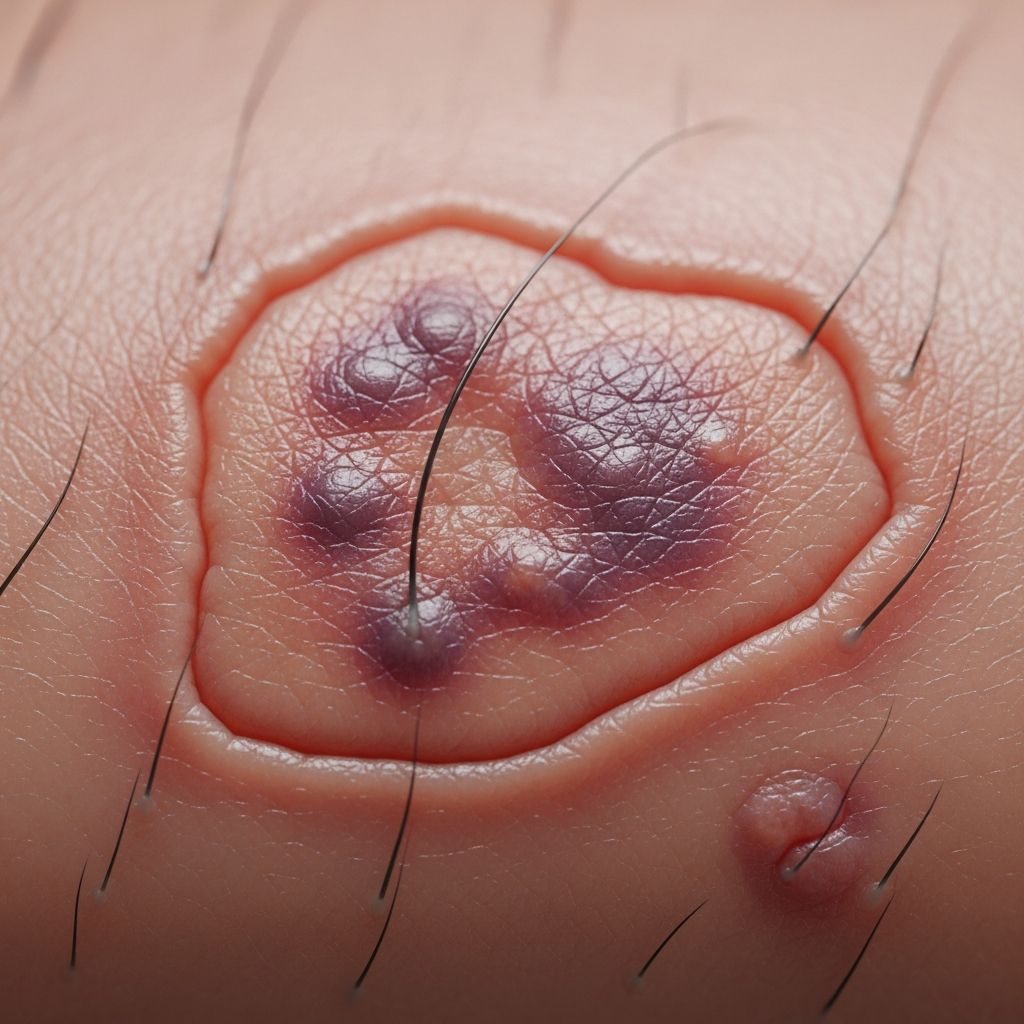
In later stages, patients may experience mushroom-like tumors that are rounded and blue or red-brown in color. The disease can also affect the lymph nodes, causing inflammation and enlargement. Some patients may develop systemic symptoms including general feeling of illness, weakness, fever, weight loss, and anemia. Gastrointestinal ulcers and enlarged liver and spleen may also occur in advanced stages.
Stages of Mycosis Fungoides
Mycosis fungoides is classified into distinct stages based on the extent of skin involvement, lymph node involvement, and systemic spread:
Stage 1 (IA-IB)
Stage 1 represents early-stage disease limited to the skin, characterized by patches covering less than 10% of the body surface area (Stage IA) or more than 10% (Stage IB). At this stage, the condition is most treatable, and in many cases, early diagnosis can lead to better outcomes.
Stage 2 (IIA-IIB)
Stage 2 involves more extensive skin involvement with patch and plaque formation covering larger areas. The patches may gradually enlarge and join together, and lymph nodes may become inflamed but are not yet involved by cancer cells.
Related Stories



Stage 3
This is the tumor or fungoid stage where mushroom-like tumors appear on the skin. The skin thickens considerably, and lower layers may become necrotic. This stage represents significant disease progression requiring more aggressive treatment approaches.
Stage 4
Stage 4 represents advanced disease where cancer spreads throughout the body, causing systemic symptoms such as weakness, fever, weight loss, and anemia. At this stage, treatment focuses primarily on improving quality of life and managing symptoms rather than attempting a cure.
Diagnosis of Mycosis Fungoides
Diagnosing mycosis fungoides can be challenging, particularly in early stages, because the skin lesions often resemble common benign conditions. A comprehensive diagnostic approach typically includes:
Clinical Examination
The diagnosis begins with a thorough clinical evaluation by a dermatologist, who will examine the affected skin areas and take a detailed medical history. The location, appearance, and distribution of lesions provide important diagnostic clues.
Skin Biopsy
A skin biopsy is essential for confirming mycosis fungoides. During this procedure, a small sample of affected skin is removed and examined under a microscope to identify abnormal T cells. Multiple biopsies may be necessary as the disease may not show characteristic features in early stages.
Additional Testing
Additional diagnostic tests may include lymph node biopsy, blood tests to check for Sézary cells (malignant T cells in the bloodstream), and imaging studies such as CT scans to assess disease extent and staging.
Treatment Options for Mycosis Fungoides
Treatment for mycosis fungoides is highly individualized and depends on the stage of disease, extent of skin involvement, and patient preference. While mycosis fungoides is rarely cured, many patients can achieve long remission periods with appropriate treatment.
Skin-Directed Therapies
Most patients with early-stage mycosis fungoides require only skin-directed therapy, which treats only the affected skin rather than the entire body. These treatments include:
Topical Corticosteroids: Steroid creams and ointments are often the first-line treatment for early-stage disease. These can effectively control itching and improve skin appearance. Proper application technique is important for maximum efficacy.
Topical Chemotherapy: Chlormethine (nitrogen mustard) gel is a chemotherapy medication applied directly to the skin. In 2018, the FDA approved mechlorethamine gel for topical treatment of Stage IA-IB mycosis fungoides-type cutaneous T-cell lymphoma, applied once daily to affected areas.
Phototherapy (Light Therapy): This treatment uses ultraviolet light rays to heal the skin. PUVA (psoralen and ultraviolet A) therapy involves taking a photosensitizing medication before light exposure to make T cells more sensitive to treatment. UVB (ultraviolet B) therapy and narrowband UVB are also effective options, particularly used during winter months.
Topical Retinoids: Bexarotene, a vitamin A derivative, can be applied topically or taken orally to inhibit cancer cell growth and control the condition.
Procedural Treatments
Radiation Therapy: Electron beam radiation, particularly total skin electron beam therapy (TSEBT), works effectively against mycosis fungoides. This therapy uses electrically charged particles to target and kill cancer cells while affecting only the upper skin layers, leaving deeper tissues and organs safe. Localized radiation can also be used as palliative therapy to reduce tumor size and relieve symptoms.
Extracorporeal Photopheresis (ECP): This treatment removes blood, treats it with a photosensitizing drug and light, and returns it to the body. It can be used alone or combined with total skin electron beam radiation therapy.
Systemic Treatments
For advanced disease or when skin-directed therapies are insufficient, systemic treatments that affect the entire body may be used:
Oral Retinoids: Systemic retinoid therapy helps inhibit tumor growth and control disease progression. These vitamin A derivatives can be effective when topical treatments fail.
Interferon Alpha: This treatment encourages the body’s immune system to fight cancer cells and may be used alone or combined with other therapies.
Methotrexate: Taken as tablets once weekly, methotrexate controls mycosis fungoides by slowing down the production of new cells.
Chemotherapy: While mycosis fungoides tends not to respond strongly to chemotherapy, doctors may use it in combination with other therapies or as part of palliative care in advanced stages.
Antibody Therapy: Targeted antibody treatments such as mogamulizumab and brentuximab vedotin act against mycosis fungoides cells. In 2018, Poteligeo (mogamulizumab-kpkc) injection was approved by the FDA for treating adult patients with relapsed or refractory mycosis fungoides after at least one prior systemic therapy.
Immunotherapy and Checkpoint Inhibitors: Newer immunotherapy approaches harness the person’s own immune system to fight cancer, with immune checkpoint inhibitor therapy still undergoing clinical trials.
HDAC Inhibitors: Histone deacetylase (HDAC) inhibitors represent another class of systemic therapy used when skin-directed therapies fail.[10]
Stem Cell Transplant: For advanced or difficult-to-control mycosis fungoides, allogeneic stem cell transplant involves transplanting healthy stem cells from a donor to replace cancerous T cells. This more aggressive approach is recommended for carefully selected patients.
Prognosis and Outlook
The outlook for patients with mycosis fungoides varies significantly depending on the stage at diagnosis and response to treatment. When diagnosed in its earliest stages, mycosis fungoides may be curable. However, the disease is generally hard to cure, particularly in advanced stages, and treatment is usually palliative, focused on relieving symptoms and improving quality of life. Some patients maintain remission for extended periods with appropriate management and follow-up care. Regular monitoring and open communication with your healthcare team are essential for optimizing outcomes.
Frequently Asked Questions
Q: Is mycosis fungoides contagious?
A: No, mycosis fungoides is not contagious. It is a cancer of the skin caused by malignant T cells and cannot be transmitted to other people.
Q: Can mycosis fungoides be cured?
A: Mycosis fungoides is rarely cured unless diagnosed in its earliest stage. However, treatments can help manage symptoms, control the disease, and improve quality of life. Many patients achieve long periods of remission with appropriate therapy.
Q: How is mycosis fungoides different from psoriasis or eczema?
A: While mycosis fungoides can resemble psoriasis or eczema initially, it is a cancer of T cells rather than an inflammatory skin condition. A skin biopsy is necessary to distinguish between these conditions and confirm the diagnosis.
Q: What is Sézary syndrome?
A: Sézary syndrome is a related condition where cancerous T-cell lymphocytes affect the skin and large numbers of abnormal cells (Sézary cells) are found in the blood. It is more advanced than typical mycosis fungoides and generally has a poorer prognosis.
Q: How often should I have follow-up appointments if diagnosed with mycosis fungoides?
A: Follow-up frequency depends on your disease stage and treatment plan. Early-stage patients may have appointments every few months, while those in remission may need less frequent visits. Your healthcare team will establish an appropriate monitoring schedule.
Q: Are there clinical trials available for mycosis fungoides?
A: Yes, there are ongoing clinical trials exploring new treatment approaches. Your dermatologist or oncologist can help you explore whether you may be eligible for any available trials that might benefit your specific situation.
References
- Mycosis Fungoides – Symptoms, Causes, Treatment — National Organization for Rare Disorders (NORD). Accessed December 2025. https://rarediseases.org/rare-diseases/mycosis-fungoides/
- Mycosis Fungoides – BAD Patient Hub — British Association of Dermatologists. Accessed December 2025. https://www.skinhealthinfo.org.uk/condition/mycosis-fungoides/
- Mycosis Fungoides: Symptoms, Diagnosis, Treatment — WebMD. Accessed December 2025. https://www.webmd.com/cancer/mycosis-fungoides
- Mycosis Fungoides: Pictures and Symptoms by Stage — Medical News Today. Accessed December 2025. https://www.medicalnewstoday.com/articles/mycosis-fungoides
- Mycosis Fungoides (Including Sézary Syndrome) Treatment — National Cancer Institute (NCI). Accessed December 2025. https://www.cancer.gov/types/lymphoma/patient/mycosis-fungoides-treatment-pdq
- Mycosis Fungoides – StatPearls — National Center for Biotechnology Information (NCBI). Accessed December 2025. https://www.ncbi.nlm.nih.gov/books/NBK519572/
- How I Treat Mycosis Fungoides and Sézary Syndrome — Blood Journal. 2016. https://ashpublications.org/blood/article/127/25/3142/35196/How-I-treat-mycosis-fungoides-and-Sezary-syndrome
Similar Articles








Read full bio of medha deb