Myelogram: Purpose, Procedure, and Recovery
Complete guide to myelography imaging: diagnostic benefits, procedure steps, and what to expect.
What is a Myelogram?
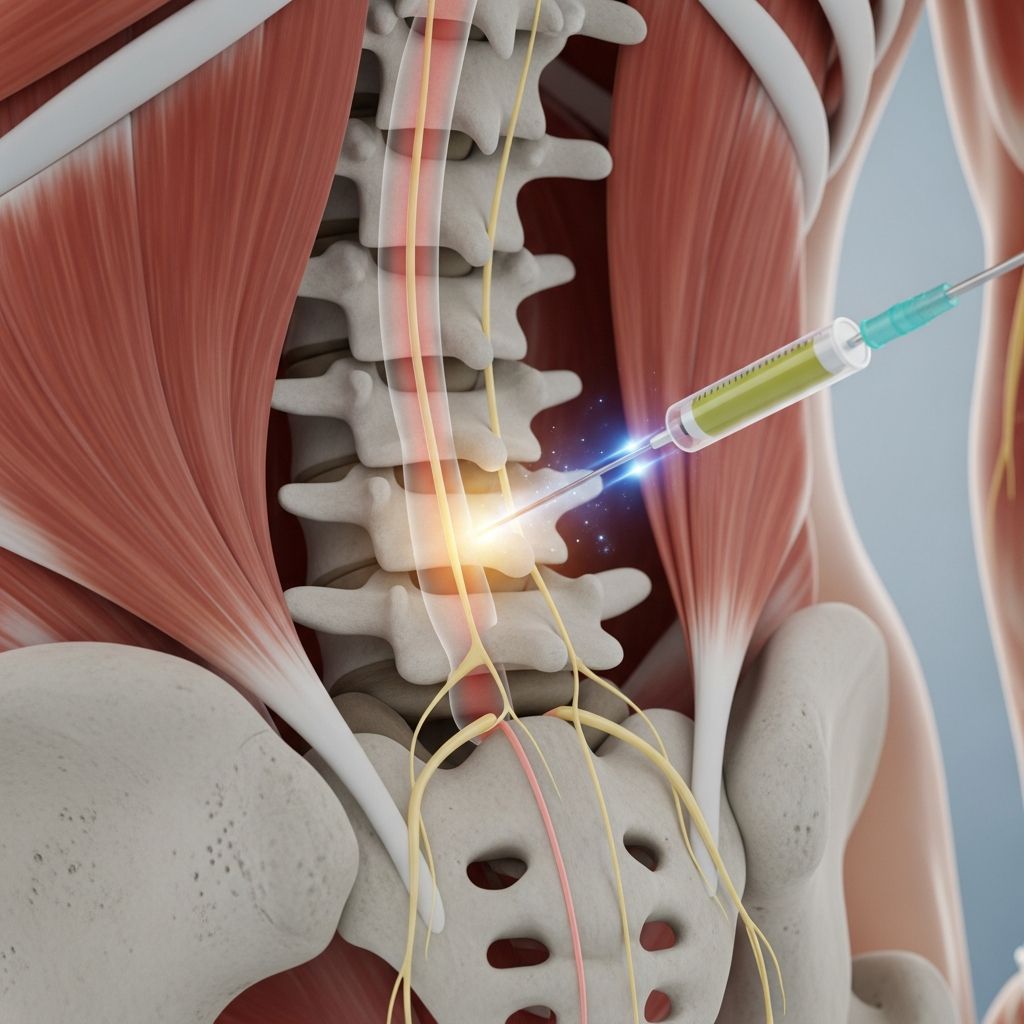
A myelogram, also known as myelography, is a specialized imaging procedure used to examine the spinal canal and the structures within it. This diagnostic test combines X-ray fluoroscopy or computed tomography (CT) scanning with a contrast material injected into the spinal canal to create detailed images of the spinal cord, nerve roots, and the protective membranes surrounding them called the meninges. The contrast dye acts as a tracer, making these structures clearly visible on imaging, which allows healthcare providers to identify abnormalities that might not be apparent on standard X-rays or other imaging studies.
Myelography is particularly valuable when patients cannot undergo magnetic resonance imaging (MRI) due to contraindications such as metal implants, or when an MRI has not provided sufficient diagnostic information. This procedure has been an important tool in neuroradiology for decades and continues to be relevant in modern clinical practice, especially for evaluating complex spinal conditions.
Why Your Doctor May Recommend a Myelogram
Healthcare providers may recommend a myelogram for various clinical reasons when other imaging studies have been inconclusive or when specific conditions need to be visualized in detail. Your doctor might suggest this test if you experience chronic back pain that cannot be explained by conventional imaging, or if you have symptoms suggesting nerve or spinal cord compression.
Common reasons for recommending a myelogram include:
- Herniated or bulging discs pressing on nerves or the spinal cord
- Spinal stenosis, a narrowing of the spinal canal that may compress neural structures
- Arachnoiditis or other inflammatory conditions affecting the spinal membranes
- Suspected spinal cord injuries or damage
- Post-surgical evaluation to assess healing or identify complications
- Nerve root compression or other structural abnormalities
- Suspected tethered spinal cord or syrinx formation
- Assessment of bone spurs or degenerative changes affecting the spine
Additionally, if you have developed new pain, weakness, or other concerning symptoms following spinal surgery, your healthcare provider may order a myelogram to determine whether surgical complications have occurred or if additional intervention is needed.
Preparation for Your Myelogram
Proper preparation is essential for a successful myelogram procedure. Your healthcare team will provide specific instructions tailored to your individual situation, but general preparation guidelines typically include the following:
Before Your Test
- Inform your doctor about all medications you are taking, including blood thinners, diabetes medications, and any supplements
- Let your healthcare provider know if you have allergies, particularly to iodine or contrast materials
- Arrange for someone to drive you home, as you will not be permitted to drive immediately after the procedure
- Wear comfortable, loose-fitting clothing that is easy to remove
- Remove all jewelry, metal objects, and hearing aids before the procedure
- Follow fasting guidelines if instructed by your healthcare team
- Discuss any anxiety or concerns about the procedure with your doctor
Your healthcare provider may ask you to temporarily stop taking certain medications before the test, particularly blood thinners or medications affecting nerve function. It is crucial to follow these instructions carefully to minimize complications and ensure the most accurate results.
What Happens During the Myelogram Procedure
Understanding the procedure steps can help reduce anxiety and ensure you are mentally prepared for what to expect. The myelogram typically takes about 30 to 60 minutes, though this may vary depending on the specific areas being examined and whether additional imaging is needed.
Step-by-Step Procedure
Positioning and Preparation: You will be positioned face-down on a padded examination table in the radiology department. The radiologist and technologist will be present throughout the procedure to monitor your comfort and safety. Your back will be cleaned with an antiseptic solution to eliminate surface bacteria and reduce infection risk.
Related Stories



Local Anesthesia: The radiologist will inject numbing medicine into the skin and tissue at the puncture site. This local anesthetic ensures you will not experience pain during the needle insertion, though you may feel pressure or mild discomfort. Allow a few moments for the anesthetic to take effect before proceeding.
Needle Insertion: Using fluoroscopic guidance to ensure precision, the radiologist will insert a thin needle through the skin and into the spinal canal, specifically into the subarachnoid space where cerebrospinal fluid circulates. You may feel pressure during this step, but it should not be painful due to the local anesthetic. The radiologist will verify correct needle placement by observing cerebrospinal fluid flow.
Fluid Sampling (Optional): If your doctor has requested analysis of your cerebrospinal fluid to check for infection or other abnormalities, a small sample will be withdrawn at this time. You must remain very still during this collection to prevent specimen contamination.
Contrast Injection: The radiologist will inject contrast material through the needle into the spinal canal. You may experience sensations such as warmth, flushing, nausea, or a metallic taste in your mouth. These sensations are temporary and normal. Once the contrast has been injected, the needle will be removed and the puncture site cleaned.
Imaging: The examination table will be tilted in various directions to allow the contrast material to flow through different regions of the spinal canal. This movement enables the radiologist to visualize all areas of interest. You will need to remain still during image capture to prevent blurring. The radiologist will use fluoroscopy to monitor contrast movement and capture images of the areas correlating with your symptoms.
CT Myelography
Many facilities perform a computed tomography (CT) scan immediately following the fluoroscopic portion of the myelogram while contrast material remains in the spinal canal. This combined approach, known as CT myelography, provides additional detailed cross-sectional images and often improves diagnostic accuracy. The CT scan portion typically adds 15 to 30 minutes to the total examination time.
What to Expect After Your Myelogram
The period following your myelogram is important for monitoring your recovery and managing any side effects that may occur. Most patients experience minimal complications, but it is essential to follow post-procedure instructions carefully.
Immediate Post-Procedure
After the imaging is complete, you will be monitored in the recovery area for approximately one to two hours. During this time, the medical staff will check your vital signs, observe you for any adverse reactions, and ensure you are stable before discharge. You may experience some discomfort at the injection site, mild headache, or slight nausea during this recovery period.
At-Home Recovery
Your healthcare provider will give you written post-procedure instructions to follow at home. These typically include:
- Rest for the remainder of the day after your procedure
- Drink plenty of fluids to help flush the contrast material from your system
- Avoid strenuous activities and heavy lifting for at least 24 hours
- Keep the puncture site clean and dry
- Take over-the-counter pain relievers if recommended by your doctor for mild discomfort
- Avoid driving and operating machinery until the next day or as instructed
- Contact your healthcare provider if you experience severe headache, fever, or signs of infection
Side Effects and Risks
While myelography is generally a safe procedure, as with any invasive medical test, there are potential risks and side effects to consider. Understanding these can help you recognize when to seek medical attention.
Common Side Effects
Approximately 10 percent of patients experience side effects after a myelogram, though most are mild and resolve within one to two days. These common side effects include:
- Mild to moderate headache
- Temporary nausea or vomiting
- Back pain or discomfort at the injection site
- Mild fever
- Fatigue or dizziness
- Stiff neck
- Temporary leg weakness or tingling
Serious Complications
Though rare, serious complications can occur and require immediate medical attention. These include severe allergic reactions to the contrast material, infection at the puncture site or meningitis, spinal cord injury, severe headache lasting more than a few days, vision changes, or loss of bladder or bowel control. If you experience any of these symptoms after your myelogram, contact your healthcare provider immediately or seek emergency care.
Who Should Avoid Myelography
Certain patients may not be suitable candidates for myelography. These include patients with untreated infections in the area where the needle would be inserted, those with severe bleeding disorders, patients who are allergic to iodine or contrast materials, and pregnant women, as the radiation exposure poses risks to the fetus.
Understanding Your Results
Your radiologist will analyze the images obtained during your myelogram and prepare a detailed report that will be sent to your primary care physician. This report will describe any abnormalities found and may include recommendations for treatment or additional testing.
Results may show conditions such as herniated discs, spinal stenosis, nerve compression, arachnoiditis, tumors, or other structural abnormalities. Your doctor will discuss these findings with you and explain what they mean for your health and treatment options. The contrast material will gradually be absorbed and eliminated from your body over the following hours to days, so you may notice slight discoloration in your urine.
Myelogram vs. Other Imaging Tests
| Imaging Test | Method | Advantages | Disadvantages |
|---|---|---|---|
| Myelography | Contrast dye with fluoroscopy or CT | Excellent visualization of nerve roots and spinal cord; useful when MRI contraindicated | Invasive; requires contrast injection; radiation exposure |
| MRI | Magnetic resonance imaging | Non-invasive; no radiation; excellent soft tissue detail | Cannot be used with certain metal implants; more expensive |
| CT Scan | Computed tomography | Fast; good bone detail; can use with most implants | Less soft tissue detail than MRI; radiation exposure |
| X-Ray | Standard radiography | Quick; inexpensive; minimal radiation | Limited detail of soft tissues; poor visualization of nerves |
Frequently Asked Questions
Q: Is a myelogram painful?
A: No, myelography should not be painful. Local anesthetic numbs the area before needle insertion. You may feel pressure during the procedure, but this is not the same as pain. If you experience pain during the procedure, inform the radiologist immediately.
Q: How long does it take to get results from a myelogram?
A: Your radiologist may not receive the complete results for a few days as detailed analysis and report writing take time. Your primary care doctor will contact you with results and discuss findings and next steps.
Q: Can I eat before a myelogram?
A: This depends on your specific situation and the facility performing the procedure. Your healthcare provider will give you specific fasting instructions before your appointment. Generally, you may be asked to fast for a few hours before the procedure.
Q: What should I do if I develop a severe headache after my myelogram?
A: Mild headaches are common and normal after myelography. However, severe headaches warrant medical attention. Contact your healthcare provider or seek emergency care if your headache is severe, persistent, or accompanied by fever or stiff neck.
Q: Can I return to work the day after my myelogram?
A: Most patients can return to light work activities the day after a myelogram, but you should avoid strenuous activities for at least 24 hours. Follow your doctor’s specific recommendations based on your occupation and overall health.
Q: Is myelography still used if MRI is available?
A: Yes, myelography remains valuable for patients who cannot undergo MRI due to metal implants, severe claustrophobia, or other contraindications. It also provides complementary information in some cases where MRI findings are inconclusive.
References
- Myelography — MedlinePlus (National Library of Medicine). 2024. https://medlineplus.gov/lab-tests/myelography/
- Myelography (Myelogram) — Radiology Info (American College of Radiology). 2024. https://www.radiologyinfo.org/en/info/myelography
- Myelogram: What It Is, Procedure, Results & Side Effects — Cleveland Clinic. 2024. https://my.clevelandclinic.org/health/diagnostics/4892-myelogram
- Are C1–2 Punctures for Routine Cervical Myelography below the Standard of Care? — Journal of Neurointerventional Surgery, National Institutes of Health. 2020. https://pmc.ncbi.nlm.nih.gov/articles/PMC7051542/
- Johns Hopkins Medicine: Diagnostic Imaging Procedures — Johns Hopkins School of Medicine. 2024. https://www.hopkinsmedicine.org/health/treatment-tests-and-therapies/myelogram
Similar Articles








Read full bio of Sneha Tete