Myelogram: Procedure, Uses, and Side Effects
Learn about myelogram: a diagnostic imaging test for spinal issues, including procedure details, risks, and recovery.
What Is a Myelogram?
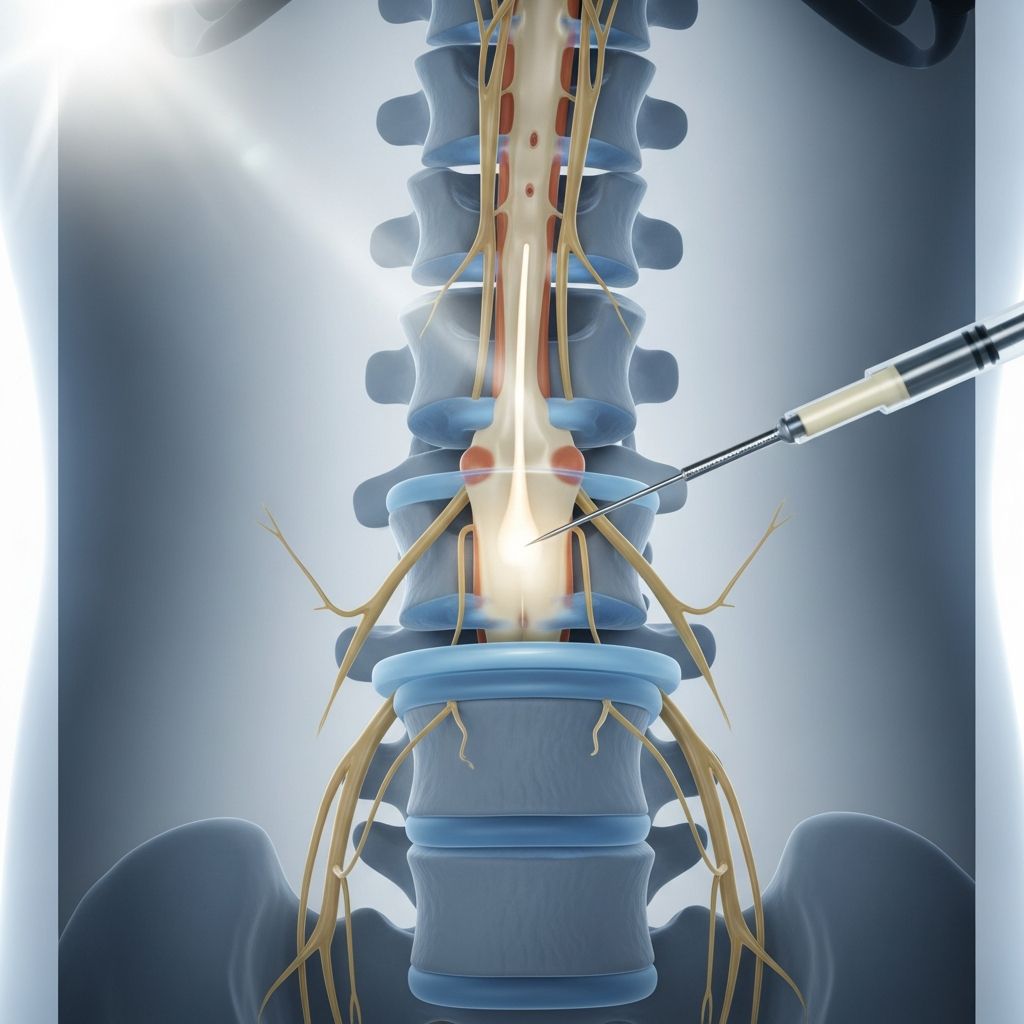
A myelogram is an advanced imaging test that uses a contrast material and X-rays or computed tomography (CT) scans to produce detailed pictures of the spine. This procedure is especially useful for evaluating the spinal canal, spinal cord, and nerves. Unlike a regular spine X-ray, which only shows bones, a myelogram highlights soft tissues, nerves, and other structures that may be pressing on the spinal cord or nerves.
Why Is a Myelogram Performed?
Healthcare providers may recommend a myelogram if you have chronic back pain or other symptoms that suggest spinal problems. It is often used when other imaging tests, such as a CT scan or MRI, do not provide enough information. A myelogram can help diagnose conditions such as:
- Spinal stenosis (narrowing of the spinal canal)
- Herniated discs
- Spinal tumors
- Arachnoiditis (inflammation of the spinal cord lining)
- Spinal cord compression (myelopathy)
- Post-surgical complications
How Does a Myelogram Work?
A myelogram involves injecting a contrast dye into the spinal canal. The dye flows around the spinal cord and nerves, making them visible on X-rays or CT scans. This allows radiologists to see issues that are not visible with standard imaging techniques. The procedure is a type of fluoroscopy, which means the radiologist can watch the dye move through the spinal column in real time.
Who Needs a Myelogram?
A myelogram may be recommended for patients who:
- Have persistent back pain that does not improve with treatment
- Have symptoms of nerve compression, such as numbness, weakness, or tingling in the arms or legs
- Have had spinal surgery and are experiencing new or worsening symptoms
- Cannot undergo an MRI due to medical devices (e.g., pacemakers) or other contraindications
Preparing for a Myelogram
Before your myelogram, your healthcare provider will give you specific instructions. General guidelines include:
- Inform your provider about any allergies, especially to contrast dye or iodine
- Discuss any medications you are taking, particularly blood thinners
- Let your provider know if you have diabetes, dehydration, or chronic kidney disease
- You may be asked to fast for several hours before the procedure
- Arrange for someone to drive you home after the test
What Happens During a Myelogram?
The myelogram procedure typically takes about an hour and is performed in a radiology department. Here’s what to expect:
- You will lie on your side or on your stomach on an X-ray table.
- The area of your back where the needle will be inserted is cleaned with an antiseptic solution.
- A local anesthetic is injected to numb the area.
- A thin needle is inserted into your spinal canal, and a small amount of cerebrospinal fluid (CSF) may be withdrawn for testing.
- Contrast dye is injected through the needle into the spinal canal.
- You may feel pressure or a warm, flushed sensation as the dye is injected.
- The X-ray table is tilted to allow the dye to move to different areas of your spine.
- Images are taken using fluoroscopy or a CT scan.
- The needle is removed, and the puncture site is cleaned.
Related Stories



After the Myelogram
After the procedure, you will be monitored for about one hour to ensure you are stable. You may experience some side effects, such as:
- Headache
- Nausea
- Dizziness
- Back pain at the injection site
Most side effects resolve within a day or two. Your provider will give you written instructions for recovery, including:
- Rest for the remainder of the day
- Drink plenty of fluids
- Avoid strenuous activities for 24 hours
- Report any severe symptoms, such as persistent headache, fever, or neurological changes
Risks and Complications
While myelograms are generally safe, there are some risks and potential complications:
- Headache (up to 10% of patients)
- Infection at the injection site
- Bleeding
- Allergic reaction to the contrast dye
- Seizures (rare)
- Cerebrospinal fluid (CSF) leak
The overall complication rate is low, with studies showing a rate of about 0.1% to 0.8% for serious complications such as CSF leaks requiring treatment.
Myelogram vs. Other Imaging Tests
A myelogram is often compared to other spinal imaging tests, such as MRI and CT scans. Here’s how they differ:
| Test | What It Shows | Advantages | Limitations |
|---|---|---|---|
| Myelogram | Spinal cord, nerves, and surrounding tissues | Detailed view of soft tissues; useful when MRI is not possible | Invasive; requires contrast dye; risk of complications |
| MRI | Soft tissues, spinal cord, nerves | Non-invasive; no radiation; excellent soft tissue detail | Not suitable for patients with certain implants; expensive |
| CT Scan | Bones, some soft tissues | Fast; good for bone detail | Limited soft tissue detail; uses radiation |
FAQs About Myelograms
Is a myelogram painful?
The procedure involves a needle insertion, but a local anesthetic is used to numb the area. Most patients feel pressure or a warm sensation, but not sharp pain.
How long does a myelogram take?
The procedure usually takes about an hour, with additional time for preparation and recovery.
Can I drive after a myelogram?
No, you should arrange for someone to drive you home, as you may feel drowsy or have side effects.
When will I get my results?
Your provider may not receive the results for a few days. The radiologist will send a detailed report to your primary care physician.
Are there alternatives to a myelogram?
Yes, MRI and CT scans are alternatives, but a myelogram may be necessary if these tests do not provide enough information or if you cannot have an MRI.
Conclusion
A myelogram is a valuable diagnostic tool for evaluating spinal problems when other imaging tests are inconclusive. While it is an invasive procedure with some risks, it provides detailed images of the spinal cord, nerves, and surrounding tissues. If your healthcare provider recommends a myelogram, understanding the procedure, risks, and recovery can help you feel more prepared and informed.
References
- Myelography: MedlinePlus Medical Test — U.S. National Library of Medicine. 2023-11-01. https://medlineplus.gov/lab-tests/myelography/
- Myelogram: What It Is, Procedure, Results & Side Effects — Cleveland Clinic. 2023-10-15. https://my.clevelandclinic.org/health/diagnostics/4892-myelogram
- Myelography (Myelogram) – Radiology Info — Radiological Society of North America. 2023-09-20. https://www.radiologyinfo.org/en/info/myelography
Similar Articles








Read full bio of Sneha Tete