Myelomeningocele: Causes, Diagnosis & Treatment
Comprehensive guide to myelomeningocele: understanding the most serious form of spina bifida and modern treatment options.
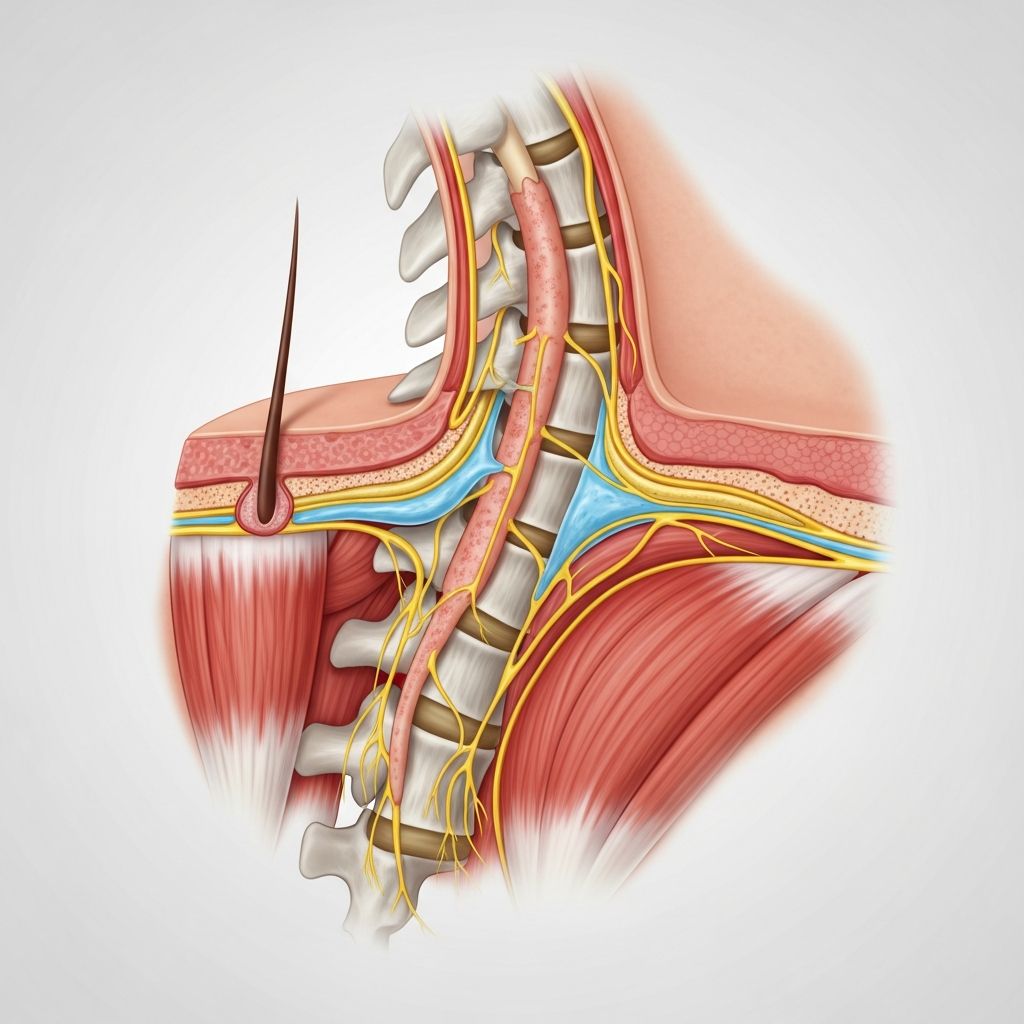
Understanding Myelomeningocele
Myelomeningocele is the most serious type of spina bifida, a birth defect in which a fetus’s spine and spinal canal don’t close completely before birth. This condition develops during the first four weeks of pregnancy when the neural tube fails to close properly. The result is a fluid-filled sac that protrudes from the baby’s back, containing nerve tissue and cerebrospinal fluid. This defect can cause moderate to severe disabilities, including muscle weakness, loss of bladder or bowel control, and varying degrees of paralysis depending on the location and severity of the lesion.
Unlike milder forms of spina bifida, myelomeningocele directly exposes neural tissue to the environment, making it a serious condition that requires immediate medical intervention. Healthcare providers can usually diagnose this condition during pregnancy through routine ultrasound screenings, allowing families and medical teams to prepare for specialized care and treatment options.
What is Spina Bifida?
Spina bifida is a neural tube defect that occurs when the spine and spinal cord don’t develop properly during early pregnancy. The neural tube is the embryonic structure that eventually develops into the baby’s brain and spinal cord. When this tube fails to close completely during the first month of pregnancy, it can result in various forms of spina bifida, ranging from mild to severe.
There are several types of spina bifida, but myelomeningocele represents the most serious form. In this condition, not only does the spine fail to close, but the meninges (protective membranes surrounding the spinal cord) and nerve tissue protrude through the opening, creating a visible sac on the baby’s back. This direct exposure of neural tissue distinguishes myelomeningocele from other forms of the condition and necessitates urgent surgical repair.
Causes and Risk Factors
Myelomeningocele develops due to incomplete neural tube closure during the critical first four weeks of pregnancy, often before a woman even knows she is pregnant. While the exact cause isn’t always clear, several risk factors have been identified that may increase the likelihood of this birth defect occurring.
Genetic factors play a significant role, as the condition can run in families. Women with a family history of spina bifida or neural tube defects face a higher risk of having a child with myelomeningocele. Additionally, maternal nutritional deficiencies, particularly inadequate folic acid intake, have been strongly associated with increased risk. Certain medications taken during pregnancy, particularly some anti-seizure medications, can also increase the risk of neural tube defects. Maternal diabetes and elevated body temperature during early pregnancy are other identified risk factors.
Ethnicity and geography also play roles, with certain populations showing higher rates of myelomeningocele. Environmental factors and maternal infections during the critical period of neural tube development may contribute to the defect’s occurrence.
Symptoms and Complications
The symptoms and complications of myelomeningocele vary widely depending on the location of the defect on the spine and the severity of the neural tissue involvement. A lesion higher on the spine typically results in more severe symptoms and greater loss of function below that level.
Common symptoms include:
- Visible sac or protrusion on the baby’s back containing fluid and nerve tissue
- Partial or complete paralysis of the legs
- Muscle weakness and reduced mobility
- Loss of bladder or bowel control, requiring lifelong management
- Reduced sensation or complete loss of feeling in the legs and lower body
- Club feet or other orthopedic abnormalities
- Hydrocephalus (excess cerebrospinal fluid in the brain)
- Arnold-Chiari malformation (part of the brain tissue extends into the spinal canal)
Related Stories



Children with myelomeningocele often develop complications throughout their lives. Hydrocephalus occurs in approximately 80-90% of cases and may require a ventriculoperitoneal shunt to manage fluid buildup. Tethered spinal cord, where scar tissue pulls on the spinal cord, can develop or worsen over time. Recurring urinary tract infections and kidney problems are common due to neurogenic bladder dysfunction. Bone and joint deformities may require ongoing orthopedic management and rehabilitation.
Diagnosis of Myelomeningocele
Healthcare providers typically diagnose myelomeningocele during pregnancy through systematic screening approaches that have become increasingly sophisticated and reliable.
Prenatal Diagnosis
Myelomeningocele is usually diagnosed during the mid-second trimester on routine anatomy ultrasounds. During these screenings, the characteristic fluid-filled sac protruding from the fetus’s back becomes visible. Ultrasound imaging allows healthcare providers to assess the size of the defect and determine its approximate location on the spine. The presence of certain secondary markers, such as the “lemon sign” (flattening of the frontal bones of the fetus’s head) and “banana sign” (curvature of the cerebellum), provides additional evidence supporting the diagnosis and indicates the presence of associated hydrocephalus or Arnold-Chiari malformation.
Additionally, maternal serum alpha-fetoprotein (AFP) levels, which are elevated in pregnancies with myelomeningocele, can serve as a screening marker when evaluated as part of routine prenatal screening panels.
Advanced Imaging
While magnetic resonance imaging (MRI) has been used to characterize the level of the defect in the spine and provide detailed anatomical information, recent research suggests that MRI may not significantly enhance long-term fetal or pediatric outcomes compared to ultrasound alone. Healthcare providers may still recommend MRI in certain cases to provide detailed anatomical information for surgical planning, particularly when intrauterine repair is being considered.
Postnatal Diagnosis
If myelomeningocele was not diagnosed during pregnancy, the condition becomes immediately apparent at birth. The visible sac on the baby’s back is the primary diagnostic indicator. Healthcare providers will perform neurological examinations to assess the baby’s motor function and sensation below the level of the defect. Imaging tests such as MRI or CT scans may be performed after birth to characterize the lesion and associated complications like hydrocephalus or Arnold-Chiari malformation.
Treatment Options
Treatment for myelomeningocele involves both immediate surgical intervention and long-term management of complications. The approach varies depending on whether the diagnosis was made prenatally or postnatally.
Fetal Surgery
Intrauterine myelomeningocele repair is an increasingly common option for selected pregnancies, performed by experienced fetal surgeons in specialized centers. This procedure involves opening the uterus, accessing the fetal defect, and performing a multi-layer closure of the myelomeningocele while the fetus remains in utero. The surgical team dissects and releases nerve tissue from surrounding membranes, then carefully sutures multiple layers including the dura mater, muscle fascia, and skin.
Research demonstrates that intrauterine surgical closure can reverse associated complications such as Arnold-Chiari malformations, potentially decreasing the risk of hydrocephalus and reducing the need for ventriculoperitoneal shunting. However, fetal surgery carries risks including preterm labor, infection, and maternal complications. The decision to pursue fetal surgery depends on the severity of the myelomeningocele, the health of the pregnant person, and informed discussion with an experienced fetal care team.
Postnatal Surgery
If a baby didn’t have fetal surgery to repair the open area of their spine, postnatal surgery becomes necessary as soon as possible to reduce infection risk—ideally within the first 48 hours after birth. The surgical goal is to close the sac and cover the exposed nerve tissue and meninges with skin and underlying tissues. This closure helps prevent infection, particularly meningitis, and helps protect the exposed neural tissue from further damage.
The specific surgical technique employed depends on factors including the size and location of the defect, the condition of the skin and surrounding tissues, and whether primary closure is possible or if tissue transfer or reconstruction is necessary.
Multidisciplinary Ongoing Care
Most children with myelomeningocele benefit from a coordinated, multidisciplinary team approach for managing their care and addressing the various complications that may arise. Specialists who may be involved include:
- Pediatric neurosurgeons for spinal cord monitoring and management of tethered spinal cord
- Neurologists for seizure management and neurological assessment
- Orthopedic surgeons for management of bone deformities and mobility issues
- Urologists for management of neurogenic bladder and prevention of urinary tract infections
- Physical and occupational therapists for mobility, adaptive equipment, and independence training
- Developmental pediatricians for monitoring growth and developmental progress
- Social workers and family counselors for psychosocial support
Lifelong Management
Children with myelomeningocele will need ongoing management throughout their lives to address complications resulting from spinal cord damage. Common long-term treatments include antibiotics to treat or prevent infections such as meningitis or urinary tract infections, and physical therapy to maintain and improve mobility and strength. Many children require assistive devices such as braces, walkers, or wheelchairs to maintain mobility and independence.
Bowel and bladder management programs are essential, often involving scheduled catheterization, medication management, and bowel regimens to prevent incontinence and reduce infection risk. Regular monitoring for late complications such as tethered spinal cord, syrinxes (fluid-filled cavities in the spinal cord), and progressive neurological decline is important for early intervention when needed.
Living with Myelomeningocele
While myelomeningocele is a serious condition that affects quality of life, many individuals with this diagnosis go on to lead fulfilling lives with appropriate medical care, family support, and access to rehabilitation services. Modern surgical techniques and comprehensive multidisciplinary care have significantly improved outcomes compared to previous decades.
Educational support and adaptive technologies enable many children with myelomeningocele to attend mainstream schools and participate in age-appropriate activities. Transition planning during adolescence helps prepare young adults for increased independence in managing their medical care and planning for employment and adult living arrangements.
Frequently Asked Questions
Q: Can myelomeningocele be prevented?
A: While myelomeningocele cannot always be prevented, adequate maternal folic acid intake before and during pregnancy significantly reduces the risk of neural tube defects. The CDC recommends that women of childbearing age consume 400 micrograms of folic acid daily, increasing to 4,000 micrograms if there is a family history of neural tube defects.
Q: What is the prognosis for a child with myelomeningocele?
A: The prognosis varies widely depending on the location and severity of the lesion. Advances in surgical techniques, particularly fetal repair, and improved multidisciplinary care have significantly improved outcomes. Many children with myelomeningocele survive into adulthood and achieve independence in various degrees depending on their specific deficits.
Q: Will my child need a shunt?
A: Many children with myelomeningocele develop hydrocephalus and require a ventriculoperitoneal shunt to manage excess cerebrospinal fluid. However, intrauterine repair may reduce the risk of needing a shunt. Your healthcare team will monitor your child for signs of hydrocephalus and discuss treatment options if needed.
Q: How does prenatal diagnosis affect pregnancy management?
A: Prenatal diagnosis allows families to receive genetic counseling, plan for specialized care at birth, and discuss treatment options including the possibility of fetal surgery. It also ensures that delivery occurs at a facility with appropriate neonatal and pediatric surgical capabilities.
Q: What support resources are available for families?
A: Many resources are available including specialized fetal care centers, multidisciplinary clinics, support groups, and organizations dedicated to spina bifida. Speaking with healthcare providers familiar with myelomeningocele can help families understand how their baby will be affected and how to prepare for their care.
References
- Myelomeningocele: What It Is, Causes, Diagnosis & Treatment — Cleveland Clinic. 2022. https://my.clevelandclinic.org/health/diseases/22813-myelomeningocele
- Spina Bifida: What It Is, Causes, Symptoms & Treatment — Cleveland Clinic. 2022. https://my.clevelandclinic.org/health/diseases/8719-spina-bifida
- Intrauterine Myelomeningocele Repair Reduces Neurological Damage in the Tiniest Patients — Cleveland Clinic Consult QD. https://consultqd.clevelandclinic.org/intrauterine-myelomeningocele-repair-reduces-neurological-damage-in-the-tiniest-patients
- Imaging in Open Spina Bifida — Cleveland Clinic Consult QD. https://consultqd.clevelandclinic.org/imaging-in-open-spina-bifida
- Understanding the Neural Tube Defect — National Institutes of Health, NICHD. https://www.nichd.nih.gov
Similar Articles








Read full bio of medha deb