Myelopathy: Causes, Symptoms, and Treatment
Understanding myelopathy: causes, symptoms, diagnosis, and treatment options for spinal cord compression.
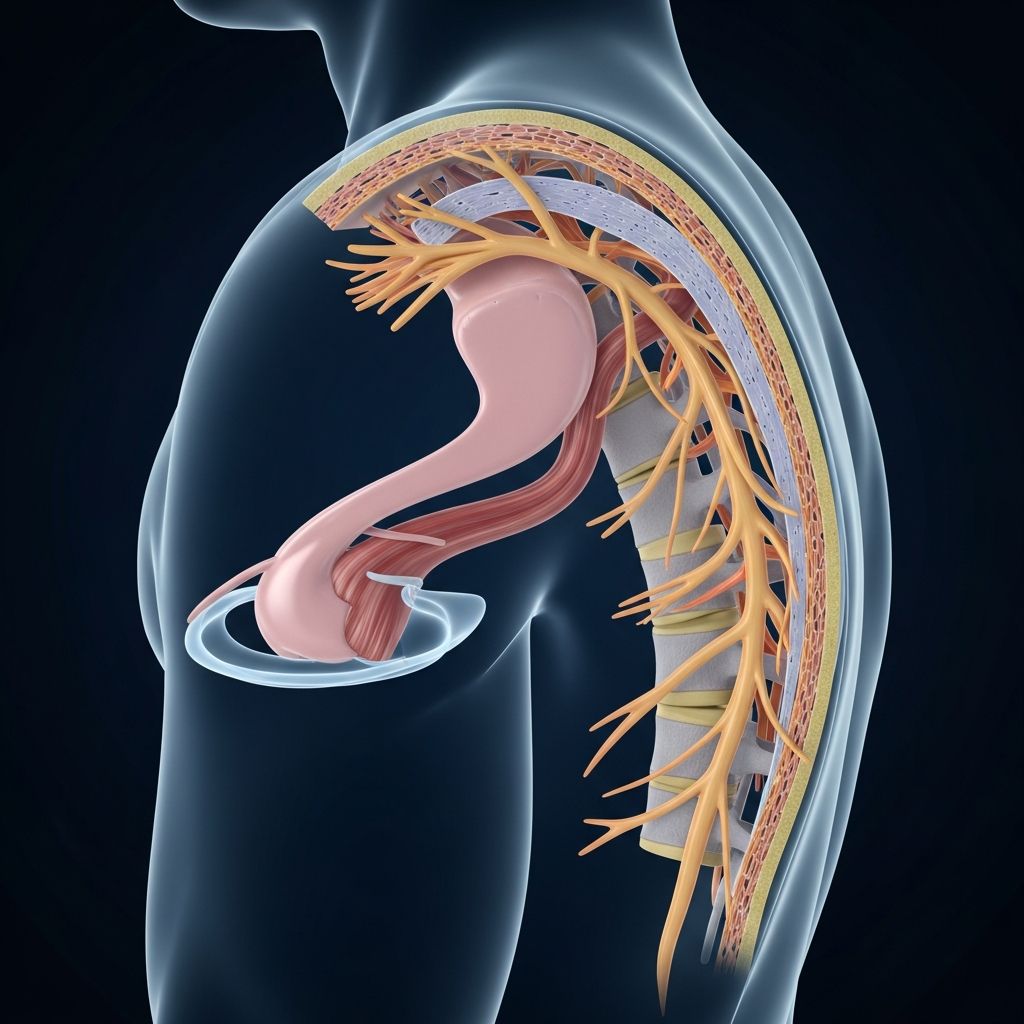
What Is Myelopathy?
Myelopathy is a medical term used to describe a group of symptoms that arise from compression or injury to the spinal cord. The spinal cord is a vital structure that transmits signals between the brain and the rest of the body. When the spinal cord is compressed, it can disrupt these signals, leading to a range of neurological symptoms. Myelopathy is not a disease in itself but rather a condition that results from various underlying causes, such as spinal stenosis, disc herniation, trauma, or degenerative changes in the spine.
Types of Myelopathy
Myelopathy can occur at different levels of the spine, and the type is determined by the location of the compression:
- Cervical Myelopathy: This is the most common form of myelopathy and occurs when the spinal cord in the neck (cervical spine) is compressed. Symptoms often include neck pain, weakness, numbness, and tingling in the arms and legs.
- Thoracic Myelopathy: This type affects the middle part of the spine (thoracic spine) and is usually caused by bulging or herniated discs, bone spurs, or acute spinal trauma. Symptoms may include numbness or weakness in the legs, loss of coordination, and difficulty walking.
- Lumbar Myelopathy: This is the least common form and affects the lower part of the spine (lumbar spine). Compression in this area is rare because the spinal cord typically ends at the L1-2 level, and below this, compression usually results in radiculopathy (pinched nerves) rather than myelopathy.
Symptoms of Myelopathy
The symptoms of myelopathy can vary depending on the location and severity of the spinal cord compression. Common symptoms include:
- Pain in the neck, back, arms, or legs
- Numbness or loss of sensation in the extremities
- Weakness or tingling in the arms, legs, hands, or feet
- Difficulty with fine motor skills, such as buttoning a shirt or using utensils
- Problems walking or maintaining balance
- Loss of bladder or bowel control (in severe cases)
- Lack of coordination and clumsiness
Causes of Myelopathy
Myelopathy can be caused by a variety of factors that lead to spinal cord compression. Common causes include:
- Spinal Stenosis: Narrowing of the spinal canal, often due to age-related degenerative changes.
- Disc Herniation: A bulging or ruptured disc that presses on the spinal cord.
- Trauma: Injuries to the spine, such as fractures or dislocations.
- Spinal Infections: Infections that cause inflammation and swelling in the spinal cord.
- Autoimmune Disorders: Conditions like multiple sclerosis that can affect the spinal cord.
- Spinal Tumors: Growths that compress the spinal cord.
- Spinal Deformities: Congenital or acquired deformities of the spine, such as scoliosis.
Diagnosis of Myelopathy
Diagnosing myelopathy involves a combination of medical history, physical examination, and diagnostic tests. A healthcare provider will typically:
- Take a detailed medical history to understand the onset and progression of symptoms.
- Perform a physical and neurological examination to assess muscle strength, reflexes, and sensory function.
- Order imaging studies, such as MRI or CT scans, to visualize the spinal cord and identify areas of compression.
- Conduct additional tests, such as electromyography (EMG) or nerve conduction studies, to evaluate nerve function.
Treatment Options for Myelopathy
The treatment of myelopathy depends on the underlying cause, the severity of symptoms, and the patient’s overall health. Treatment options include:
Related Stories



- Nonsurgical Treatments:
- Physical therapy to improve strength, flexibility, and balance.
- Medications to manage pain and inflammation.
- Lifestyle modifications, such as weight loss and ergonomic adjustments.
- Surgical Treatments:
- Spinal decompression surgery to relieve pressure on the spinal cord.
- Spinal fusion to stabilize the spine.
- Removal of tumors or other compressive lesions.
Complications of Myelopathy
If left untreated, myelopathy can lead to serious complications, including:
- Permanent nerve damage
- Loss of motor skills and dexterity
- Difficulty or inability to walk
- Loss of bladder or bowel control
- Paralysis
- Death (in severe cases)
Prevention of Myelopathy
While not all cases of myelopathy can be prevented, certain measures can reduce the risk:
- Maintaining a healthy weight to reduce stress on the spine.
- Practicing good posture and ergonomics.
- Engaging in regular physical activity to strengthen the muscles that support the spine.
- Seeking prompt medical attention for any symptoms of spinal cord compression.
Frequently Asked Questions (FAQs)
What is the difference between myelopathy and radiculopathy?
Myelopathy refers to compression or injury of the spinal cord, while radiculopathy is the compression of a spinal nerve root. Myelopathy affects the entire spinal cord and can cause widespread neurological symptoms, whereas radiculopathy is limited to the specific nerve root and typically causes symptoms in a more localized area.
Can myelopathy be cured?
Myelopathy is not curable, but it is treatable. Early diagnosis and appropriate treatment can help manage symptoms and prevent further complications.
What are the long-term effects of myelopathy?
The long-term effects of myelopathy depend on the severity and duration of the spinal cord compression. With proper treatment, many people can maintain a good quality of life, but some may experience permanent neurological deficits.
When should I see a doctor for myelopathy?
You should see a doctor if you experience symptoms such as persistent pain, numbness, weakness, or difficulty with motor skills. Early diagnosis and treatment are crucial to prevent permanent nerve damage and other complications.
References
References
- Myelopathy – The Ohio State University Wexner Medical Center — The Ohio State University Wexner Medical Center. 2023. https://wexnermedical.osu.edu/brain-spine-neuro/spine-diseases-conditions/myelopathy
- Myelopathy – Symptoms and Causes – Penn Medicine — Penn Medicine. 2023. https://www.pennmedicine.org/conditions/myelopathy
- Myelopathy: Symptoms, Causes and Treatments – Hoag Orthopedic Institute — Hoag Orthopedic Institute. 2023. https://www.hoagorthopedicinstitute.com/what-hurts-/spine/conditions/myelopathy/
- Myelopathy: Symptoms & Causes – NewYork-Presbyterian — NewYork-Presbyterian. 2023. https://www.nyp.org/ochspine/myelopathy
- Myelopathy: What It Is, Causes, Symptoms & Treatment – Cleveland Clinic — Cleveland Clinic. 2023. https://my.clevelandclinic.org/health/diseases/21966-myelopathy
Similar Articles








Read full bio of medha deb