Myocardial Ischemia: Causes, Symptoms and Treatment
Understanding myocardial ischemia: Learn about causes, symptoms, diagnosis, and effective treatment options.
What Is Myocardial Ischemia?
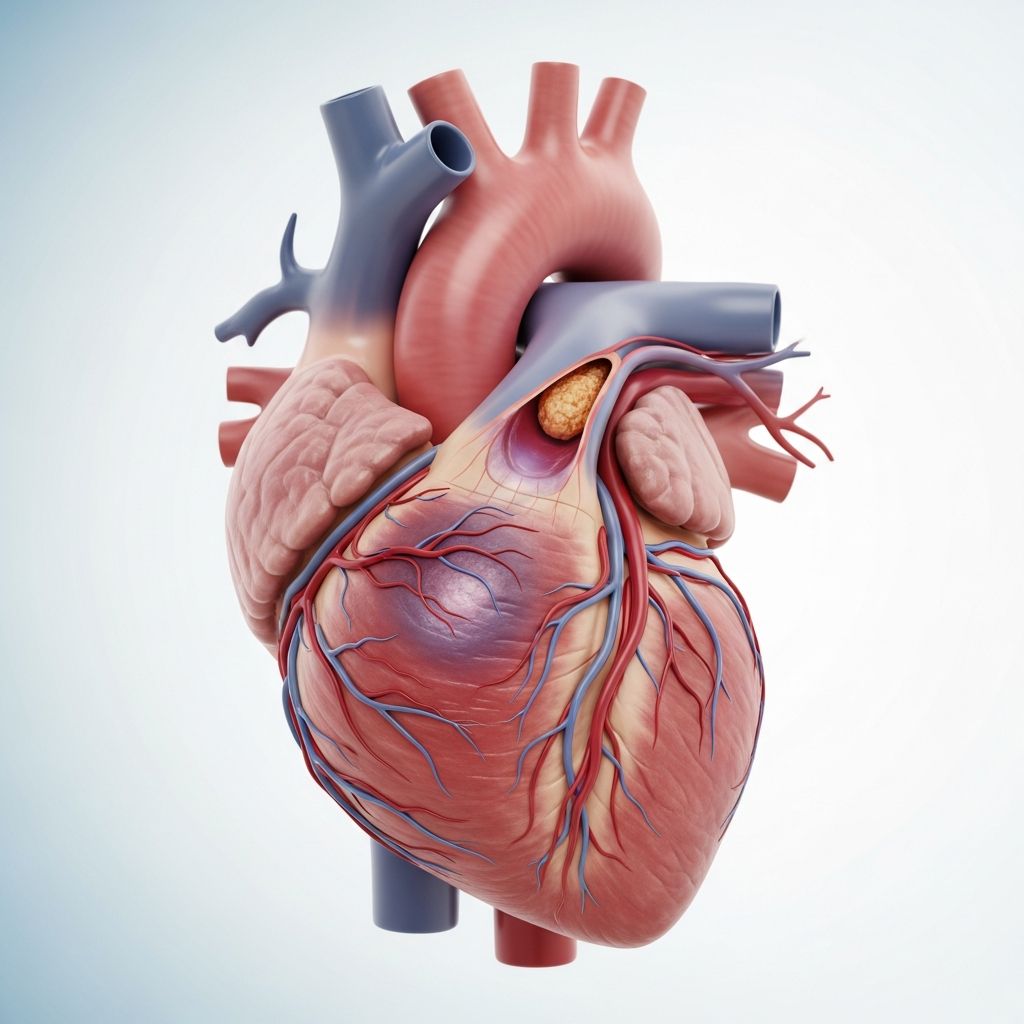
Myocardial ischemia, also known as cardiac ischemia, is a condition where your heart muscle does not receive enough blood flow to function properly. This lack of blood supply means your heart muscle isn’t getting sufficient oxygen and nutrients needed to perform its critical job of pumping blood throughout your body. When blood flow to the heart is reduced, it prevents the heart muscle from receiving the oxygen it requires, which can lead to chest pain and potentially serious complications.
The condition occurs when the coronary arteries—the blood vessels that supply oxygen-rich blood to the heart—become narrowed or blocked. In many cases, this happens due to a buildup of plaque composed of fat and cholesterol that restricts blood flow through the coronary arteries. If this lack of blood flow from your coronary arteries is severe or continues for more than a few minutes, it can cause significant damage to your heart muscle, potentially leading to a myocardial infarction, commonly known as a heart attack.
Causes of Myocardial Ischemia
Understanding the underlying causes of myocardial ischemia is essential for prevention and treatment. The most common cause involves the buildup of plaque in the coronary arteries, a process known as atherosclerosis. However, several other factors can contribute to reduced blood flow to the heart muscle:
– Coronary artery disease (CAD) and atherosclerosis- Blood clots in the coronary arteries- Coronary artery spasm- Heart valve disease- Myocardial bridging (when a coronary artery dips into the heart muscle)- Cardiomyopathy and other heart muscle diseases- Severe anemia- Thyroid disease- Extreme physical exertion or emotional stress- Uncontrolled high blood pressure- High cholesterol levels- Smoking and tobacco use- Obesity and sedentary lifestyle
Risk Factors for Myocardial Ischemia
Certain factors increase your likelihood of developing myocardial ischemia. Age plays a significant role, with men typically experiencing higher risk after age 45, while women’s risk increases after age 55 or following menopause. A family history of heart disease significantly elevates your risk, as does smoking—one of the most modifiable risk factors. Additional risk factors include high blood pressure, elevated cholesterol levels, diabetes, obesity, physical inactivity, chronic stress, and poor diet choices.
Symptoms of Myocardial Ischemia
Recognizing the symptoms of myocardial ischemia is crucial for seeking timely medical intervention. The most common symptom is chest pain or discomfort, often described as pressure, squeezing, heaviness, or tightness in the chest. This chest pain, known as angina, typically occurs during physical activity or emotional stress and subsides with rest or medication.
Additional symptoms may include:
– Shortness of breath or dyspnea- Fatigue and weakness- Dizziness or lightheadedness- Nausea or vomiting- Pain radiating to the arm, neck, jaw, or back- Heart palpitations or irregular heartbeat- Sweating or cold sweats- Anxiety or sense of impending doom
It’s important to note that some individuals may experience “silent ischemia,” where reduced blood flow occurs without noticeable symptoms. This is particularly common in people with diabetes and can make early detection more challenging.
Diagnosis of Myocardial Ischemia
Accurate diagnosis of myocardial ischemia involves several diagnostic tests and procedures. Your healthcare provider will begin with a thorough medical history and physical examination, listening carefully to your heart with a stethoscope and assessing your risk factors.
Related Stories



Non-Invasive Diagnostic Tests
Several non-invasive tests help identify myocardial ischemia without requiring catheterization:
– Electrocardiogram (ECG): Records electrical activity of the heart to detect abnormalities in heart rhythm or signs of ischemia- Stress Test: Monitors heart function during physical exertion to reveal ischemia that only appears with increased cardiac demand- Echocardiogram: Uses ultrasound to visualize heart structure and function- Cardiac MRI: Provides detailed images of heart tissue and can assess blood flow- PET Scan: Helps evaluate myocardial perfusion and detect areas of reduced blood flow- Coronary CT Angiography: Creates detailed images of coronary arteries- Blood Tests: Check for cardiac biomarkers, cholesterol levels, and other risk indicators
Invasive Diagnostic Procedures
When non-invasive tests suggest significant ischemia, your provider may recommend invasive procedures:
– Coronary Angiography: Involves injecting contrast dye into coronary arteries to visualize blockages on X-ray- Intravascular Ultrasound (IVUS): Uses ultrasound catheters to assess artery walls- Fractional Flow Reserve (FFR): Measures blood pressure within coronary arteries to determine blockage severity- Coronary Flow Reserve (CFR): Assesses microvascular function and flow capacity- Provocative Testing: Involves using medications to induce coronary spasm for diagnostic confirmation
Complications of Myocardial Ischemia
Without proper treatment, myocardial ischemia can lead to serious and potentially life-threatening complications:
– Heart Attack (Myocardial Infarction): If a coronary artery becomes completely blocked, the lack of blood and oxygen can destroy part of the heart muscle, causing permanent damage that can be serious and sometimes fatal- Irregular Heart Rhythm (Arrhythmia): Abnormal heart rhythms can weaken your heart and may be life-threatening- Heart Failure: Repeated episodes of ischemia over time may lead to heart failure, where your heart cannot pump blood effectively- Sudden Cardiac Death: Severe ischemia can trigger dangerous arrhythmias- Ischemic Cardiomyopathy: Chronic ischemia from coronary artery disease can cause the heart muscle to become damaged and unable to pump blood effectively
Treatment Options for Myocardial Ischemia
Treatment for myocardial ischemia aims to improve blood flow to the heart muscle and prevent progression to heart attack. Your specific treatment plan depends on the severity of your condition, the underlying cause, and your individual health factors. Treatment approaches may include medications, procedures to open blocked arteries, or bypass surgery.
Medications
Several medication classes help manage myocardial ischemia:
– Beta-blockers: Reduce heart rate and blood pressure, decreasing oxygen demand- ACE Inhibitors: Lower blood pressure and improve heart function- Statins: Reduce cholesterol and stabilize plaque- Antiplatelet Agents: Prevent blood clots (aspirin, clopidogrel)- Nitrates: Dilate blood vessels to improve blood flow- Calcium Channel Blockers: Reduce blood pressure and heart workload- Diuretics: Help reduce fluid overload
Invasive Procedures
When medications are insufficient, interventional procedures may be necessary:
– Percutaneous Coronary Intervention (PCI) with Angioplasty: A catheter with a balloon is used to open blocked arteries, restoring blood flow- Coronary Stent Placement: A small mesh tube is placed to keep the artery open after angioplasty- Coronary Artery Bypass Grafting (CABG): Surgical procedure that creates new pathways for blood flow around blocked arteries
Recent research, including the ISCHEMIA trial, has shown that patients with mild ischemia typically have good outcomes with optimal medical therapy alone. However, those with moderate or severe ischemia may benefit from revascularization procedures in addition to medical management. The decision between conservative medical therapy and invasive intervention requires careful consideration of individual patient factors and thorough discussion with your healthcare provider.
Lifestyle Modifications and Prevention
Making heart-healthy lifestyle choices is essential in treating and preventing myocardial ischemia. These modifications can significantly reduce your risk and improve outcomes:
– Quit Smoking: Smoking dramatically increases ischemia risk and should be eliminated- Exercise Regularly: Engage in at least 150 minutes of moderate-intensity aerobic activity weekly- Maintain a Heart-Healthy Diet: Focus on fruits, vegetables, whole grains, lean proteins, and healthy fats while reducing sodium and added sugars- Manage Weight: Maintain a healthy body mass index (BMI)- Control Blood Pressure: Keep blood pressure within recommended ranges- Manage Cholesterol: Maintain healthy cholesterol levels through diet and medication if needed- Control Diabetes: Proper glucose management significantly reduces cardiac risk- Reduce Stress: Practice relaxation techniques, meditation, or yoga- Limit Alcohol: Drink moderately or abstain- Get Adequate Sleep: Aim for 7-9 hours of quality sleep nightly
Frequently Asked Questions About Myocardial Ischemia
Q: What is the difference between myocardial ischemia and a heart attack?
A: Myocardial ischemia is reduced blood flow to the heart muscle, while a heart attack (myocardial infarction) occurs when blood flow is completely blocked for an extended period, causing heart muscle damage. Ischemia can lead to a heart attack if not treated promptly.
Q: Can myocardial ischemia go away on its own?
A: Mild ischemia may resolve with rest and medication, but the underlying cause usually requires treatment to prevent progression. Without addressing the root cause, ischemia can worsen and lead to serious complications.
Q: How is ischemic cardiomyopathy different from myocardial ischemia?
A: Myocardial ischemia is reduced blood flow to the heart, while ischemic cardiomyopathy is damage to the heart muscle that results from prolonged or repeated ischemia, causing weakened pumping ability.
Q: What tests are most important for diagnosing myocardial ischemia?
A: Stress tests and cardiac imaging (ECG, echocardiogram, cardiac MRI, or PET scans) are commonly used for initial diagnosis. Coronary angiography may be performed if invasive evaluation is needed to visualize coronary artery blockages.
Q: Is myocardial ischemia preventable?
A: Many cases of myocardial ischemia can be prevented through lifestyle modifications including not smoking, regular exercise, healthy diet, stress management, and controlling risk factors like high blood pressure, cholesterol, and diabetes.
Q: What should I do if I experience chest pain?
A: Seek medical attention immediately. If you suspect a heart attack, call emergency services. Never ignore chest pain or assume it will go away on its own, as prompt treatment is critical for the best outcomes.
References
- Diagnosis & Management of Ischemia with No Obstructive Arteries — Cleveland Clinic’s Sydell and Arnold Miller Family Heart, Vascular & Thoracic Institute. https://www.youtube.com/watch?v=WXxwg8wibOs
- Myocardial ischemia – Symptoms & causes — Mayo Clinic. 2024. https://www.mayoclinic.org/diseases-conditions/myocardial-ischemia/symptoms-causes/syc-20375417
- Ischemic Cardiomyopathy: Symptoms & Causes — Cleveland Clinic. 2024. https://my.clevelandclinic.org/health/diseases/17145-ischemic-cardiomyopathy
- The role of ISCHEMIA in stable ischemic heart disease — Cleveland Clinic Journal of Medicine, 2020. https://www.ccjm.org/content/87/7/401
- Myocardial Ischemia: Causes, Symptoms and Treatment — Cleveland Clinic. 2022. https://my.clevelandclinic.org/health/diseases/17848-myocardial-ischemia
- Coronary Artery Disease (CAD): Symptoms & Treatment — Cleveland Clinic. 2024. https://my.clevelandclinic.org/health/diseases/16898-coronary-artery-disease
Similar Articles








Read full bio of Sneha Tete