Myocarditis Symptoms: 7 Signs You Shouldn’t Ignore
Recognizing myocarditis symptoms early can be life-saving. Learn the signs, from chest pain to fatigue, and when to seek urgent care.
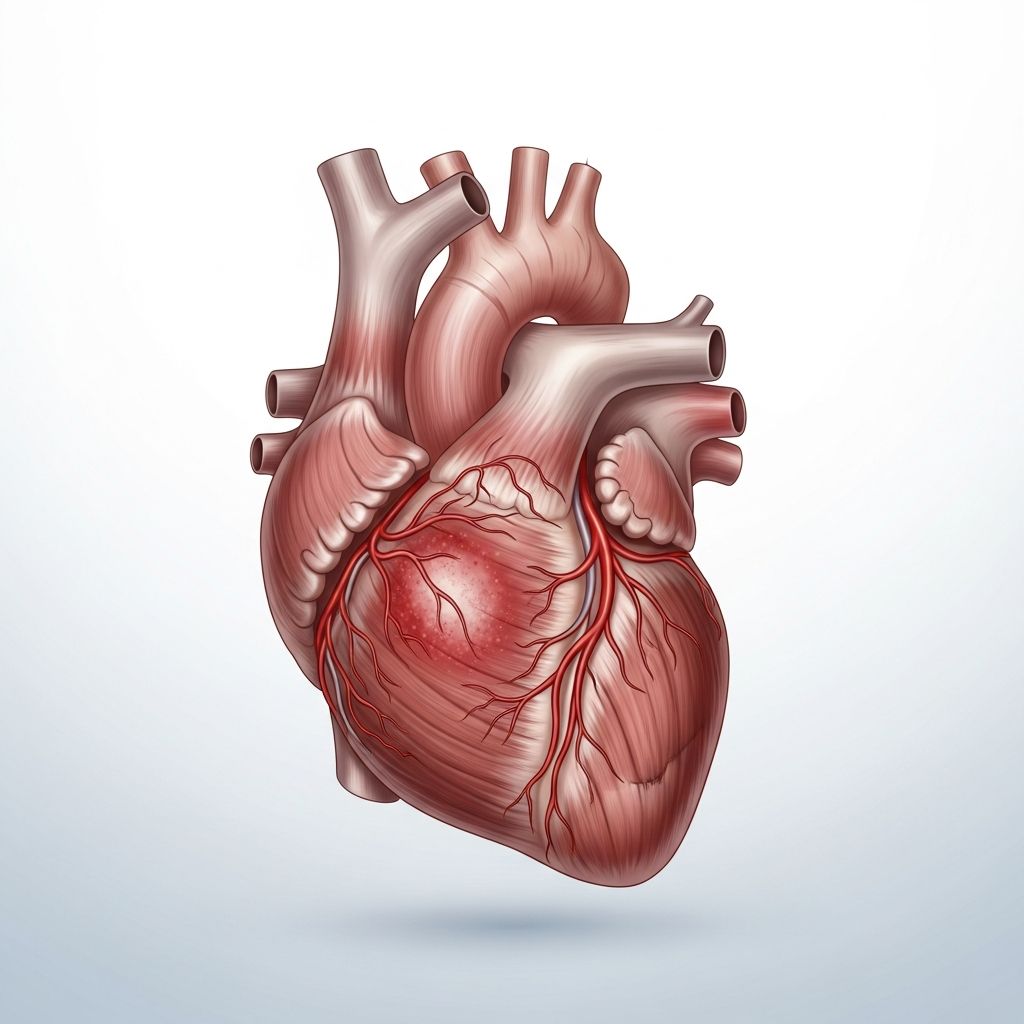
Myocarditis is inflammation of the heart muscle (myocardium), which can weaken the heart’s pumping ability and lead to serious complications like arrhythmias or heart failure. Early recognition of symptoms is crucial, as some cases mimic heart attacks or flu-like illnesses.
What Is Myocarditis?
Myocarditis refers to inflammation of the myocardium, the thick middle layer of the heart wall responsible for contraction. This condition impairs the heart’s ability to pump blood effectively, potentially causing reduced cardiac output, fluid buildup, or electrical disturbances. It can range from mild, asymptomatic cases to fulminant heart failure requiring immediate intervention. While often triggered by viral infections, other causes include autoimmune diseases, toxins, or medications.
The heart has three layers: the outer pericardium, the myocardium, and the inner endocardium. Myocarditis specifically targets the myocardium, distinguishing it from pericarditis (sac inflammation) or endocarditis (valve inflammation). Acute myocarditis, comprising about 65% of cases, often follows viral illnesses and presents variably from mild chest pain to cardiogenic shock.
Symptoms of Myocarditis
Symptoms of myocarditis vary widely; some individuals remain asymptomatic, while others experience mild flu-like signs or severe cardiac distress. Common symptoms often develop days to weeks after a viral prodrome.
- Chest pain: Often sharp or pressure-like, mimicking a heart attack or pericarditis. It may worsen with lying down or breathing.
- Shortness of breath (dyspnea): Occurs at rest or during activity, due to fluid buildup or reduced heart function.
- Fatigue or exercise intolerance: Persistent tiredness, even with minimal effort, signaling weakened heart muscle.
- Rapid, irregular, or pounding heartbeat (arrhythmias or palpitations): The inflamed muscle disrupts electrical signals, causing palpitations or dangerous rhythms.
- Lightheadedness, dizziness, or fainting (syncope): Results from inadequate blood flow to the brain.
- Swelling (edema): In legs, ankles, or feet from heart failure.
- Flu-like symptoms: Fever, headache, body aches, joint pain, sore throat, or cough, especially preceding heart symptoms.
Symptoms can onset suddenly or gradually. In advanced stages, signs of heart failure like orthopnea (breathlessness when lying flat) or pulmonary rales may appear. Seek emergency care for unexplained chest pain with shortness of breath, as it may indicate acute myocarditis or infarction.
Myocarditis Symptoms in Children
Children with myocarditis often present differently, with symptoms that may be mistaken for respiratory infections or fatigue. Prompt recognition is vital, as pediatric cases can progress rapidly to heart failure.
- Difficulty or rapid breathing: Due to heart strain or fluid in lungs.
- Chest pain: Less commonly reported but significant if present.
- Rapid or irregular heartbeats: Detectable on exam or monitors.
- Fainting: From low cardiac output.
- Fever: Often with preceding viral illness.
Infants may show poor feeding, irritability, or lethargy. A history of recent infection heightens suspicion.
Causes of Myocarditis
Viral infections are the leading cause, accounting for most acute cases, but bacteria, parasites, fungi, autoimmune conditions, toxins, drugs, or hypersensitivity reactions also contribute. Common viruses include coxsackievirus, adenovirus, parvovirus B19, and enteroviruses. Post-viral immune responses may perpetuate inflammation.
Other etiologies:
- Infectious: Viruses (most common), bacteria (e.g., diphtheria), protozoa (e.g., Trypanosoma cruzi in Chagas disease).
- Noninfectious: Autoimmune (e.g., lupus), hypersensitivity to drugs, radiation, or toxins like heavy metals.
- Idiopathic: Cause unknown in many cases.
Strenuous exercise during viral illness increases risk, as does family history of cardiomyopathy.
Related Stories



Diagnosis of Myocarditis
Diagnosis involves history, exam, ECG, biomarkers, echocardiography, MRI, and sometimes biopsy. No single test is definitive; clinicians rule out mimics like ischemia.
| Test | Key Findings |
|---|---|
| ECG | ST-T changes, arrhythmias, low voltage, sinus tachycardia. |
| Blood tests | Elevated troponin, CK-MB; inflammatory markers (CRP, ESR). |
| Echocardiogram | Reduced LVEF, wall motion abnormalities, pericardial effusion. |
| Cardiac MRI | Gold standard: Edema, hyperemia, late gadolinium enhancement per Lake Louise criteria. |
| Endomyocardial biopsy | Definitive for inflammation, used in severe/refractory cases. |
History often reveals viral prodrome in 60% of cases.
Treatment for Myocarditis
Treatment focuses on supportive care, addressing cause, and managing complications. Most viral cases resolve with rest, but severe cases need hospitalization.
- Supportive: Rest, fluids, oxygen; avoid exercise until recovery (3-6 months).
- Medications: IVIG for acute viral; anti-arrhythmics, beta-blockers, ACE inhibitors for heart failure; immunosuppressants for autoimmune.
- Advanced: Ventricular assist devices, ECMO, or transplant for fulminant cases.
- Cause-specific: Antibiotics for bacterial; antivirals if applicable.
Monitoring via telemetry is standard in hospital.
Complications of Myocarditis
Untreated, myocarditis can lead to dilated cardiomyopathy (20-30% of cases), chronic heart failure, ventricular aneurysms, or sudden death. Arrhythmias occur in up to 25%; reduced LVEF in similar proportions.
When to See a Doctor
Consult a doctor for persistent fatigue, palpitations, or dyspnea post-viral illness. Emergency care for chest pain, severe shortness of breath, fainting, or swelling. Early intervention improves outcomes.
Prevention Tips
- Treat infections promptly.
- Avoid intense exercise during/after viral illnesses.
- Manage autoimmune conditions.
- Limit exposure to toxins/drugs known to cause myocarditis.
Frequently Asked Questions (FAQs)
What are the first signs of myocarditis?
Early signs include flu-like symptoms (fever, aches), followed by chest pain, fatigue, shortness of breath, or palpitations.
Can myocarditis go away on its own?
Many mild viral cases resolve with rest, but monitoring is essential to prevent complications.
How long does myocarditis last?
Acute cases may resolve in weeks; chronic forms persist months. Full recovery can take 3-6 months.
Is myocarditis contagious?
No, but underlying viral causes can be.
Can you recover fully from myocarditis?
Yes, most do, especially with early treatment, though some develop long-term heart issues.
References
- Myocarditis – Symptoms and causes — Mayo Clinic. 2023-10-15. https://www.mayoclinic.org/diseases-conditions/myocarditis/symptoms-causes/syc-20352539
- Myocarditis | Diagnosis & Disease Information — The Cardiology Advisor. 2024-05-20. https://www.thecardiologyadvisor.com/ddi/myocarditis/
- Myocarditis — American Heart Association. 2024-01-10. https://www.heart.org/en/health-topics/myocarditis
- Acute Myocarditis — JAMA Network. 2023-08-15. https://jamanetwork.com/journals/jama/fullarticle/2807985
- Acute Myocarditis – StatPearls — NCBI Bookshelf – NIH. 2024-03-25. https://www.ncbi.nlm.nih.gov/books/NBK441847/
- Myocarditis: Symptoms and Causes — Cleveland Clinic. 2023-11-05. https://my.clevelandclinic.org/health/diseases/22129-myocarditis
Similar Articles








Read full bio of Sneha Tete