Myoclonic Seizures: Understanding Causes, Symptoms & Treatment
Complete guide to myoclonic seizures: causes, symptoms, diagnosis, and evidence-based treatment options.
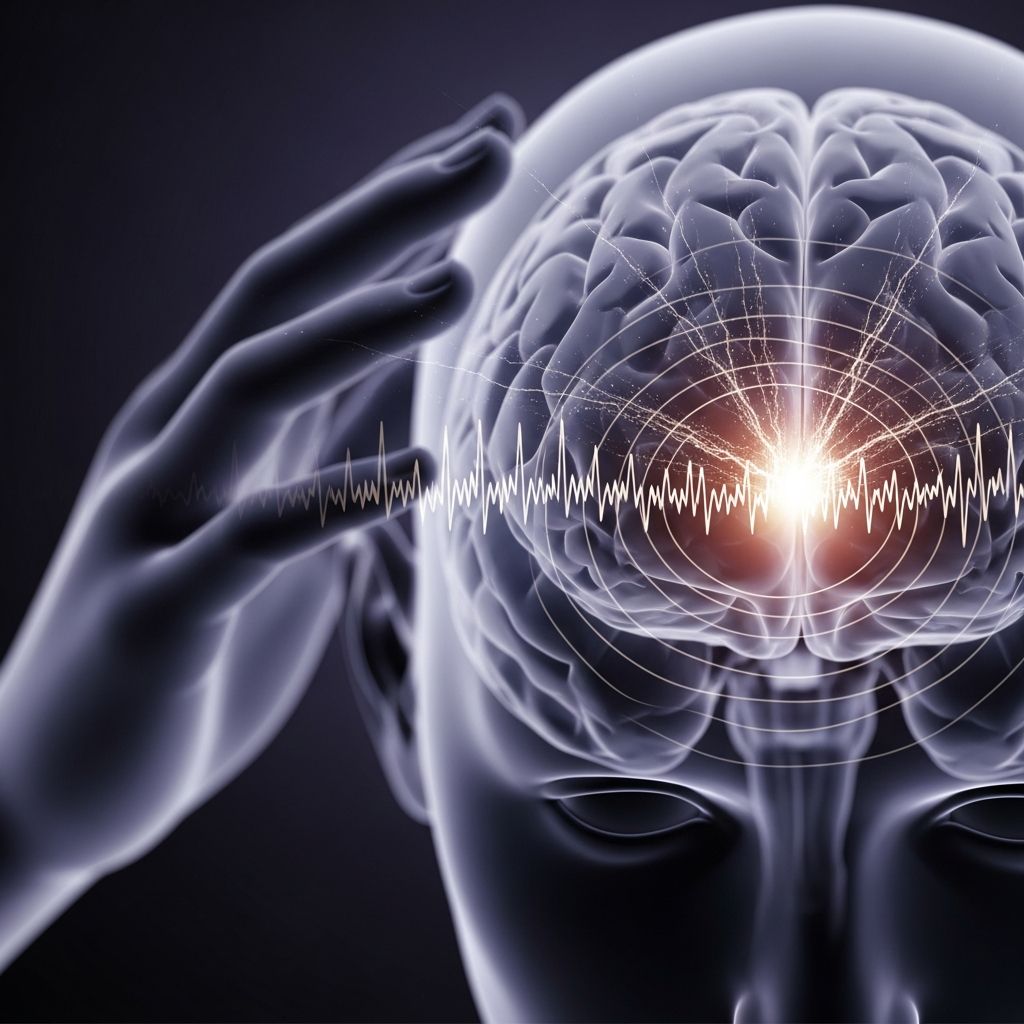
Understanding Myoclonic Seizures
Myoclonic seizures are a type of seizure characterized by sudden, brief, involuntary jerking or twitching of muscles. These seizures are typically very short in duration, often lasting only a few seconds, which is why they sometimes go unnoticed by observers. The term “myoclonic” comes from “myo” meaning muscle and “clonus” meaning rapid, repetitive contractions. Unlike some other seizure types that can last for minutes, myoclonic seizures happen in quick, lightning-fast movements that can occur in various parts of the body or affect multiple muscle groups simultaneously.
These seizures are relatively common, particularly in individuals with certain types of epilepsy. They can occur as isolated events or as part of a broader epileptic syndrome. Understanding the nature of myoclonic seizures is important because they can serve as warning signs for more severe seizures or indicate underlying neurological conditions that require medical attention.
Characteristics and Presentation
Myoclonic seizures present with very distinctive features that make them recognizable to both healthcare providers and those who experience them. The muscle jerks associated with myoclonic seizures are involuntary, meaning the person has no control over the movements. They occur suddenly without warning and typically involve rapid, uncontrolled muscle contractions.
One notable characteristic of myoclonic seizures is their timing. They are frequently triggered upon waking or during the transition between sleep and wakefulness. Many individuals report experiencing these seizures in the morning shortly after waking up. They can also occur when a person is falling asleep. Additionally, certain environmental factors can precipitate myoclonic seizures, such as exposure to flashing lights or photic stimulation.
The jerking movements typically predominate in the extremities, with many patients experiencing drops of objects from their hands due to the sudden muscle contractions. Some individuals describe the sensation as a sudden jerk of their arms or legs, while others may experience jerking in the face or neck area. The movements are brief and repetitive, often occurring in clusters or bouts.
Common Causes and Risk Factors
Myoclonic seizures can result from various underlying causes and conditions. In many cases, the cause of myoclonic seizures is unknown, which is referred to as idiopathic myoclonus. However, when a cause can be identified, it often falls into one of several categories.
Genetic factors play a significant role in myoclonic seizures, as many forms of epilepsy that include myoclonic components are inherited. People with these genetic forms often inherit them from one or both parents. Specific genetic mutations can affect brain function and make it easier for brain cells to malfunction and send electrical signals uncontrollably.
Other identifiable causes of myoclonic seizures include:
– Abnormal brain development during fetal development- Brain tumors that affect neurological function- Brain infections such as encephalitis or meningitis- Stroke or cerebrovascular accidents- Head injuries or traumatic brain injury- Lack of oxygen to the brain (hypoxia)- Metabolic disorders affecting brain chemistry- Toxic exposures or medication side effects
Related Stories



Additionally, myoclonic seizures can be associated with specific epileptic syndromes, with juvenile myoclonic epilepsy being one of the most common and well-recognized forms.
Myoclonic Seizures and Epilepsy Syndromes
Myoclonic seizures are most commonly associated with generalized or genetic forms of epilepsy. They are particularly prevalent in childhood-onset epilepsy syndromes but can also affect adults. In some cases, people with focal epilepsy may experience myoclonic seizures, though in these instances, the muscle jerks typically affect only one side of the body.
One of the most recognized syndromes featuring myoclonic seizures is juvenile myoclonic epilepsy (JME), which typically begins during childhood or early adolescence. In JME, myoclonic seizures often occur in the morning and may progress to generalized tonic-clonic seizures. Patients with JME typically maintain normal intelligence and consciousness during myoclonic seizures, though they may experience more severe seizures as the syndrome progresses.
For an individual to receive an epilepsy diagnosis, they must have experienced either at least two unprovoked seizures or one unprovoked seizure with a high probability of having another within the next 10 years. Healthcare providers can often determine this risk based on changes in brain structure or activity identified through diagnostic testing.
Diagnosis and Evaluation
Diagnosing myoclonic seizures typically involves a comprehensive evaluation that includes detailed patient history, physical examination, and specialized testing. Healthcare providers will ask about when the seizures occur, what triggers them, how long they last, and what movements are involved.
Electroencephalography (EEG) is a crucial diagnostic tool for evaluating myoclonic seizures. EEG recording can help identify abnormal electrical activity in the brain and may reveal generalized EEG discharges that accompany the myoclonus. The specific pattern of EEG abnormalities can help distinguish between different types of myoclonic seizures and underlying causes.
Brain imaging studies, such as MRI or CT scans, may be recommended to identify structural abnormalities, tumors, or signs of injury that could be causing the seizures. Genetic testing may also be considered when an inherited form of epilepsy is suspected. Blood tests can help identify metabolic disorders or other systemic conditions that might contribute to myoclonic seizures.
Treatment Approaches
Medication Therapy
Medication is typically the first-line treatment for myoclonic seizures. Several anti-seizure medications have demonstrated effectiveness in controlling myoclonic seizures, though the choice of medication depends on the underlying cause and the specific type of myoclonic seizure.
For cortical myoclonus, levetiracetam is frequently suggested as first-line treatment, though valproic acid and clonazepam are also commonly used alternatives. Valproic acid has demonstrated particularly strong efficacy in epileptic syndromes featuring myoclonic seizures, such as juvenile myoclonic epilepsy, where it can treat all types of seizures associated with the condition.
Other medications used to treat myoclonic seizures include:
– Levetiracetam (Keppra)- Lamotrigine (Lamictal)- Topiramate (Topamax)- Zonisamide (Zonegran)- Clonazepam (Klonopin) and other benzodiazepines
Clonazepam, a tranquilizer, is the most common drug used to treat myoclonus symptoms and is particularly effective for subcortical-nonsegmental myoclonus. Rescue medications, primarily benzodiazepines such as Ativan, Valium, clonazepam, and clobazam, can be prescribed to help prevent clusters of myoclonic seizures.
Some patients may respond to monotherapy with a single medication, while others require a combination of medications to achieve adequate seizure control. It is important to note that some anti-seizure medications, including phenytoin, carbamazepine, and lamotrigine, can paradoxically increase seizures or myoclonus in certain syndromes and should be avoided in these situations.
Alternative and Adjunctive Treatments
Beyond medication, several other treatment options are available for managing myoclonic seizures. Vagal nerve stimulation has been used as an adjunctive treatment, particularly in cases where anti-epilepsy drugs alone do not provide adequate control.
For peripheral myoclonus or focal myoclonus affecting specific areas of the body, Botulinum toxin (Botox) injections have shown promise. These injections block the release of acetylcholine, a chemical messenger that triggers muscle contractions, thereby reducing myoclonic movements and associated discomfort. This approach is particularly useful for conditions like hemifacial spasm and other focal myoclonic disorders.
In cases where myoclonic seizures are secondary to underlying metabolic conditions or hypoxia, addressing the underlying cause may resolve the myoclonus. For example, if myoclonic seizures result from uremia, dialysis may improve symptoms if the patient recovers from the hypoxic episode.
Managing Myoclonic Seizures in Daily Life
While myoclonic seizures themselves are usually not severe or painful, they can present challenges in daily life. The sudden jerking movements can cause individuals to drop objects they are holding, potentially leading to injury or inconvenience. During activities such as walking, eating, or carrying items, the brief loss of muscle control associated with myoclonic seizures can create safety concerns.
It is important to recognize that myoclonic seizures can serve as a warning sign of more severe seizures. Many people with conditions characterized by myoclonic seizures may experience myoclonic jerks hours or even days ahead of a much larger, more severe generalized tonic-clonic seizure. Healthcare providers can help determine if myoclonic seizures are functioning as a warning sign and what preventive measures might be employed to prepare for or prevent subsequent, more severe seizures.
Sleep disturbances are common in individuals with myoclonic seizures, as the jerks can disrupt falling asleep and cause frequent nighttime awakenings. Addressing these sleep issues is an important part of overall seizure management and quality of life improvement.
Prognosis and Long-Term Outlook
The prognosis for individuals with myoclonic seizures varies depending on the underlying cause and the specific epileptic syndrome involved. In many cases, myoclonic seizures respond well to appropriate medication therapy, and patients can achieve significant seizure control or complete seizure freedom.
However, some individuals experience limited treatment response or develop tolerance to medications over time. Additionally, anti-seizure medications may cause side effects that require dose adjustment or medication changes. Common side effects include fatigue, dizziness, nausea, and sedation. Despite these challenges, most individuals with myoclonic seizures can manage their condition effectively with appropriate medical supervision and treatment.
For individuals with genetic forms of myoclonic epilepsy such as juvenile myoclonic epilepsy, long-term medication management is often necessary, though many achieve excellent seizure control with proper treatment. The key to a positive long-term outlook is early diagnosis, appropriate medication selection, and regular follow-up with a healthcare provider who specializes in epilepsy care.
Frequently Asked Questions
Q: Are myoclonic seizures dangerous?
Myoclonic seizures in isolation are usually not dangerous or harmful. However, they can create safety risks when muscle jerks occur during activities such as walking or carrying objects. Additionally, they can be a warning sign that a more severe seizure is approaching.
Q: How long do myoclonic seizures last?
Myoclonic seizures are very brief, typically lasting only a few seconds. Their short duration means they often go unnoticed by observers, though the individual experiencing them is usually aware of the muscle jerks.
Q: What time of day do myoclonic seizures most commonly occur?
Myoclonic seizures most frequently occur upon waking or during the transition between sleep and wakefulness. Many individuals report experiencing these seizures in the morning or when falling asleep.
Q: Can myoclonic seizures be cured?
While myoclonic seizures cannot always be completely cured, they can usually be effectively managed with appropriate anti-seizure medications. Many individuals achieve significant seizure control or complete freedom from seizures with proper treatment.
Q: What should I do if I witness someone having a myoclonic seizure?
Most myoclonic seizures resolve quickly on their own. Ensure the person is in a safe location away from hazards, protect them from falling, and stay with them until the seizure passes. If seizures cluster or worsen, contact emergency services.
Q: Are myoclonic seizures hereditary?
Many forms of epilepsy that feature myoclonic seizures are genetic and can be inherited from parents. However, some myoclonic seizures result from acquired causes such as brain injury or infection.
References
- Treatment of Myoclonus — PubMed Central/National Institutes of Health. 2013-12-15. https://www.ncbi.nlm.nih.gov/pmc/articles/PMC3899494/
- Myoclonic Seizures: Causes, Symptoms, Diagnosis, Treatment — Healthline Media. 2024. https://www.healthline.com/health/epilepsy/myoclonic-seizure
- Myoclonic Seizure: What It Is, Symptoms & Treatment — Cleveland Clinic. 2024. https://my.clevelandclinic.org/health/diseases/23172-myoclonic-seizure
- Myoclonic Seizures — MedLink Neurology. 2024. https://www.medlink.com/articles/myoclonic-seizures
- Myoclonus – Diagnosis and Treatment — Mayo Clinic. 2024. https://www.mayoclinic.org/diseases-conditions/myoclonus/diagnosis-treatment/drc-20350462
- Myoclonic Seizures & Syndromes — Epilepsy Foundation. 2024. https://www.epilepsy.com/what-is-epilepsy/seizure-types/myoclonic-seizures
Similar Articles








Read full bio of medha deb