Myoclonus: Muscle Twitches, Causes & Treatment
Understand myoclonus muscle twitches: causes, types, symptoms, and effective treatment options explained.
Understanding Myoclonus: What You Need to Know
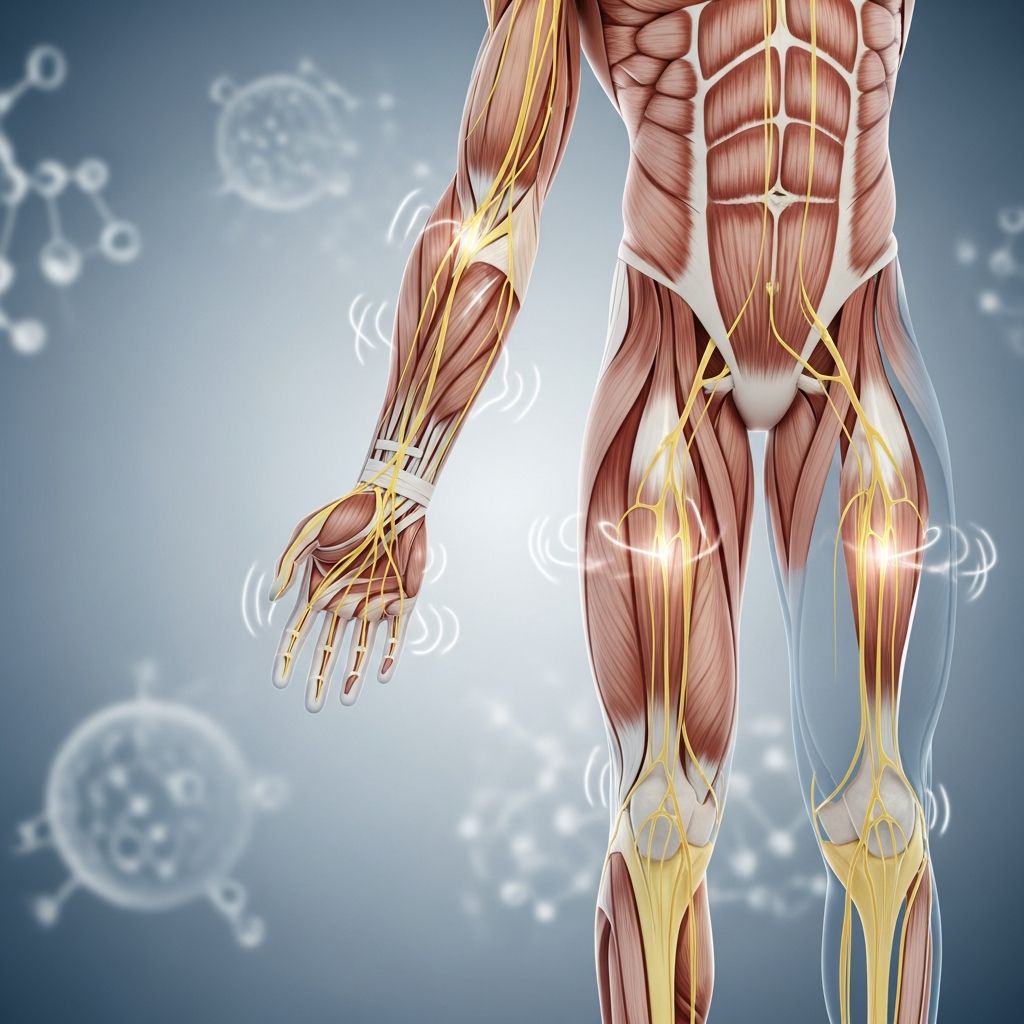
Myoclonus is a fast, sudden muscle movement that feels like a twitch or jerk and occurs involuntarily. It can range from mild and occasional to severe and frequent, affecting virtually any muscle group in your body. While some forms of myoclonus are completely harmless and occur in healthy people, others may signal an underlying medical condition that requires attention. Understanding what myoclonus is, what causes it, and when to seek medical help is essential for managing this condition effectively.
The good news is that many causes of myoclonus are treatable. Early diagnosis and appropriate treatment can significantly minimize the impact this condition has on your daily life and quality of living. If you notice new muscle jerks that are becoming more frequent or persistent, consulting with a healthcare provider is the best first step toward understanding your specific situation.
What Causes Myoclonus?
Myoclonus can result from various underlying factors, ranging from completely normal physiological responses to serious medical conditions. Understanding the potential causes helps healthcare providers develop appropriate treatment strategies tailored to your specific situation.
Primary (Physiological) Myoclonus
Some forms of myoclonus occur naturally in healthy people and typically don’t require treatment. These include:
- Hiccups – involuntary diaphragm contractions
- Sleep starts or hypnic jerks – sudden movements when falling asleep
- Muscle shakes or spasms triggered by anxiety or intense exercise
- Infant muscle twitching during sleep or after feeding
These normal forms of myoclonus are generally harmless and resolve on their own without intervention.
Secondary Myoclonus Causes
When myoclonus results from an underlying health condition, it’s classified as secondary myoclonus. Medical conditions that can cause myoclonus include:
- Neurological disorders affecting brain function
- Brain or spinal cord injuries
- Brain tumors or lesions
- Stroke or heart attacks that reduce oxygen to the brain
- Infections, including viral and bacterial infections like Lyme disease
- Metabolic disorders such as high or low blood sugar levels
- Kidney or liver disease
- Vitamin or mineral deficiencies
- Autoimmune conditions
- Genetic disorders inherited from parents
Medication-Related Myoclonus
Prescription medications and recreational substances can trigger myoclonus as a side effect. Substances known to cause muscle twitching include:
- Blood pressure medications
- Antibiotics
- Antidepressants
- Anti-seizure drugs
- Surgical anesthetics
- Opioids and other pain medications
- Alcohol and recreational drugs such as cocaine, ecstasy, heroin, and amphetamines
Stimulus-Sensitive Myoclonus
Certain types of myoclonus can be triggered by environmental stimuli like lights, loud noises, or sudden movements. Feeling surprised or startled may make this type of myoclonus more likely to occur, as the nervous system responds to external triggers in an exaggerated manner.
Types of Myoclonus
Healthcare providers classify myoclonus into different types based on where the abnormal nerve signals originate within the nervous system. This classification helps guide treatment decisions.
Cortical Myoclonus
Related Stories



Cortical myoclonus originates in the brain’s cortex and is the most common source of myoclonus. This type typically responds well to specific medications like levetiracetam and valproic acid.
Subcortical Myoclonus
This form originates in deeper brain structures and may require different treatment approaches than cortical myoclonus.
Spinal Myoclonus
Spinal myoclonus results from problems in the spinal cord and may be treated differently based on the underlying cause.
Peripheral Myoclonus
Though rare, peripheral myoclonus can result from injury to nerves outside the central nervous system.
Essential Myoclonus
Essential myoclonus is a genetic condition that runs in families and isn’t harmful. This inherited form of myoclonus typically doesn’t worsen over time, though muscle movements may become more noticeable after consuming alcohol.
Palatal Myoclonus
This specific type affects the soft palate and can produce an unusual clicking sound in the ear. Palatal myoclonus can be inherited (essential palatal myoclonus) or occur as a symptom of a brain lesion. While it’s often treatable with medication, it can be quite disruptive to daily life.
Recognizing Symptoms of Myoclonus
Myoclonic jerks and twitches are characterized by sudden tightening and relaxation of the muscles. These involuntary movements can vary significantly in severity, frequency, and the areas of the body they affect. In some cases, myoclonus may interfere with eating, talking, walking, and other daily activities.
When myoclonus becomes frequent, persistent, or associated with other symptoms, it’s important to consult a healthcare provider for evaluation. A doctor can determine whether the twitching is a normal response or a sign of an underlying condition requiring treatment.
Treatment Options for Myoclonus
Treatment approaches for myoclonus vary widely depending on the underlying cause, your medical history, and the severity of your symptoms. Healthcare providers typically pursue a comprehensive treatment strategy.
Addressing the Underlying Cause
If another health condition is causing your myoclonus, your doctor will attempt to treat that condition first. If the underlying disorder can be cured, treating it often eliminates the myoclonus. When the underlying condition cannot be cured, treatment focuses on reducing the severity and frequency of symptoms.
Medication Treatment
Benzodiazepines
Clonazepam (Klonopin), a tranquilizer, is the most commonly prescribed medication and is often the first drug doctors use to treat myoclonus symptoms. This medication works by relaxing muscles to prevent twitching. Common side effects include sleepiness and mild clumsiness, so doctors typically start with very small doses. Benzodiazepines are considered the primary symptomatic treatment for myoclonus.
Anticonvulsant Medications
For cortical myoclonus, the most common source, doctors often prescribe:
- Levetiracetam – may cause side effects including fatigue and dizziness
- Valproic acid – may cause nausea
- Primidone – may cause sedation and nausea
5-Hydroxytryptophan (5-HTP)
5-HTP is a building block of serotonin, an important brain neurotransmitter. Some studies have found that 5-HTP helps people with certain forms of myoclonus, though other research indicates this therapy may not be effective for everyone and may even worsen symptoms in some patients. Because of mixed results, 5-HTP is not commonly used anymore as a standard treatment.
Since so many conditions can cause myoclonus, doctors may prescribe several medications simultaneously that act on different parts of the brain. The beneficial effects of certain drugs, including clonazepam, may diminish over time, requiring medication adjustments.
Botox Injections
OnabotulinumtoxinA (Botox) injections may effectively treat various forms of myoclonus, particularly when spasms affect only a single area of the body. Botulinum toxin works by “freezing” muscles and preventing them from twitching. These injections are especially helpful for frequent spasms on one side of the face and work by blocking the release of chemical messengers that trigger muscle contractions.
Surgical Interventions
If a brain or spinal cord lesion is causing your myoclonus symptoms, your doctor may recommend surgery to remove it. Surgical approaches may also include deep brain stimulation (DBS), a procedure that can help manage myoclonus in select cases.
Lifestyle Management
For normal forms of myoclonus that occur in healthy people, treatment typically isn’t necessary. However, being aware that certain factors may trigger or worsen your symptoms can help you manage them effectively. For those with essential myoclonus, knowing that alcohol consumption may make muscle movements more noticeable can help you make informed lifestyle choices.
When to See a Healthcare Provider
Brief, occasional muscle twitches are generally nothing to worry about in healthy people. However, you should consult a healthcare provider if:
- Muscle jerks are new and previously unexplained
- Twitching is becoming increasingly frequent
- Myoclonus persists for an extended period
- Muscle movements are associated with other symptoms
- The condition interferes with your daily activities, eating, talking, or walking
- You’re concerned about the changes in your muscle movements
Early evaluation and diagnosis can make a significant difference in managing myoclonus effectively and identifying any underlying conditions that may require treatment.
Frequently Asked Questions About Myoclonus
Q: Is myoclonus dangerous?
A: Normal physiological myoclonus like hiccups and sleep starts is not dangerous. However, myoclonus caused by underlying medical conditions may require treatment. Early diagnosis helps determine whether your myoclonus is benign or related to a more serious condition.
Q: Can myoclonus go away on its own?
A: Normal forms of myoclonus typically resolve on their own without treatment. Secondary myoclonus caused by underlying conditions may improve when the underlying condition is treated. However, professional evaluation is recommended to determine the cause.
Q: What’s the difference between myoclonus and a muscle spasm?
A: Myoclonus refers to involuntary, jerking movements that result from abnormal nerve signals. While the terms are sometimes used interchangeably, myoclonus specifically describes these sudden, uncontrollable movements.
Q: Can stress cause myoclonus?
A: Anxiety and stress can trigger muscle shakes or spasms, which are forms of normal physiological myoclonus. However, persistent myoclonus should be evaluated by a healthcare provider.
Q: Is medication always necessary for myoclonus?
A: No. Normal physiological myoclonus typically doesn’t require medication. Treatment depends on the underlying cause and severity. Your healthcare provider can recommend whether medication is appropriate for your situation.
Q: How long does myoclonus treatment take to work?
A: Treatment effectiveness varies depending on the underlying cause and medication used. Some patients notice improvement relatively quickly, while others may require dose adjustments or multiple medications. Your doctor will monitor your response and adjust treatment accordingly.
Q: Can myoclonus be prevented?
A: While normal myoclonus cannot always be prevented, avoiding known triggers (like excessive alcohol for those with essential myoclonus) may help. Managing underlying health conditions and taking medications as prescribed can reduce secondary myoclonus.
Key Takeaways
Myoclonus encompasses a range of involuntary muscle movements that can be completely normal or signal an underlying medical condition. While some forms require no treatment, others benefit significantly from medication, therapy, or surgical intervention. The key to effective management is early recognition and professional evaluation. If you’re experiencing new or worsening muscle twitches, consulting with a healthcare provider is the best way to determine the cause and explore appropriate treatment options. With proper diagnosis and treatment, many people with myoclonus can effectively manage their symptoms and maintain a good quality of life.
References
- Myoclonus: Types, Causes, Symptoms, and Treatment — WebMD. https://www.webmd.com/multiple-sclerosis/myoclonus-muscle-twitching
- Myoclonus – Symptoms and Causes — Penn Medicine. https://www.pennmedicine.org/conditions/myoclonus
- General Myoclonus – Symptoms, Causes, Treatment — National Organization for Rare Disorders (NORD). https://rarediseases.org/rare-diseases/general-myoclonus/
- Myoclonus: What It Is, Causes, Symptoms, Treatment & Types — Cleveland Clinic. https://my.clevelandclinic.org/health/symptoms/15301-myoclonus-muscle-twitch
- Myoclonus: Causes, Types, and Treatment — Healthline. https://www.healthline.com/health/myoclonus
- Myoclonus – Diagnosis and treatment — Mayo Clinic. https://www.mayoclinic.org/diseases-conditions/myoclonus/diagnosis-treatment/drc-20350462
- Myoclonus – Symptoms and causes — Mayo Clinic. https://www.mayoclinic.org/diseases-conditions/myoclonus/symptoms-causes/syc-20350459
Similar Articles








Read full bio of Sneha Tete